How Much Does a Greywater System Cost? Home Water Recycling Pricing Guide
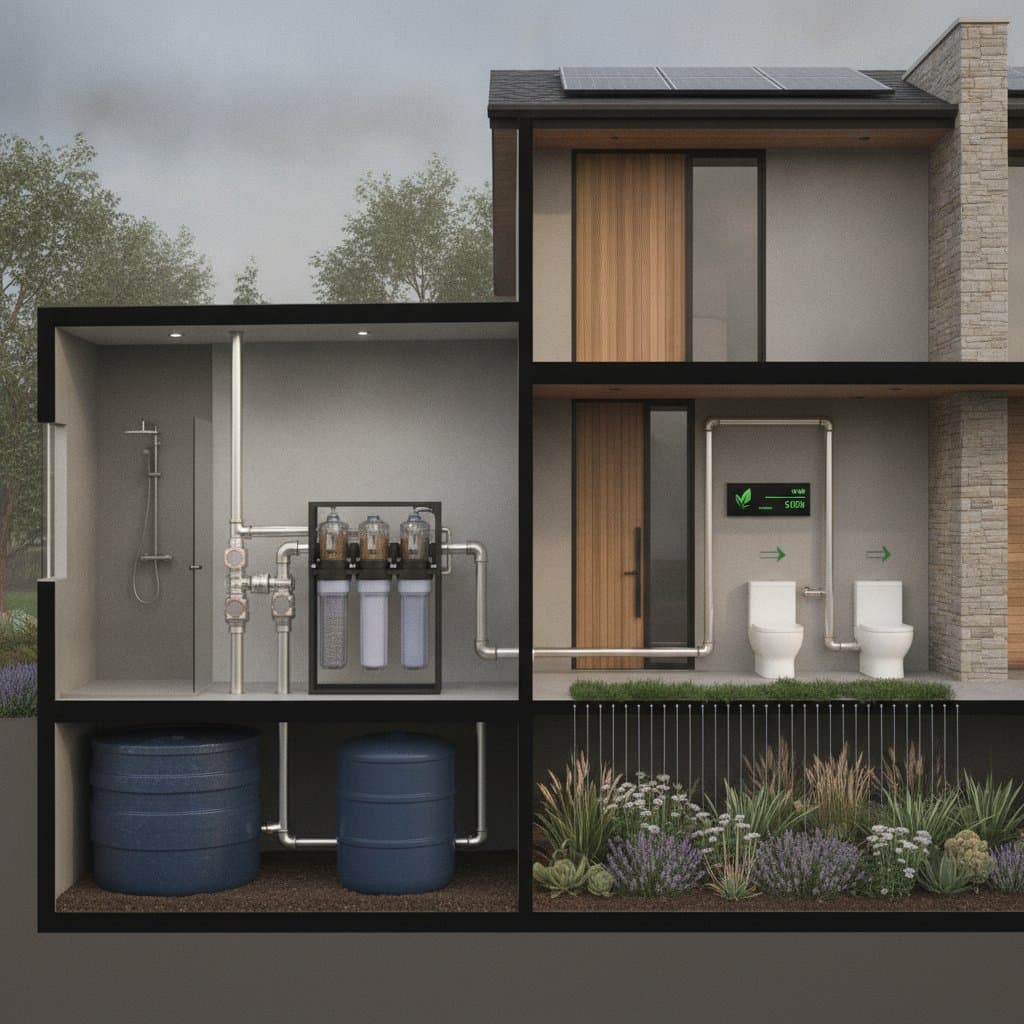
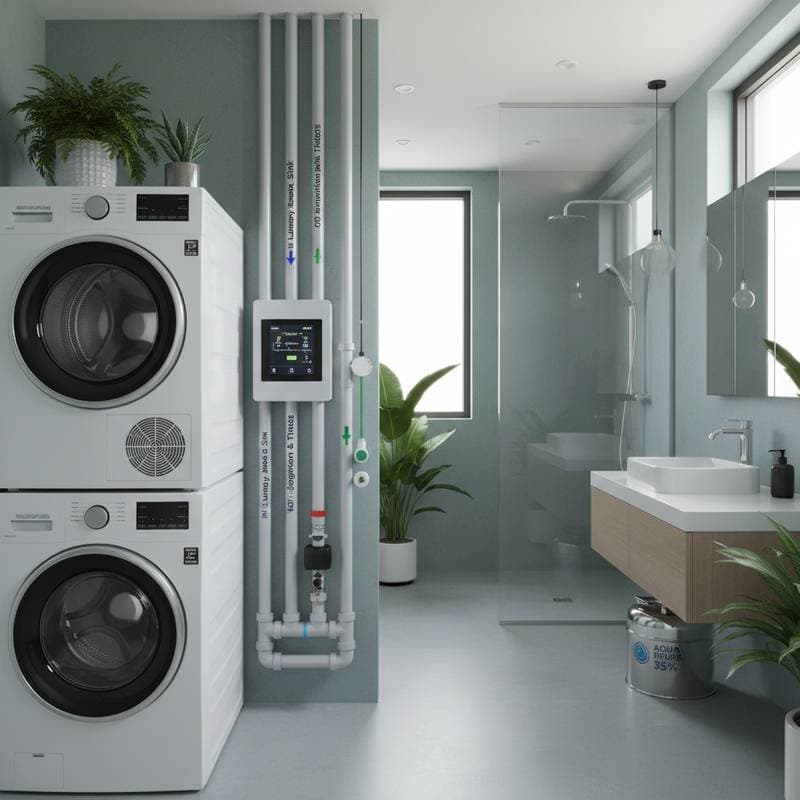
Greywater systems improve household water efficiency by capturing and reusing water from sinks, showers, and laundry for tasks such as irrigation or toilet flushing. Professional installation for these systems ranges from $2,800 to $8,500, with the average cost for a standard setup in a medium-sized home falling at $5,200.
Three key factors shape the total expense: system size and capacity, filtration complexity, and plumbing integration. Local water restrictions and soil conditions may influence installation needs. Research from the Water Research Foundation indicates that well-designed greywater systems reduce residential freshwater use by up to 35 percent, which lowers utility bills and enhances sustainability. Selecting a greywater system represents a strategic investment in efficient water management and greater household independence.
Detailed Cost Breakdown
Pricing for greywater systems depends on capacity and complexity. Basic single-source systems that handle laundry water begin at $1,200, whereas comprehensive whole-home units processing multiple sources surpass $9,000. The national average of $5,200 covers professional installation, filtration components, and plumbing that complies with building codes.
Systems at the lower end, around $2,800, suit one bathroom or a single laundry line. The median price of $5,200 provides reliable performance with some automation. Higher-end options at $8,500 include advanced features like smart controls and self-cleaning filters.
Size and Scope Factor
Costs increase with the system's capacity. A small unit processing up to 30 gallons per day ranges from $1,200 to $2,500. Mid-sized systems managing 50 to 100 gallons daily cost $3,500 to $6,000. Larger systems that handle 150 gallons or more per day reach $8,000 to $10,000.
Connecting an additional bathroom adds $500 to $900, based on plumbing access. One California homeowner upgraded from a laundry-only system costing $2,400 to a two-bathroom version at $5,300, effectively doubling the water reuse volume.
Material and Quality Tiers
Entry-level systems rely on PVC piping and manual valves, priced at $1,200 to $3,000. These require regular homeowner oversight and last 7 to 10 years with proper maintenance.
Mid-range options incorporate automated filtration and irrigation connections. Systems from brands such as Aqua2Use and GreyFlow fit this tier, costing $3,500 to $5,500, and strike a balance between features and upkeep.
Premium models feature smart sensors, self-cleaning filters, and app-based monitoring, like those from Hydraloop, at $7,000 to $9,000. These often include five-year warranties and reuse up to 85 percent of greywater with little intervention.
Complexity Variables
Installation challenges directly impact expenses. Homes with slab foundations or restricted access may need extensive drain rerouting, adding $1,000 to $2,500. Retrofitting older homes demands more labor than incorporating systems in new builds.
Building codes in some areas require backflow preventers or soil tests, increasing costs. Urban locations often carry a 10 to 20 percent premium for labor and permits due to elevated contractor rates.
Service Types and Comprehensive Pricing
Basic or Standard Package
Standard installations connect one or two water sources with a manual filter or diverter valve and basic irrigation lines. Plumbing integration completes the setup.
These projects take 10 to 15 hours of labor and total $2,800 to $4,500. Such packages work well for small households with straightforward irrigation demands.
Premium or Comprehensive Package
Advanced systems feature automated controls, multiple connections, smart irrigation, and thorough testing.
These cost $6,000 to $9,000, about 40 to 60 percent more than basic versions. Water savings and rebates often recoup the investment in four to six years.
Add-On Services Matrix
| Add-On Service | Cost Range | Benefit |
|---|---|---|
| Smart monitoring app | $300 - $700 | Real-time water usage tracking |
| UV purification module | $500 - $1,200 | Enhanced water safety |
| Landscape irrigation integration | $400 - $900 | Optimized water distribution |
| Maintenance plan (annual) | $200 - $400 | Extended system lifespan |
Combining add-ons during installation yields 10 to 15 percent savings over separate purchases.
Professional vs. DIY Analysis
DIY Cost Breakdown
Building a DIY system with standard parts costs $800 to $2,000. Essential materials include:
- 1-inch PVC pipe and fittings ($150)
- Diverter valves ($80)
- Basic filter unit ($120)
- Irrigation tubing ($60)
- Tools and sealants ($100)
- Optional storage tank ($300)
Expect 10 to 20 hours of work, drawing from online guides or videos. Potential issues like code non-compliance or leaks may lead to professional fixes and added expenses.
Professional Advantages
Experts ensure correct slopes, flow rates, and regulatory adherence. This approach saves time and prevents errors. Warranties and insurance provide $500 to $1,000 in added protection.
Break-even calculations favor professional setups when considering repairs, maintenance, and savings. For daily use exceeding 100 gallons, these installations yield the best returns over time.
Actionable Cost-Saving Strategies
Schedule installations during off-peak seasons for 5 to 10 percent discounts, as contractor demand dips. Mid-week bookings can further lower labor costs.
Obtain quotes from at least three licensed plumbers. Platforms like Angi or HomeAdvisor help compare bids, potentially saving up to 15 percent. Cash payments or bundled services may secure extra reductions.
Prepare by clearing plumbing access, designating irrigation areas, and buying approved filters in advance. These steps reduce labor by 1 to 3 hours, cutting $150 to $400 from the bill.
Market Dynamics and Key Considerations
Greywater adoption grows with water scarcity concerns and incentives like rebates in drought-prone regions. System prices stabilize as technology advances, but material costs fluctuate with supply chains.
Evaluate your home's water usage and local regulations before proceeding. Consult certified installers to match systems with your property's layout and needs.
Steps to Implement Greywater for Lasting Savings
Start by assessing your household's greywater output from daily routines. Select a system scaled to your irrigation or flushing requirements.
Budget for installation and potential rebates to offset upfront costs. Regular maintenance ensures optimal performance and extends the system's life.
By integrating greywater, homeowners achieve substantial water reductions, lower bills, and a smaller environmental footprint. This upgrade positions your home for resilient, efficient living in the years ahead.