Introduction to Water-Saving Landscapes
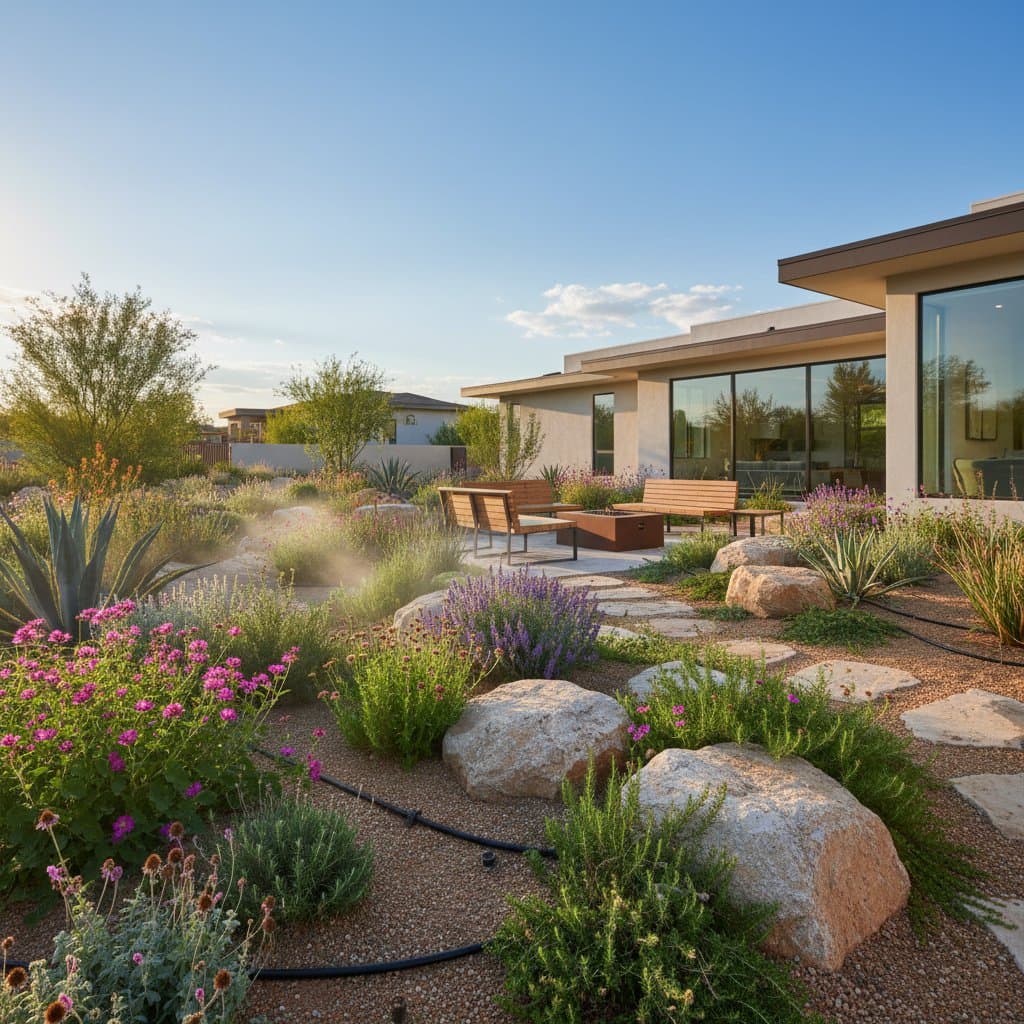
Native plants offer a practical solution for regions facing water scarcity. These species, adapted to local soils and climates, require far less irrigation than traditional lawns and imported varieties. By integrating them, homeowners achieve substantial reductions in water bills while fostering environmental health.
The benefits extend beyond conservation. Native gardens attract pollinators and wildlife, improving biodiversity. They also demand fewer fertilizers and pesticides, which lowers maintenance efforts and protects groundwater sources.
Understanding the Impact on Water Use
Traditional turf grass consumes vast amounts of water, often accounting for half of household usage in arid areas. Native plants, by contrast, thrive on natural rainfall once established. Studies from water districts indicate potential savings of 50 percent or more in irrigation needs.
Consider a typical suburban yard. Replacing sod with natives can eliminate daily watering routines during summer months. This shift not only conserves resources but also builds resilience against droughts projected for 2026 and subsequent years.
Planning Your Native Plant Conversion
Begin with an assessment of your site. Evaluate sun exposure, soil type, and drainage patterns to select appropriate species. Consult regional plant lists from extension services for recommendations suited to your area.
Budget for initial costs, which range from $2 to $10 per plant depending on size and variety. Factor in soil amendments if needed, typically $50 to $200 for a medium-sized yard. Local rebates often offset these expenses through water conservation programs.
Sketch a layout that incorporates zones based on water needs. Group high-drought-tolerant plants together to optimize any remaining irrigation systems.
Safety Gear and Permits
Prepare essential safety gear: sturdy gloves to protect hands from thorns and soil, closed-toe boots for stability on uneven ground, and safety goggles to shield eyes during digging or trimming.
Check local regulations for permits. Most conversions require none, but modifications to existing irrigation systems may need approval from water authorities to ensure compliance with efficiency standards.
Preparation Tasks
Clear the area by removing existing turf. Use a sod cutter for large sections or manual tools for smaller patches; this step prevents competition from grass roots.
Loosen the soil to a depth of 6 to 12 inches using a tiller or shovel. Incorporate organic matter like compost if the ground compacts easily, promoting root development.
Plan irrigation zones carefully. Adjust or install drip systems to target plant roots efficiently, reducing evaporation losses.
Step-by-Step Installation Guide
-
Select plants from a nursery specializing in natives. Choose a mix of shrubs, perennials, and ground covers for year-round interest and layered coverage.
-
Dig holes twice as wide as the root balls but no deeper. Space plants according to mature sizes, usually 2 to 4 feet apart, to allow for growth without overcrowding.
-
Plant during mild seasons, such as fall or early spring, to minimize transplant shock. Water deeply immediately after placement to settle the soil.
-
Mulch around bases with 2 to 3 inches of organic material. This layer retains moisture, suppresses weeds, and regulates soil temperature.
Monitor progress in the first year. Supplemental watering every 7 to 10 days supports establishment, but natives quickly adapt to less frequent care.
Maintenance for Long-Term Success
Once rooted, natives need minimal intervention. Prune selectively in late winter to shape growth and remove dead material. Avoid over-fertilizing; a light application of compost annually suffices.
Weed control focuses on prevention through dense planting. Hand-pull invaders promptly to maintain the native balance.
Track water usage with a meter or app. Compare pre- and post-conversion data to quantify savings, and document changes with photos for rebate applications.
Start small if the project feels overwhelming. Convert one bed or zone first, observe results, and scale up confidently.
Costs, Savings, and Incentives
Initial investment varies by yard size. A 500-square-foot area might cost $500 to $1,500, including plants and tools. Ongoing savings average $100 to $300 annually in water bills for average households.
Maintenance drops significantly; expect 50 to 70 percent less time spent on mowing and watering. Rebate programs from utilities reimburse up to 50 percent of costs upon verification.
Keep receipts and before-after images. Submit to local water districts for incentives that make the transition even more affordable.
Sustaining Benefits for Your Landscape
A native plant landscape endures seasonal extremes with grace. It lowers utility expenses, reduces environmental impact, and creates inviting outdoor spaces. Over time, the garden matures into a self-sustaining ecosystem that requires little beyond occasional oversight.
Homeowners report increased property appeal and personal satisfaction from contributing to conservation efforts. Embrace this approach to secure a vibrant yard ready for whatever weather lies ahead.