Navigating 2026 Granny Pod Essentials: Permits, Zoning, and Expenses
Overview
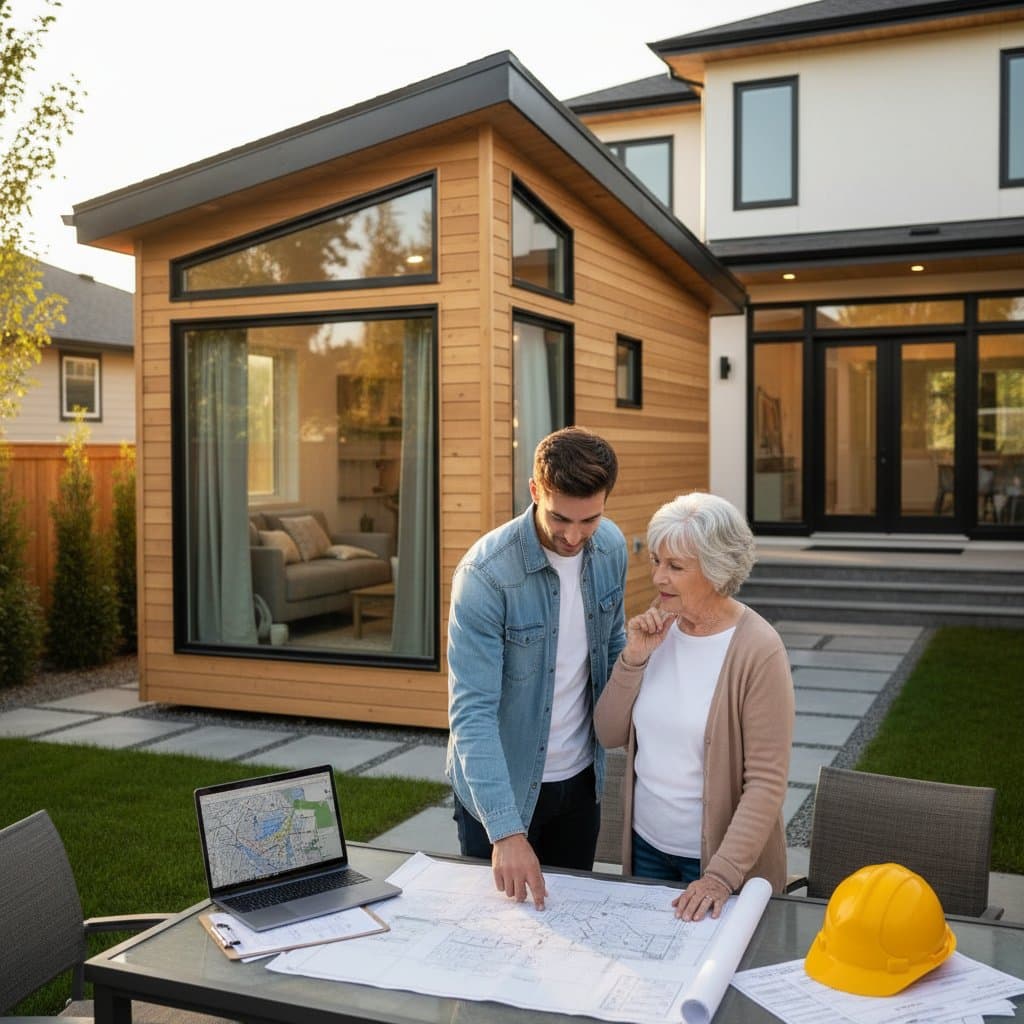
Granny pods function as compact backyard dwellings designed for elderly parents or relatives. These structures promote privacy, enhance safety, and maintain family proximity, though they involve significant regulatory and financial considerations. Begin by verifying zoning regulations promptly, allocating funds for utility enhancements, and scheduling necessary inspections to guarantee compliance and efficiency.
Advantages and Disadvantages
Advantages
- Maintains family members close without encroaching on primary living areas
- Increases overall property value when constructed according to established codes
- Provides adaptable space for future applications, such as a home office or income-generating rental
- Potentially lowers long-term expenses associated with assisted living facilities
Disadvantages
- Involves substantial initial investment relative to modifications within the existing home
- Necessitates zoning clearance and, in certain cases, specialized conditional permits
- Could overburden existing septic systems or utility infrastructures
- Might limit property resale potential if regional laws impose usage restrictions
Detailed Guide: Installing a Granny Pod
Required Tools and Materials
- Measuring tape for precise dimensions
- Level to ensure even surfaces
- Stakes and string line for boundary marking
- Site plan or professional survey
- Basic hand tools suitable for initial layout tasks
- Personal protective equipment, including gloves and eye protection
Timeline and Complexity
- Planning and permitting phases: Typically span 2 to 4 months
- Construction period: Ranges from 3 to 6 months
- Overall difficulty: Moderate to high, depending on site conditions and regulatory demands
Step 1: Verify Local Zoning Regulations
Contact your local planning department or consult the municipal website to determine if accessory dwelling units qualify for your property. Inquire about maximum allowable square footage, often capped at 800 or 1,000 square feet in many jurisdictions. Note any restrictions on placement relative to property lines or primary structures.
Step 2: Assess Utility Capabilities
Reach out to local utility providers to evaluate whether current electrical, water, and sewer lines support additional demand. For properties with septic systems, arrange for a professional inspection or obtain a formal capacity assessment to confirm adequacy.
Step 3: Develop or Acquire Design Plans
Engage a local architect to create custom blueprints, or purchase prefabricated accessory dwelling unit plans that comply with regional standards. Ensure the selected design aligns with your lot's configuration, access points, and mandatory setback distances from boundaries.
Step 4: Submit Permit Applications
Prepare and file detailed drawings, a comprehensive site plan, and any required engineering reports. Anticipate fees covering building permits, electrical installations, plumbing systems, and potential impact assessments based on local ordinances.
Step 5: Site Preparation
Remove excess vegetation, delineate foundation boundaries with stakes, and implement erosion control measures such as silt fences. Evaluate the terrain's grade and drainage patterns to prevent water accumulation around the foundation area.
Step 6: Construction or Modular Placement
For modular options, coordinate delivery of pre-assembled units and employ crane services for positioning. Traditional stick-built constructions require more time but allow for seamless integration with the property's architectural style.
Step 7: Conduct Inspections and Utility Hookups
Arrange for official inspections at critical milestones, including foundation pouring, structural framing, electrical wiring, and final walkthrough. Proceed with connections to water, sewer, and electrical services only after receiving approvals.
Step 8: Interior Completion and Outfitting
Install insulation, select durable flooring, and fit essential fixtures. Prioritize slip-resistant surfaces and layouts that facilitate accessibility, such as wider doorways and grab bar reinforcements.
Self-Managed Efforts Versus Professional Services
Suitable for Self-Managed Projects
- Initial planning, basic site clearing, and straightforward landscaping adjustments
- Simple interior tasks, including painting and basic flooring installation
- Assembly of modular components following detailed manufacturer guidelines
Best Handled by Professionals
- Foundation excavation, structural framing, and roofing installations
- Integration of electrical and plumbing systems
- Navigation of permitting processes and adherence to building codes
Rationale for Professional Involvement
Experienced contractors facilitate smoother inspection approvals and minimize the risk of expensive corrections. Errors in electrical or plumbing work could invalidate insurance coverage or pose serious safety risks.
Ongoing Maintenance Strategies
Recommended Schedule
Perform inspections biannually or immediately following severe weather events.
Key Maintenance Activities
- Examine roof flashing and gutters to detect and address potential leaks
- Verify functionality of smoke and carbon monoxide detection devices
- Clean heating, ventilation, and air conditioning filters along with associated vents
- Test ground fault circuit interrupter outlets and ensure all lighting operates correctly
Viable Alternatives
Basement Conversion to Apartment
Ideal for properties featuring unused lower-level areas. This approach leverages existing utilities, though it often requires installation of emergency egress windows and comprehensive moisture management solutions.
Garage Transformation
Suitable for standalone garages with robust framing. Such conversions enhance property value but typically demand added insulation, along with upgrades to plumbing and electrical systems.
Mobile Tiny Homes
These offer mobility advantages and may circumvent certain zoning constraints. However, permanent utility connections to residential foundations remain restricted in many areas.
Common Questions
Does a granny pod require official permits?
Yes, the majority of municipalities mandate permits for building, plumbing, and electrical components to ensure safety and compliance.
Is future rental of the unit permissible?
This depends on local regulations; some jurisdictions prohibit short-term rentals or restrict occupancy to immediate family only.
Do prefabricated units simplify the approval process?
Prefabricated models accelerate building timelines but still undergo full permitting and foundation evaluations by local authorities.
Can utilities be shared with the primary residence?
Sharing is frequently allowed, provided individual lines satisfy capacity and safety standards. Separate metering becomes necessary for rental intentions.
Implementing Your Granny Pod Plan
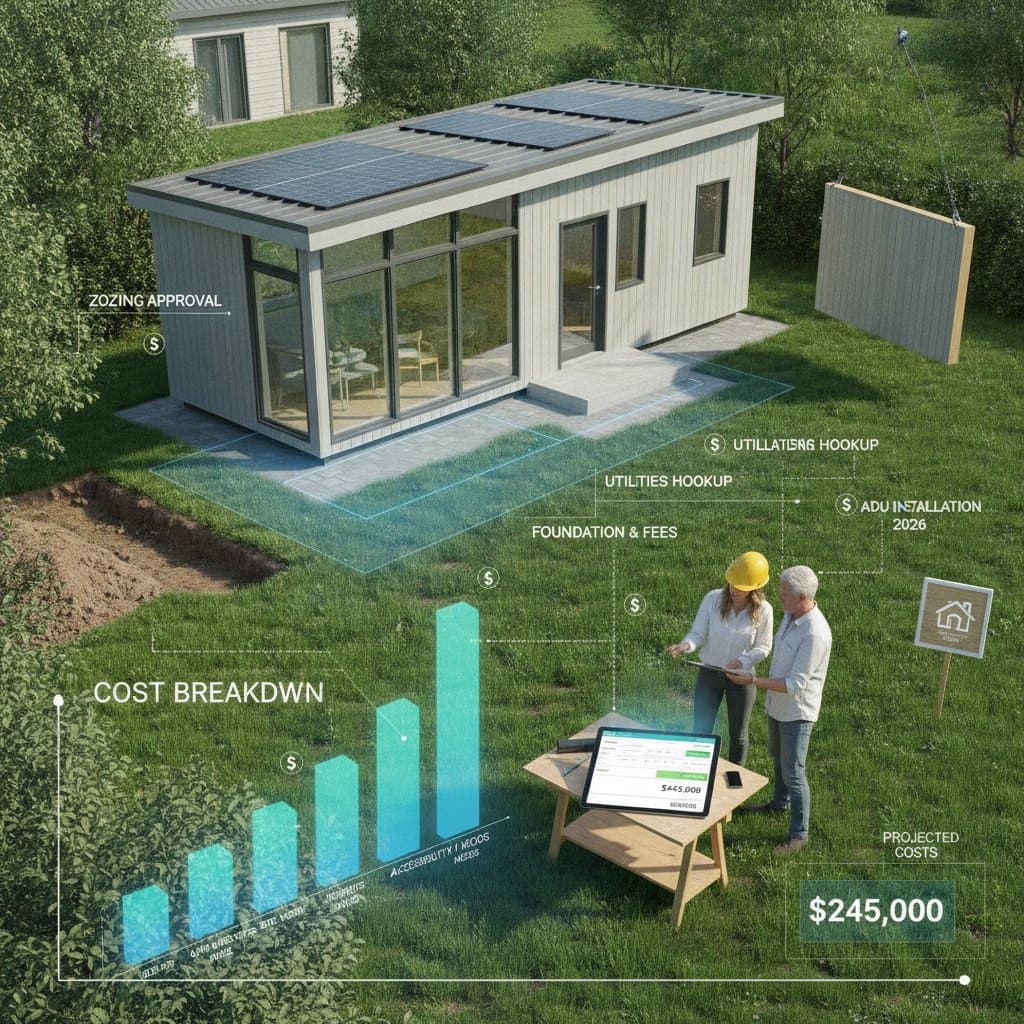
Initiate the process by confirming compliance with local zoning before finalizing designs or material selections. Early regulatory verification prevents extended setbacks. Incorporate allowances for permitting fees, utility trenching, and inspection costs into your financial projections. When your property meets the criteria and family circumstances align, a granny pod emerges as a prudent, enduring option. Through meticulous preparation and appropriate expertise, establish a secure, compliant, and welcoming backyard living space.