Native Plants for Drought-Resistant Yards
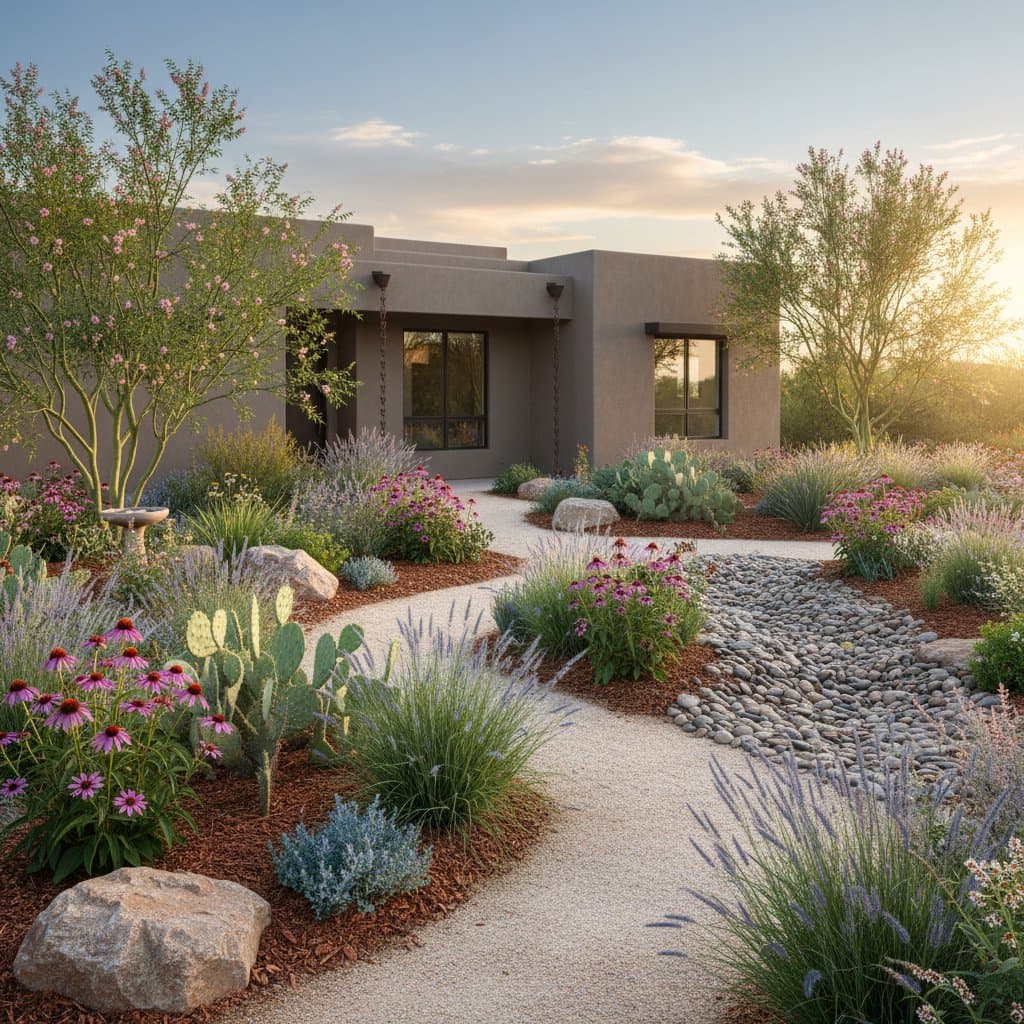
A drought-resistant yard incorporates native plants that prosper on regional rainfall, maintain vitality with limited supplemental water, and foster local wildlife. Selecting these plants lowers irrigation expenses, safeguards soil integrity, and sustains the landscape during prolonged dry periods.
Summary Box
Definition: A landscape approach featuring plants indigenous to your area, capable of enduring extended dry conditions after establishment.
Importance: Decreases water consumption, minimizes upkeep, and promotes pollinators along with soil vitality.
Average Cost: $3 to $12 per square foot for self-directed planting; $8 to $20 per square foot including professional planning and setup.
When to Engage Professionals: For comprehensive yard regrading, installation of drip irrigation systems, or creation of native habitats.
Timeline: One to two weeks for planning and planting, followed by several months for root development.
Upkeep Schedule: Monthly light weeding; deep watering solely during prolonged droughts.
Components of a Drought-Resistant Yard
A drought-resilient yard integrates multiple elements that function in harmony:
- Native Plant Beds: Organize species according to their water requirements. Plants with deep roots stabilize soil and draw moisture from deeper layers.
- Mulch Layer: Apply two to three inches of organic material to retain soil moisture, suppress weeds, and shield roots from excessive heat.
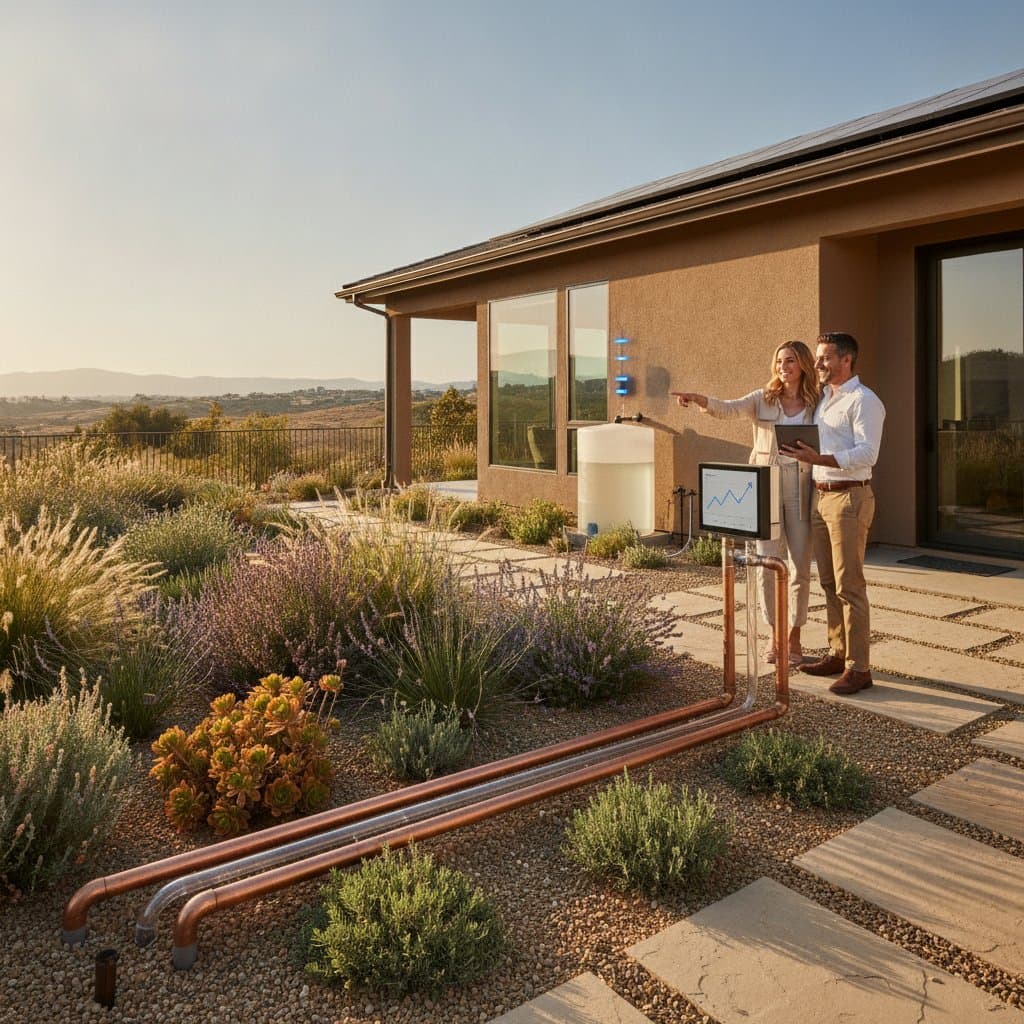
- Efficient Irrigation: Employ drip lines or soaker hoses to target water delivery to plant roots.
- Permeable Pathways: Use gravel, crushed stone, or spaced pavers to allow rainwater infiltration instead of surface runoff.
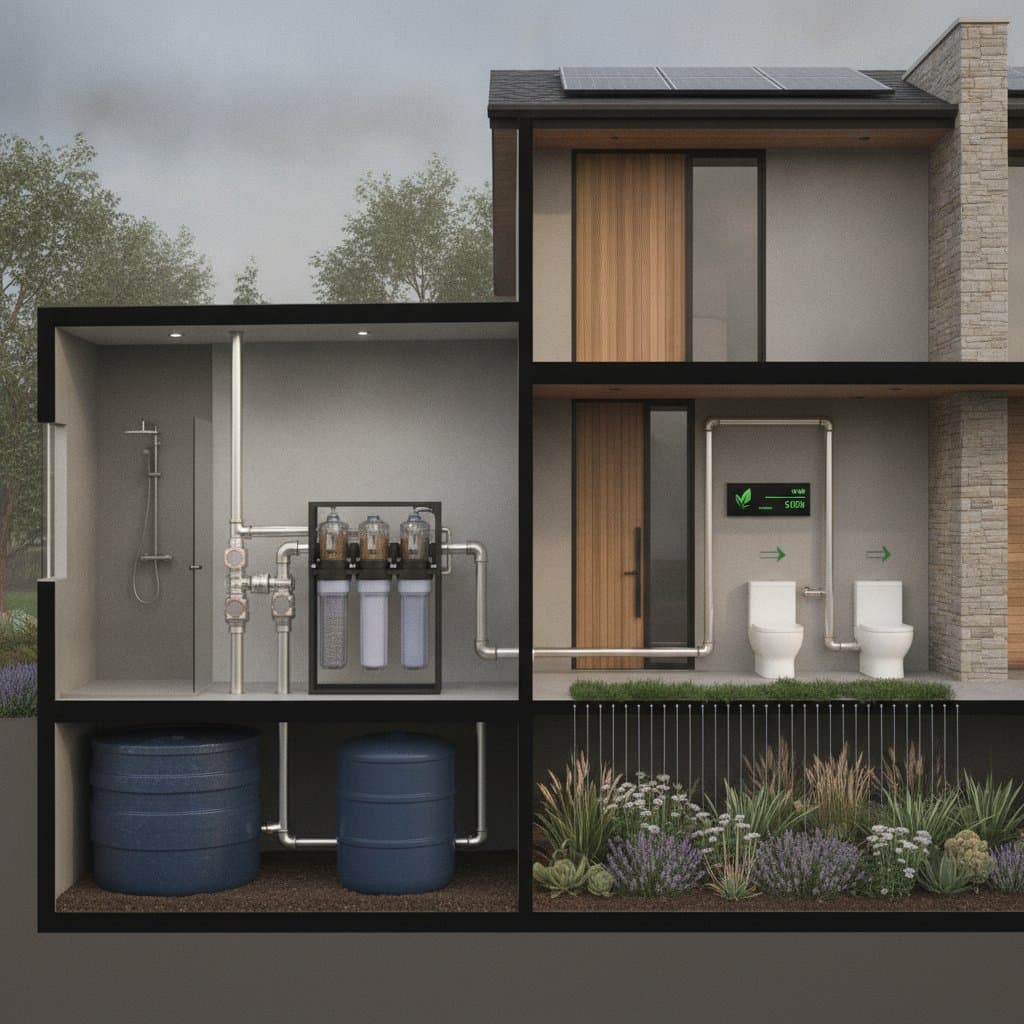
- Rainwater Harvesting Systems: Install barrels or swales to capture rooftop runoff and channel it toward water-needy plants.
These components complement one another. Mulch maintains cooler soil temperatures, deep roots avert erosion, and rainwater collection diminishes the need for artificial irrigation.
Step-by-Step Guide: Transitioning to a Native Yard
1. Evaluate Your Site
Examine sunlight exposure, terrain slope, drainage patterns, and soil composition. Sandy soils drain rapidly and pair well with desert-adapted natives, whereas clay soils retain moisture effectively for prairie varieties.
2. Eliminate Water-Intensive Turf
Eradicate existing grass through natural smothering: cover it with layers of cardboard topped by mulch for several weeks. This method bypasses chemical herbicides and enriches the soil over time.
3. Design Plant Zones
Sketch a basic site map. Designate zones for high, medium, and low water demands. Cluster compatible plants to streamline irrigation efforts.
4. Select Regional Species
Consult your local county extension office or native plant society for tailored recommendations. Consider these categories:
- Dry, Sunny Locations: Lavender, yarrow, purple coneflower.
- Partial Shade Areas: Columbine, coral bells, wild ginger.
- Groundcovers: Creeping thyme, buffalo grass, sedum.
Prioritize species that match your climate zone for optimal performance.
5. Amend Soil and Apply Mulch
Till the topsoil to a depth of at least six inches. Incorporate compost sparingly, only if the soil proves severely deficient. Position mulch around plants post-installation to lock in moisture.
6. Set Up Drip Irrigation
Lay tubing beneath the mulch layer, positioning it at intervals of 12 to 18 inches. Select emitters calibrated for one gallon per hour to ensure precise, low-volume delivery.
7. Establish Watering Routine
Maintain consistent soil moisture during the initial month to encourage root growth. Once roots expand, reduce to a single deep watering every two to four weeks, applied only during severe droughts.
DIY Versus Professional Installation
| Criteria | DIY Approach | Professional Service |
|---|---|---|
| Skill Level | Moderate familiarity with gardening | Landscape certification recommended |
| Safety Considerations | Low risk | Low to moderate, particularly for grading or trenching tasks |
| Tools Needed | Shovel, hoe, rake, hose, basic drip kit | Additional equipment like soil compactor and trenching tools |
| Permits or Regulations | Seldom necessary | Potentially required for grading or drainage modifications |
| Time Commitment | One to two weekends | Approximately one week with a team |
| Warranty Details | None provided | Frequently includes a one-year guarantee on plants |
Self-directed projects suit small-scale or simple-soil transformations. Professionals excel in handling sloped terrains, irrigation integrations, or sites vulnerable to erosion.
Ongoing Care and Longevity
Established native plants endure for numerous years. Perennials typically thrive for five to 15 years before requiring thinning. Trees and shrubs often persist for decades with minimal intervention.
Essential maintenance tasks encompass:
- Weeding monthly in the establishment phase.
- Refreshing mulch layers annually or biennially.
- Providing deep water only upon signs of stress, such as wilting leaves or cracked soil.
- Pruning dead material in late winter to stimulate fresh growth.
A fully developed native landscape generally consumes 60 to 80 percent less water compared to traditional turfgrass setups, yielding substantial savings and environmental benefits.
Common Questions
How quickly do native plants achieve a full appearance?
Most species densify within one to two growing seasons, provided they receive adequate initial watering.
Do native yards invite pest issues?
They draw increased insect activity, though the majority consist of beneficial pollinators or natural predators that enhance ecosystem balance.
Is it possible to retain portions of a lawn?
Certainly; opt for drought-tolerant varieties such as buffalo grass or zoysia in limited recreational zones.
Implementing Your Native Landscape Plan
Begin by contacting your local extension service for region-specific plant lists and soil testing resources. Source materials from reputable native plant nurseries to ensure authenticity. Track progress through the first season, adjusting watering based on weather patterns. Over time, your yard will evolve into a self-sustaining feature that enhances property value and ecological health.