Introduction to Multigenerational Living
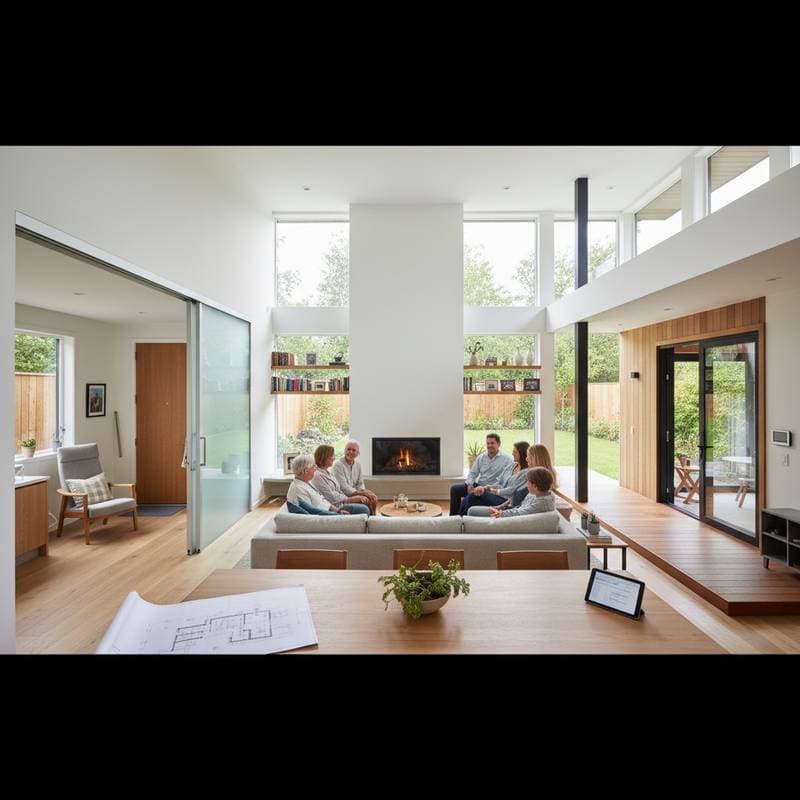
Multigenerational homes bring families closer, offering shared spaces for connection while accommodating individual needs. These residences house parents, children, and grandparents under one roof, fostering support and reducing isolation. However, success hinges on designs that respect personal boundaries alongside communal areas.
The rise in multigenerational households stems from economic pressures, caregiving demands, and a desire for intergenerational bonds. In the United States, such arrangements now represent nearly 20 percent of households. Proper planning transforms potential challenges into opportunities for harmony and resilience.
Understanding Privacy and Togetherness
Privacy ensures each resident maintains autonomy, while togetherness promotes interaction and mutual aid. Striking this balance prevents conflicts and enhances well-being. For instance, separate entrances and dedicated rooms allow quiet retreats, yet open kitchens invite casual gatherings.
Consider the needs of different generations: young children require safe play zones, adults need work-from-home nooks, and seniors benefit from ground-level access. Flexible spaces, such as convertible rooms, adapt to these varying demands over time. Thoughtful zoning of areas minimizes disruptions and maximizes comfort for all.
Key Layout Strategies for Multigenerational Homes
Effective layouts divide the home into private and shared zones. Private areas include bedrooms with en-suite bathrooms and personal lounges, ensuring seclusion. Shared spaces encompass kitchens, dining rooms, and family rooms designed for group activities.
Accessory dwelling units (ADUs) or in-law suites provide ideal solutions. An ADU might attach to the main house or stand separately, complete with its own kitchenette and entrance. Position these units near the primary residence for convenience, yet offset for independence.
Incorporate universal design principles for accessibility. Wide doorways, lever handles, and zero-step entries accommodate mobility aids without compromising aesthetics. Multi-level homes benefit from elevators or stairlifts, planned during initial construction to avoid costly retrofits.
Sample Floor Plan Ideas
- Main Level: Open-concept living and kitchen area for daily interactions, with a guest suite featuring a private bath.
- Upper Level: Bedrooms for younger family members, including a home office that doubles as a hobby room.
- Detached ADU: Compact unit with bedroom, bath, and small living space, ideal for aging parents or returning adults.
Visualize traffic flow to reduce congestion. Place high-traffic areas like laundry rooms centrally, while isolating bedrooms from noisy zones. Natural light and ventilation in all sections boost mood and health.
Navigating Costs and Budgeting
Building or renovating for multigenerational use involves significant expenses, yet strategic choices control outlays. Initial costs range from $100,000 for an ADU addition to $500,000 for full redesigns, depending on location and size. Factor in land surveys, architectural fees, and material selections.
Prioritize durable, low-maintenance materials to cut long-term expenses. Energy-efficient windows and insulation lower utility bills, while modular construction speeds timelines and reduces labor costs. Explore financing options like home equity loans or grants for aging-in-place modifications.
Budget Breakdown Example
- Site preparation and permits: 10-15 percent of total.
- Structural additions: 50-60 percent.
- Interior finishes and appliances: 20-25 percent.
- Contingency fund: 10 percent for unforeseen issues.
Track expenses with detailed spreadsheets, allocating funds for professional consultations. Value engineering, such as selecting cost-effective alternatives to luxury finishes, maintains quality without excess spending.
Permits and Regulatory Considerations
Permits form the foundation of legal compliance. Building permits cover structural changes, while electrical and plumbing permits address system upgrades. Zoning variances may apply if adding an ADU exceeds local density rules.
Contact local building departments early to understand requirements. Some municipalities offer streamlined processes for ADUs, especially in areas promoting affordable housing. Prepare documentation including site plans, elevations, and engineering reports.
Safety remains paramount. Equip the home with smoke detectors, carbon monoxide alarms, and non-slip flooring. Adhere to codes for egress windows and handrails to protect vulnerable residents.
Essential Safety Gear for On-Site Work:
- Gloves for handling materials.
- Safety glasses to shield eyes from debris.
- Hearing protection during noisy operations.
Preparation Tasks Before Construction:
- Survey lot lines to confirm boundaries.
- Locate underground utilities to avoid damage.
- Clear debris and vegetation from the work area.
Maintenance for Long-Term Success
Ongoing maintenance preserves the home's functionality and value. Schedule annual inspections for structural integrity, HVAC systems, and roofing. Address issues promptly to prevent escalation, such as fixing leaks that could lead to mold.
Educate all residents on routines like filter changes and gutter cleaning. Smart home technologies, including automated lighting and security cameras, enhance safety and efficiency. These features allow remote monitoring, ideal for families with traveling members.
Plan for adaptability. Install adjustable shelving and removable partitions to reconfigure spaces as needs evolve. This foresight ensures the home serves current occupants and future generations alike.
Your Next Steps to Get Started
Begin with a thorough zoning assessment through your local planning office. Conduct a professional property survey to map existing features and potential expansions. Develop a preliminary concept sketch highlighting private retreats and communal hubs.
Solicit at least three quotes from reputable design-build firms, requesting itemized scopes of work. Review portfolios for multigenerational projects to gauge expertise. Engage an architect specializing in family-oriented designs for tailored advice.
Assemble a family meeting to align on priorities, such as accessibility needs or preferred shared activities. This collaborative approach builds consensus and excitement for the project.
Realizing Lasting Family Value
A well-designed multigenerational home invests in relationships and financial security. It provides a supportive environment that adapts to life's stages, from raising children to caring for elders. Beyond immediate benefits, such properties often appreciate faster due to their versatility.
Residents report stronger bonds and reduced stress in these settings. The home becomes a legacy, offering rental income potential or space for extended family visits. With diligent planning, it delivers comfort, independence, and joy for years to come.