
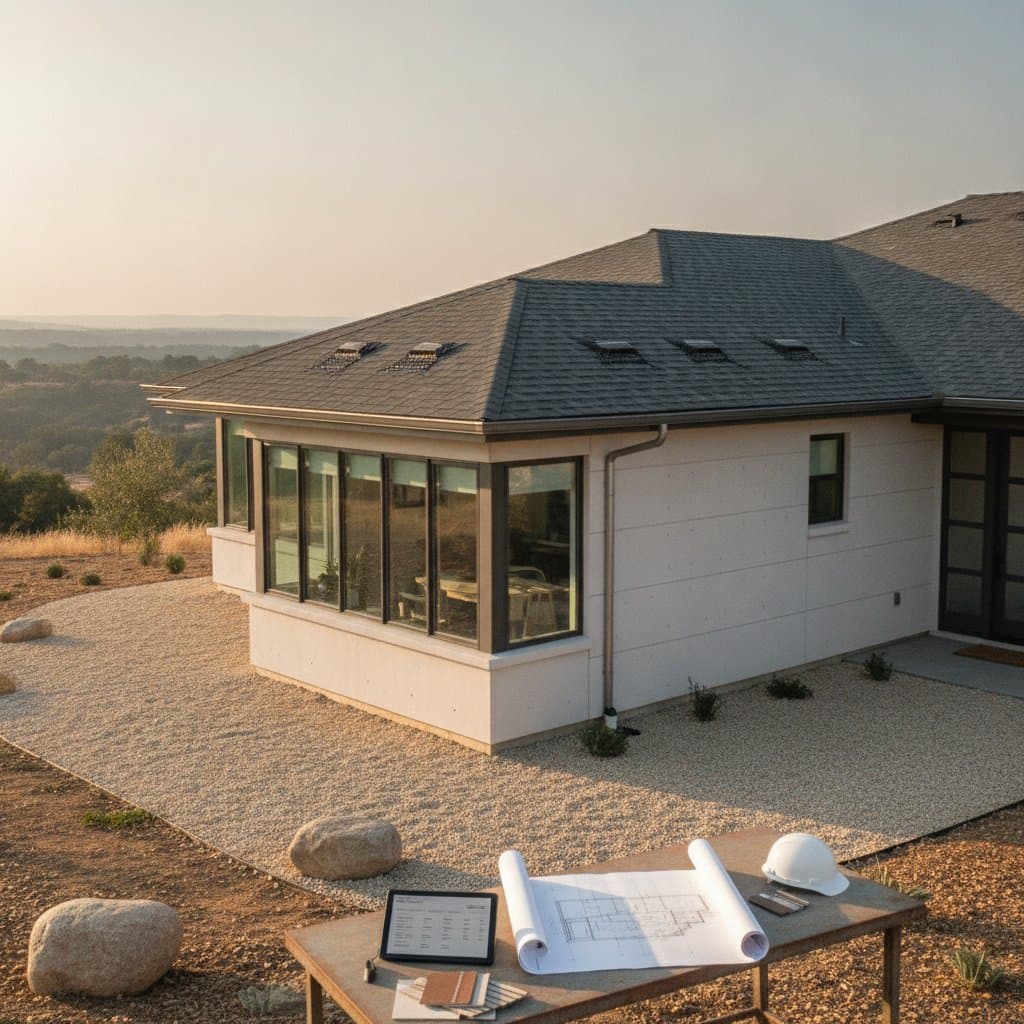
Wildfire protection begins with ember defense: Class A roofing, resistant vents, tempered windows, durable siding, clean gutters, and a fuel-free five-foot perimeter. Costs range from hundreds for maintenance to $100,000-plus for comprehensive upgrades. Prioritize exposed areas, compare detailed contractor bids, follow local codes, and maintain defensible space before fire season arrives.
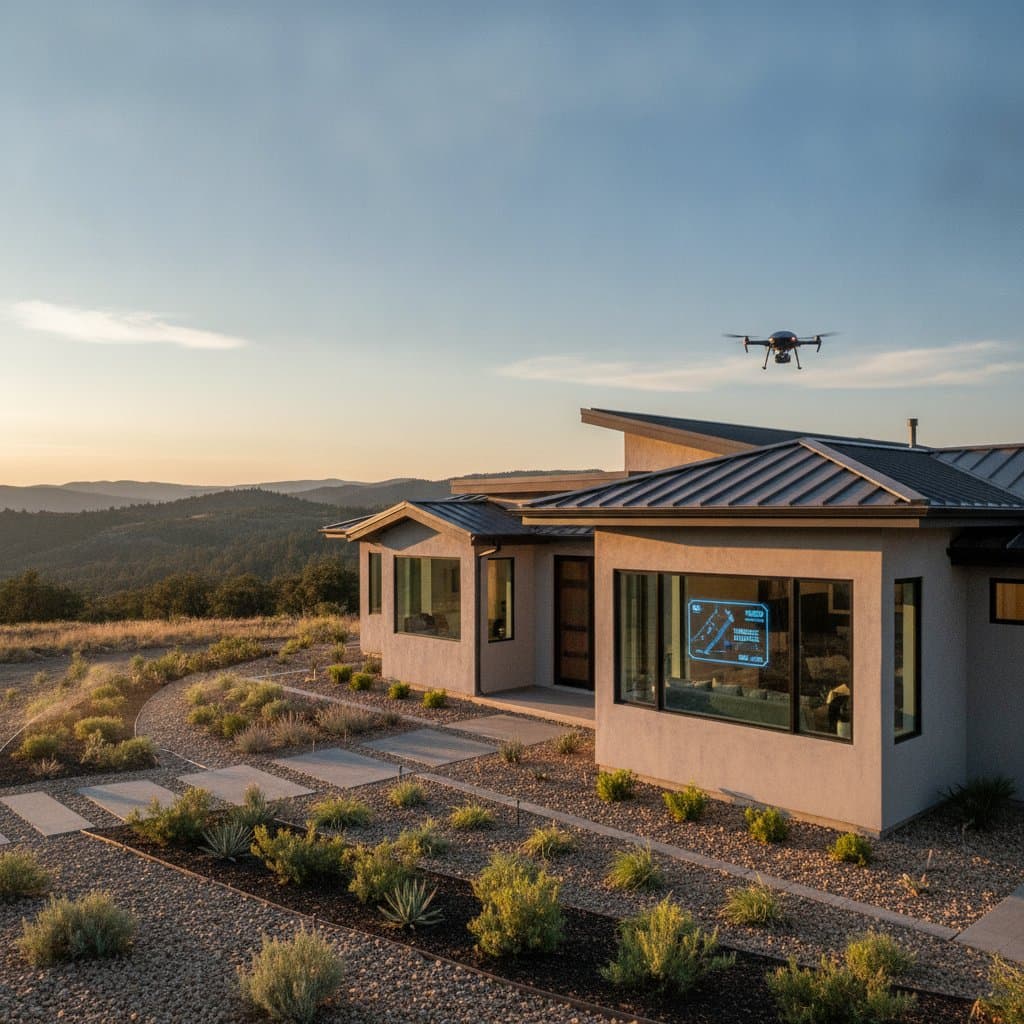
Wildfire defense zones cost $3,000 to $18,000 based on size, materials, and terrain. Professional installation raises survival odds by 75 percent, aids insurance approval, and preserves home value. Explore pricing tiers, regional differences, and scheduling tips for 2026.
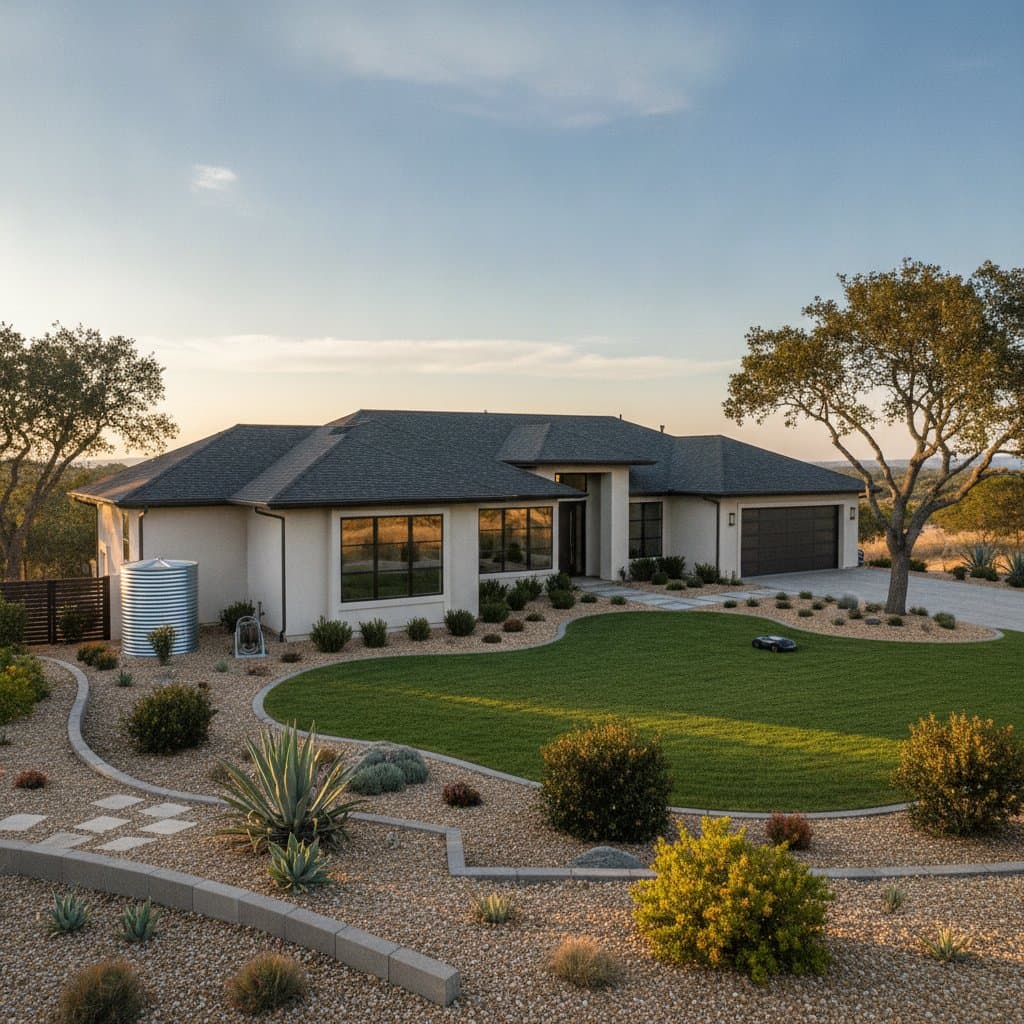
Protecting your home from wildfire starts with smart upgrades that balance safety and cost. From Class A roofing and tempered windows to defensible landscaping and reliable water access, each improvement strengthens resilience. Strategic planning, quality materials, and regular maintenance together create a layered defense that safeguards property and financial stability.
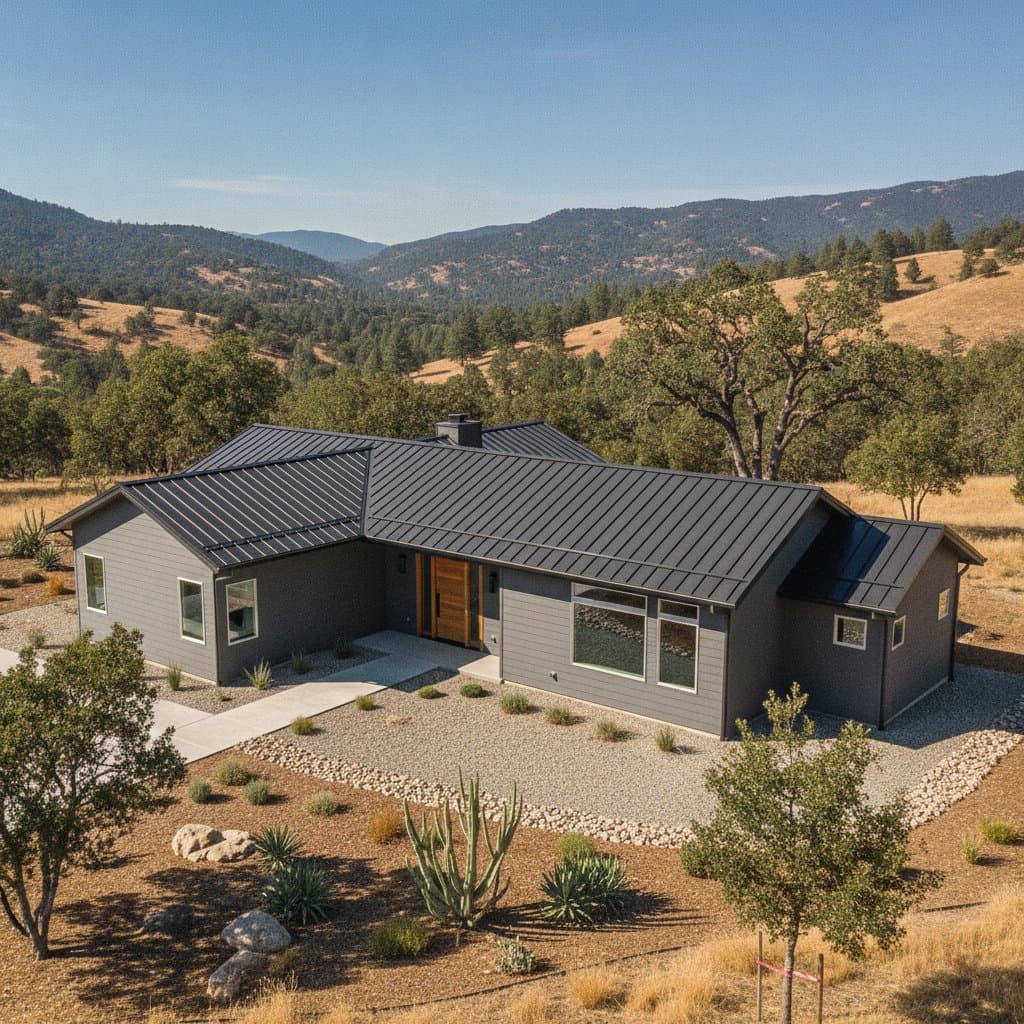
Wildfire protection for homes in 2026 ranges from 10000 to 60000 dollars depending on scope and materials. Key upgrades such as fiber cement siding, metal roofs, and ember resistant vents improve safety while supporting long term property value.
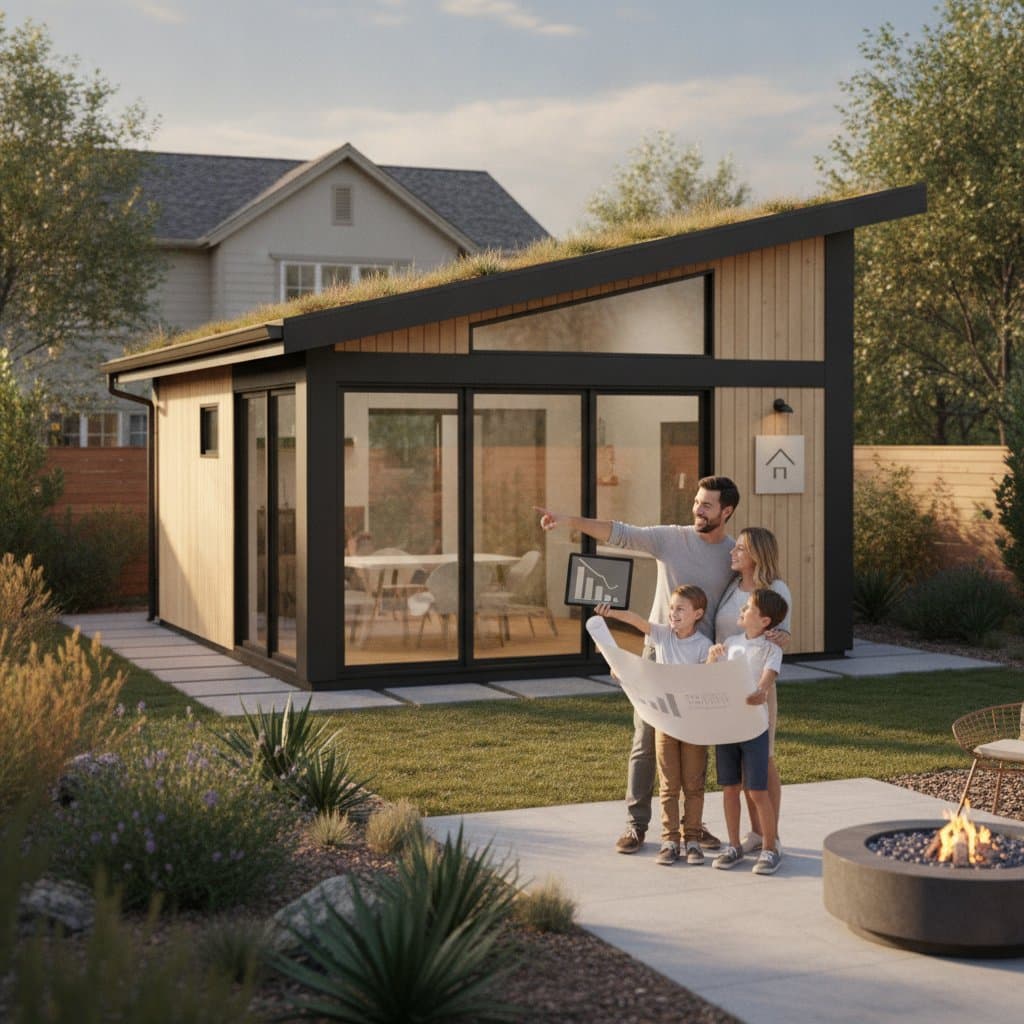
Updated regulations cut accessory dwelling unit expenses by one quarter, simplify approvals, and introduce standardized plans that make backyard homes more attainable for homeowners seeking added income or living space.
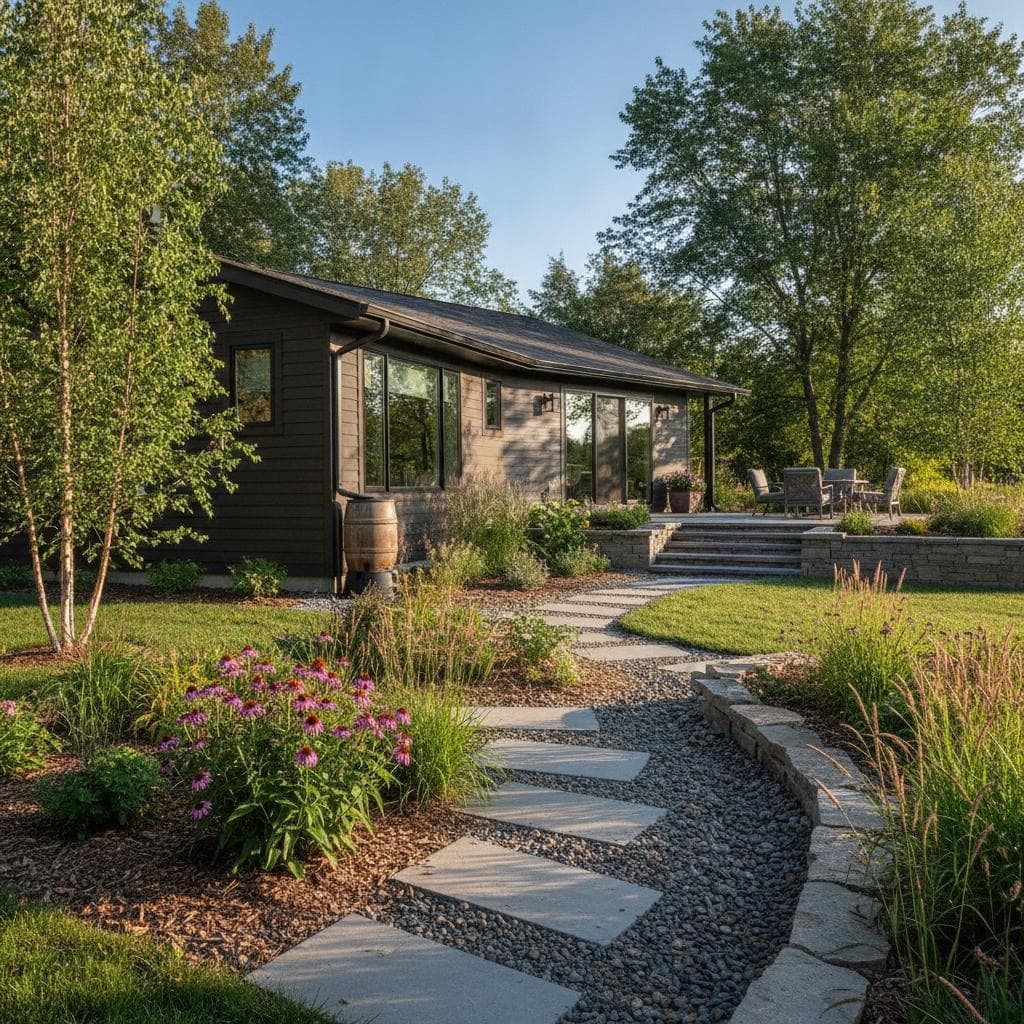
Transform your yard into a flood-resistant landscape that safeguards your home and boosts property value. Learn how design, materials, and site conditions affect costs from $3,000 to $10,000, explore eco-friendly drainage options, and see why professional planning supports sustainability and long-term resilience.
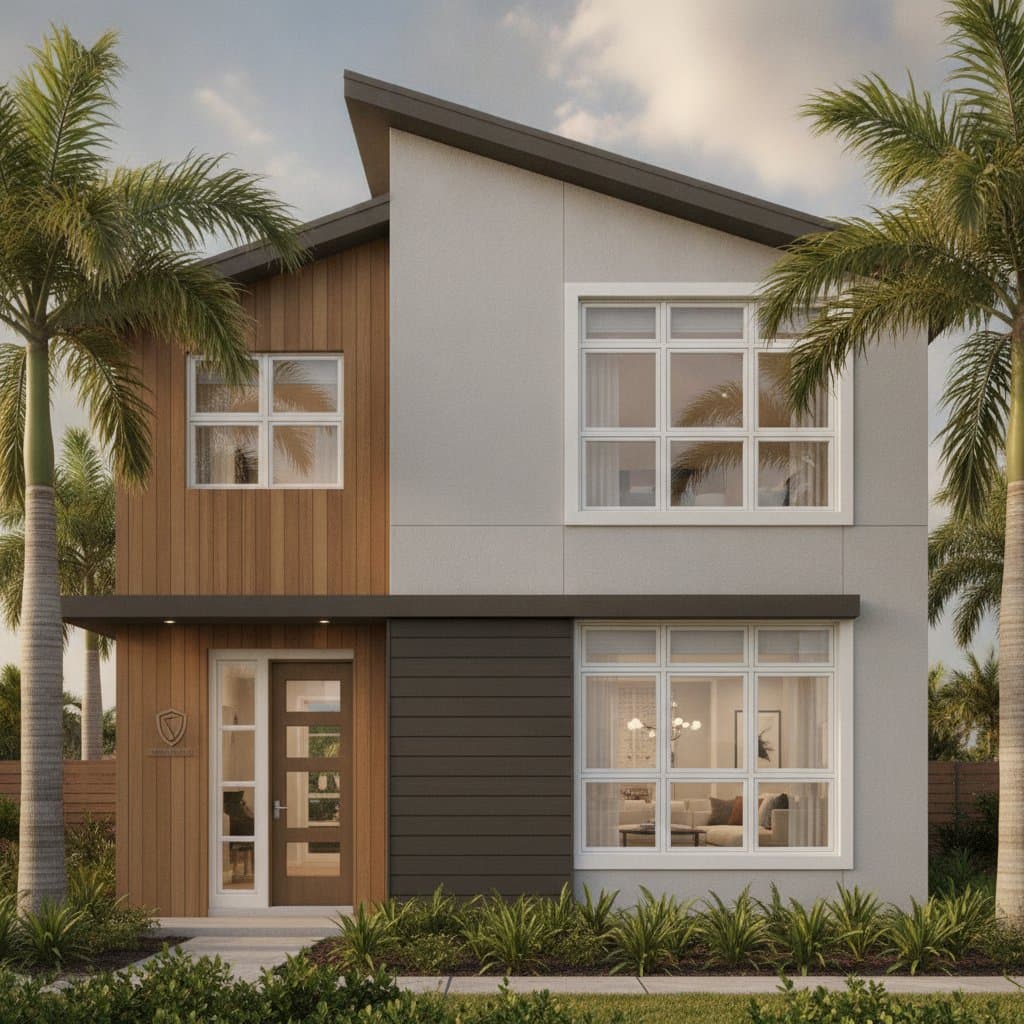
Impact windows combine laminated glass and reinforced frames to safeguard homes from storms, debris, and break ins. Installation costs range from 700 to 1,400 dollars per window when completed by licensed professionals.
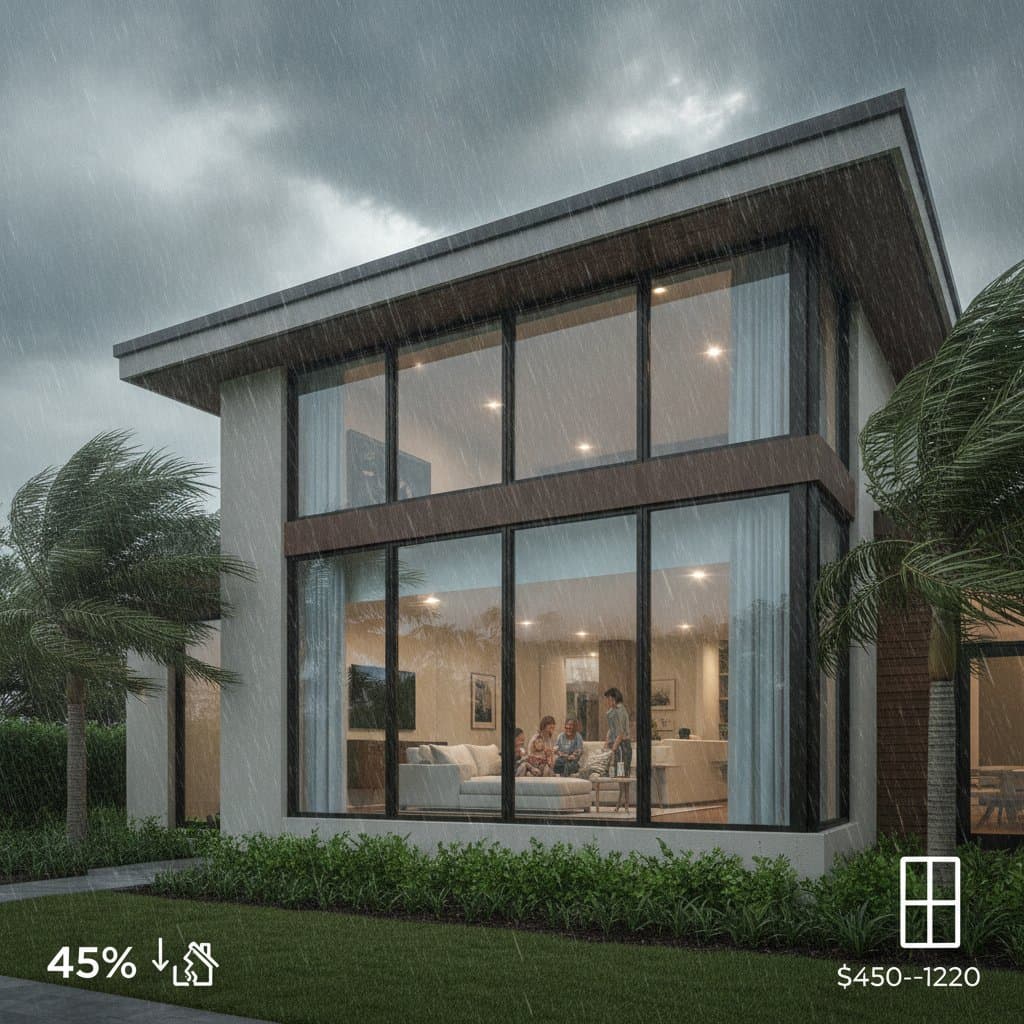
Hurricane windows cost $450 to $1,200 each and deliver strong protection along with energy efficiency and insurance savings. Full-home installations average $18,000 to $25,000. Premium models boost home value and comfort. Learn how size, materials, and timing affect pricing and discover strategies to cut costs while maximizing safety and long-term returns.
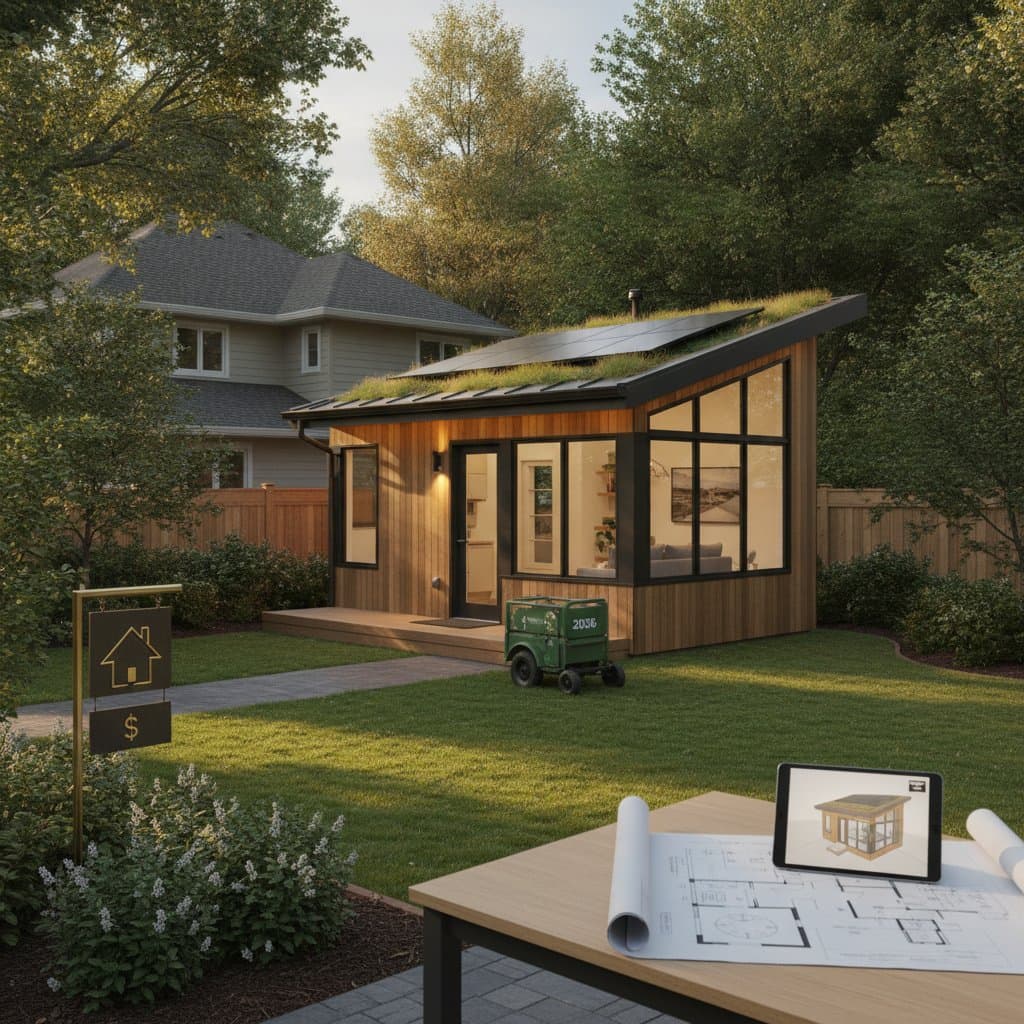
Granny pods deliver independent living options near family members. Costs for 2026 installations fall between 90000 and 250000 dollars based on size, design selections, and utility requirements. Prefabricated models reduce both time and expense while custom projects increase flexibility. The following sections outline cost components, timelines, and preparation guidance.
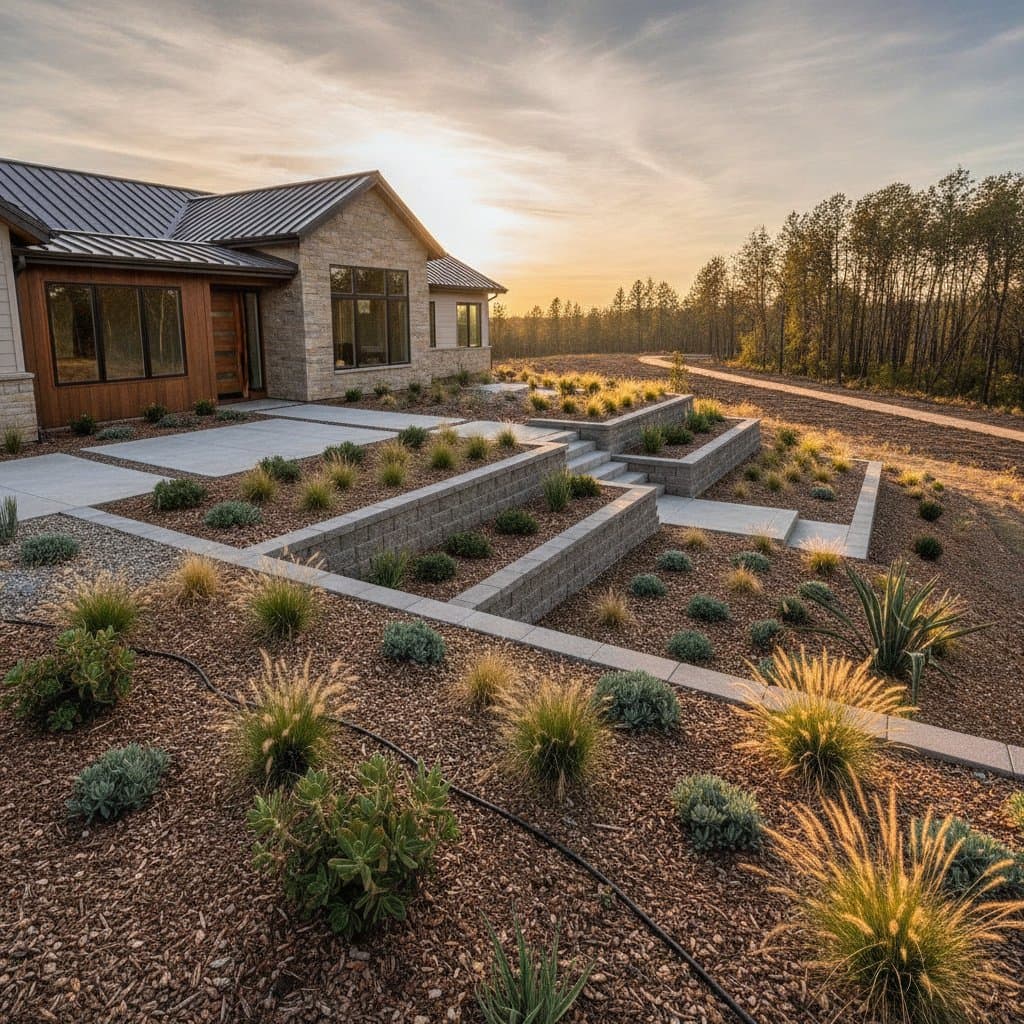
By 2026, wildfire resistant landscaping will cost between 3 and 12 dollars per square foot. Thoughtful zone planning, fire safe plants, and efficient irrigation create defensible space that protects property and maintains value.
Learn how targeted flood proofing measures protect homes in 2026. Compare costs of sealing, pumps, and elevation against insurance savings and resale benefits.
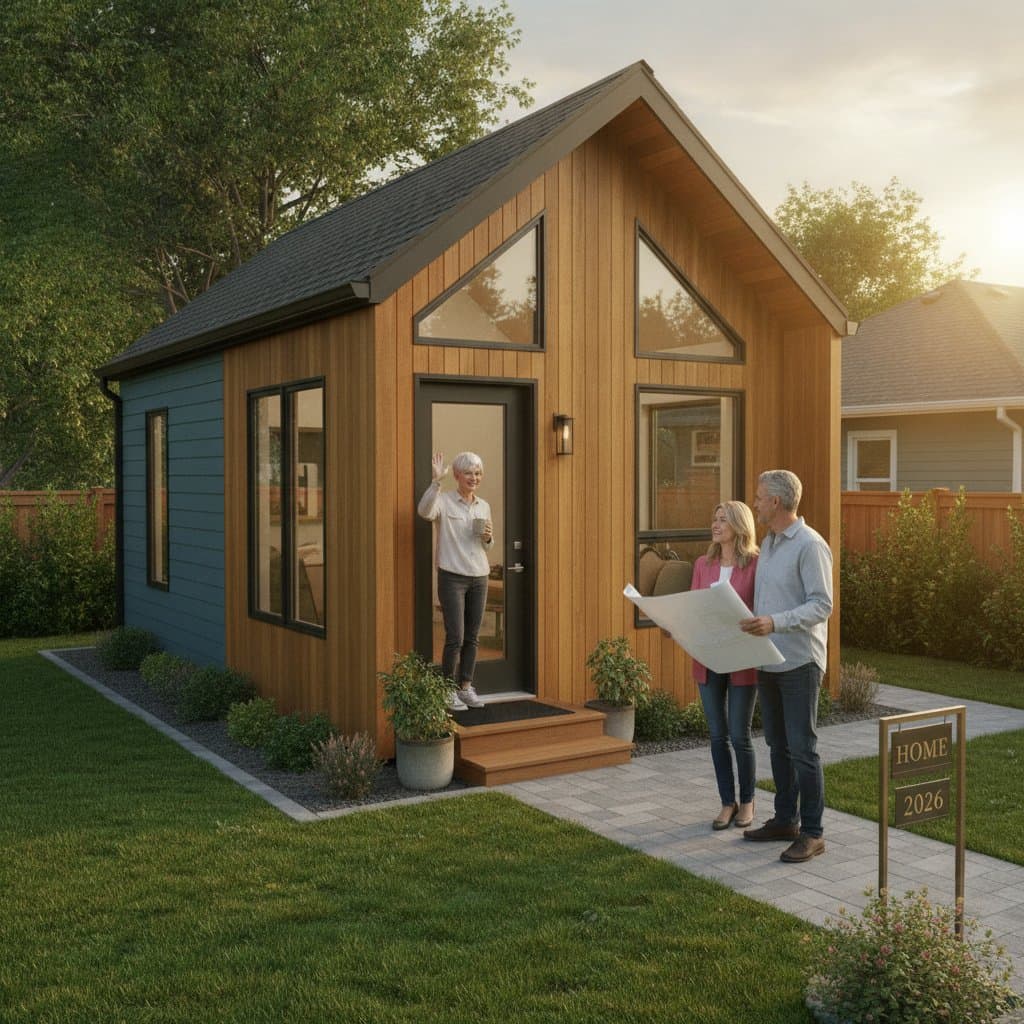
Building a granny pod in 2026 offers independence for loved ones while boosting property value. Expect total costs between $85,000 and $225,000, influenced by size, design, and site conditions. This guide details every stage from permitting to finishing and helps homeowners plan realistic budgets.
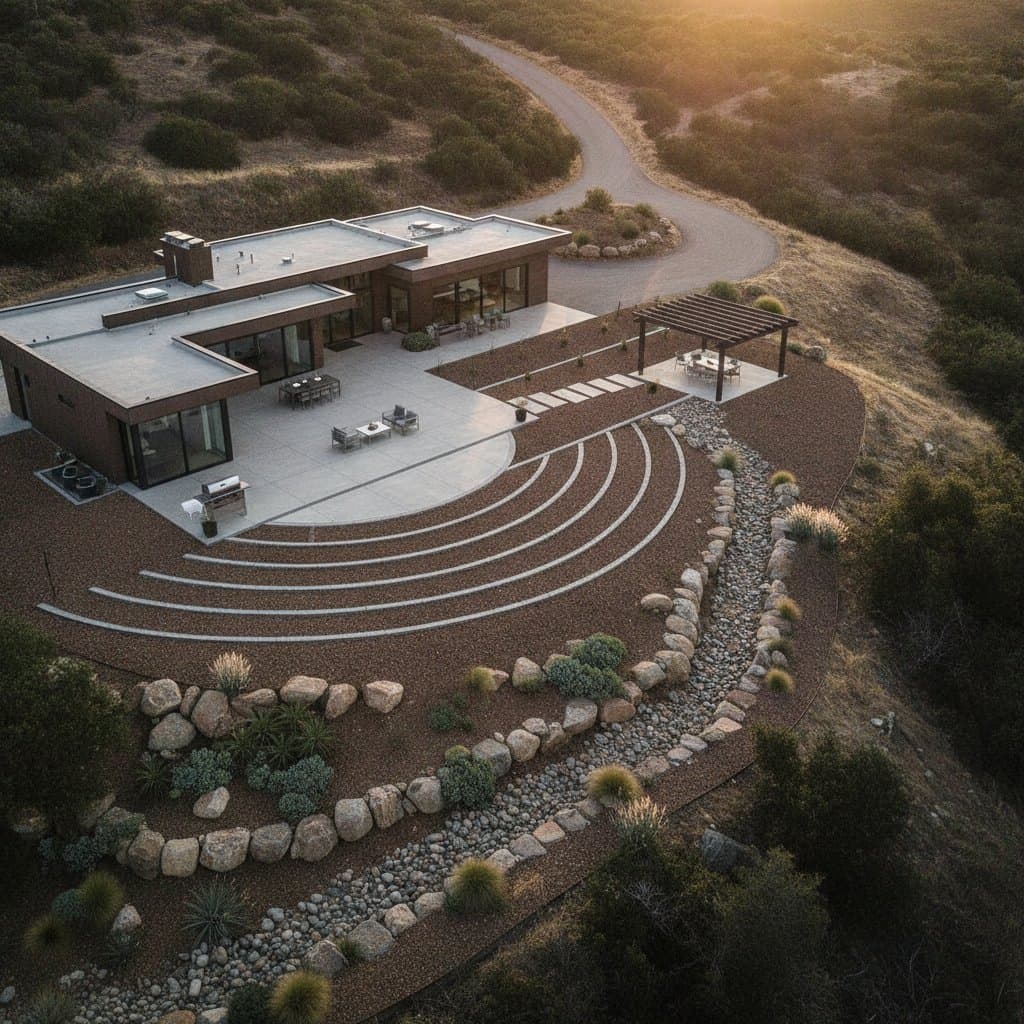
Strategic hardscaping with noncombustible materials slows flames, protects access, and lowers maintenance. Review costs, design steps, code requirements, and professional versus DIY guidance for a resilient landscape.
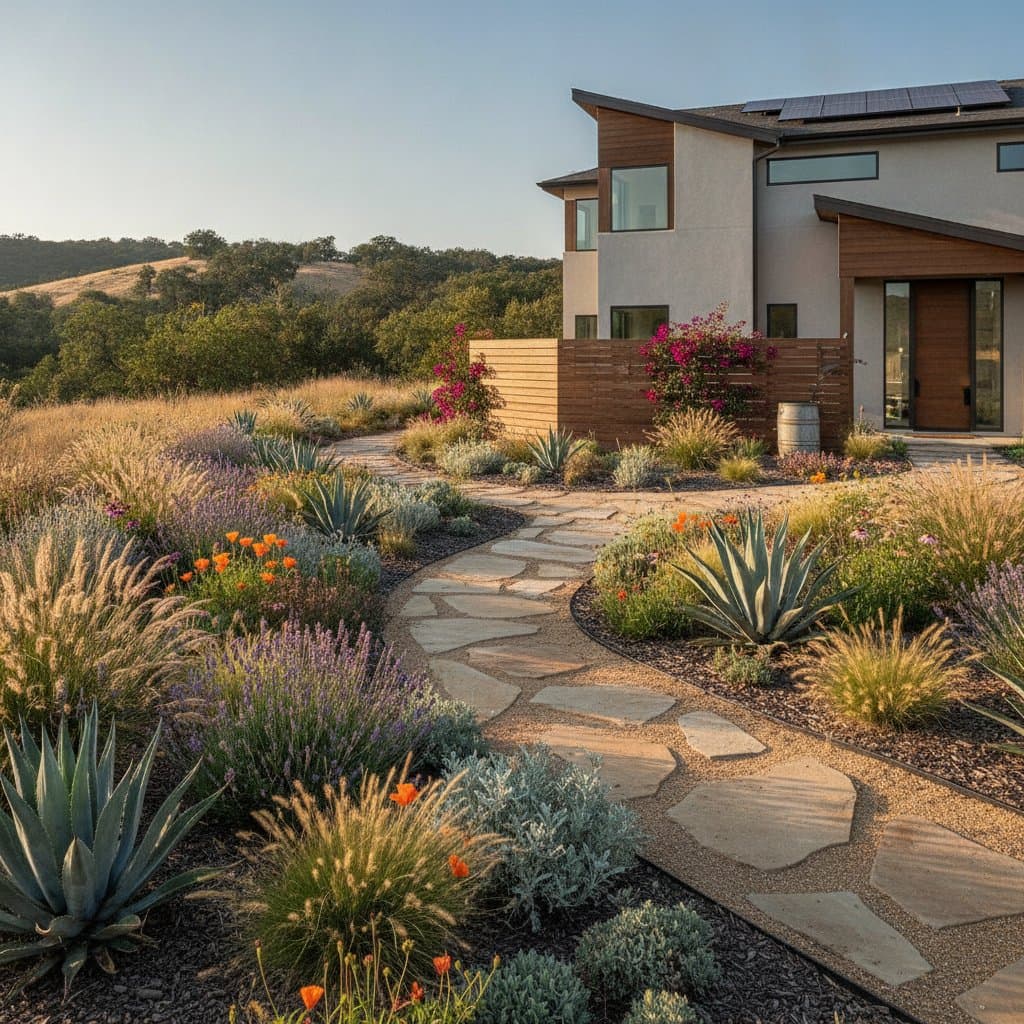
Explore drought resistant yard pricing from basic to premium options. Find cost breakdowns, DIY comparisons, and strategies that deliver lasting water savings and curb appeal.
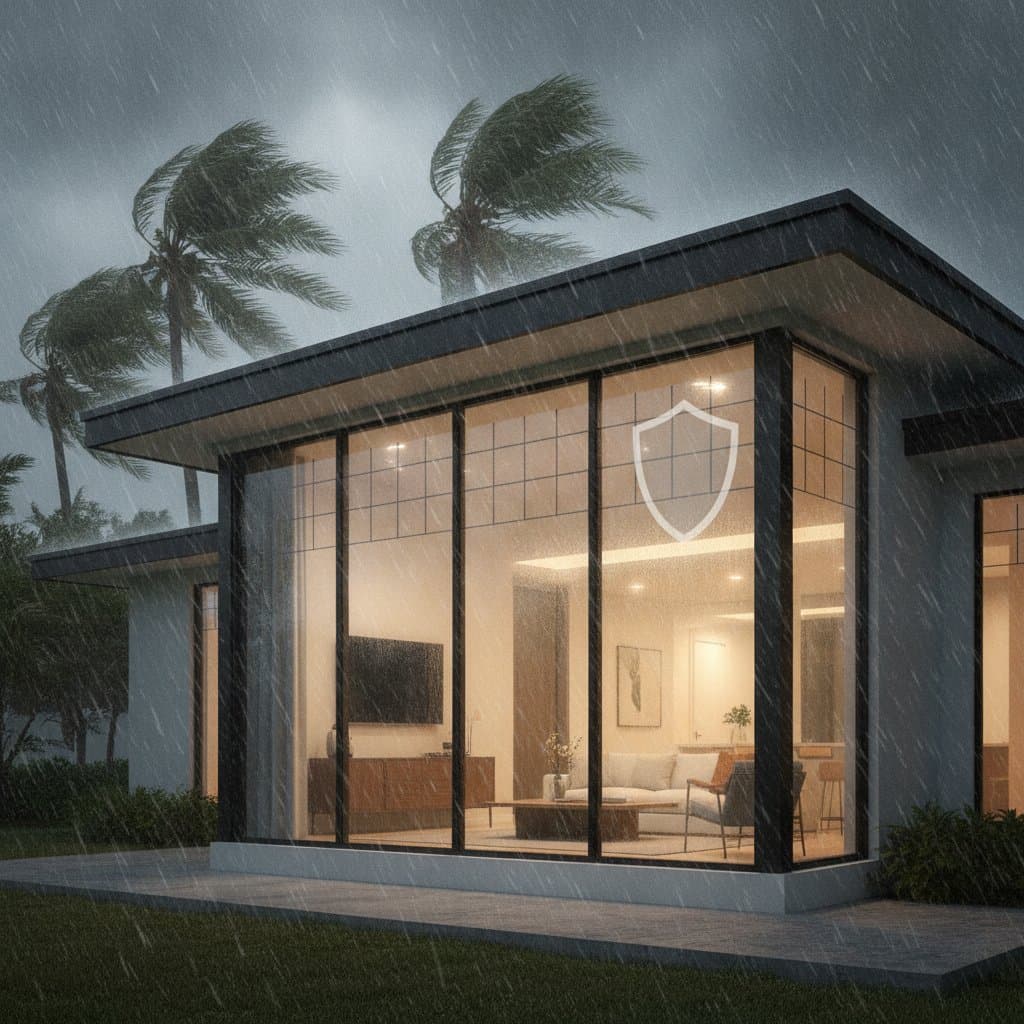
Impact windows deliver strong protection against storms, debris, and high winds while boosting energy efficiency, security, and home value. This guide covers performance details, cost factors, installation steps, code requirements, and maintenance practices to help homeowners select and care for windows that meet current safety standards.
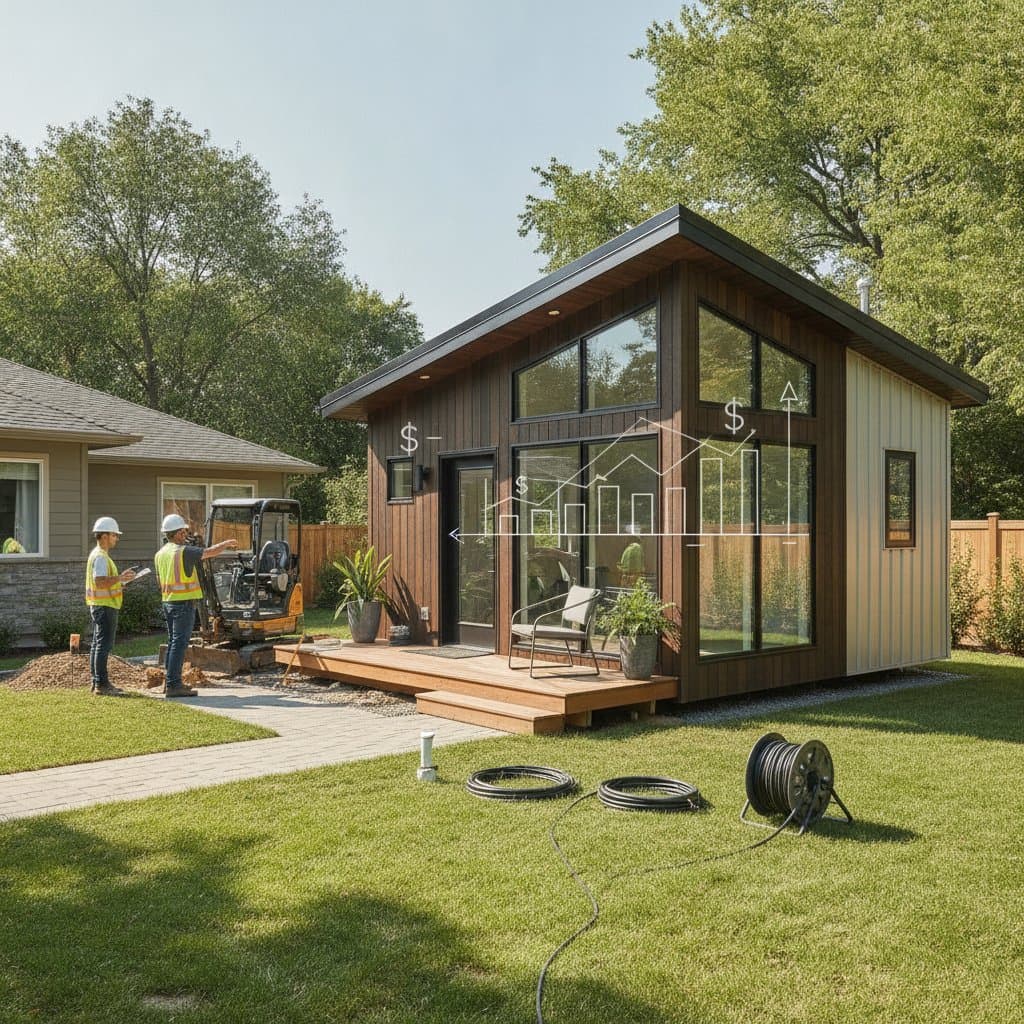
Granny pod and ADU projects range from $80,000 to $250,000 depending on size, site conditions, and utility access. This guide covers cost components, code requirements, and planning steps that help homeowners complete a functional backyard unit.
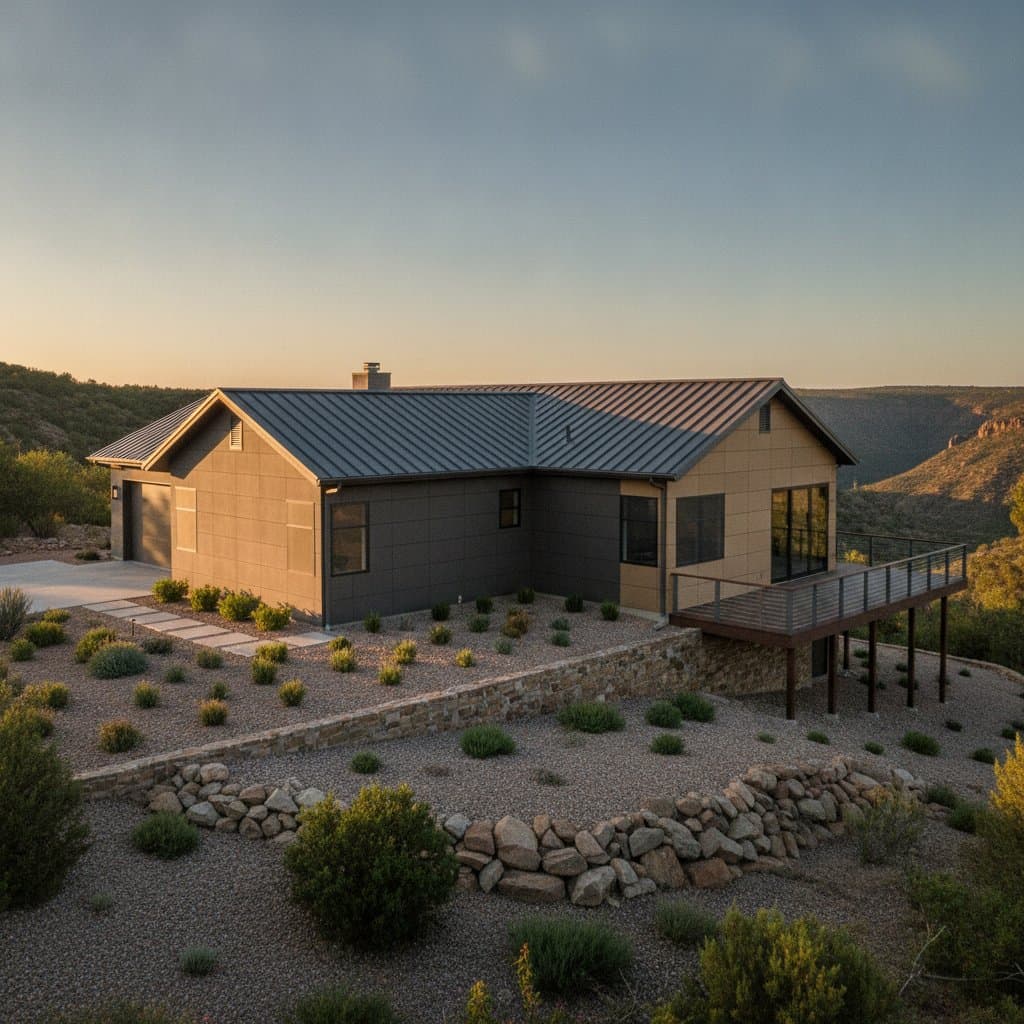
Wildfire resistant home upgrades pay off through lower insurance premiums, higher resale value, and reduced damage risk. Costs range from 5000 to 30000 dollars, and strategic choices often deliver strong returns.
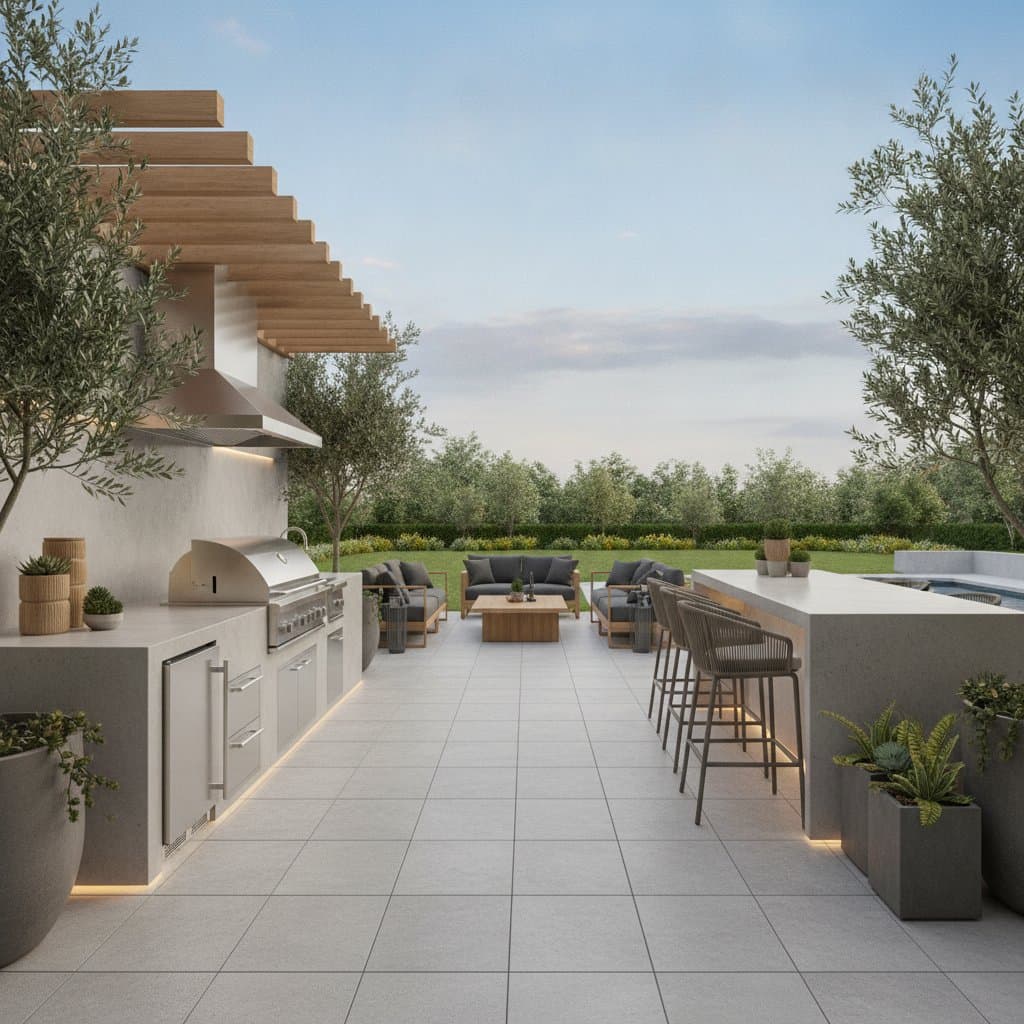
Find out what it costs to build an outdoor kitchen in 2026. Review budget options starting at 5000 dollars, luxury builds reaching 50000 dollars, and the design choices that influence final pricing.
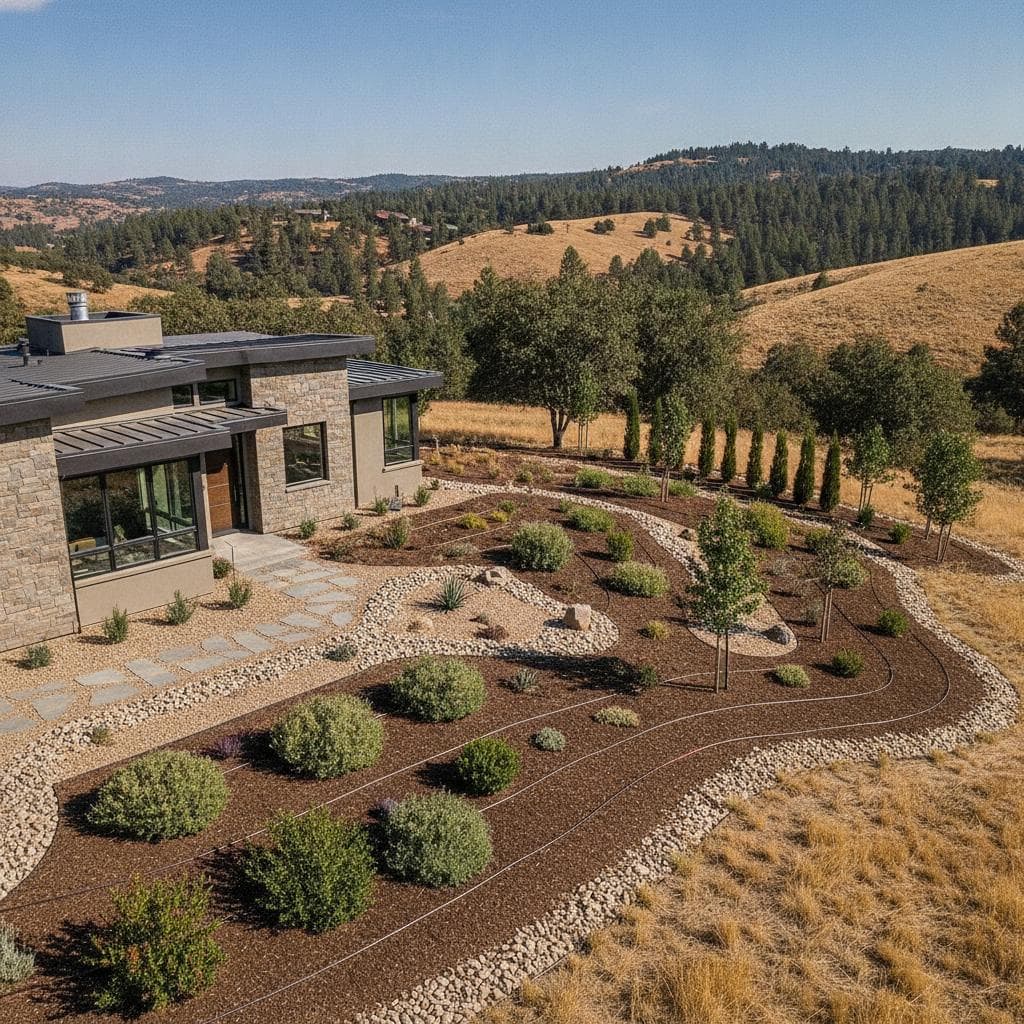
Fire-resistant landscaping creates defensible space that reduces wildfire risk by up to 80 percent. Average projects cost around 7800 dollars. Property size, materials, and terrain determine final pricing. Professional installation improves safety, curb appeal, and long-term value.
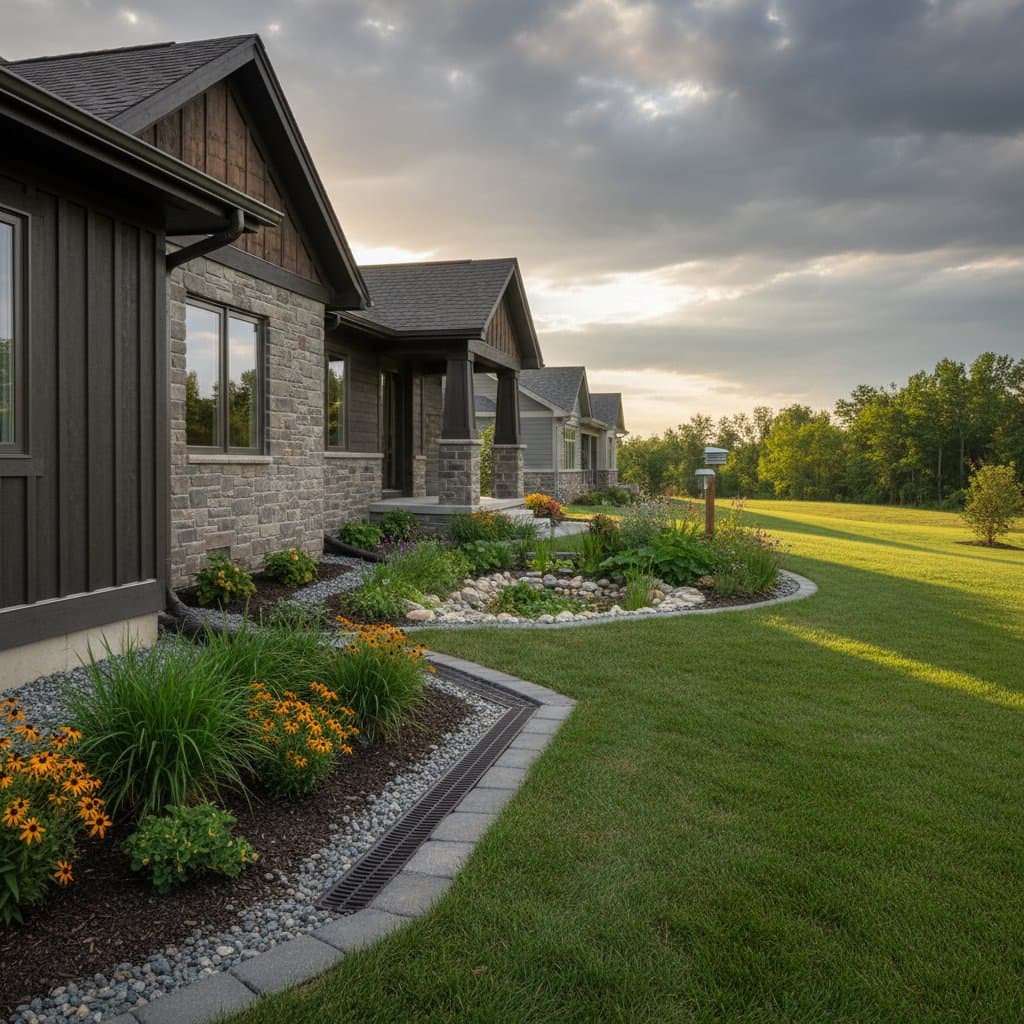
Protect your home from rising water with smart grading, sealing, and drainage solutions. Learn cost effective steps, when to call professionals, and how seasonal maintenance keeps your foundation dry.