How Much Does a Whole-Home Generator Cost? 2026 Pricing Guide
Whole-home generators safeguard families during prolonged power outages by seamlessly restoring electricity upon grid failure. Professional installation for these systems ranges from $5,800 to $14,200, with the average homeowner investing approximately $9,500 for a full setup that encompasses installation and essential site preparation.
Three primary elements shape the total expense: generator capacity, fuel type, and installation complexity. Homes of greater size demand units with higher capacity, which elevate costs, whereas fuel choices impact ongoing efficiency and upkeep expenses. Variations in regional labor rates further influence the overall price, particularly in locales with elevated needs for backup power solutions.
Data from HomeAdvisor and Generac installation networks indicate that a correctly sized standby generator can raise property value by as much as 3 percent and diminish outage-associated losses by 60 percent. Equipment price reductions in 2026 render backup power more approachable, providing homeowners compelling incentives to pursue energy self-sufficiency.
Service Types and Comprehensive Pricing
Basic or Standard Installation
Standard generator installations generally incorporate the following components:
- Site survey and load assessment
- Concrete pad or mounting foundation
- Fuel line connection and transfer switch setup
- Fundamental electrical wiring and performance testing
Such packages require one to two days for completion and range in cost from $5,800 to $9,000, contingent upon generator dimensions. These options fit well for mid-sized residences requiring dependable support for critical functions like heating, illumination, and food preservation.
Premium or Comprehensive Installation
Premium installations extend to:
- Coverage for entire household loads
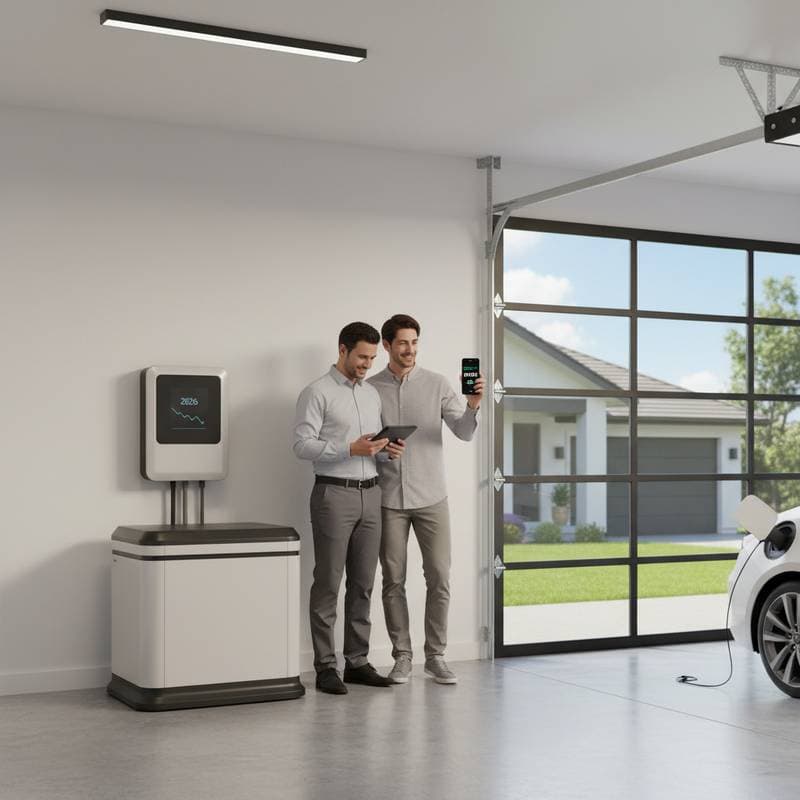
- Intelligent monitoring capabilities
- Noise-attenuating enclosures
- Prolonged warranties and service agreements
These enhancements increase project expenses by 15 to 25 percent, positioning premium costs between $10,000 and $14,200. Households reliant on remote work or sensitive equipment find this level of service particularly advantageous.
Add-On Services Matrix
| Add-On Service | Cost Range | Benefit |
|---|---|---|
| Concrete Pad Upgrade | $400 - $800 | Enhanced stability and vibration dampening |
| Transfer Switch Upgrade | $700 - $1,200 | Quicker automatic power switching |
| Remote Monitoring System | $300 - $600 | Instantaneous operational oversight |
| Annual Maintenance Plan | $250 - $500 | Prolonged durability and warranty extension |
Integrating these add-ons at the time of installation yields savings of up to 10 percent versus individual acquisitions. Resources such as Angi and Thumbtack feature certified professionals who extend bundled incentives, supported by authenticated customer feedback.
Actionable Cost-Saving Strategies
Timing Optimization
Installers observe price reductions of 10 to 15 percent in late winter and early spring, periods of diminished demand. Scheduling during weekdays often lowers labor fees, as specialists provide incentives to occupy open calendar slots.
Smart Shopping Tactics
Obtain a minimum of three estimates from accredited installers. Bid comparisons frequently yield savings exceeding $1,000. Certain vendors offer rebates or prompt payment incentives. Acquiring units amid promotional periods or regional trade gatherings can trim equipment expenses by up to 8 percent.
Preparation Actions
Homeowners lower expenditures by evacuating the installation zone, identifying utility pathways, and readying gas linkages prior to technician arrival. These preparations conserve $300 to $500. Precise dialogue with installers regarding unit positioning and panel accessibility averts postponements that extend billable time.
Market Dynamics and Considerations
Geographic Variations
Installation expenses vary regionally. Urban coastal and northern zones incur 20 to 30 percent premiums from elevated labor and permitting charges. Rural settings may reduce labor outlays but increase costs for fuel transport and service accessibility.
Market Timing
Generator prices have declined 8 to 12 percent within the last year, driven by manufacturing advancements and intensified brand rivalry. Material pricing holds steady, though sporadic labor deficits may elevate localized project rates.
Value Indicators
An adeptly installed generator delivers an average 70 percent return on investment during property sales. Residences in vulnerability zones to severe weather command superior premiums owing to preferences for robust backups. Efficient load oversight further trims annual utility bills by 5 to 10 percent.
Securing Long-Term Reliability Through Strategic Installation
Investing in a whole-home generator transcends mere outage mitigation; it fortifies home resilience and financial protection. By selecting systems aligned with specific needs and leveraging cost-reduction approaches, homeowners achieve sustained peace of mind. Professional execution ensures optimal performance, transforming potential disruptions into seamless continuations of daily life.