Future-Proof Multigenerational Homes for 2026
Constructing or renovating a home to house multiple generations extends beyond simple expansions. The process involves developing adaptable, accessible environments that evolve with family circumstances. Such a home enables aging parents to maintain safety, allows adult children to return without disruption, and facilitates cost-sharing among young families, all while preserving individual privacy and overall comfort.
Quick reference: Effective multigenerational homes integrate communal spaces with secluded areas, apply universal design standards for ease of use, and anticipate changes through modular configurations, energy-saving technologies, and resilient construction materials.
Evaluating Layout Configurations
Various configurations suit distinct family arrangements and site constraints. Consider factors such as initial investment, degree of seclusion, and adaptability when selecting an option.
| Configuration | Overview | Advantages | Disadvantages |
|---|---|---|---|
| Attached Accessory Dwelling Unit (ADU) | Independent living area linked to the primary residence, typically sharing a wall. | Provides substantial seclusion, potential for rental revenue, and increased market appeal. | Involves elevated expenses, regulatory approvals, and possibly distinct utility systems. |
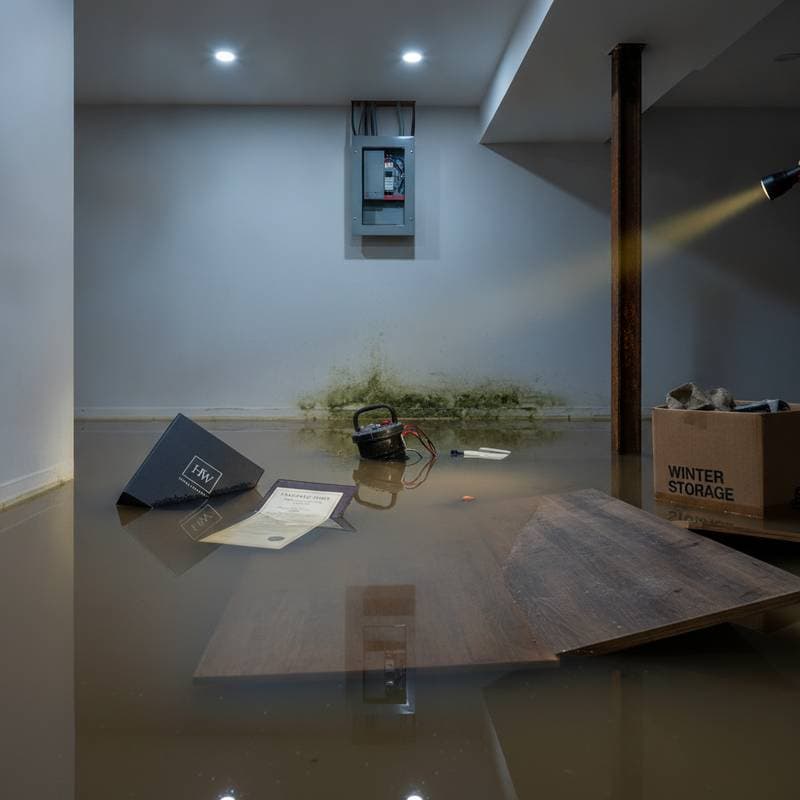
| Basement or Ground-Level Suite | Converted lower space featuring a private entrance, full bathroom, and compact kitchen. | Economical utilization of available square footage. | Often lacks ample daylight; may demand moisture control measures. |
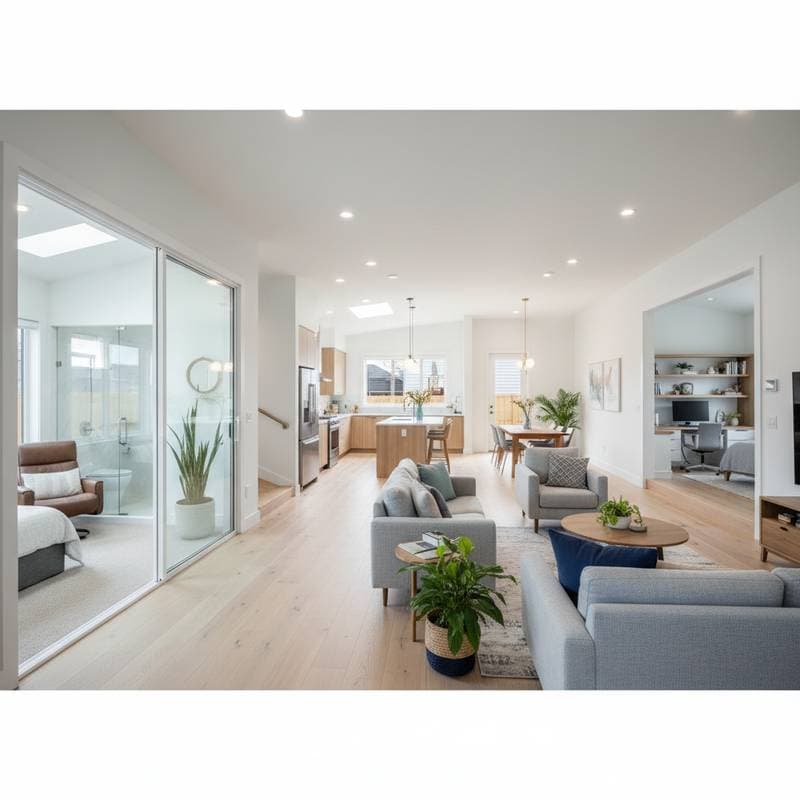
| Primary-Level Suite | Dedicated sleeping and bathing quarters on the ground floor, ideal for seniors. | Promotes mobility and proximity to central activities. | Potentially diminishes expansive communal zones. |
| Detached ADU | Compact, separate structure on the property. | Offers optimal isolation, simplifies future leasing or conversion. | Demands the greatest financial outlay, sufficient land area, and compliance checks. |
| Modular Design | Central kitchen and gathering spaces paired with adjustable dividers or multipurpose rooms. | Permits ongoing reconfiguration at minimal upfront cost. | Compromises seclusion and struggles with sound containment. |
Selection guidance: Opt for attached or detached ADUs when seclusion and autonomy rank highest. Select modular designs for collaborative lifestyles that require periodic adjustments.
Project Timeline and Implementation Sequence
Meticulous scheduling minimizes disruptions and budget overruns. Durations vary based on project scope and local regulations.
Standard progression:
- Assessment and conceptualization: One to two months. Evaluate zoning restrictions, survey current buildings, and finalize spatial arrangements.
- Approval process: One to three months, contingent on municipal reviews.
- Preparation and base construction: Two to four weeks. Clear the site and establish foundations.
- Structural assembly and infrastructure: Four to eight weeks. Integrate wiring, piping, and climate control systems.
- Compliance checks and enclosure: Two to three weeks. Conduct evaluations and install interior walls.
- Completion and installations: Three to six weeks. Apply surface treatments and equip with appliances.
- Final review and move-in: One to two weeks. Secure certifications and prepare for habitation.
Larger endeavors, such as detached units or major extensions, extend schedules. Modest interior modifications typically conclude in several months post-approval.
Essential Materials and Equipment Inventory
Key building components:
- Framing lumber in 2x4 or 2x6 dimensions for sturdy support.
- Dampness-resistant drywall suitable for wet areas.
- Insulating panels or foam applications for thermal barriers.
- Paints and sealants with low volatile organic compounds.
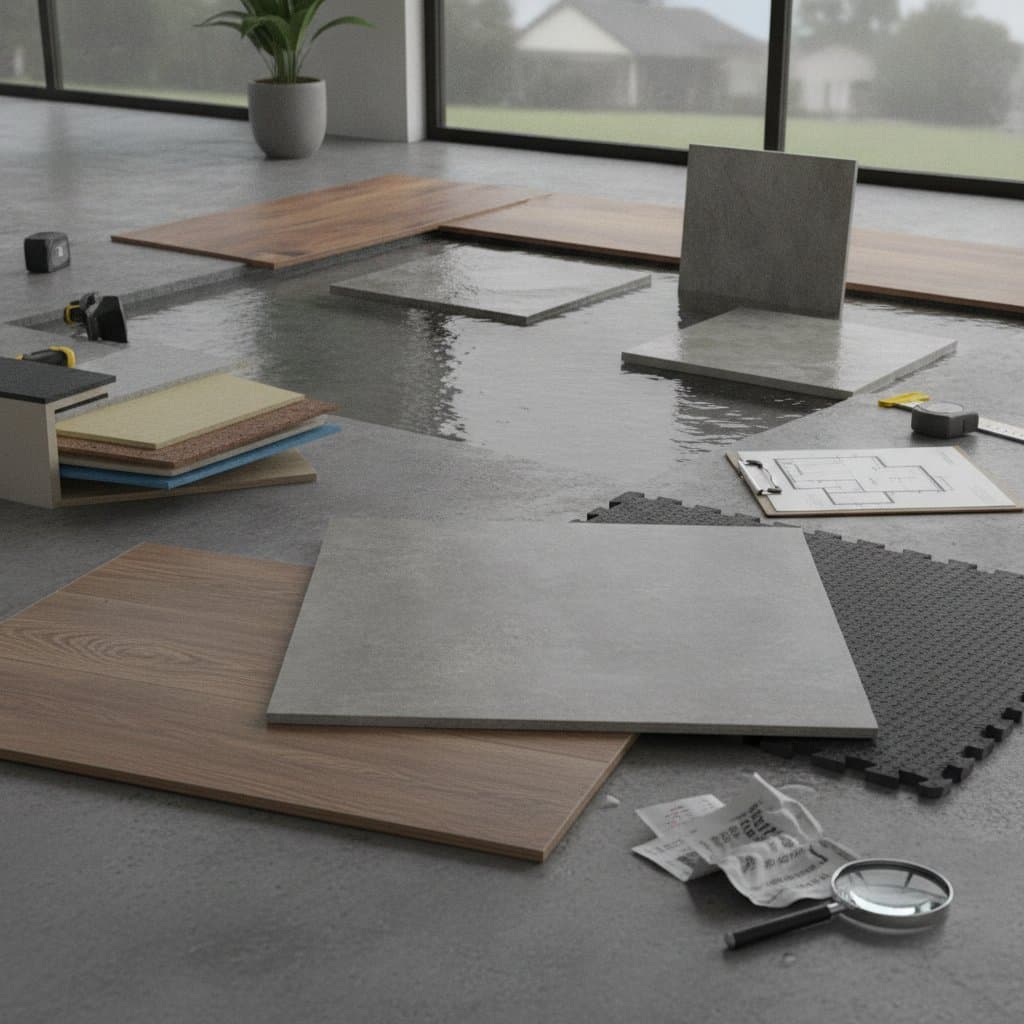
- Resilient flooring options like vinyl planks or ceramic tiles for maintenance ease.
- Accessibility features including lever handles and rocker switches.
- Double-glazed windows rated for energy performance.
Required implements:
- Measuring tape and spirit level for precision.
- Power tools such as circular saws and cordless drills.
- Detection devices for studs and removal tools like pry bars.
- Application devices including caulking guns and painting rollers.
- Personal protective equipment: goggles, hand coverings, respiratory masks, and ear defenders.
Enhancing Energy Performance and Environmental Responsibility
Sustainability in design lowers ongoing expenses and ecological footprint. Targeted improvements yield returns via reduced utility demands and superior indoor quality.
Strategic enhancements:
- Exceed code requirements with comprehensive insulation in walls, ceilings, and subfloors.
- Equip with high-efficiency glazing in windows and entryways.
- Deploy heat pump systems or zoned mini-split units for precise temperature management.
- Incorporate photovoltaic arrays on suitable roof surfaces.
- Install light-emitting diode fixtures activated by motion detectors.
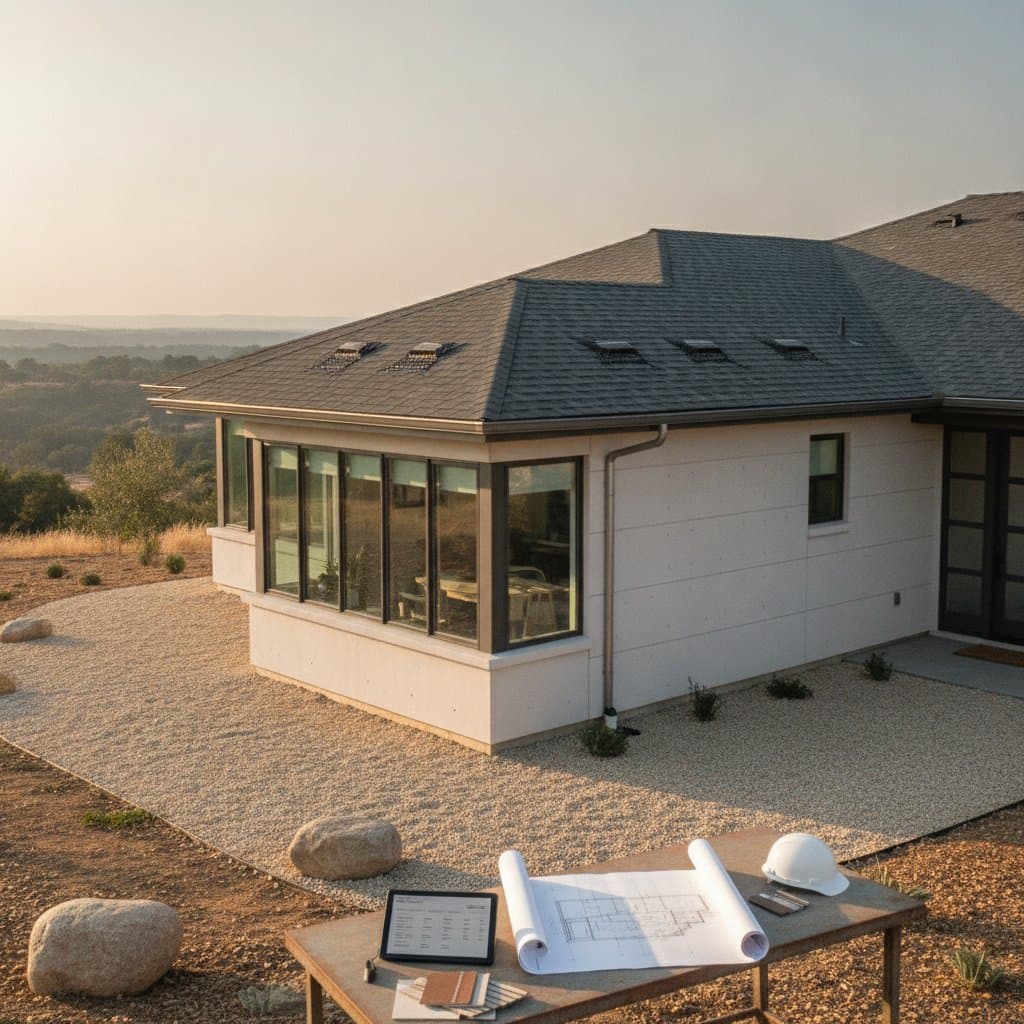
- Select enduring exteriors like fiber-cement panels and synthetic wood alternatives.
Conservation tactics for water:
- Fixtures with reduced flow rates for lavatories and spigots.
- Efficient irrigation systems for external greenery.
- Storage solutions for harvested rainfall, subject to local guidelines.
Enduring advantages: These measures diminish financial burdens, foster serene atmospheres, and promote wellness.
Adapting to Local Conditions and Environments
Tailor specifications to regional weather patterns, utility rates, and normative standards.
- Temperate zones: Emphasize thermal retention through advanced insulation, multi-layered glazing, and airtight seals.
- Warm or moist locales: Integrate heat-reflective barriers, light-colored roofs, and moisture-extracting air circulation.
- Littoral regions: Employ rust-proof hardware and elevated, water-resistant builds.
- Geologically active or weather-vulnerable areas: Strengthen bases and coverings per jurisdictional mandates.
Maximize natural airflow with strategic window placement, incorporate sun-shading elements, and develop exterior zones resilient to seasonal variations.
Overcoming Typical Obstacles
Sound propagation: Mitigate with inter-level insulation and vibration-dampening ceiling mounts.
Utility distribution: Implement metering subdivisions or independent climate controls for equitable monitoring.
Vehicle accommodation: Utilize porous paving materials or expand access routes within regulatory limits.
Seclusion maintenance: Deploy vegetative barriers, boundary enclosures, or angled glazing.
Organization solutions: Embed cabinetry and exploit vertical or concealed storage to prevent disarray.
Proactive resolution of these issues ensures harmonious coexistence from the outset.
Planning Your Multigenerational Residence
Anticipating family trajectories informs every aspect of multigenerational design. Begin by charting current and prospective occupants, then pinpoint zones for solitude versus interaction.
For existing properties, assess convertible areas like attics, outbuildings, or oversized bedrooms prior to expansion plans. These adaptations often prove more affordable than ground-up builds.
View the endeavor as an enduring commitment to well-being and interdependence. A strategically crafted home nurtures collective routines, reciprocal support, and economic stability, adapting seamlessly across life phases while retaining utility and appeal.