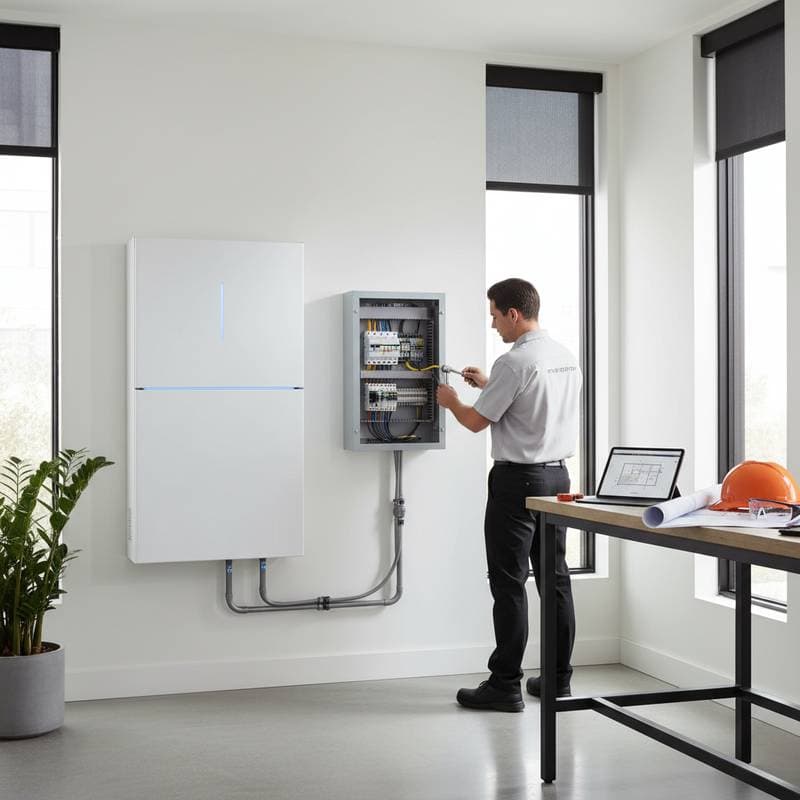
Understanding Home Battery Systems
Home battery systems provide reliable backup power by storing electricity from solar panels or the utility grid. These systems release stored energy during outages to keep essential circuits operational. For capacities between 10 and 20 kilowatt-hours, such systems support typical household needs without excessive investment.
Planning involves assessing daily energy use, outage frequency, and integration with existing solar setups. A well-sized battery ensures lights, refrigeration, and communication devices remain functional. Professional guidance helps align the system with local electrical codes and safety standards.
Benefits and Limitations
Home batteries offer several advantages for energy resilience. They maintain power to critical circuits when the grid fails, enabling continuity for daily routines. Unlike fuel-based generators, these systems operate silently without emissions or refueling requirements. Integration with solar panels allows excess daytime generation to charge the battery, reducing utility bills through peak shaving and time-of-use optimization.
However, limitations exist. Initial costs range from $8,000 to $15,000 for 10-20 kWh systems, excluding installation. Capacity constraints mean heavy appliances like air conditioners or electric water heaters may exceed runtime, requiring careful load management. Compliance with electrical codes demands skilled wiring to prevent hazards.
These systems suit homes in areas prone to storms or rolling blackouts. They complement solar installations by storing renewable energy for evening use. Households with remote workers or medical equipment benefit most from uninterrupted power.
Sizing Your Battery: What 10-20 kWh Can Power
Battery capacity determines runtime for connected loads. A 10 kWh system typically powers essentials such as lighting, a refrigerator, and a few outlets for 8 to 12 hours, assuming 1 kW total draw. This covers basic needs like food preservation and device charging during short outages.
Scaling to 20 kWh extends support to additional devices, such as a sump pump or home office setup, for similar durations under moderate loads. For example, running a 500-watt TV, 200-watt router, and 100-watt LED lights totals under 1 kW, allowing full-day operation. Avoid connecting high-draw items like dryers, which can deplete capacity in minutes.
Calculate needs by listing priority appliances and their wattage. Multiply by desired hours of backup to determine minimum kWh. Factor in 80% depth of discharge for battery health, meaning a 10 kWh unit delivers about 8 kWh usable energy. Consult load calculators from manufacturers for precise estimates.
Step-by-Step Installation Process
Installation requires careful preparation to ensure safety and efficiency. Begin by evaluating the site for accessibility and structural support. Allocate space near the main electrical panel to minimize wiring runs.
Site Preparation
Identify a location with stable mounting surface, such as a garage wall or concrete pad. Verify the area remains dry and ventilated, away from direct sunlight or flooding risks. Plan conduit paths to route cables from the battery to the inverter and subpanel without obstructing pathways.
Mounting the Battery
Secure the unit using manufacturer-provided brackets rated for 200 to 400 pounds. Drill pilot holes into studs or the pad, then fasten with corrosion-resistant hardware. Level the battery to prevent stress on connections, completing this phase in approximately two hours.
Electrical Connections
Disconnect the main breaker and verify no voltage with a multimeter. Route DC cables from the battery to the inverter, applying torque to terminals per specifications. Connect the inverter output to a dedicated critical loads subpanel, isolating essentials from the main grid.
Testing and Commissioning
Re-energize the system and program charge cycles via the inverter interface. Simulate an outage to confirm automatic transfer within seconds. Measure voltage and current across phases to ensure balance and compliance. This final step verifies full functionality.
A certified electrician typically completes the process in one to two days. Account for permit processing, which may extend the timeline by a week. Adhere to personal protective equipment protocols, including insulated gloves and safety glasses, throughout.
Common Pitfalls and Prevention Strategies
Undersizing leads to premature depletion during extended outages. Assess historical blackout durations in your area and add a 20% buffer to capacity calculations. For instance, if essentials require 1.5 kWh per hour, a 10 kWh battery supports only 5 to 6 hours at full load.
Selecting incorrect circuits overloads the system. Designate the subpanel for low-draw items only, such as refrigerators under 800 watts or fans. Route non-essentials like electric ranges to the main panel to preserve battery life.
Inadequate ventilation causes overheating, reducing efficiency and lifespan. Install in spaces with at least 6 inches of clearance around vents, maintaining temperatures below 100 degrees Fahrenheit. Monitor with built-in sensors and add exhaust fans if necessary.
Bypassing permits risks fines, insurance denials, or home sale complications. Submit plans to local authorities detailing system specs and wiring diagrams. Schedule inspections post-installation to certify code adherence.
DIY Installation Versus Professional Services
Evaluate readiness using a structured approach before attempting DIY work.
- Confirm proficiency in handling 240-volt AC and high-voltage DC circuits, including schematic interpretation.
- Recognize risks of arcing or electrocution; defer to professionals if experience gaps exist.
- Ensure access to specialized tools like torque wrenches and conduit benders.
DIY efforts suit preparatory tasks: clearing the installation area, installing mounting hardware, and routing conduit. Professional electricians handle wiring integrations, subpanel configuration, and system commissioning to safeguard warranties and pass inspections.
Engaging experts minimizes errors and accelerates approval processes. Verify credentials through state licensing boards and review portfolios of similar projects.
Pre-Installation Readiness Checklist
| Category | Items |
|---|---|
| Tools Required | Drill with bits, stud finder, torque wrench, conduit bending set |
| Skills Required | Electrical basics, structural mounting, load calculation |
| Safety Gear | Insulated gloves, safety goggles, voltage tester |
| Permits Needed | Electrical permit, energy storage approval from local utility |
| Preparation Tasks | Measure site dimensions, verify panel amperage capacity, map loads |
| Site Constraints | Flat, dry surface; temperatures between 50 and 90 degrees Fahrenheit |
Selecting a Qualified Contractor
Obtain bids from at least three licensed electricians specializing in solar and storage. Request itemized quotes covering labor, materials, and timelines. Compare warranties, typically 10 years for batteries, and references from recent installations.
Prioritize contractors familiar with your system's brand for seamless integration. Discuss post-install support, including monitoring apps and annual checks. Finalize agreements in writing to outline scope and contingencies.
Maintaining Peak Performance
Regular upkeep extends system longevity beyond a decade. Inspect connections quarterly for corrosion or looseness, tightening with a torque wrench. Clean vents to prevent dust buildup, which impedes cooling.
Monitor battery health through integrated software, tracking charge cycles and state of charge. Schedule professional servicing annually to test inverter function and firmware updates. Replace fuses or modules as indicated by diagnostics.
Track energy usage patterns to optimize settings, such as prioritizing solar charging during peak production. These practices ensure reliable operation, maximizing return on investment through sustained efficiency and outage protection.