Future-Proof Multigenerational Home Designs for 2026
The Future of Family Living Starts at Home
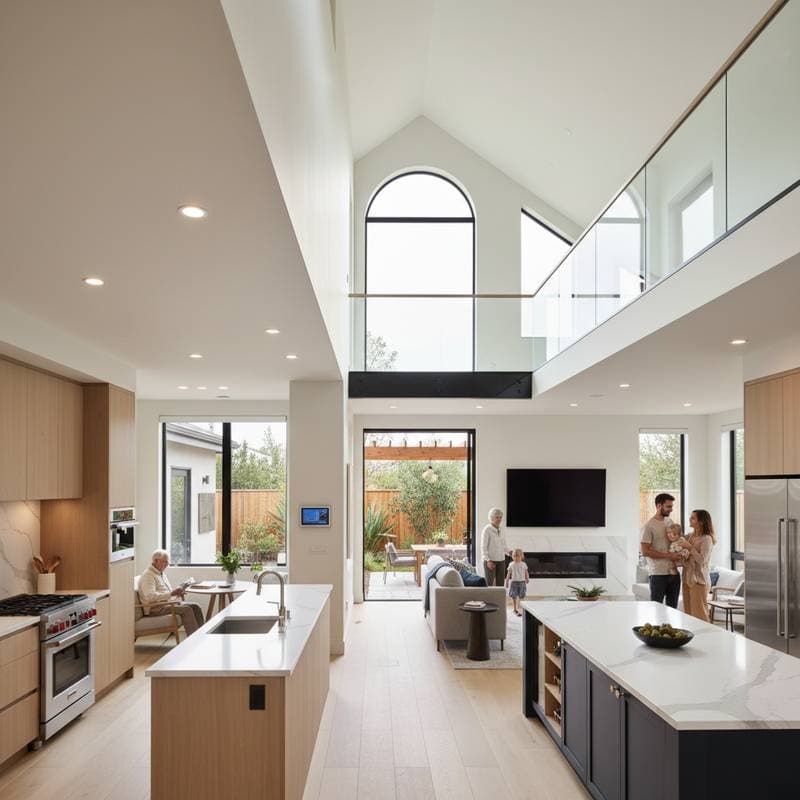
Multigenerational home design reshapes family interactions by fostering shared care across generations. Construction or renovation for such shared spaces ranges from $180,000 to $420,000, with the average investment at $275,000 for a complete dual-living configuration.
Three primary elements determine the total expense: square footage, degree of household independence, and customized accessibility options. Local material costs and zoning regulations further impact the budget. Data from the National Association of Home Builders indicates that thoughtfully designed multigenerational homes raise property value by more than 25 percent over standard single-family dwellings.
A forward-looking design promotes comfort, privacy, and flexibility for all residents. Proper planning allows one property to accommodate aging parents, returning adult children, and expanding families while preserving individual autonomy. Savvy owners adopt these approaches to guarantee sustainable living and optimize financial returns for years ahead.
Detailed Cost Breakdown
Primary Pricing Structure
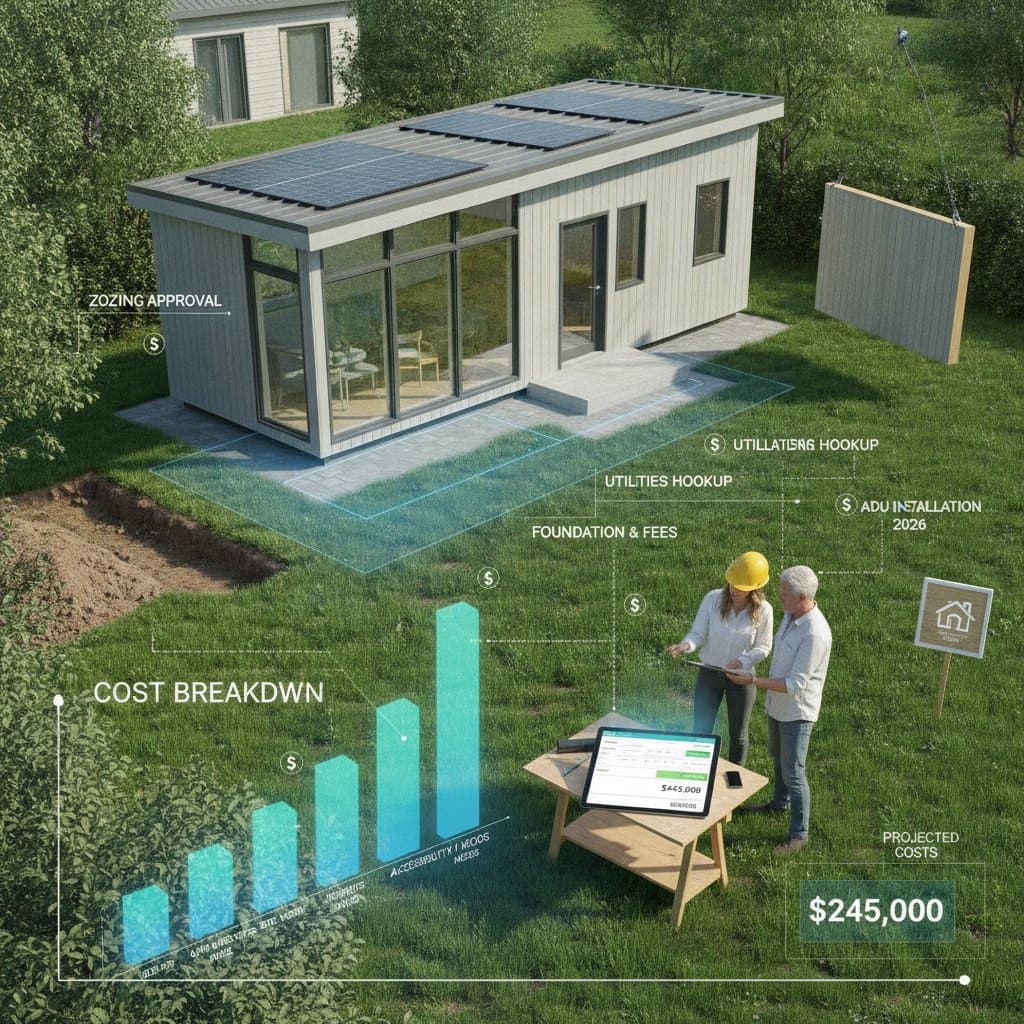
Multigenerational projects base costs on square footage. Expect $150 to $350 per square foot, varying by finish quality, accessibility requirements, and whether the work involves new builds or extensive renovations. Incorporating a separate accessory dwelling unit (ADU) begins at $120,000 for a simple version and surpasses $300,000 for upscale models with complete kitchens and independent access.
Design and planning fees start at $10,000 to $15,000. At the lower end, modest conversions sharing kitchen facilities total about $180,000. Average mid-level endeavors hit $275,000, whereas expansive luxury setups approach $420,000.
Size and Scope Factor
Project scale drives expenses upward. Adding 100 square feet typically incurs an extra $20,000 for materials and workmanship. Transforming a 400-square-foot basement into a secluded suite costs $60,000 to $80,000, while a 600-square-foot standalone ADU exceeds $160,000.
HomeAdvisor reports that full second-story extensions average $200 to $275 per square foot, ideal for lots with constrained outdoor areas.
Material and Quality Tiers
Entry-level options rely on durable basics like vinyl flooring, laminate counters, and simple cabinetry, priced at $150 per square foot. These suit temporary or rental arrangements effectively.
Mid-range selections incorporate quartz countertops, engineered hardwood flooring, and efficient windows from brands such as Andersen or Pella. Budget around $225 to $275 per square foot for these customizable setups, which last 15 years with minimal upkeep.
Premium constructions employ high-end elements including natural stone surfaces, fixtures from Kohler or Brizo, and seamless smart-home integrations. These run $325 to $350 per square foot, with structural warranties extending to 30 years for enhanced resale appeal and resident satisfaction.
Complexity Variables
Factors like accessibility needs, terrain challenges, and permitting processes alter costs. Sloped sites or aging foundations demand reinforcements costing $10,000 to $25,000. Modernizing plumbing and electrical to code compliance adds 5 to 10 percent to the overall sum.
Urban areas such as Los Angeles or Seattle command 20 percent higher labor rates than rural locales. Licensed contractors on platforms like Reddit's r/HomeImprovement suggest early planning and efficient permitting to cut project time and expenses by up to 8 percent.
Service Types and Comprehensive Pricing
Basic or Standard Package
Standard configurations feature:
- A communal kitchen and living space
- One dedicated bedroom with an accessible bath
- Joint laundry facilities and entry adjustments
- Basic site work and utility enhancements
These undertakings span 10 to 14 weeks and range from $180,000 to $230,000. Families seeking close support without total isolation, like grandparents aiding with childcare or grown children in short-term stays, find these ideal.
Premium or Comprehensive Package
Advanced packages deliver complete autonomy via distinct kitchens, independent heating and cooling, and private entrances. They integrate superior insulation, automated lighting, and full home systems. Prices fall between $300,000 and $420,000, representing a 25 to 40 percent increase over basics.
Investors often realize 15 to 20 percent returns via rentals or heightened market demand. On ample properties, a separate ADU generates income alongside family utility.
Add-On Services Matrix
| Add-On Service | Average Cost | Savings When Bundled | Value Benefit |
|---|---|---|---|
| Exterior accessibility ramp | $3,500 | 10% | Improves mobility access |
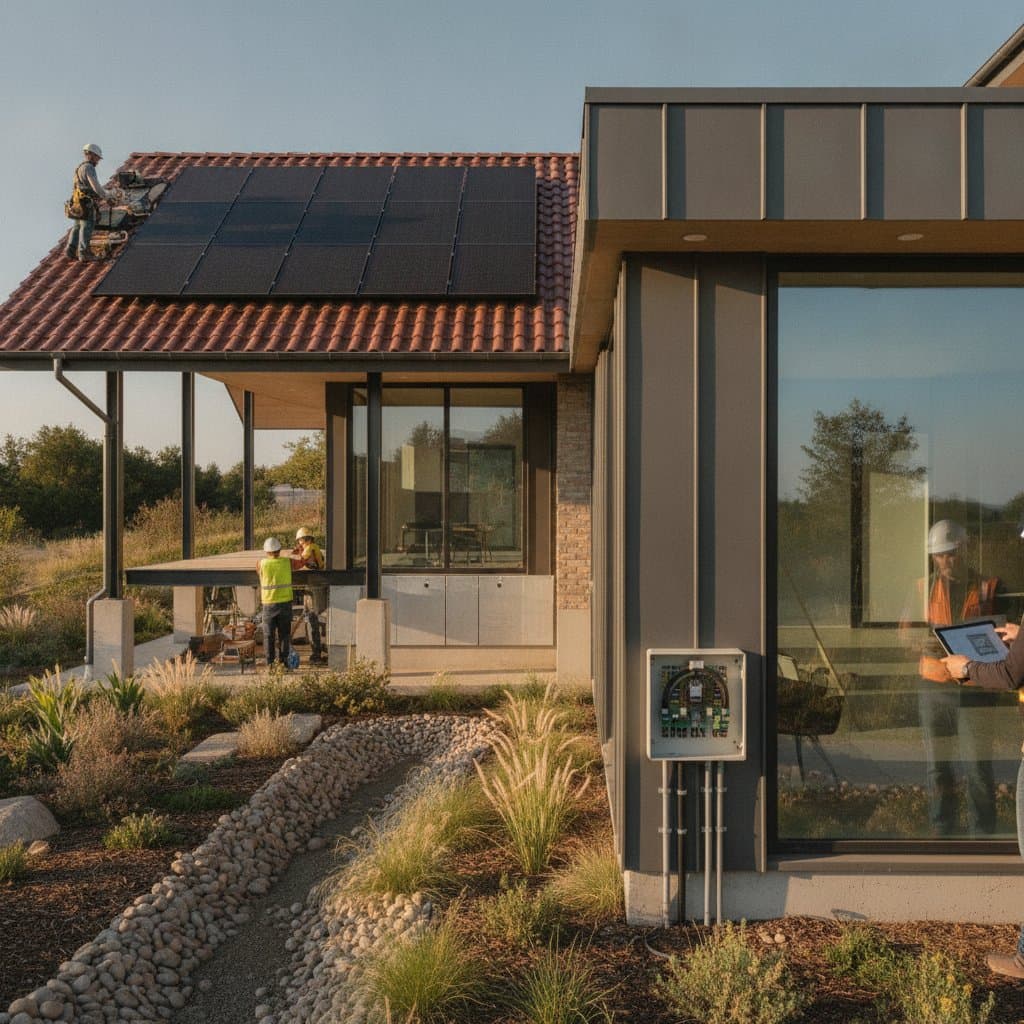
| Solar system integration | $12,000 | 8% | Reduces long-term energy costs |
| Soundproofing upgrades | $4,800 | 12% | Enhances privacy between units |
| Landscaping redesign | $7,000 | 15% | Increases curb appeal and usability |
Platforms like Houzz or Thumbtack facilitate quote comparisons and bundled savings up to 12 percent.
Professional vs. DIY Analysis
DIY Cost Breakdown
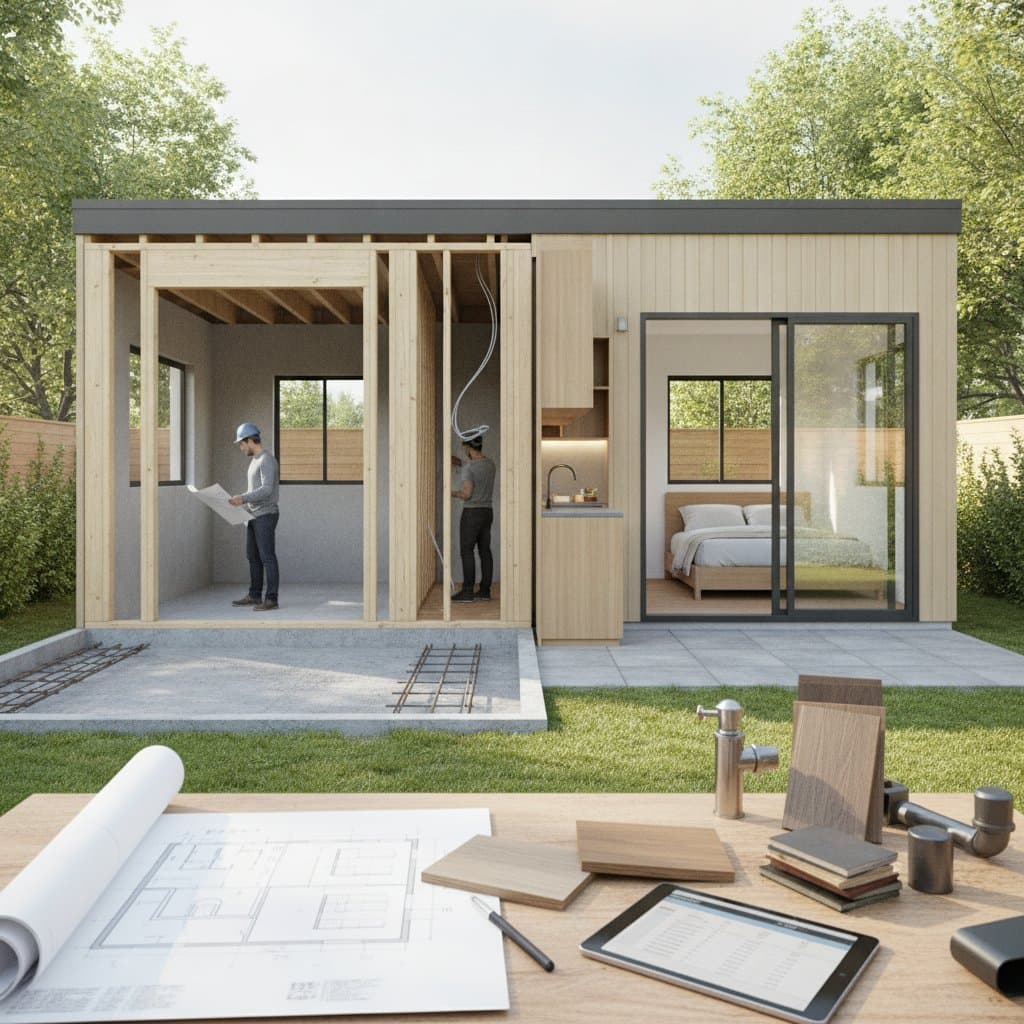
Certain owners tackle elements like basement completions or garage conversions independently. Essential materials encompass:
- Framing lumber and drywall: $4,500
- Flooring and trim: $2,200
- Paint and supplies: $600
- Basic IKEA kitchen assembly: $6,000
- Bathroom fixtures and plumbing: $3,500
Tools or rentals contribute another $2,000, pushing totals to $18,000 to $25,000 without labor. Such efforts demand 400 to 600 hours and pose risks in electrical or structural tasks absent expert review. Unforeseen issues like permits or corrections inflate costs by 20 percent.
Professional Advantages
Engaging certified professionals guarantees adherence to codes, warranties, and superior execution. They provide equipment worth $10,000 or more, unavailable to most individuals. Professional timelines conclude 40 percent quicker, avoiding extended disruptions.
The added expense of $25,000 to $40,000 yields error-free results and sustained safety.
Decision Framework
Opt for experts on projects with structural alterations, plumbing, or utility integrations. Reserve DIY for minor aesthetic tweaks or simple adaptations. Error rectification often surpasses any economies, particularly with inspection failures necessitating rebuilds. For enduring quality and loan qualifications, professional execution proves essential.
Actionable Cost-Saving Strategies
Timing Optimization
Schedule during off-peak seasons for 5 to 10 percent contractor reductions due to reduced demand. Midweek starts optimize crew efficiency and lower labor fees. Steer clear of summer highs, when supplies escalate and approvals delay.
Smart Shopping Tactics
Secure three detailed bids and insist on line-item specifics. Deposit during sales to fix material rates. Rebates on efficient appliances and heaters reclaim up to $2,000. Local suppliers frequently equal online deals with superior logistics.
Preparation Actions
Pre-work tasks like furniture relocation, plant trimming, or floor demolition save $3,000 to $5,000. Employ project management apps for transparent contractor dialogue, minimizing overruns and disputes.
Market Dynamics and Considerations
Geographic Variations
Coastal regions incur 18 to 25 percent surcharges on labor and goods. Midwest and southern markets provide baseline savings, though approvals lag. Rural scarcity of tradespeople introduces scheduling hurdles and mileage charges.
Market Timing
Supply disruptions and inflation affect budgets. Trade wage hikes of 10 to 15 percent for specialists like electricians persist amid shortages. Lock in agreements pre-peak to control costs.
Value Indicators
Strategic multigenerational designs lift property worth 20 to 25 percent, per Zillow and Redfin insights. Efficient setups and inclusive features curb upkeep and health expenses for seniors. These properties attract broader buyers and transact swiftly.
Strategies to Maximize Long-Term Value
Integrate universal design principles from the outset, such as wide doorways and lever handles, to future-proof against mobility needs without retrofits. Prioritize energy-efficient systems like LED lighting and high-R-value insulation to slash utility bills by 20 to 30 percent annually.
Incorporate flexible spaces, like convertible rooms for offices or guest areas, to adapt to life changes. These elements not only enhance daily living but also position the home for premium resale in evolving markets. Families who invest thoughtfully secure both immediate functionality and lasting financial gains.