Understanding the Rising Flood Risks
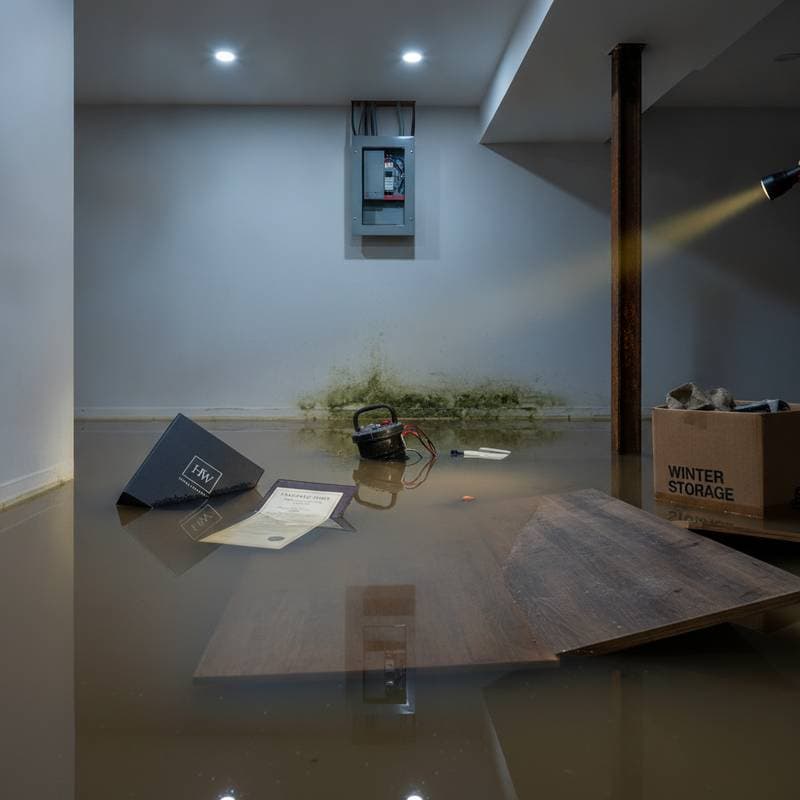
Flood events have increased in frequency and severity over recent years, driven by climate patterns and urban expansion. Experts predict that by 2026, many regions will face heightened threats from heavier rainfall and rising sea levels. Homeowners who act now can significantly reduce potential damage, preserving both property and finances.
The financial impact of floods remains staggering, with average repair costs exceeding tens of thousands of dollars per incident. Prevention focuses on redirecting water away from structures before it infiltrates. This approach not only safeguards foundations and interiors but also maintains structural integrity over time.
Assessing Your Property's Vulnerabilities
Begin by evaluating your home's exposure to water intrusion. Inspect the terrain around your foundation for low-lying areas that collect runoff during rain. Check for cracks in walls, poor window seals, and inadequate gutter systems that fail to channel water effectively.
Professional assessments often reveal hidden risks, such as soil compaction issues or nearby water sources. Use simple tools like a level to identify slopes directing water toward your home. Document these findings to prioritize interventions based on urgency and cost.
Implementing Effective Site Grading
Proper grading ensures water flows away from your foundation, preventing pooling and erosion. Aim for a slope of at least six inches over the first ten feet surrounding your home. Regrade soil or add fill material to achieve this uniform downward pitch.
In sloped yards, install swales or berms to guide excess water laterally. Compact the soil after adjustments to avoid settling, which could reverse your efforts. Regular checks confirm that grading remains effective, especially after heavy storms or landscaping changes.
Enhancing Drainage Systems
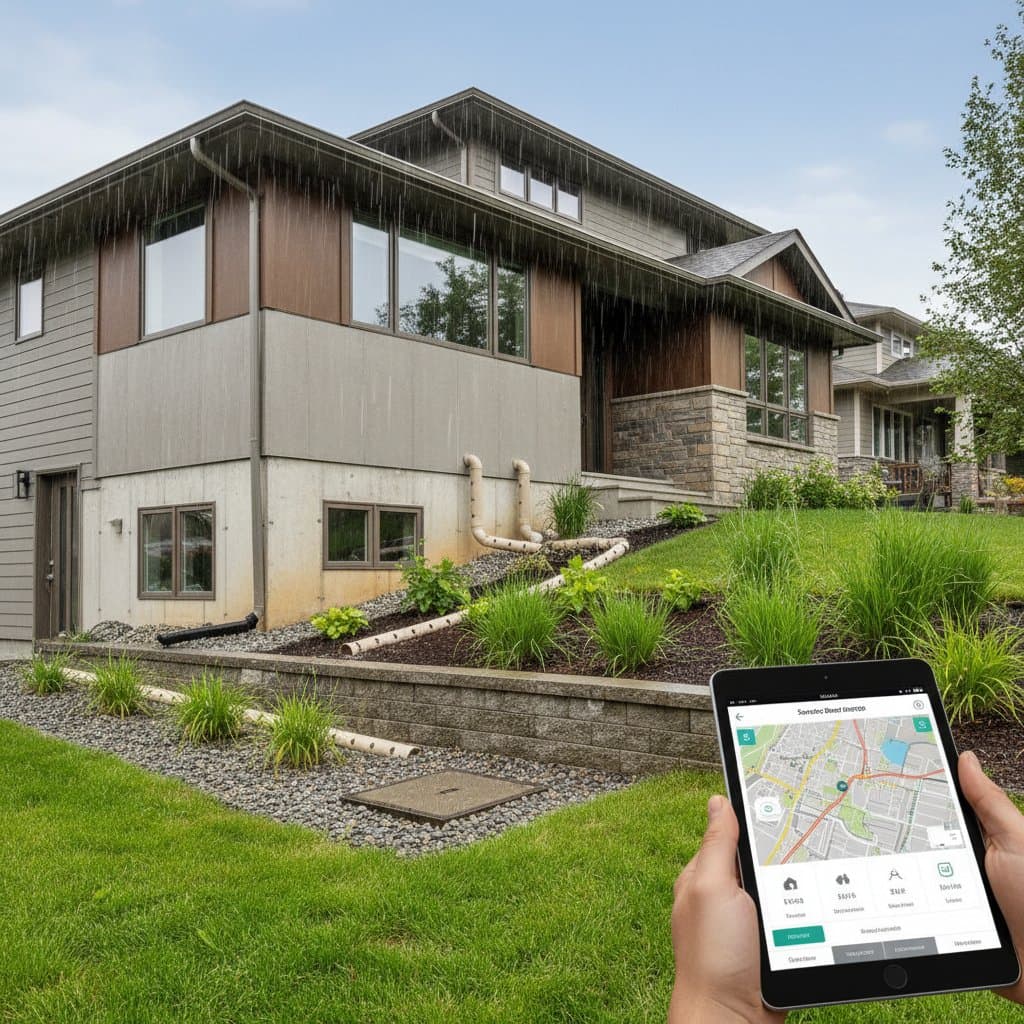
Robust drainage diverts stormwater efficiently, reducing saturation around your property. Install French drains along vulnerable edges, consisting of perforated pipes buried in gravel trenches. These systems collect and redirect underground water to safe outlets like storm sewers.
Extend downspouts at least five feet from the foundation and connect them to splash blocks or underground lines. Clean gutters annually to prevent clogs that overflow onto siding and erode soil. For larger properties, consider dry wells to absorb excess moisture without overwhelming municipal systems.
Sealing and Waterproofing Foundations
Waterproofing creates a barrier against moisture penetration. Apply exterior sealants to foundation walls, focusing on masonry surfaces prone to absorption. Use hydraulic cement for patching cracks wider than a hairline, ensuring a watertight bond.
Interior solutions include installing a drainage membrane behind basement walls, paired with a sump pump for active removal. Seal joints around utility entries and windows with silicone caulk rated for outdoor use. These measures combine to form a comprehensive shield, minimizing seepage during prolonged wet periods.
Installing Sump Pumps for Active Defense
Sump pumps serve as a critical line of defense in flood-prone basements. Choose a submersible model with battery backup to operate during power outages. Position the pit in the lowest area, connecting it to a discharge pipe that extends beyond the foundation's drip line.
Test the pump monthly by pouring water into the sump basin and observing activation. Alarms notify of failures, allowing prompt repairs. For high-risk areas, dual-pump systems provide redundancy, ensuring continuous operation under extreme conditions.
DIY Options Versus Professional Services
Many preventive tasks suit DIY efforts, such as clearing gutters or applying basic sealants, requiring minimal tools and offering immediate results. These approaches save on labor costs while building homeowner confidence in maintenance. Follow manufacturer guidelines to achieve durable outcomes without specialized equipment.
However, complex installations like French drains or foundation waterproofing demand professional expertise to avoid errors that worsen vulnerabilities. Contractors bring knowledge of local codes and soil types, ensuring compliance and longevity. Budget for consultations to weigh benefits against the investment in skilled labor.
Regional Strategies for Tailored Protection
Flood dynamics vary by geography, influencing the best protective measures. In coastal zones, elevate structures on pilings and incorporate breakaway walls to dissipate wave energy. Inland areas prone to river overflow benefit from levees and flood vents in crawl spaces.
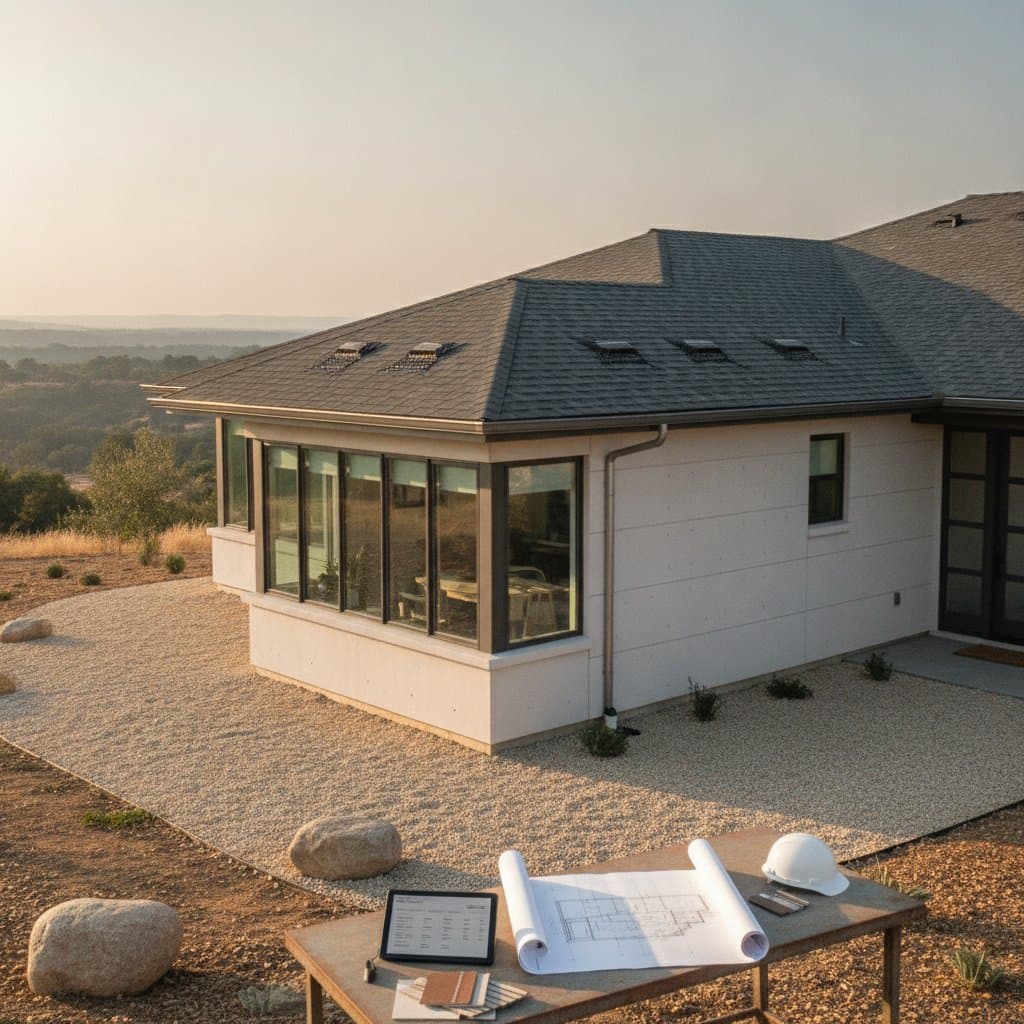
Arid regions focus on flash flood mitigation through reinforced channels and debris barriers. Urban settings emphasize permeable pavements to reduce surface runoff. Consult local flood maps to customize strategies, aligning with community resources and regulations specific to your locale.
Establishing Maintenance Schedules
Ongoing care sustains flood defenses year-round. Schedule bi-annual inspections of grading, drains, and seals, adjusting for seasonal wear. Winterize systems by clearing leaves and ensuring pumps remain operational before rainy seasons arrive.
Track water levels after storms to detect subtle shifts in performance. Replace filters in sump systems quarterly and reseal cracks as they appear. This routine vigilance prevents minor issues from escalating, extending the lifespan of your investments.
Building Long-Term Resilience
Investing in flood protection yields peace of mind and substantial savings over time. Properties fortified against water intrusion maintain higher values and require fewer emergency interventions. Communities that prioritize these measures collectively reduce broader disaster impacts.
Start with a vulnerability assessment today to map out your plan. Each step contributes to a safer, more resilient home ready to withstand 2026's challenges. The effort now translates directly to security and stability in the face of unpredictable weather.