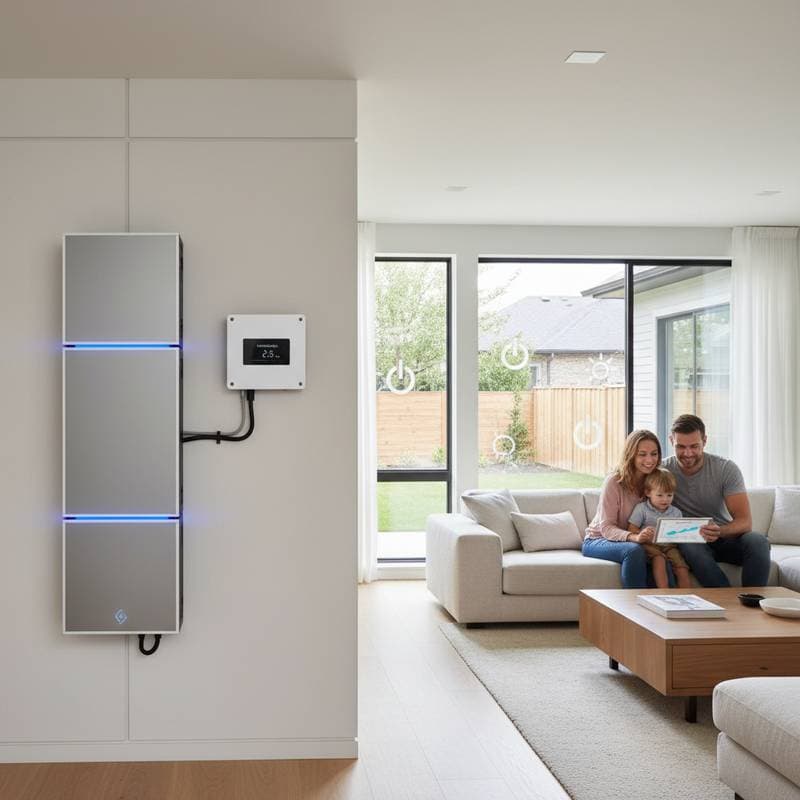
Understanding DIY and Professional Installation
Homeowners considering solar battery systems must decide between handling preliminary tasks themselves and relying on professionals for critical work. This choice affects safety, efficiency, and warranty validity. Professional involvement ensures compliance with electrical codes and optimal performance.
Tasks Suitable for Homeowners
Homeowners can undertake several preparatory steps to streamline the installation process.
- Select and clear a suitable location near the main electrical panel, ensuring adequate space for the battery unit.
- Evaluate the compatibility of the existing solar inverter with battery integration by reviewing manufacturer specifications.
- Solicit detailed quotes from multiple contractors, verifying that each includes breakdowns for hardware, labor, and permitting fees.
These actions allow individuals to contribute effectively while reserving complex elements for experts.
Essential Professional Responsibilities
Solar battery systems integrate directly with the home's electrical service and solar array, demanding expertise in wiring and system configuration. Licensed electricians trained in the National Electrical Code (NEC) and local regulations perform this work to prevent hazards such as electrical shorts or fires. For grid-tied systems, professionals coordinate necessary inspections prior to activation, safeguarding both functionality and warranty terms.
Key Safety and Compliance Considerations
Safety remains paramount when installing solar batteries, as errors can lead to severe consequences.
- Refrain from opening or relocating lithium-ion batteries independently, since damaged cells pose ignition risks.
- Avoid any attempts to connect to the main electrical panel without qualified supervision.
- Adhere strictly to manufacturer recommendations for spacing and ventilation to maintain thermal regulation.
- Verify that the chosen installer submits all required permits to local authorities.
- Position fire extinguishers suitable for electrical incidents in proximity to the installation site.
Compliance with these measures protects residents and upholds system integrity.
Preserving Warranty and Access to Support
Solar batteries typically feature a 10-year warranty contingent upon correct installation and operation. Any unauthorized modifications risk nullifying this protection. Homeowners should register the system through the professional installer upon completion to activate full support services.
Guide to Hiring and Project Execution
Selecting the right contractor forms the foundation of a successful solar battery installation. A structured vetting process helps identify reliable partners capable of delivering tailored solutions. Clear agreements on project scope and payments further minimize risks and ensure smooth progress.
Comprehensive Contractor Evaluation
Use this checklist to assess potential installers thoroughly.
- Verify possession of a valid state electrical license and comprehensive liability insurance.
- Confirm NABCEP certification, which demonstrates specialized training in solar technologies.
- Request references from recent local projects completed within the last year.
- Review the proposed system design, encompassing load analysis, battery capacity, inverter specifications, and warranty details.
- Examine the interconnection strategy, including timelines for utility approvals and inspections.
- Inquire about post-installation support, such as monitoring configuration and warranty claim management.
Thorough evaluation aligns contractor capabilities with homeowner needs.
Defining Project Scope
Homeowners and installers must agree on the circuits prioritized for backup power. Common selections include lighting, refrigeration, sump pumps, and communication devices. Achieving full-home coverage may necessitate additional batteries and upgraded wiring to handle increased amperage demands.
Standard Payment Milestones
Establish a payment schedule that ties disbursements to project advancements.
- Initial deposit of 10 to 20 percent upon contract execution.
- Intermediate payment following equipment arrival or completion of preliminary electrical tasks.
- Final balance due only after successful inspection and system commissioning.
This approach incentivizes timely and quality work while protecting homeowner investments.
Ongoing Maintenance and System Longevity
Solar battery systems require regular attention to sustain performance over their lifespan. Routine care prevents common issues and extends operational reliability. Understanding warning signs enables proactive responses, avoiding costly disruptions.
Recommended Maintenance Practices
Implement these habits to keep the system in optimal condition.
- Maintain a clean, dry environment around the battery to prevent dust accumulation or moisture damage.
- Regularly review performance metrics via the dedicated app or display panel.
- Apply firmware updates as directed by the manufacturer to enhance functionality and security.
- Ensure unobstructed ventilation paths and avoid placing objects against the unit.
Consistent upkeep supports efficient energy storage and discharge cycles.
Identifying and Addressing Potential Issues
Systems may exhibit signs of wear or malfunction that warrant attention.
- Observe gradual declines in charge capacity, which occur naturally after thousands of cycles.
- Troubleshoot communication disruptions stemming from Wi-Fi interruptions or unsecured data connections.
- Investigate overheating alerts, potentially indicating airflow restrictions or inverter faults.
Direct any diagnostic needs to the installer rather than attempting internal inspections.
Decisions on Repairs and Replacements
Evaluate system health periodically to determine necessary interventions.
- Initiate replacement when capacity falls below 70 percent of the initial rating.
- Anticipate earlier inverter replacements compared to the battery core.
- Expand capacity with an additional unit if frequent full discharges occur during outages.
Well-maintained systems endure 10 to 15 years, with manufacturers offering recycling programs at end-of-life.
Achieving Energy Resilience Through Solar Batteries
Integrating battery storage with solar panels transforms homes into self-sufficient energy centers. Residents gain the ability to manage power usage strategically, powering essentials during outages without reliance on generators. Peak-time discharges reduce grid dependency and associated costs.
Begin by clarifying objectives: for backup focus, compute daily kWh needs of critical appliances; for bill reduction, prioritize systems with intelligent charging aligned to rate structures. Secure bids from at least three licensed contractors experienced in comparable installations. Require each to simulate usage patterns, projecting savings and outage protection levels. Weigh options based on warranty duration, storage volume, and monitoring capabilities.
Address site constraints proactively, such as upgrading outdated panels or optimizing space. Collaborate with installers on mounting sites to guarantee stable temperatures and airflow. Recognize that financial payback varies, with primary benefits lying in enhanced security, convenience, and autonomy rather than immediate returns. Many proceed after experiencing grid vulnerabilities firsthand.
Post-installation, conduct monthly reviews of energy flows and update software diligently. Promptly report anomalies to professionals for swift resolution. Solar batteries integrate dynamically into household operations, demanding engagement to realize their full potential.