Understanding Multigenerational Homes in 2026
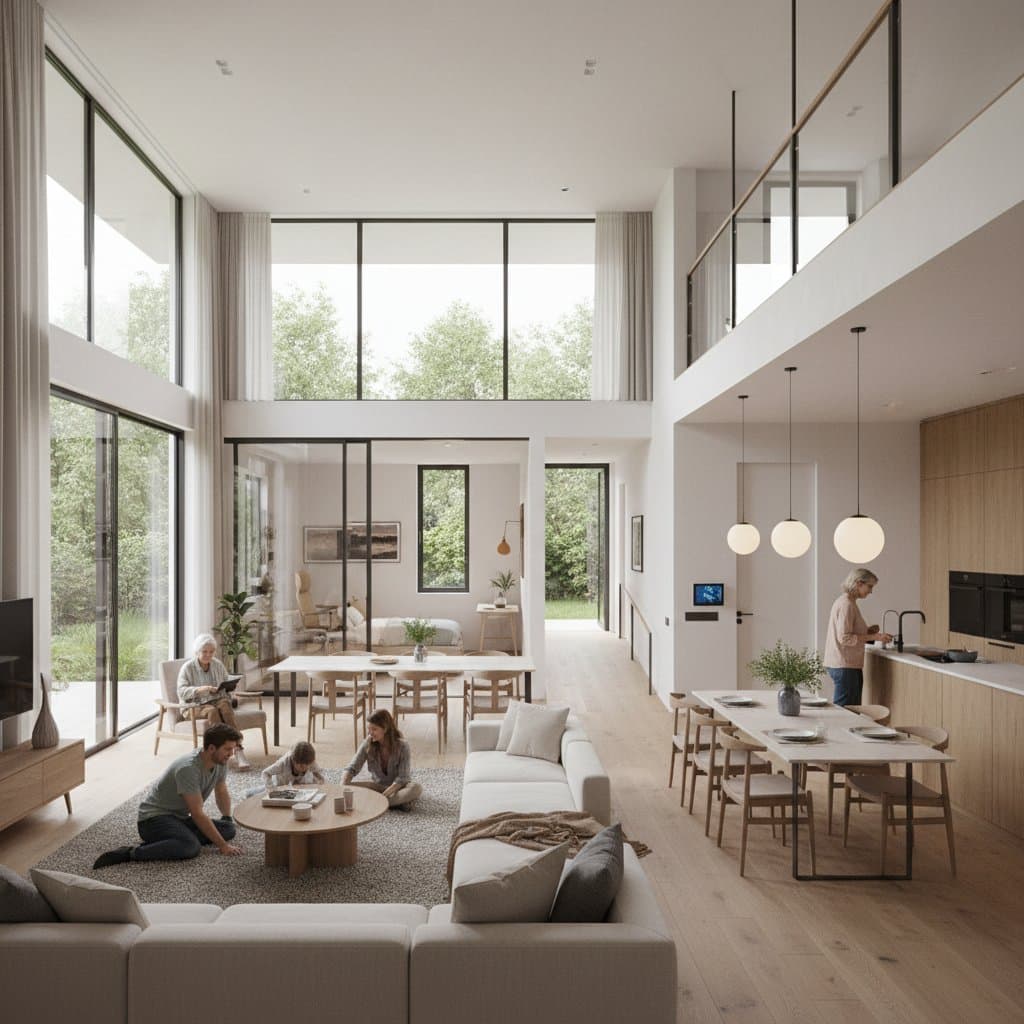
A multigenerational home serves as a residence for at least two adult generations under one roof, while preserving individual private areas. These designs often incorporate communal kitchens and living rooms, alongside distinct wings or accessory dwelling units (ADUs) for separation. The focus remains on fostering connection without sacrificing personal space, adapting to diverse family structures.
By 2026, such homes address rising housing costs, caregiving needs, and the desire for intergenerational bonds. Architects emphasize flexible floor plans that allow reconfiguration over time. This approach supports aging in place and accommodates returning adult children or elderly relatives seamlessly.
Indicators for Adopting a Multigenerational Layout
Consider a multigenerational design if certain family circumstances arise. A parent or grandparent requires long-term housing due to health or financial reasons. An adult child returns to the family home to reduce expenses or provide care for younger siblings or aging parents.
Privacy becomes essential when combining households to share costs. Families benefit from layouts that evolve with changing needs, such as adding space for newborns or adapting for mobility challenges. Planning for aging in place early ensures the home remains suitable throughout life stages.
- Permanent relocation of a parent or grandparent into the household.
- Return of an adult child for financial savings or family caregiving.
- Desire to merge living expenses while upholding personal boundaries.
- Requirement for adaptable spaces that respond to evolving family roles.
- Intention to incorporate accessibility from the initial design phase.
Budgeting for Multigenerational Transformations
Construction costs for multigenerational homes vary widely based on location and scope. The national range spans $180 to $400 per square foot for new builds or significant renovations. A typical median price hovers around $260 per square foot, influenced by material choices and regional demands.
Key expenses include design consultations, structural modifications, and utility integrations. Families must account for variables like site conditions and code compliance. Early budgeting prevents surprises and ensures the project aligns with financial goals.
| Line Item | Typical Range | Notes and Variables |
|---|---|---|
| Design and permits | $5,000–$20,000 | Elevated in urban or high-regulation areas |
| Framing and structure | $50–$100 per sq. ft. | Material selection and foundation type impact |
| Electrical and plumbing | $25–$60 per sq. ft. | Independent systems raise expenses |
| Finishes and cabinetry | $40–$120 per sq. ft. | Accessibility enhancements add to premium |
| ADU connection or utilities | $10,000–$40,000 | Involves excavation and service installations |
Primary cost drivers encompass additional kitchens or bathrooms, terrain adjustments, and system upgrades for increased capacity. Accessibility elements like elevators or ramps contribute significantly. Local labor rates and permitting processes further shape the total investment.
Essential Safety and Compliance Measures
Safety forms the foundation of any multigenerational project. Secure all necessary building and electrical permits prior to commencing work. Include at least one step-free entry point to promote accessibility for all residents.
Install smoke and carbon monoxide detectors in every distinct living area. Employ fire-rated doors and walls to separate connected units effectively. Verify local setback rules and parking provisions, particularly for standalone ADUs.
A critical safety principle involves consulting professionals for structural changes. Avoid altering load-bearing walls or primary electrical panels without guidance from a structural engineer and licensed electrician. These precautions mitigate risks and ensure long-term habitability.
Navigating Regional Influences on Design
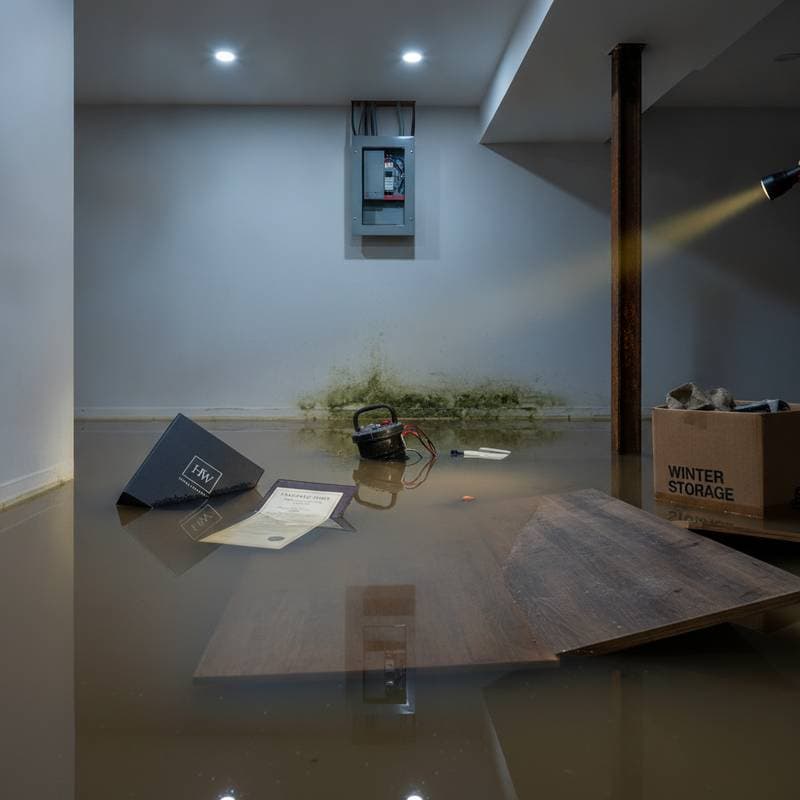
Regional conditions shape multigenerational home strategies profoundly. In cold climates, implement continuous insulation and unified heating systems to minimize energy waste across zones. Hot and humid areas demand mold-resistant materials and robust ventilation in communal bathrooms.
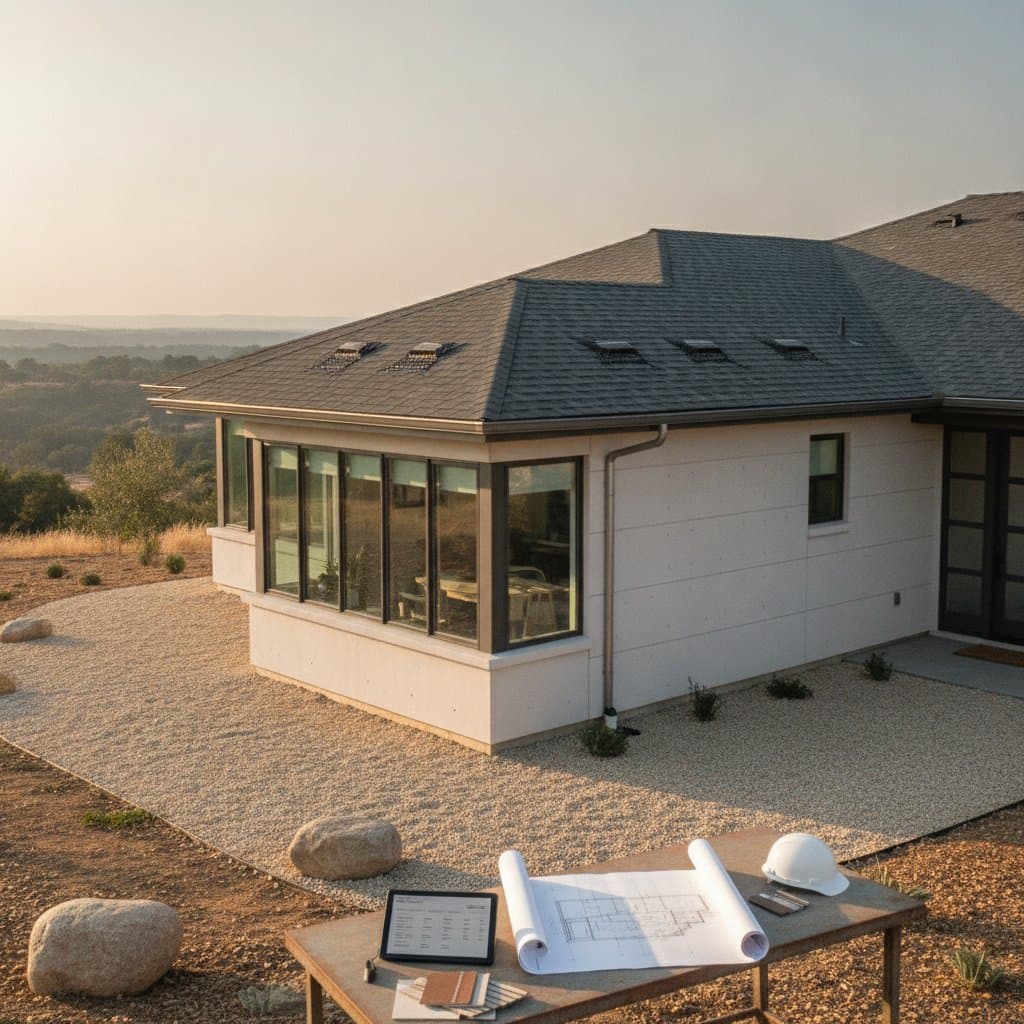
Arid regions benefit from shaded pathways connecting spaces and water-efficient landscaping. Coastal environments require corrosion-resistant hardware and durable exterior coatings to withstand salt exposure. These adaptations enhance comfort and reduce maintenance demands.
Building codes vary by locality, with some mandating separate utility meters or addresses for ADUs. Detached units may face restrictions in densely populated zones. Confirm regulations early to streamline approvals.
Durable materials like engineered wood, composite decking, and resilient tile flooring suit multiple households across climates. Schedule foundational and framing tasks during favorable weather to sidestep seasonal disruptions in rainy or freezing areas.
Key Terminology for Multigenerational Living
Familiarity with essential terms aids informed decision-making. An ADU refers to a compact, self-contained living unit on the property of the primary residence. Aging in place involves crafting environments that support safe residency as individuals grow older.
An in-law suite denotes a dedicated private section within the home for extended family members. Universal design principles create spaces usable by people of varying ages and abilities. Shared zones include areas like kitchens or living rooms accessible to all generations.
Private zones encompass bedrooms, bathrooms, or compact lounges for individual use. Egress paths provide code-mandated safe exits from each area. Zoning regulations dictate permissible land uses and construction types.
Thermostat zoning allows independent temperature control in different home sections, optimizing comfort and efficiency.
Steps to Implement Your Multigenerational Vision
Transitioning to multigenerational living requires methodical planning. Assess current space and family requirements to identify necessary modifications. Engage architects experienced in flexible designs to draft initial concepts.
Review zoning laws and secure preliminary approvals to avoid redesigns. Develop a detailed budget that incorporates contingencies for unforeseen issues. Select contractors with expertise in accessibility and multi-unit integrations.
During construction, prioritize communication to stay on timeline and within costs. Post-completion, test all systems and train residents on features like zoned controls. This process yields a home that nurtures family ties while respecting individual needs, adapting effortlessly to future changes.