Key Design Strategies for Multigenerational Homes in 2026
Creating a home that accommodates multiple generations goes beyond adding bedrooms. It involves detailed planning to address financial aspects, daily interactions among family members of varying ages, and evolving needs over time. As demand for such living arrangements rises, architects and homeowners prioritize designs that combine private retreats with communal areas on a single property.
Understanding the Multigenerational Living Model
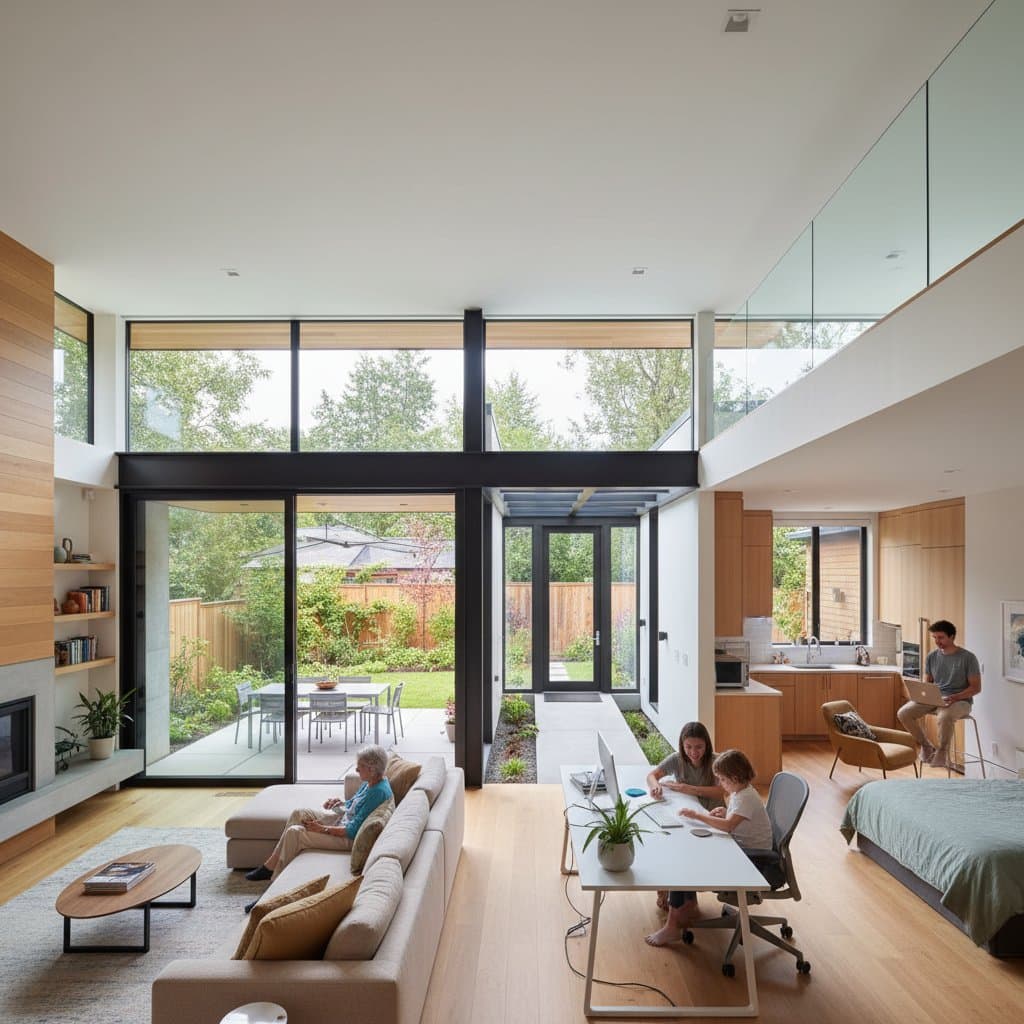
A multigenerational home generally includes grandparents, parents, and children sharing the same residence. In some cases, it extends to other relatives or adult children who return after independence. The layout must facilitate both autonomy and interaction, achieved through thoughtful spatial arrangements, effective noise reduction, and rooms that adapt to changing family dynamics.
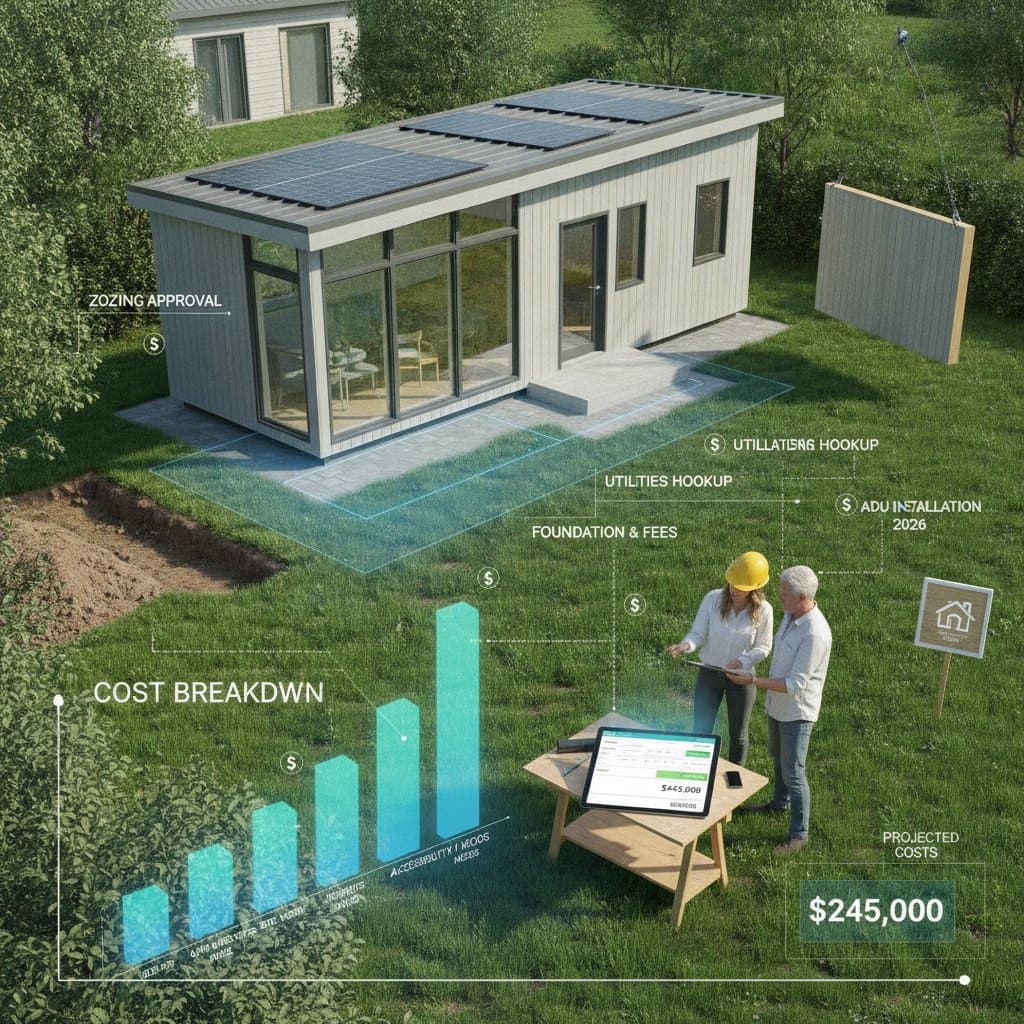
Accessory dwelling units, known as ADUs, form a core element in these configurations. These units, which can stand alone or connect to the main house, provide dedicated private areas while keeping family close for support and safety. Common integrations include shared kitchens for communal meals, bathrooms equipped for accessibility, and entry points that allow independent access without disrupting the household.
Navigating Financial and Construction Essentials
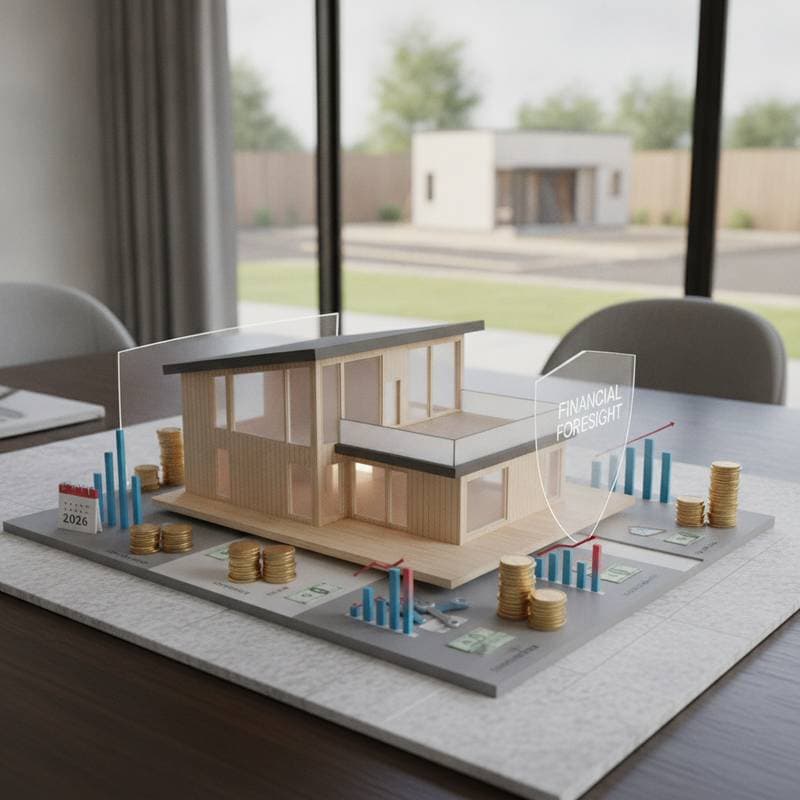
Undertaking a multigenerational project introduces specific financial demands. Costs typically encompass a primary build estimate, plus investments in accessibility modifications, expanded plumbing lines, and independent utility setups. Homeowners must also account for elevated maintenance expenses, as additional kitchen areas, bathrooms, and heating, ventilation, and air conditioning systems raise operational demands.
Funding options range from home equity loans to collaborative ownership structures or specialized ADU financing initiatives. These choices vary in repayment schedules and legal ownership effects, requiring thorough review of agreements. All involved parties benefit from clear discussions on responsibilities prior to initiating work, ensuring alignment on expectations.
Step-by-Step Planning and Execution Process
The development of a multigenerational home proceeds through a defined sequence of phases.
- Initial Consultation: Homeowners collaborate with designers to map out daily routines, privacy preferences, and provisions for future changes.
- Site Evaluation: Analysis of the property and local zoning rules identifies the optimal approach, such as an attached in-law suite, a converted basement, or a standalone ADU.
- Permitting and Funding Approval: Detailed blueprints, highlighting independent entrances, emergency exits, and accessible pathways, secure necessary permissions and financial commitments.
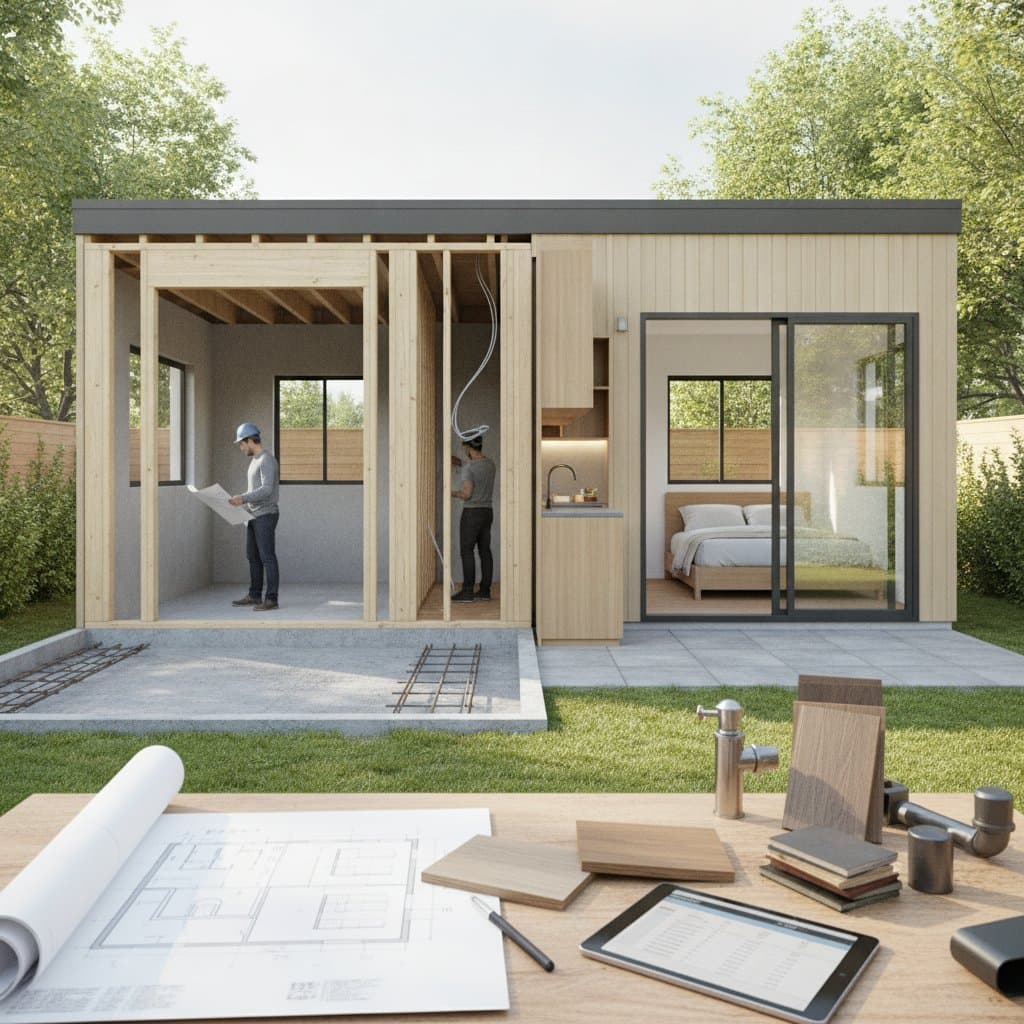
- Construction Implementation: Teams manage timelines for plumbing, electrical installations, and structural framing to seamlessly blend private and shared zones.
- Final Verification: Inspections validate adherence to safety regulations, acoustic barriers, and energy-efficient practices.
Throughout, precise record-keeping and open dialogue prevent misunderstandings. Unforeseen adjustments or delays often impact budgets, so documenting every design alteration and financial approval proves essential.
Core Principles for Functional Layouts
Effective designs hinge on versatility to meet diverse needs. Elements like removable walls, gliding doors, and multifunctional furnishings enable spaces to transform without extensive alterations. Strategic zoning divides the home into serene retreats for older occupants and lively zones for younger ones, preserving rest amid activity.
Accessibility features play a critical role in daily usability. Installations such as 36-inch doorways, zero-step shower entries, and single-story configurations minimize physical challenges. Integration of smart home technologies further simplifies management, with remote or voice-activated controls for illumination, climate, and security systems.
For instance, consider a main-floor ADU with a private patio that connects to a central gathering area via a covered walkway. This setup allows a grandparent to enjoy outdoor time independently while remaining accessible for family events. Similarly, convertible guest rooms equipped with built-in storage and adjustable lighting can serve as home offices or play areas as required.
Safeguarding Property Value Over Time
Multigenerational enhancements extend beyond current family benefits to affect market appeal. Properties featuring modular designs and approved ADUs attract buyers seeking rental opportunities or adaptable caregiving spaces. Such attributes signal versatility, potentially increasing resale prices by 10 to 20 percent in suitable markets.
To maximize this advantage, retain all official permits and construction records. Unauthorized modifications risk lowering appraisals or complicating insurance coverage, underscoring the importance of compliance from the outset.
Steps to Achieve Lasting Family-Centered Design
Balancing relational bonds with practical considerations defines every multigenerational project. Families that approach planning with diligence, confirm builder qualifications, and establish explicit contracts minimize risks of conflicts or budget overruns. Optimal outcomes foster self-sufficiency alongside togetherness, communal experiences free of strain, and enduring adaptability.
By integrating rigorous financial evaluation with innovative spatial solutions, homeowners craft environments that address immediate requirements while providing a stable foundation for generations ahead. These homes not only unite families but also invest in their collective future with intention and foresight.