Transform Your Garage into Living Space: 2026 Insights
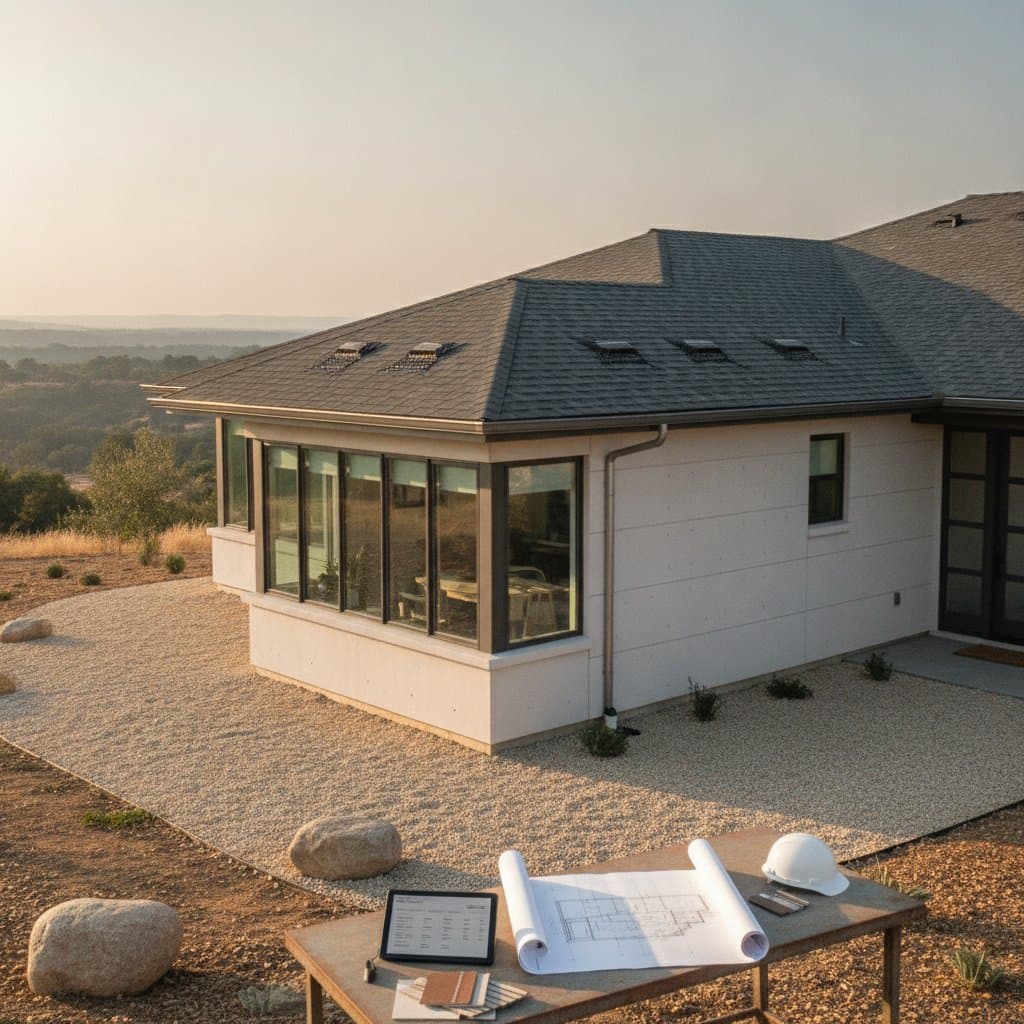
Homeowners often seek additional space for guests, offices, or rental units without expanding the property footprint. A garage conversion provides a practical solution by repurposing existing square footage into a functional area. This approach adds comfort and value while addressing modern living needs.
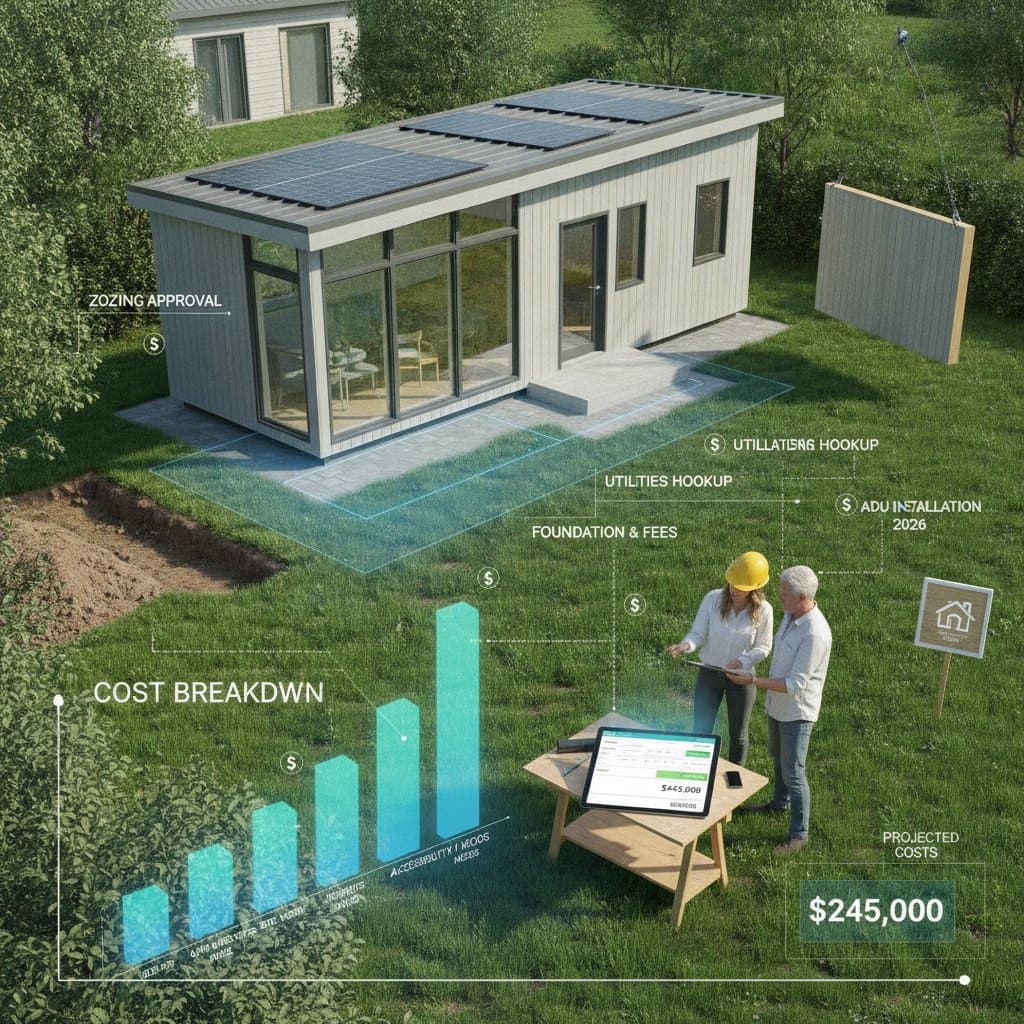
Quick Overview: The average cost for a garage conversion ranges from $25,000 to $60,000, depending on the project's scope and location. Completion typically requires 6 to 12 weeks, influenced by design complexity and permitting processes. Experienced individuals may manage certain tasks independently, but professionals must handle electrical, plumbing, and structural elements to ensure safety and compliance.
Evaluate Conversion Options
Select the right conversion type based on your goals, budget, and local regulations. The following table outlines key options to guide your decision.
| Option | Description | Pros | Cons |
|---|---|---|---|
| Basic Conversion | Insulate and finish the space with drywall, without adding plumbing or major utilities | Lower expense, faster timeline, fewer permits required | Restricted uses, potential failure to meet full bedroom standards |
| Partial ADU | Include a bathroom and kitchenette, plus a dedicated entrance | Potential for rental income, increased home value | Higher costs, more rigorous permitting demands |
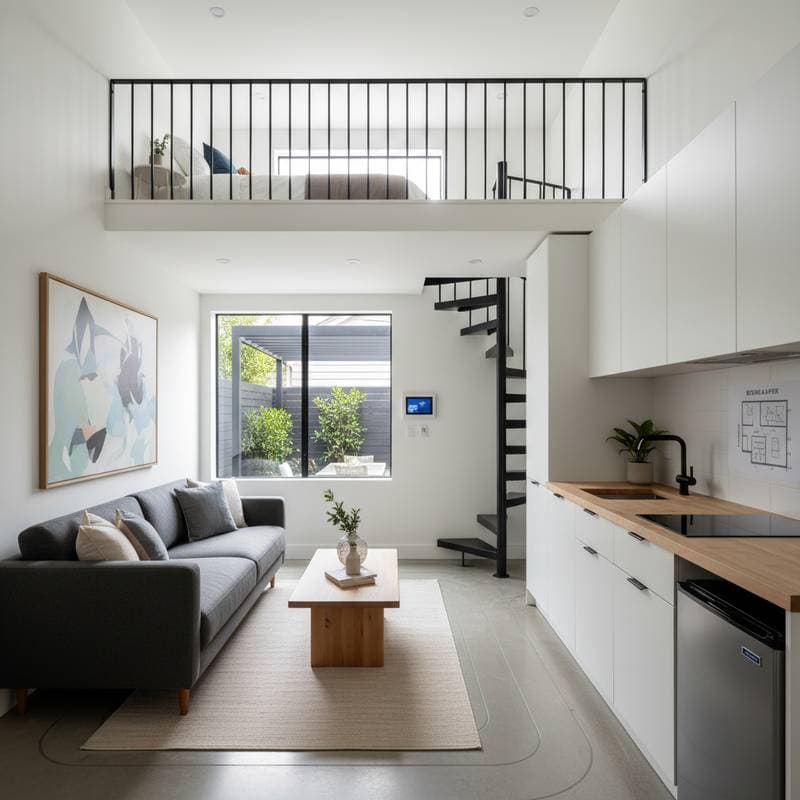
| Complete ADU | Develop a self-contained unit with full kitchen, bathroom, and independent utilities | Strong income potential, significant property enhancement | Substantial investment, possible need for utility system expansions |
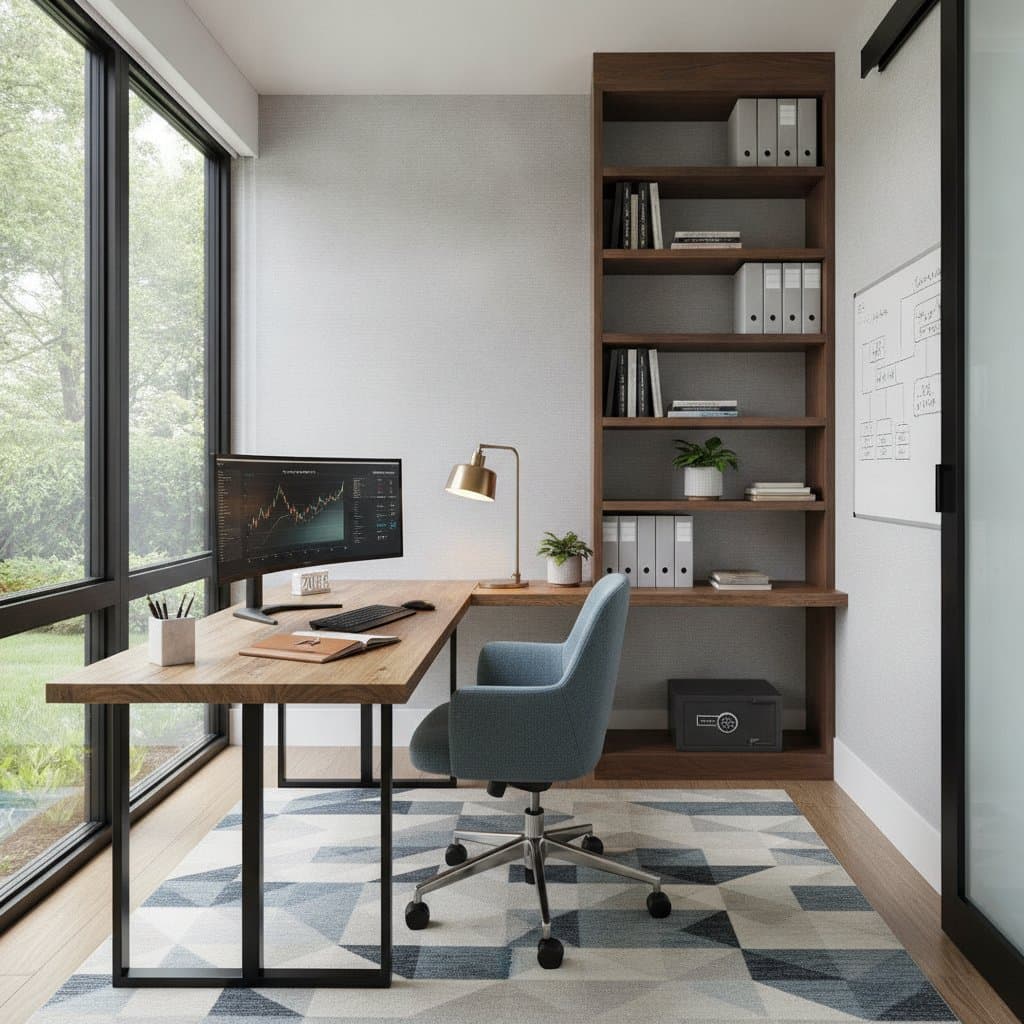
Guidance for Selection: Opt for a basic conversion when creating a home office or extra room. Pursue a complete ADU for rental opportunities or accommodating extended family members over the long term.
Project Timeline and Sequence
Most garage conversions span 6 to 12 weeks from initial planning to final approval. Follow this structured sequence to maintain efficiency.
- Design and Permitting (2 to 4 weeks): Prepare detailed drawings, submit permit applications, and await regulatory approval.
- Demolition Phase (1 week): Clear out shelving, outdated flooring, and garage door components.
- Framing and Utility Installation (2 to 3 weeks): Construct interior walls, create new access points, and install preliminary electrical and plumbing lines.
- Insulation, Drywall, and Surface Work (2 to 3 weeks): Apply insulation, hang drywall, and install flooring materials.
- Fixture and Finishing Installation (1 week): Mount lighting, heating systems, and trim elements.
- Final Inspection and Adjustments (1 week): Address any deficiencies and obtain occupancy certification.
Essential Materials and Tools
Gather these items to support a smooth conversion process. Prioritize quality to ensure durability and code adherence.
Key Materials:
- Lumber such as 2x4 or 2x6 for structural framing
- Insulation rated R-13 or R-19 for thermal efficiency
- Drywall panels and joint compound for smooth walls
- Durable flooring options including vinyl plank, laminate, or carpet
- Paint and primer for interior finishing
- Vapor barriers and subflooring materials to address uneven concrete slabs
Recommended Tools:
- Circular saw and power drill for cutting and assembly
- Level and framing square for precise alignment
- Utility knife for material preparation
- Tape measure for accurate dimensions
- Caulking gun for sealing joints
- Safety equipment including gloves, goggles, and a respirator
Adapt to Regional and Climate Factors
Tailor your conversion to local conditions for optimal performance and longevity. Building codes vary, so consult authorities early.
- In Cold Regions: Incorporate rigid foam insulation beneath the floor to eliminate drafts and maintain warmth.
- In Humid Areas: Install vapor barriers and integrate dehumidification systems to control moisture.
- In Hot Climates: Apply radiant barrier insulation and reflective roof coatings to reduce heat gain.
- In Coastal Environments: Select corrosion-resistant fasteners and moisture-resistant drywall to withstand salt exposure.
Verify requirements for window dimensions to provide adequate natural light and emergency egress. Engage your local building department prior to any framing work.
Assess Return on Investment
Garage conversions generally recoup 60 to 80 percent of costs upon resale. A full ADU often delivers superior returns in markets with high rental demand. Properties in urban or densely populated areas benefit most from the added living space.
For rental intentions, review municipal regulations on short-term leasing. Certain jurisdictions mandate owner residency or extra licensing.
Address Frequent Concerns
Is Partial Garage Storage Feasible? Yes, divide the space with a partition wall and insulate only the living portion to preserve storage access.
Does the Floor Require Elevation? In many cases, yes. Garage slabs often sit below main floor levels, necessitating sleepers or subflooring for comfort and moisture barriers per code.
How to Handle the Garage Door Area? Frame over the opening with walls and windows, or use oversized French doors. Match the exterior finish to the home's style for seamless integration.
Will Property Taxes Rise? Likely, as finished square footage increases the assessed value in most areas.
Can the Conversion Be Undone? Technically possible, though seldom advisable. Document original layouts and wiring to assist future reversals if needed.
Initiate Your Garage Conversion
Begin by consulting local experts to align your vision with regulations and budget constraints. Emphasize insulation, ventilation, and moisture management from the outset to create a space that enhances daily life and property worth for years ahead.