AMS Home Guides Logo
Home
Remodeling Cost ComparisonsAbout
AMS Home Guides Logo

Your comprehensive resource for home guides, cost guides, and home warranty information.

HomeAboutAll ArticlesSearchPrivacyTerms

© 2026 AMS Home Guides. All rights reserved.

  1. Home
  2. /
  3. Home Guides
  4. /
  5. Greywater Systems Cut Household Water Use in Half
Home Guides

Greywater Systems Cut Household Water Use in Half

byMelissa Flowers
2025-12-25 04:14:36December 25, 2025
5 min read
Featured image for Greywater Systems Cut Household Water Use in Half
2025-12-25 04:14:36
AMS - Home Guides, Cost Guides, Home Warranty

Understanding Greywater Systems

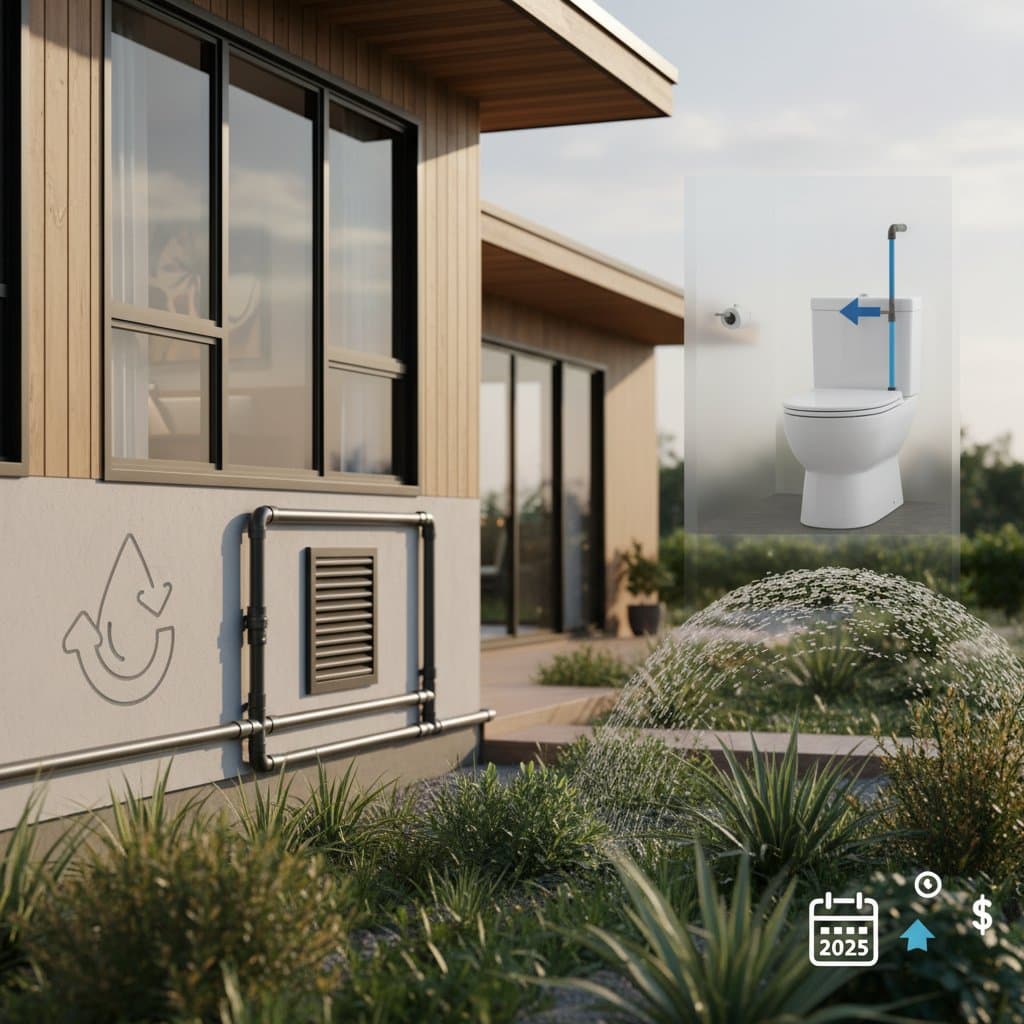
Greywater refers to wastewater from household sources such as sinks, showers, bathtubs, and washing machines. This type of water differs from blackwater, which comes from toilets and contains higher levels of contaminants. By capturing and treating greywater, households can redirect it for non-potable uses like landscape irrigation or toilet flushing, thereby reducing overall water consumption significantly.

Implementing a greywater system allows families to reuse up to 50 percent of their daily water output. In regions facing water scarcity, such systems promote sustainability while lowering utility bills. The initial investment pays off through long-term savings and potential financial incentives.

Benefits of Greywater Reuse

One primary advantage lies in water conservation. A typical household uses approximately 50 to 100 gallons per person daily for activities generating greywater. Redirecting this volume prevents it from entering sewer systems and enables productive reuse on gardens or lawns.

Financial benefits emerge quickly. Monthly water bills can decrease by 30 to 50 percent, depending on system scale and local rates. Additionally, reduced demand on municipal supplies eases pressure on public infrastructure, benefiting communities at large.

Environmental impacts extend further. Greywater systems minimize freshwater extraction from natural sources and cut down on energy required for water treatment and distribution. Over time, they contribute to healthier ecosystems by decreasing wastewater volume sent to treatment plants.

Types of Greywater Systems

Simple systems divert untreated greywater directly to outdoor landscaping. These setups suit mild climates and low-risk applications, such as irrigating trees or shrubs. They require minimal equipment, often just plumbing reroutes and mulch basins for soil filtration.

More advanced configurations incorporate treatment processes. For instance, filtration units remove solids and oils before distribution. Such systems support broader applications, including subsurface irrigation to prevent human contact.

Complex installations feature full treatment for indoor reuse, like supplying toilets. These demand professional engineering to ensure safety and efficiency. Options range from branched drain systems to centralized pumps, each tailored to property size and water needs.

Installation Process

Planning begins with assessing household water usage and site conditions. Evaluate sources of greywater, such as laundry or bathroom fixtures, and determine reuse destinations. Soil tests help confirm suitability for irrigation.

Professional consultation ensures compliance with local regulations. Many areas mandate permits for greywater systems to safeguard public health. A permit inspection involves local authorities reviewing plans against plumbing and health codes.

Installation typically spans one to three days. Plumbers reroute pipes, install diverter valves, and set up treatment components if needed. For safety in indoor applications, integrate UV disinfection, a light-based treatment that kills bacteria without chemicals.

Post-installation testing verifies functionality. Run trials to check for leaks and proper flow. Schedule a final inspection to secure approval and activate any rebate programs.

Costs and Savings

Initial costs vary by system complexity. Basic outdoor diversions start at $500 to $1,500, covering materials and labor. Advanced treated systems range from $2,000 to $10,000, including pumps, filters, and professional installation.

Ongoing expenses remain low. Maintenance involves periodic filter cleaning and inspections, costing $100 to $300 annually. Energy use for pumps adds minimal utility charges.

Savings accumulate rapidly. A family of four might save $200 to $500 yearly on water bills. Long-term rebates enhance returns; utility or government programs refund 20 to 50 percent of costs. In 2025, expanded incentives could offset up to 30 percent of expenses for qualifying installations.

Qualifying for Rebates

Eligibility depends on system type and location. Contact local water utilities or environmental agencies for current programs. Simple systems often qualify for basic rebates, while treated setups access higher amounts.

Documentation proves essential. Submit installation receipts, permit approvals, and proof of compliance. Maintain records of water usage before and after to demonstrate savings.

Application processes streamline through online portals. Deadlines align with fiscal years, so apply promptly after completion. Some programs require pre-approval to maximize funding.

Maintenance and Safety

Regular upkeep preserves system performance. Clean filters monthly to prevent clogs. Inspect pumps and valves quarterly for wear.

Safety protocols protect users and the environment. Avoid applying greywater to edible crops or areas accessible to children and pets. Use subsurface delivery methods to minimize exposure.

For treated systems, monitor disinfection effectiveness. UV units require bulb replacements every 12 months. Test water quality annually through certified labs.

UV disinfection: Light-based treatment that kills bacteria for indoor reuse.
Permit inspection: Local review confirming compliance with plumbing and health codes.
Rebate program: Utility or government incentive that refunds part of installation cost.

Pro Tips for Success

Start with a small system, such as a laundry-to-landscape setup, before expanding. This approach allows testing without major commitments.

Select plants that tolerate low-sodium and low-phosphate water, like native shrubs or drought-resistant grasses. They thrive on recycled flows and reduce supplemental watering needs.

Mark all greywater lines clearly to avoid confusion during future plumbing work. Use color-coded labels or dedicated shutoff valves.

Combine greywater reuse with drip irrigation for maximum efficiency. This targeted delivery conserves water and promotes even soil moisture.

Keep a maintenance log to qualify for long-term rebates and warranties. Detailed records demonstrate responsible use and system longevity.

Steps to Get Started

Research local regulations and incentives first. Gather information on approved system providers in your area.

Consult a certified installer for a site assessment. Discuss options based on your budget and goals.

Apply for permits and rebates early. Secure funding to ease upfront costs.

Monitor performance after launch. Adjust as needed to optimize savings and sustainability.

Adopting a greywater system positions households at the forefront of water conservation. Beyond immediate reductions in usage, these installations foster resilience against droughts and rising costs. Commit to this step for enduring environmental and economic gains.
You may also like

Image for Mold Coverage Limits: What Home Warranties Actually Pay

Mold Coverage Limits: What Home Warranties Actually Pay

July 9, 2026
Image for Solar Panels Add $18,500 to New Home Build Costs

Solar Panels Add $18,500 to New Home Build Costs

July 9, 2026
Image for Mold Coverage Tightens Under 2026 Warranty Rules

Mold Coverage Tightens Under 2026 Warranty Rules

July 9, 2026

Tagged:

home,water conservation,sustainable,greywater,conservation,water,system,greywater-system

Recent Articles by Melissa Flowers

Image for Garage ADU Conversions Cost $80K to $180K in 2026

Garage ADU Conversions Cost $80K to $180K in 2026

July 9, 2026
Image for ADU Costs Drop 25% Under New Building Rules

ADU Costs Drop 25% Under New Building Rules

July 5, 2026

Related: home

Image for Mold Coverage Limits: What Home Warranties Actually Pay

Mold Coverage Limits: What Home Warranties Actually Pay

July 9, 2026
Image for Solar Panels Add $18,500 to New Home Build Costs

Solar Panels Add $18,500 to New Home Build Costs

July 9, 2026
Image for Mold Coverage Tightens Under 2026 Warranty Rules

Mold Coverage Tightens Under 2026 Warranty Rules

July 9, 2026
Image for Wildfire Defense Through Layered Home Improvements

Wildfire Defense Through Layered Home Improvements

July 9, 2026
Image for Home Battery Warranties Add $800 to $2,500 to System Cost

Home Battery Warranties Add $800 to $2,500 to System Cost

July 8, 2026

Home Guides

Solar Panels Add $18,500 to New Home Build Costs

Installing solar panels on new homes in 2026 adds roughly $14,000 to $24,000, averaging $18,500 for a 6-kilowatt system. Early planning during construction cuts labor costs and boosts resale value by up to 5%. Learn how system size, materials, and timing shape your investment, payback, and long-term energy savings.

July 9, 2026

Smart Flood Proofing Costs $8,500-$38,000 in 2026

Smart flood proofing blends sensors, automation, and structural upgrades. Costs range from $8,500 to $38,000. Most homeowners spend about $19,600 for systems that cut damage risk by up to 65 percent.

July 8, 2026

Materials That Cut Wildfire Insurance Premiums in 2026

Discover how wildfire resistant materials can cut insurance premiums up to 20 percent while safeguarding your home. Learn which products qualify, what they cost, and how to retrofit safely. From Class A roofing to ember proof vents, this 2026 guide explains smart upgrades, code requirements, and maintenance tips for fire prone properties.

July 8, 2026

Cut Household Water Use in Half with Greywater Systems

Install a legal greywater system to reuse water from sinks, showers, and laundry. Compare system types, review costs from 800 to 6000 dollars, follow permit steps, and achieve up to 50 percent lower household water use.

July 4, 2026

Balance Privacy and Togetherness in One Home

Multigenerational living succeeds when homes provide both private retreats and shared gathering spaces. This guide outlines zoning checks, soundproofing methods, utility planning, and safety measures to create functional layouts that support every generation.

July 3, 2026

Flood Resilience Upgrades That Protect Your Investment

Rising flood risks require targeted home protection. This guide details 2026 flood resilience upgrades from foundation sealing to utility elevation, along with cost ranges, practical steps, and maintenance guidance to protect property and speed recovery after storms.

July 1, 2026

ADU Garage Conversions Cost $90K–$180K in 2026

Transforming a garage into an ADU creates flexible multigenerational living space without expanding the home footprint. Expect costs from $90,000 to $180,000, timelines of 12 to 20 weeks, and strict code compliance. Smart design and professional guidance add lasting comfort and value.

June 30, 2026

Multigenerational Home Conversions Cost $60K-$250K in 2026

Multigenerational home conversions cost $60,000 to $250,000, with most projects averaging $145,000. Discover how scope, materials, and location affect pricing while strategic planning improves comfort and long-term returns.

June 30, 2026

Multigenerational Homes Cost $150K-$450K to Build

Multigenerational homes cost $150,000 to $450,000 to build or convert. Explore detailed pricing, material options, and planning steps that support family living and long-term value.

June 29, 2026

Multigenerational Renovations Cost $80K-$250K in 2024

Multigenerational renovations balance comfort, privacy, and future adaptability, typically costing $80,000 to $250,000. Smart layouts, material choices, and professional planning can boost property value substantially. Learn how size, design complexity, and finish tiers shape budgets along with cost saving strategies that maximize return on investment and long term livability.

June 28, 2026

Flood Proofing Cuts Damage Risk 80% for $22,500

Flood proofing upgrades in 2026 cost 5000 to 48000 dollars and deliver strong protection, insurance savings, and higher property value. Costs depend on home size, materials, and location. Professional installation ensures compliance and durability.

June 26, 2026

Home Battery Backup Beats Generators in 2026

Home battery backup systems offer quiet, fuel free power during outages and can pair with solar for savings. Expect costs between $8,000 and $18,000 installed. Lithium batteries, professional setup, and annual maintenance ensure reliability. Ideal for frequent outages, these systems deliver energy security, lower bills, and long term peace of mind.

June 25, 2026

Flood-Resistant Flooring Cuts Repair Costs 70%

Discover how flood-resistant flooring can safeguard your home and budget. This guide breaks down material options, installation costs, DIY versus professional value, and cost-saving strategies. Learn why investing $4 to $14 per square foot today can cut future flood repair expenses by up to 70 percent while boosting property value.

June 25, 2026

Garage ADU Conversion Runs $80K to $175K in 2026

Transforming a garage into an ADU in 2026 costs $80,000 to $175,000 on average, with permits, design, and skilled labor driving expenses. Learn how size, materials, and site conditions affect pricing, what permits you will need, and smart ways to save without cutting corners plus expert tips for hiring, scheduling, and maximizing ROI.

June 25, 2026

Flood-Proofing Your Home: $3K to $25K in 2026

Strengthen your home against rising water with targeted 2026 upgrades. Review sump pumps, French drains, grading, and waterproofing options along with cost ranges, DIY tasks, and professional requirements. Balance protection, budget, and long term value through careful planning and maintenance.

June 24, 2026

Greywater Systems Cut Home Water Use by 40 Percent

Greywater systems capture water from sinks, showers, and laundry for garden irrigation and toilet flushing. This guide covers system options, costs, installation, safety requirements, and upkeep to help homeowners lower consumption while meeting local codes.

June 22, 2026

Greywater Systems Cut Indoor Water Use by Half

Greywater systems capture water from everyday household sources and redirect it for irrigation or toilet flushing, delivering substantial reductions in water bills and resource consumption when properly planned and maintained.

June 22, 2026

Home Battery Backup: $10K-$20K Investment Guide 2026

Home battery backups maintain power during outages and may reduce electricity expenses. Their typical price range of 10000 to 20000 dollars requires careful assessment. This guide covers operation, pricing influences, and professional installation requirements to support informed decisions.

June 21, 2026

Flood Risk Now Threatens Homes Beyond Coastal Zones

Rising flood risks now affect inland properties. This guide details 2026 climate upgrades that combine structural work, financial planning, and contract review to build lasting resilience.

June 20, 2026

ADU Costs: $210K Average for Multigenerational Living

ADUs deliver independent living space for extended families at an average cost of $210,000. Professional builds raise property value by up to 25 percent and adapt to changing household needs over time.

June 20, 2026

Categories

Appliance & System Coverage
Cost Guides
Home Guides
Home Warranty Basics
Outdoor & Exterior Guides
Remodeling Cost Comparisons
Room-by-Room Guides