
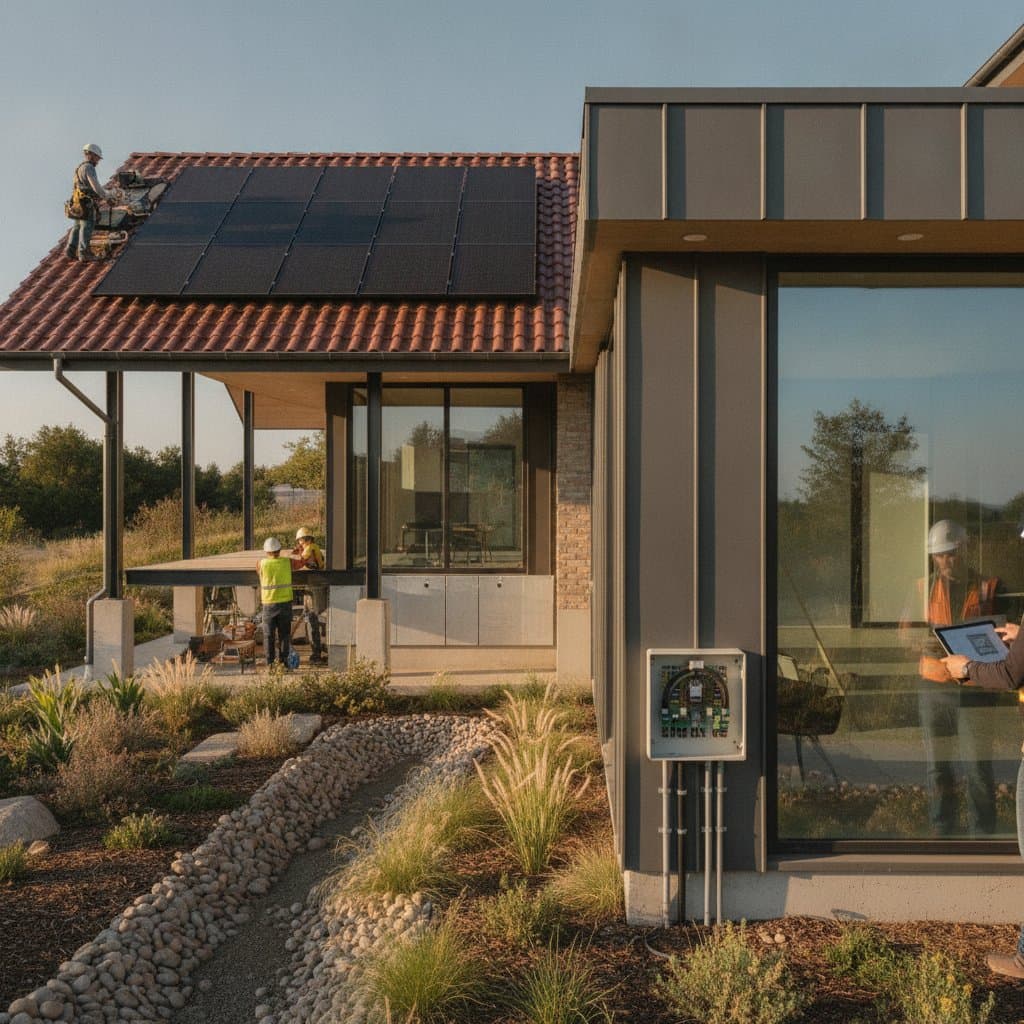
Climate upgrades typically cost $8,000 to $25,000, though targeted fixes may cost far less. Prioritize hazards specific to your home, document improvements for insurance benefits, and hire qualified professionals for structural work.
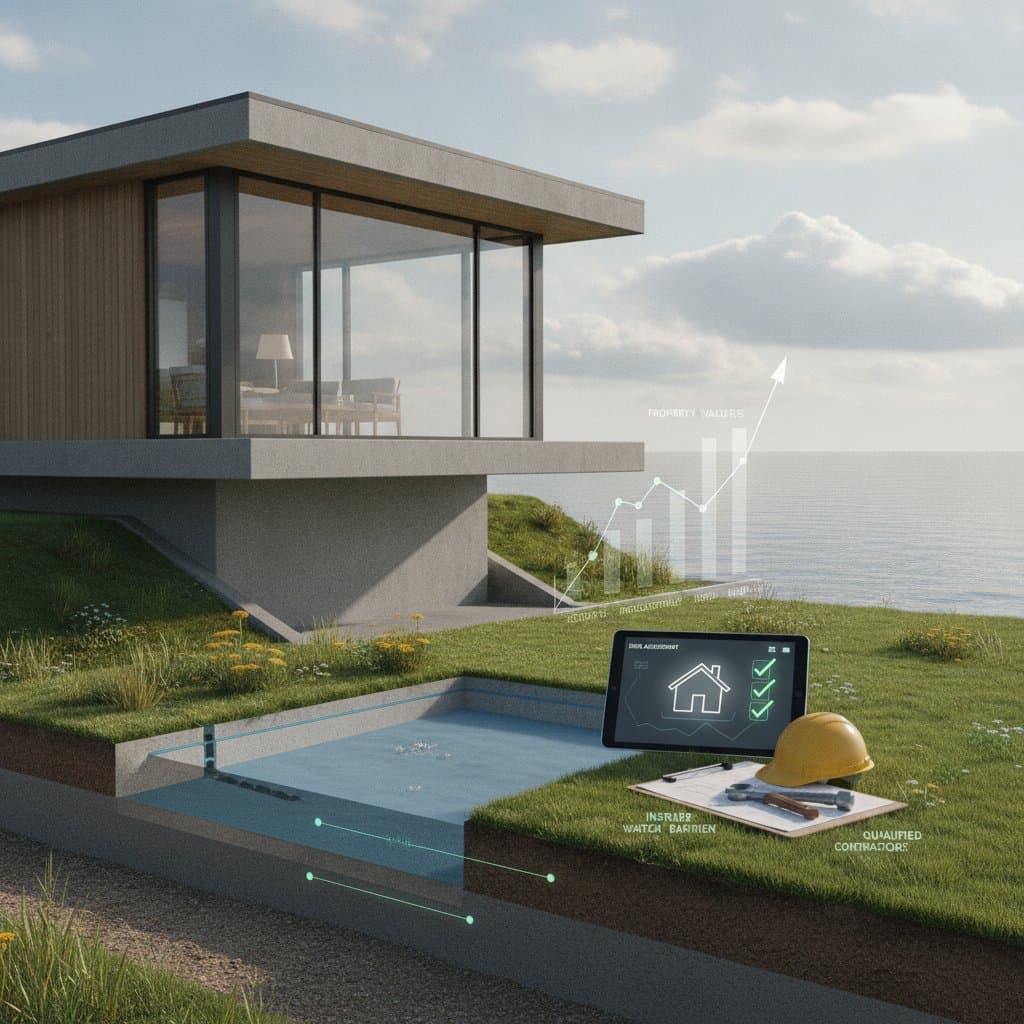
Flood upgrades can reduce damage, improve safety, and strengthen resale appeal—but savings are never automatic. Start with a professional risk assessment, prioritize targeted improvements, confirm insurer recognition in writing, and calculate total costs, financing, maintenance, and break-even time. Proper documentation, qualified contractors, and ongoing testing are essential to protecting both coverage and value.
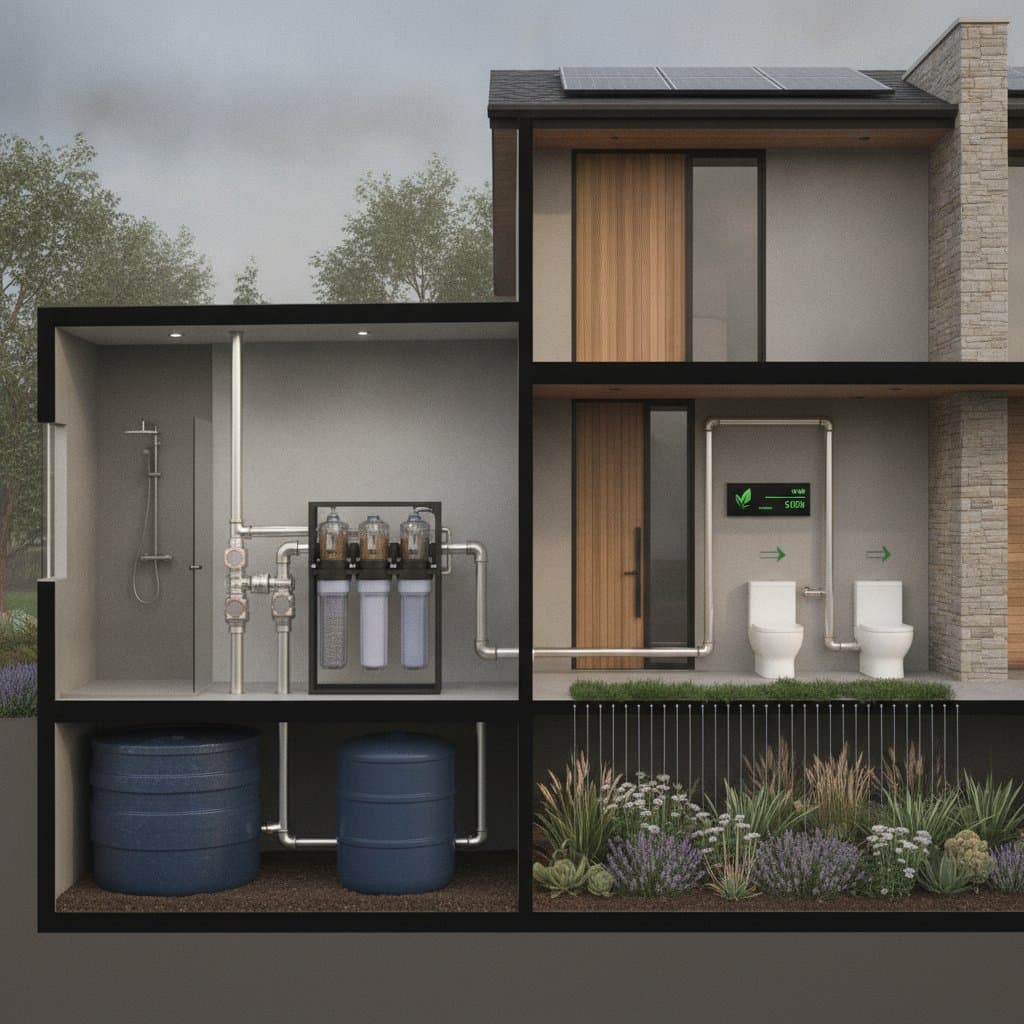
Greywater recycling turns everyday wastewater into a reusable resource that lowers utility bills and conserves water. This guide covers system types, installation steps, costs, and maintenance requirements for homeowners seeking greater efficiency.
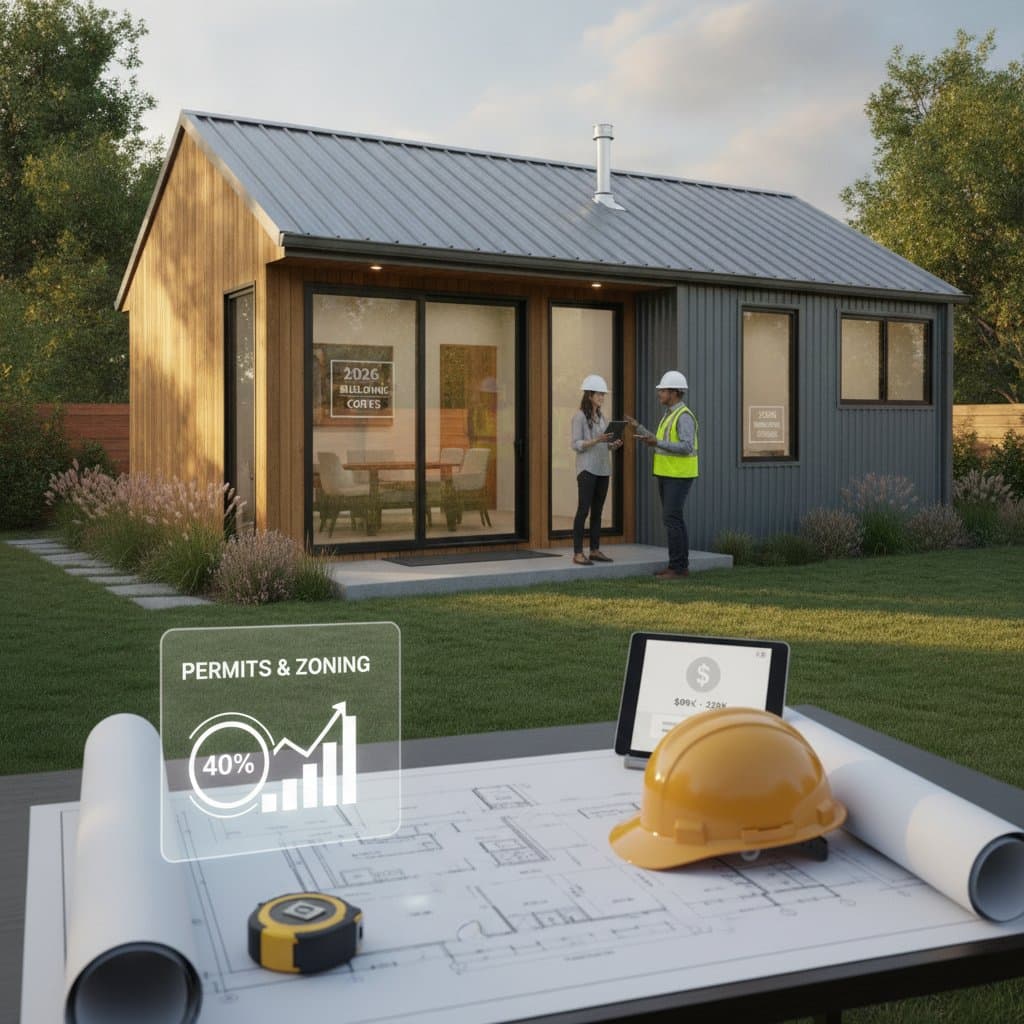
Learn the real expenses of building a granny pod in 2026, including permit processes, zoning constraints, and site conditions. Follow practical steps for design, construction, and compliance to create a durable accessory dwelling unit.
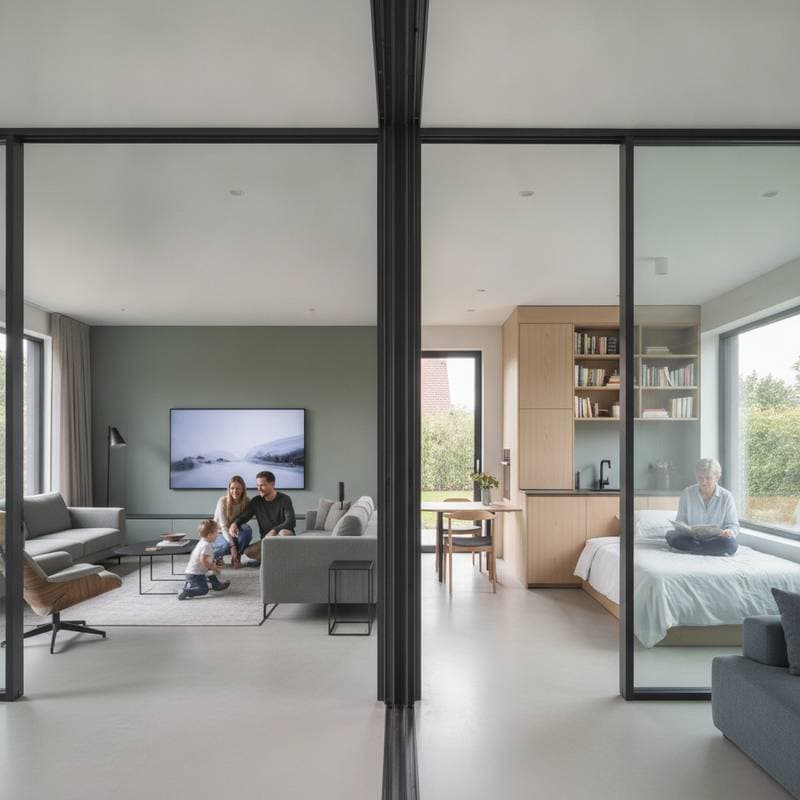
Create a multigenerational home that supports every generation through thoughtful privacy zones, accessibility upgrades, and efficient planning. Follow clear steps to manage utilities, permits, and budgets while maintaining family connection.
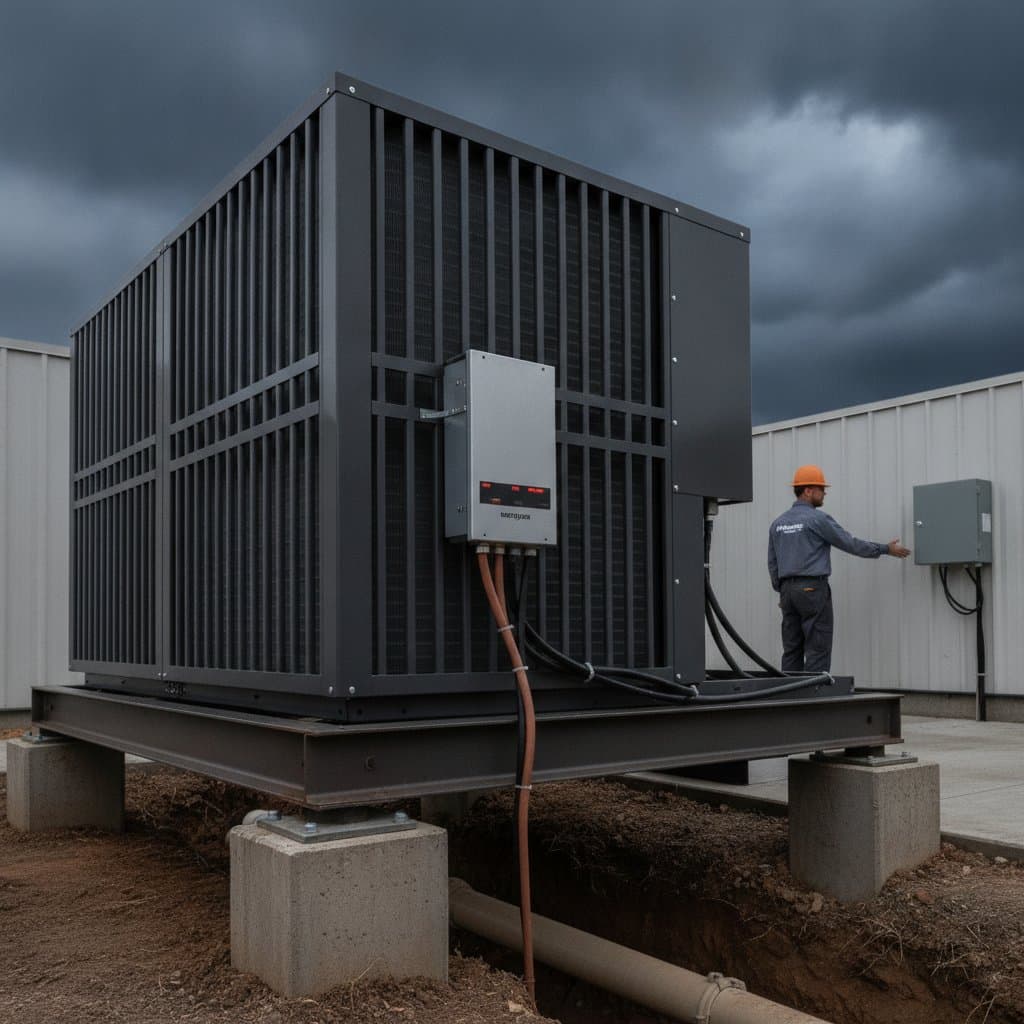
Protect your HVAC system before hurricane season strikes. Learn how to secure, elevate, and shield critical components from flooding, wind, and power surges. This guide breaks down permanent and temporary solutions, cost factors, safety codes, and post-storm recovery steps to keep your system reliable, efficient, and storm-ready year after year.
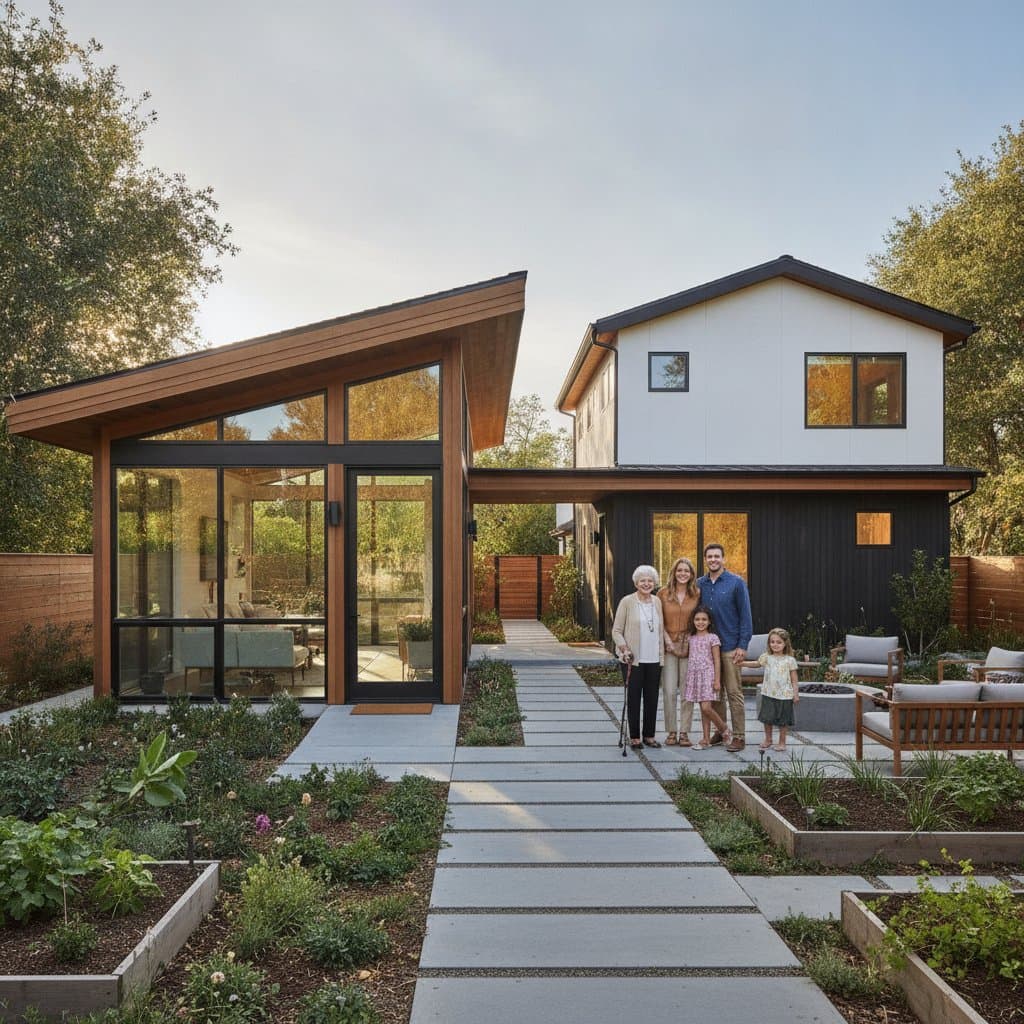
Multigenerational renovations balance family needs, accessibility, and financial planning. This guide details actual costs, financing choices, and methods to protect returns while managing contractors and avoiding common scope gaps.
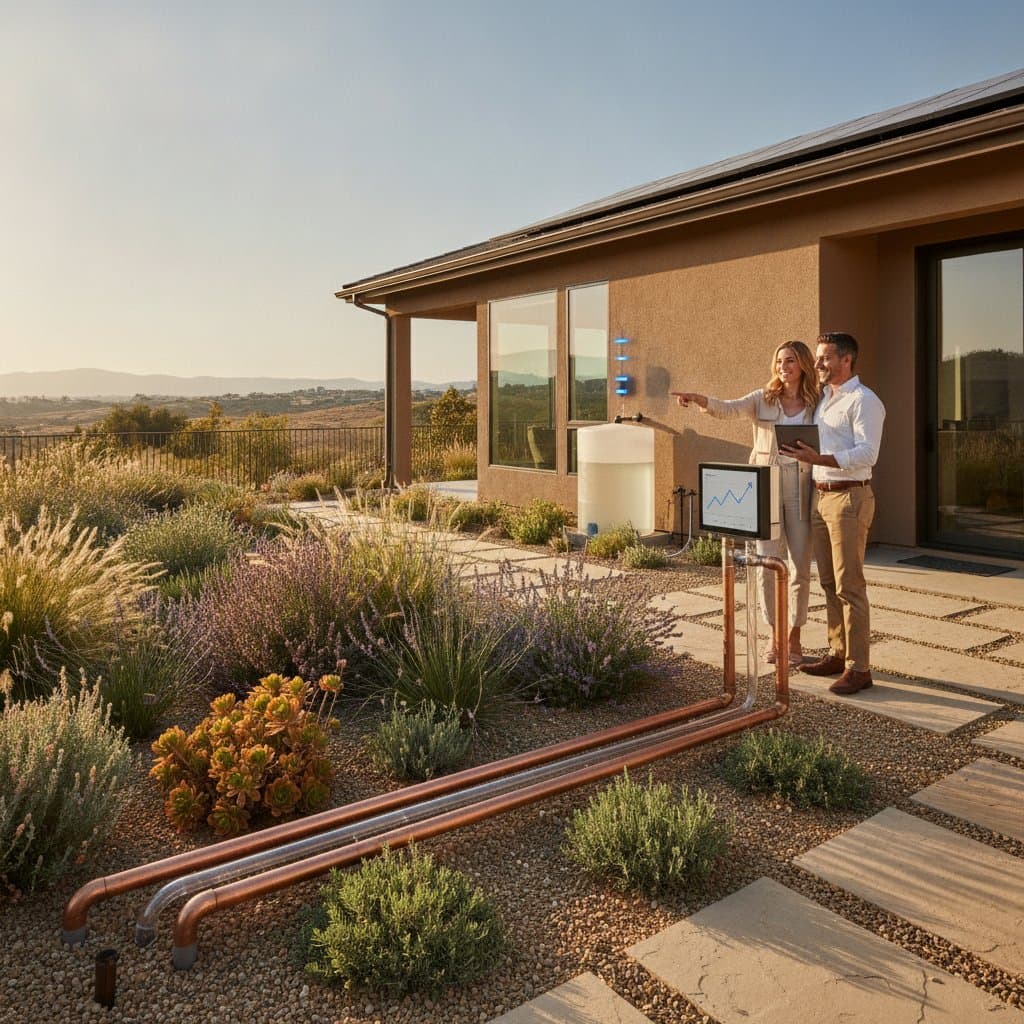
Greywater recycling can raise home resale value by up to 10 percent while cutting irrigation costs. With installation ranging from 3500 to 12000 dollars, these systems offer fast payback in water-restricted regions. Learn cost factors, DIY versus professional steps, and smart savings strategies that make sustainable water reuse a high-ROI upgrade.
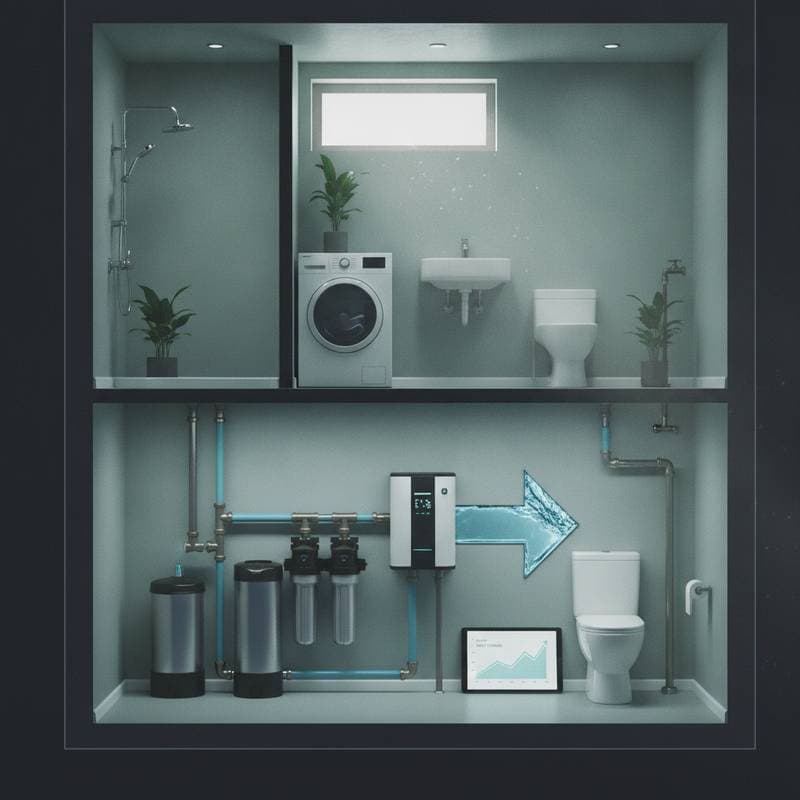
Greywater recycling offers homeowners measurable financial returns alongside sustainability benefits in 2026. This guide details costs, incentives, system options, and ROI considerations to support informed decisions on installation and long-term operation.
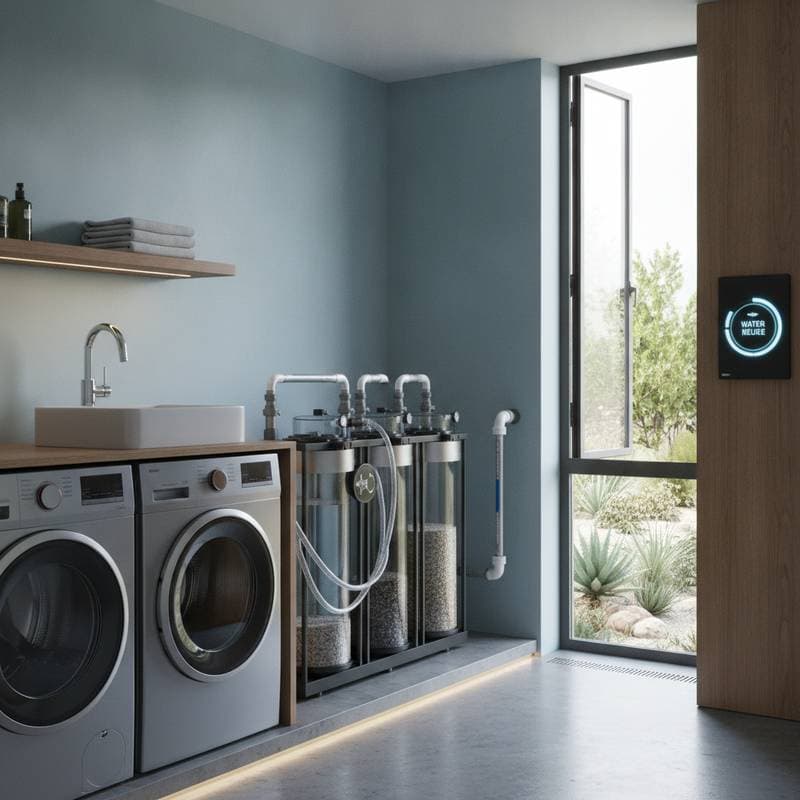
Greywater recycling reuses water from sinks, showers, and laundry to irrigate landscapes and save resources. This guide covers permits, safe installation, filtration, and maintenance essentials. Learn when DIY works, when to hire a pro, and how proper planning prevents contamination while maximizing sustainability, efficiency, and compliance with local regulations.
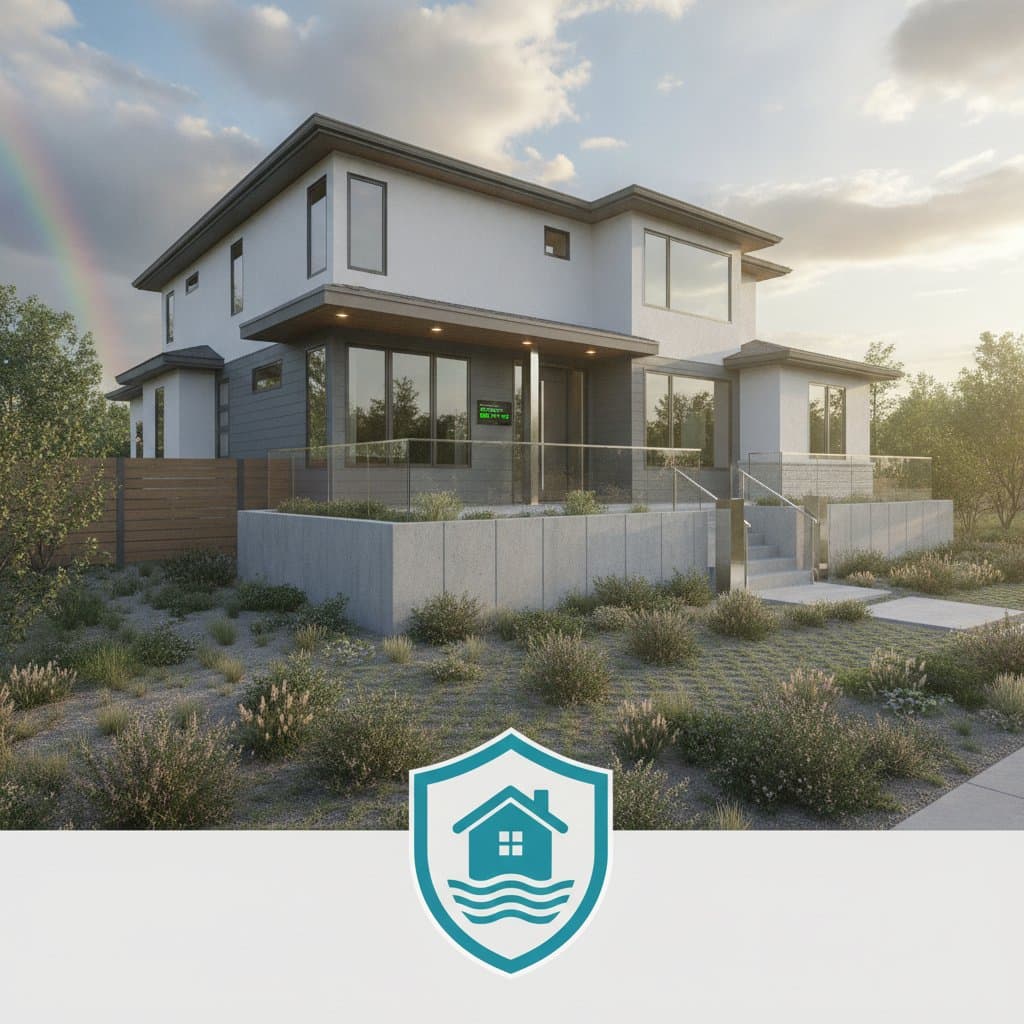
Flood proofing upgrades in 2026 cost $3,000 to $25,000, averaging $11,500. Professionally installed systems can cut damage by up to 80 percent, boost property value, and lower insurance premiums for long term climate resilience.
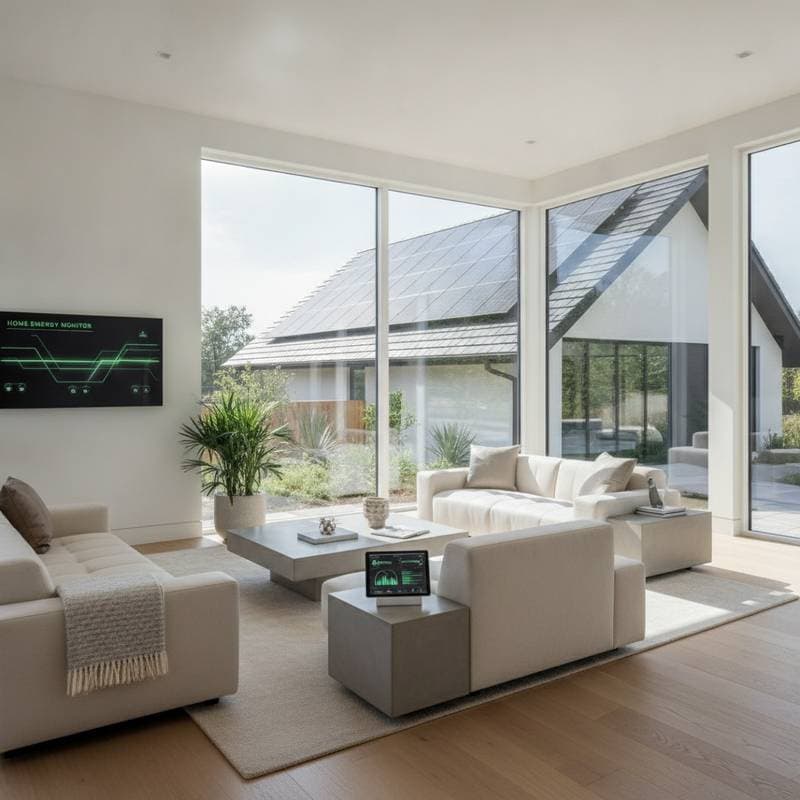
Installing solar panels on new homes in 2026 adds roughly $14,000 to $24,000, averaging $18,500 for a 6-kilowatt system. Early planning during construction cuts labor costs and boosts resale value by up to 5%. Learn how system size, materials, and timing shape your investment, payback, and long-term energy savings.
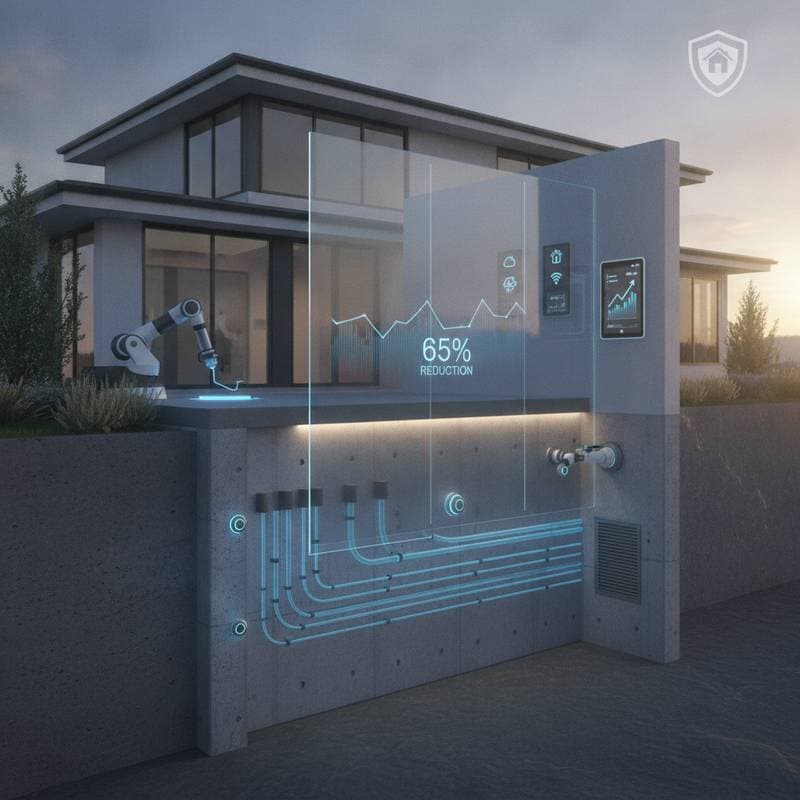
Smart flood proofing blends sensors, automation, and structural upgrades. Costs range from $8,500 to $38,000. Most homeowners spend about $19,600 for systems that cut damage risk by up to 65 percent.
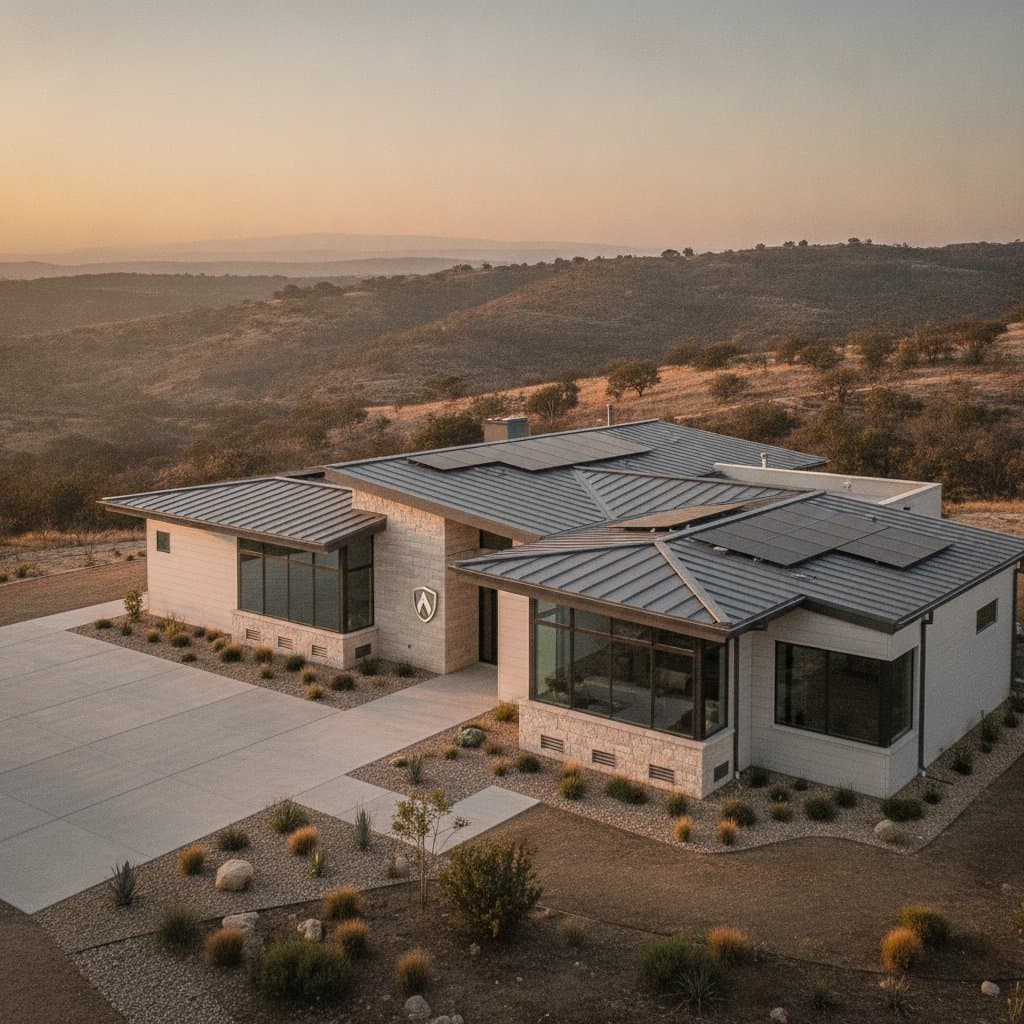
Discover how wildfire resistant materials can cut insurance premiums up to 20 percent while safeguarding your home. Learn which products qualify, what they cost, and how to retrofit safely. From Class A roofing to ember proof vents, this 2026 guide explains smart upgrades, code requirements, and maintenance tips for fire prone properties.
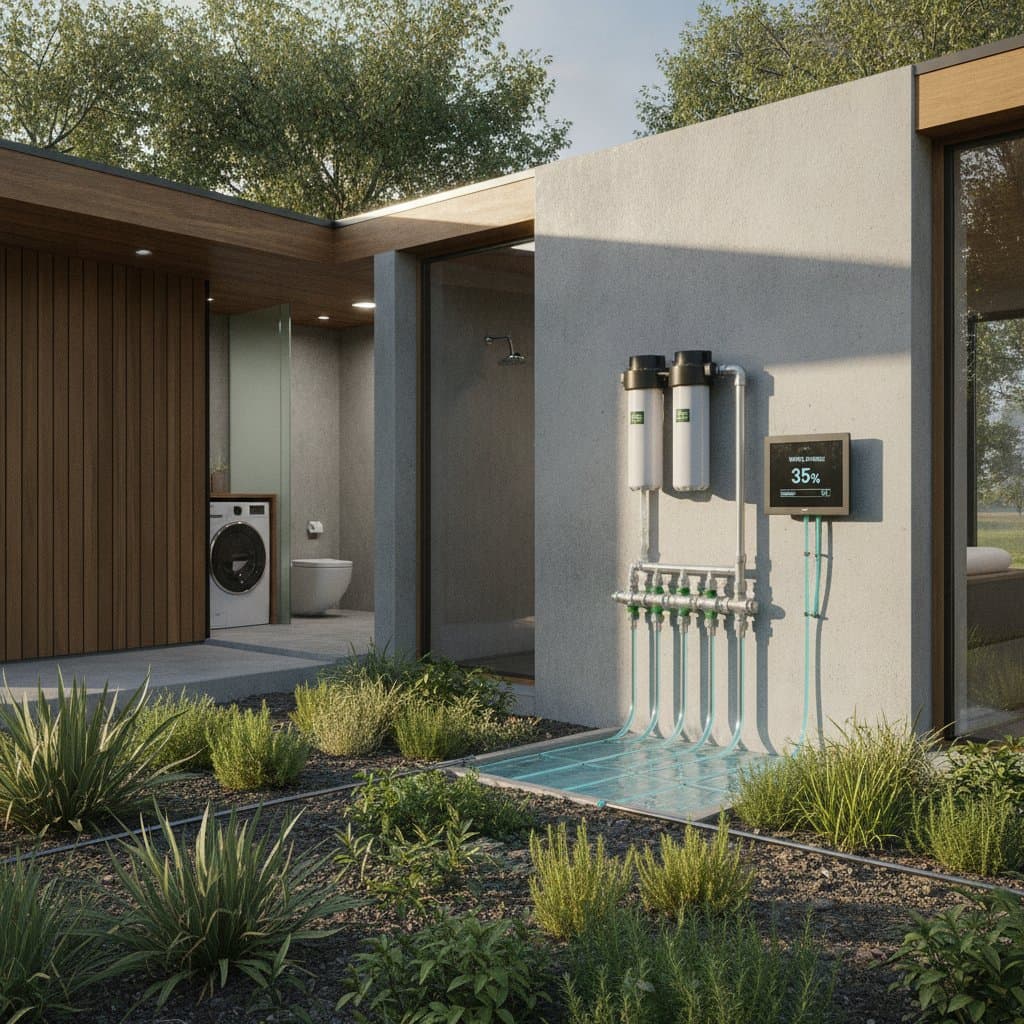
Install a legal greywater system to reuse water from sinks, showers, and laundry. Compare system types, review costs from 800 to 6000 dollars, follow permit steps, and achieve up to 50 percent lower household water use.
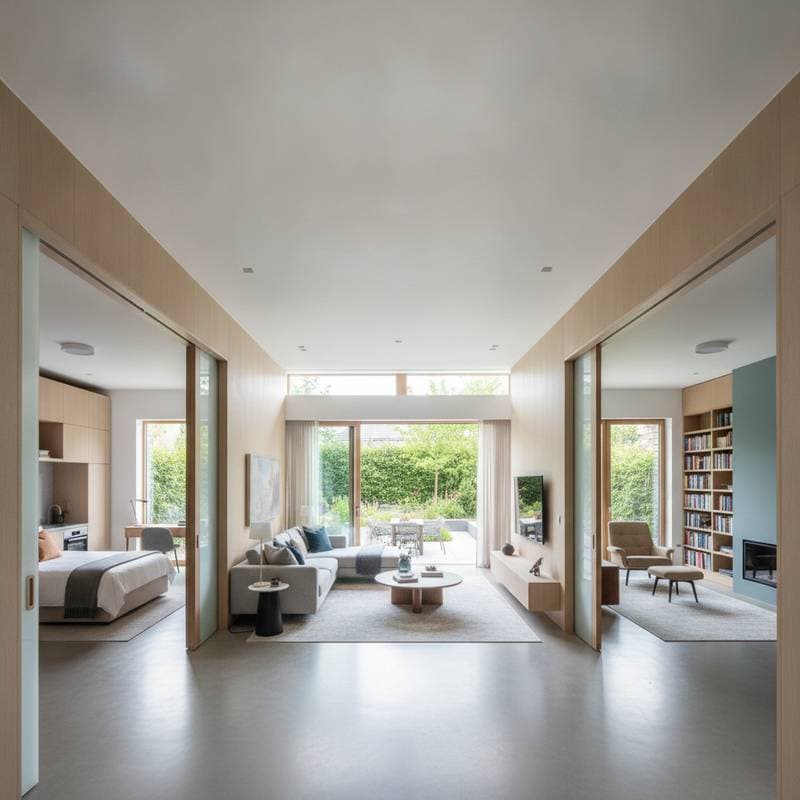
Multigenerational living succeeds when homes provide both private retreats and shared gathering spaces. This guide outlines zoning checks, soundproofing methods, utility planning, and safety measures to create functional layouts that support every generation.
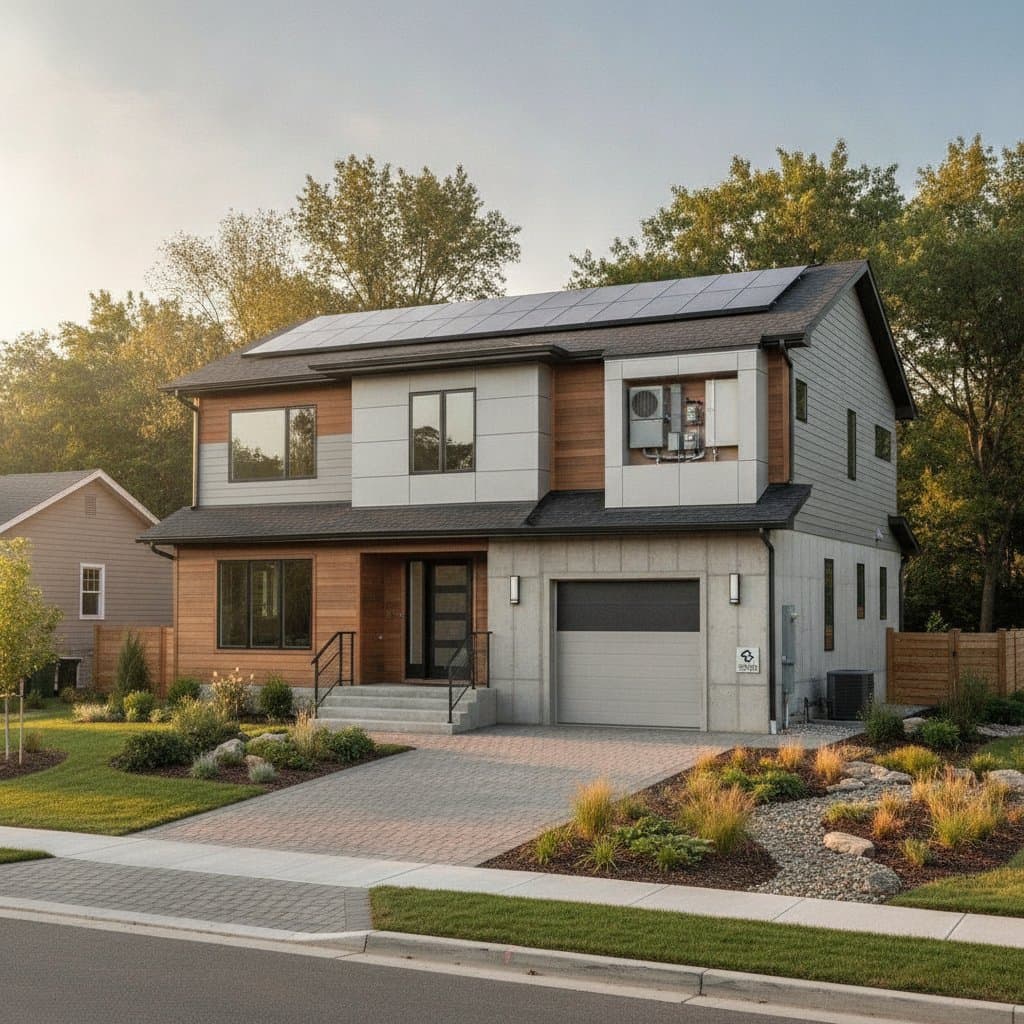
Rising flood risks require targeted home protection. This guide details 2026 flood resilience upgrades from foundation sealing to utility elevation, along with cost ranges, practical steps, and maintenance guidance to protect property and speed recovery after storms.
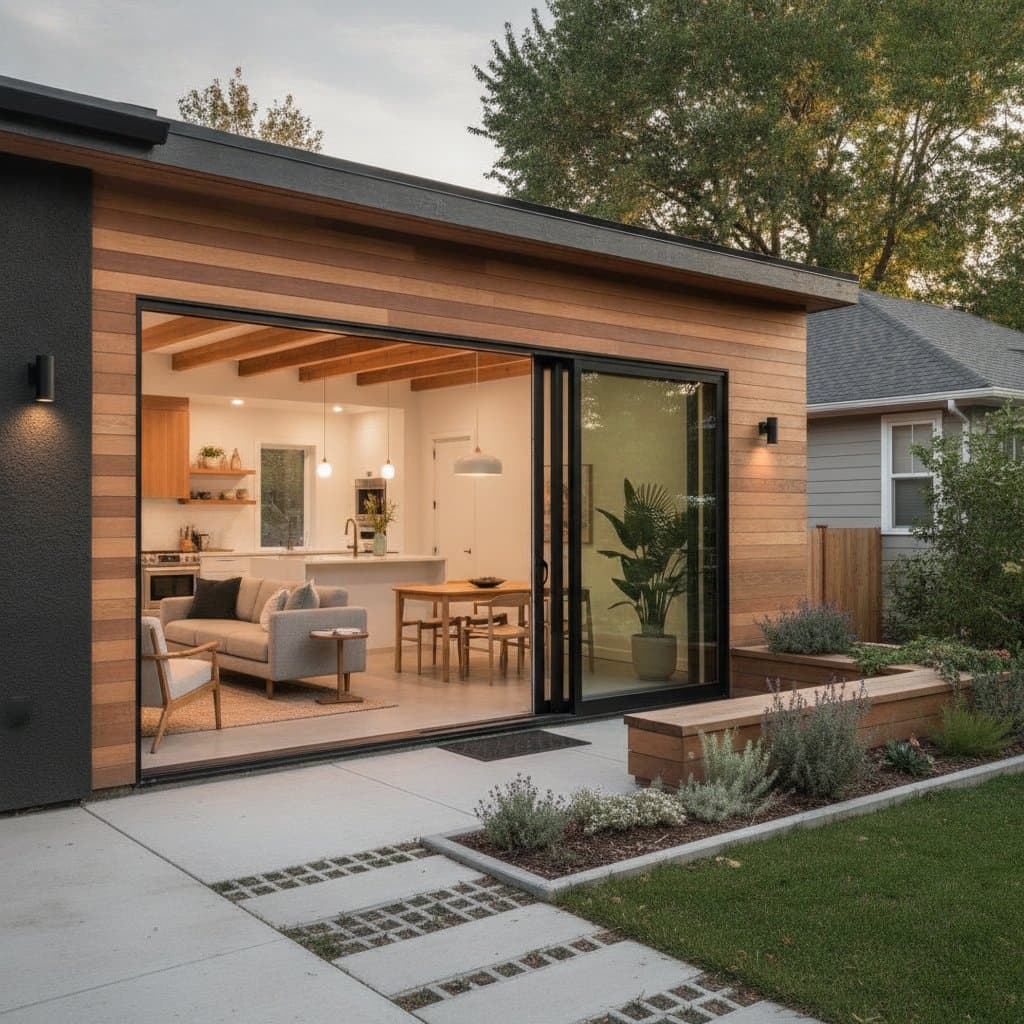
Transforming a garage into an ADU creates flexible multigenerational living space without expanding the home footprint. Expect costs from $90,000 to $180,000, timelines of 12 to 20 weeks, and strict code compliance. Smart design and professional guidance add lasting comfort and value.
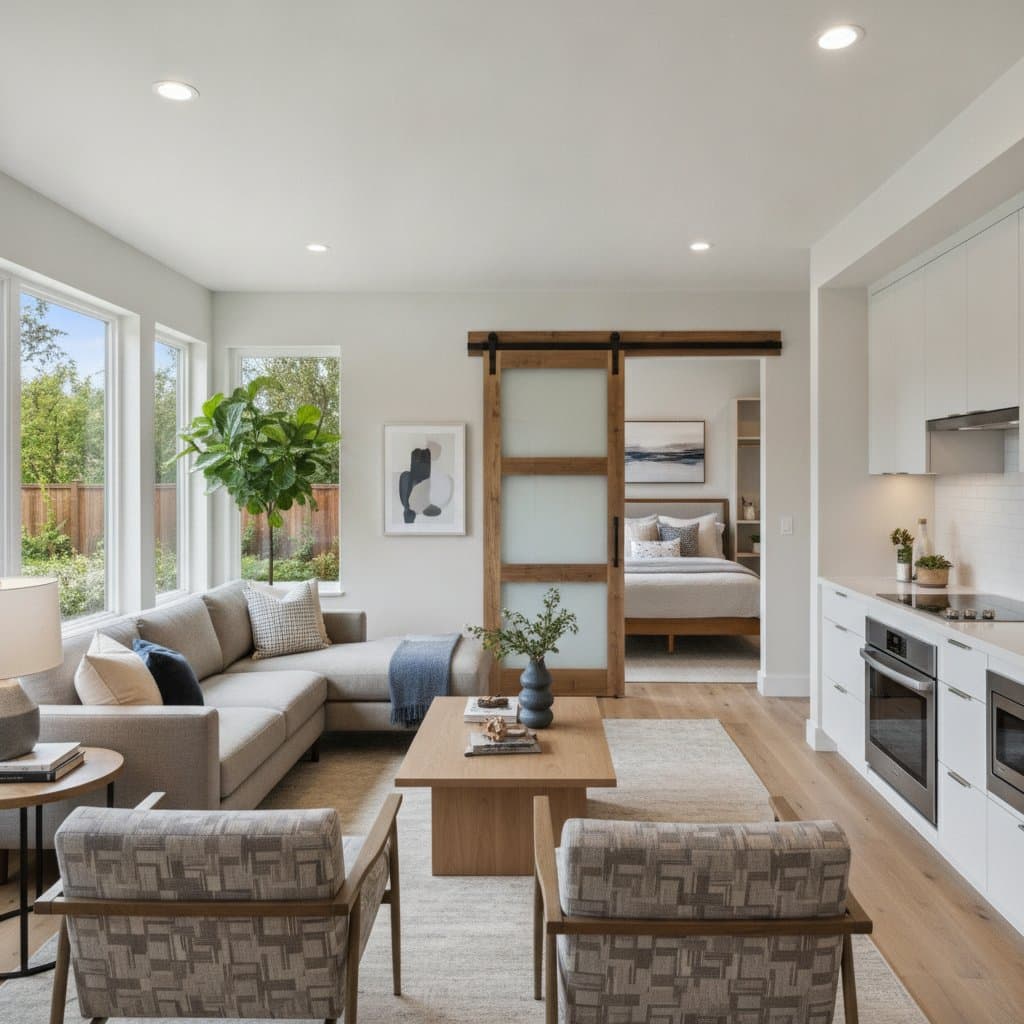
Multigenerational home conversions cost $60,000 to $250,000, with most projects averaging $145,000. Discover how scope, materials, and location affect pricing while strategic planning improves comfort and long-term returns.
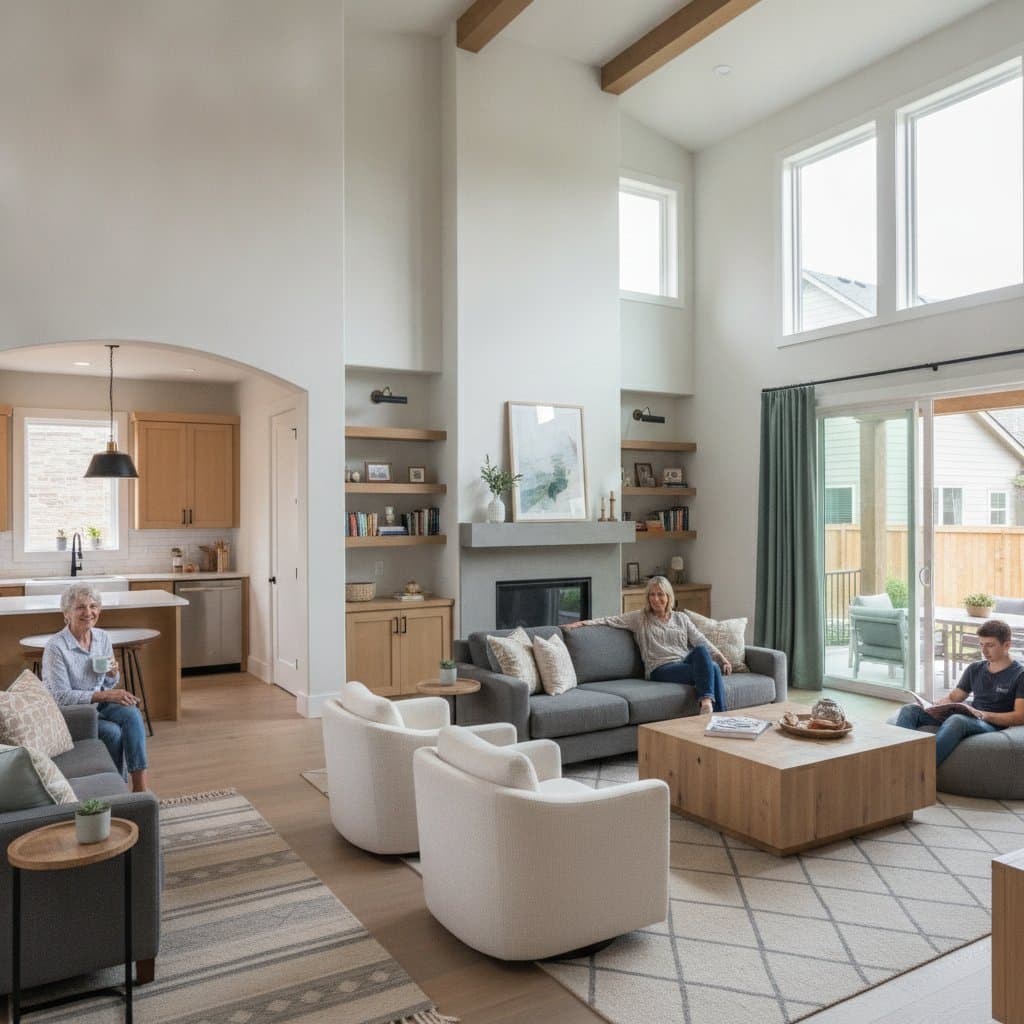
Multigenerational homes cost $150,000 to $450,000 to build or convert. Explore detailed pricing, material options, and planning steps that support family living and long-term value.