Build Multigenerational Homes Without Breaking the Bank
Project Overview
Multigenerational homes allow families to live together under one roof, fostering support and shared responsibilities. These setups range from simple basement conversions to standalone accessory dwelling units (ADUs). Costs typically fall between $90,000 and $250,000, influenced by location, size, and features. Families pursue such projects to accommodate aging parents, young adults, or extended relatives, balancing affordability with long-term value.
Planning requires careful consideration of space needs, privacy levels, and utility sharing. Professional input ensures compliance with building codes and enhances resale potential. This guide provides a clear path to estimate expenses, select options, and execute the build efficiently.
Summary Box
National average cost: $150,000
Typical range: $90,000 to $250,000
Low end: $40,000 for basic in-law suite conversion
High end: $400,000 for full detached accessory dwelling unit (ADU)
Time to complete: 3 to 8 months
DIY or Pro: Mostly professional with limited DIY finish work
ROI or resale impact: 50% to 80% depending on layout and rental potential
Updated: April
Key Cost Factors
Several elements determine the total investment for a multigenerational home addition. Understanding these helps families allocate funds wisely and avoid surprises.
Scope and Size
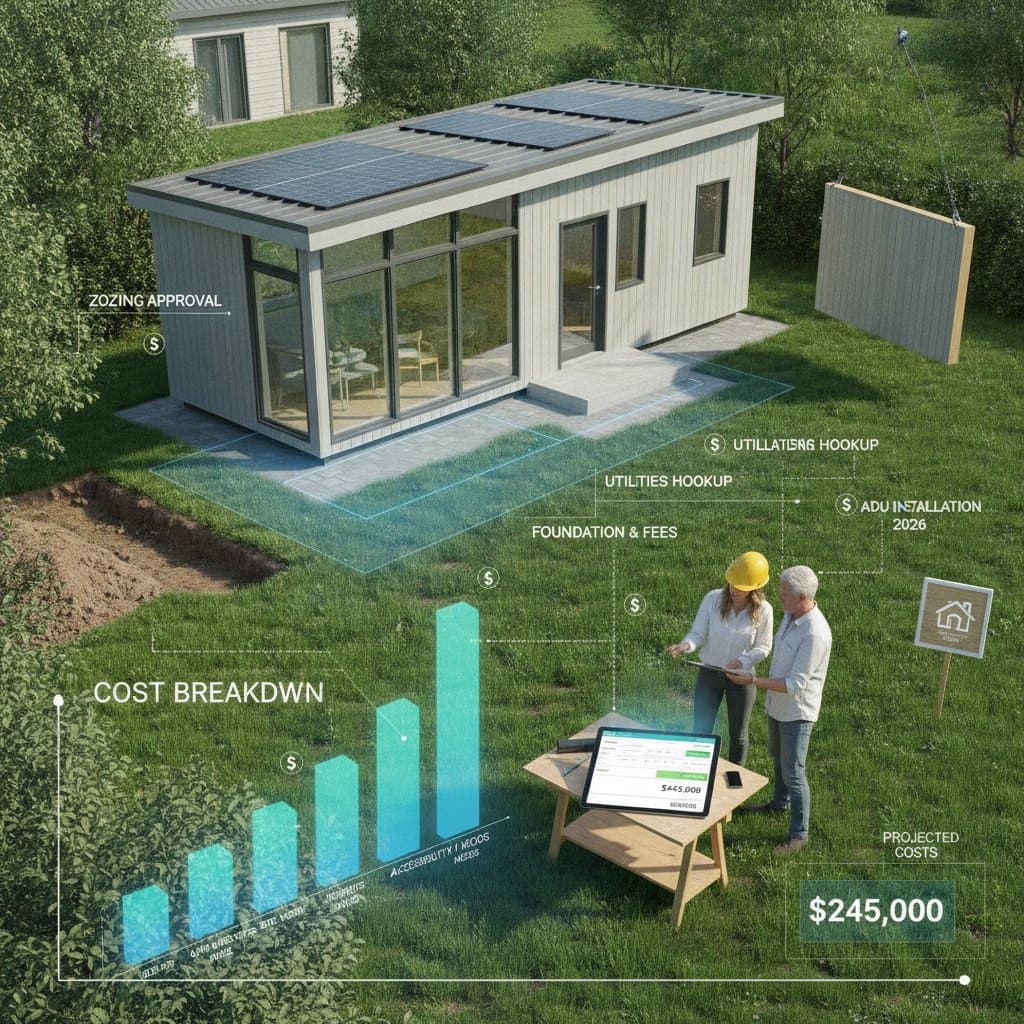
The project's scale directly affects pricing. A modest basement conversion, adding 400 to 600 square feet, often costs $90,000 to $120,000. This includes basic partitioning, a half-bathroom, and a kitchenette. In contrast, a detached ADU of 800 square feet can reach $200,000 to $250,000 due to foundation work and separate utilities. Larger spaces demand more materials and labor, increasing expenses by 20% to 30% per additional 100 square feet.
Material Choices
Opting for builder-grade materials keeps costs in check but may compromise durability. For instance, vinyl flooring and stock cabinetry reduce outlays by 15% compared to hardwood and custom pieces. High-end selections, such as granite countertops or energy-efficient windows, add $10,000 to $30,000 but improve efficiency and appeal. Evaluate trade-offs based on usage; high-traffic areas benefit from resilient options.
Site-Specific Challenges
Property conditions play a significant role. Flat, accessible lots simplify construction, while sloped terrain requires retaining walls or grading, adding $15,000 to $40,000. Limited access, common in urban settings, raises delivery fees for heavy materials like concrete. Soil testing, costing $500 to $2,000, identifies issues early and prevents costly rework.
Regional Labor Variations
Contractor rates vary by location. In rural areas, labor might total 30% of the budget, whereas urban centers with high demand can push this to 50%. For example, a mid-sized city bid for plumbing installation averages $8,000, but coastal regions see figures up to $12,000. Factor in supply chain delays, which extend timelines and inflate costs by 10%.
Custom Features
Elements like private entrances, full kitchens, or wheelchair-accessible designs elevate totals. Installing separate plumbing lines adds $5,000 to $15,000, while soundproofing walls for privacy costs $2,000 to $5,000. These enhancements support independent living but require precise budgeting to stay within range.
Strategies to Minimize Expenses
Reducing costs does not mean settling for subpar results. Targeted approaches allow families to achieve functionality while preserving funds for essentials.
Repurpose Underutilized Areas
Transform existing structures to bypass major groundwork. A garage conversion, for example, reuses the foundation and roof, limiting costs to $50,000 to $80,000 for interior fit-outs. Basements offer similar savings, with egress windows and moisture barriers adding $10,000. This method cuts overall expenses by 40% compared to new builds.
Incorporate Prefabricated Elements
Prefabs streamline installation and lower labor needs. Modular kitchen units assemble in days, saving $5,000 to $10,000 over site-built alternatives. Prehung doors and energy-efficient prefab walls reduce material waste and speed progress. Source these from reputable suppliers to ensure code compliance.
Optimize Shared Infrastructure
Design for communal systems where feasible. A single HVAC unit serving both primary and added spaces trims $8,000 from heating costs, though separate zones maintain comfort. Shared water heaters work well for smaller setups, but dedicated lines prevent bottlenecks during peak use. Balance savings with privacy by including isolation valves.
Coordinate Multiple Upgrades
Timing projects together maximizes efficiency. If constructing an ADU, upgrade the main home's electrical system simultaneously to avoid duplicate mobilization fees, potentially saving 20%. Roof repairs or siding refreshes bundled in reduce per-unit costs. Consult contractors on phased approaches to spread payments.
Secure Competitive Bids
Obtain at least three detailed quotes to benchmark pricing. Insist on itemized breakdowns covering labor, materials, and contingencies. This process uncovers discrepancies, such as varying permit estimates, and fosters negotiation. Review warranties and milestone payments to protect investments.
Essential Quote Evaluation Checklist:
- Scope details are fully itemized with quantities
- Material specifications include grades and brands
- Site preparation and post-construction cleanup are specified
- Permit applications, fees, and waste disposal are accounted for
- Warranty coverage and duration are clearly defined
- Payment schedule aligns with project milestones
Project Timeline Essentials
Efficient scheduling keeps costs down and minimizes disruption. Break the process into phases for better management.
Planning and Approvals
Initial design and permitting take 4 to 10 weeks. Architects draft layouts based on family input, costing $3,000 to $7,000. Submit plans to local authorities; zoning reviews for ADUs may extend this by 2 to 4 weeks. Early engagement with inspectors clarifies requirements and avoids revisions.
Construction Phases
Building spans 8 to 24 weeks, scaled to complexity. Foundation and framing occur first, followed by rough-ins for plumbing and electrical. Interior finishes, including painting and flooring, conclude the work. Weather delays in outdoor projects add 2 to 4 weeks; indoor conversions proceed faster.
Inspection Milestones
Regular checks ensure safety and compliance. Framing inspections verify structural integrity after 4 to 6 weeks. Rough-in reviews cover utilities before walls close. Final approvals, post-finishes, confirm habitability. Schedule these promptly to maintain momentum.
Long-Term Maintenance Considerations
A well-planned multigenerational home endures with routine care. Focus on durability to extend lifespan and protect the investment.
Routine Upkeep Tasks
Annual inspections of shared systems prevent issues. Clean HVAC filters quarterly to maintain efficiency, and inspect plumbing for leaks biannually. Exterior maintenance, like sealing foundations, costs $500 yearly but averts water damage. Budget 1% of construction costs for ongoing expenses.
Expected Lifespan
Quality builds last 30 to 50 years with proper care. Modular components offer 20-year warranties, while custom features endure longer. Energy-efficient designs reduce utility bills by 15% to 25%, enhancing financial viability. Resale value holds if adaptations support universal accessibility.
Common Pitfalls to Avoid
Neglecting ventilation leads to moisture problems in shared spaces. Overloading electrical systems from added appliances requires upgrades. Plan for scalability, such as future-proof wiring, to accommodate changing needs without full overhauls.
Steps to Initiate Your Build
Launch the project with structured preparation. This ensures alignment with family goals and budget constraints.
Assemble Your Team
Select a licensed general contractor experienced in multigenerational designs. Involve an architect for custom layouts and a structural engineer for site assessments. Family meetings define priorities, such as bedroom counts or accessibility features, to guide decisions.
Budget and Finance Planning
Create a detailed spreadsheet tracking costs across categories. Secure financing through home equity loans or construction-specific mortgages, aiming for rates under 5%. Allocate 10% to 15% for contingencies like material price fluctuations.
Execution and Monitoring
Start with a kickoff meeting to outline timelines. Use project management apps to track progress and communicate updates. Conduct weekly site visits to address concerns early. Upon completion, review final invoices against estimates for accuracy.
Achieving Enduring Family Value
Investing in a multigenerational home strengthens bonds and provides practical support. Savings from shared living offset initial costs over time, while flexible designs adapt to life stages. Families report higher satisfaction from proximity and reduced isolation. This approach not only builds spaces but cultivates lasting connections, delivering returns beyond financial measures.