
Articles tagged with sustainable
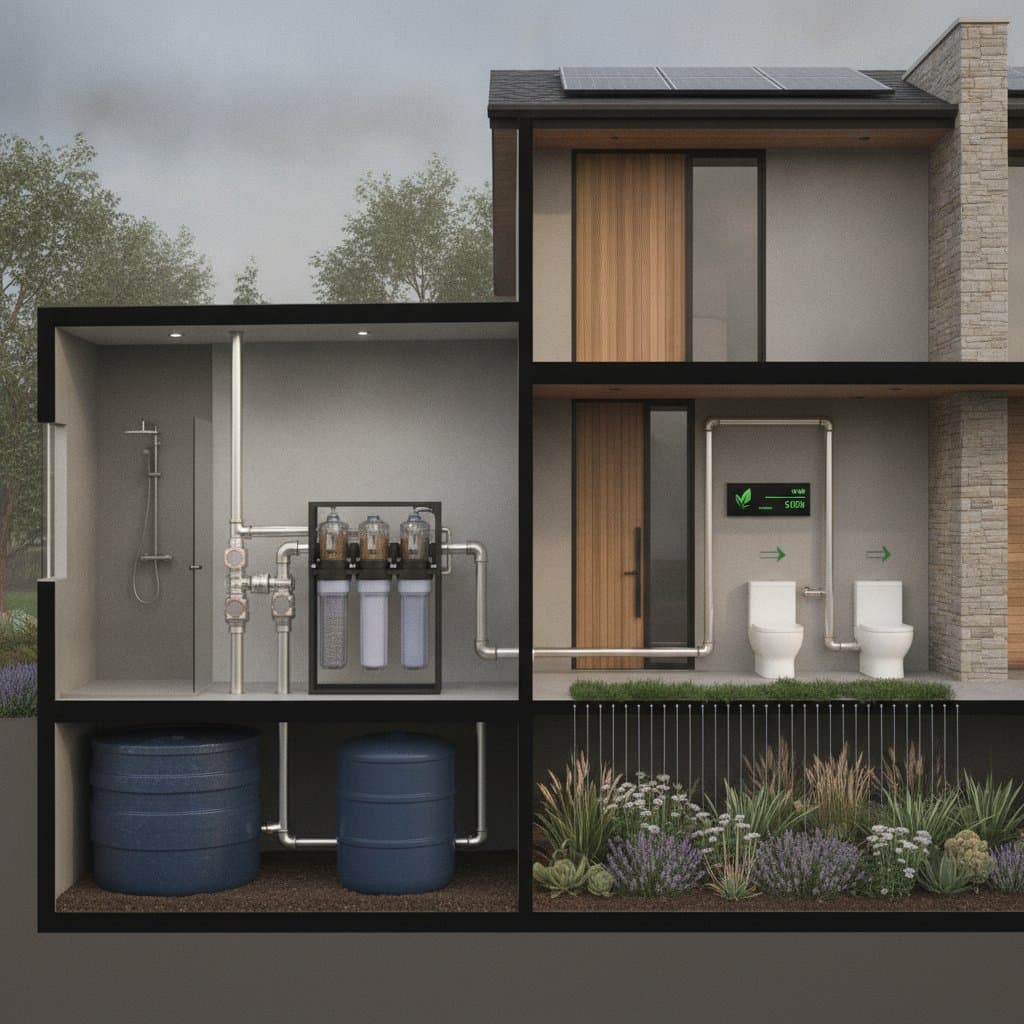
Greywater recycling turns everyday wastewater into a reusable resource that lowers utility bills and conserves water. This guide covers system types, installation steps, costs, and maintenance requirements for homeowners seeking greater efficiency.
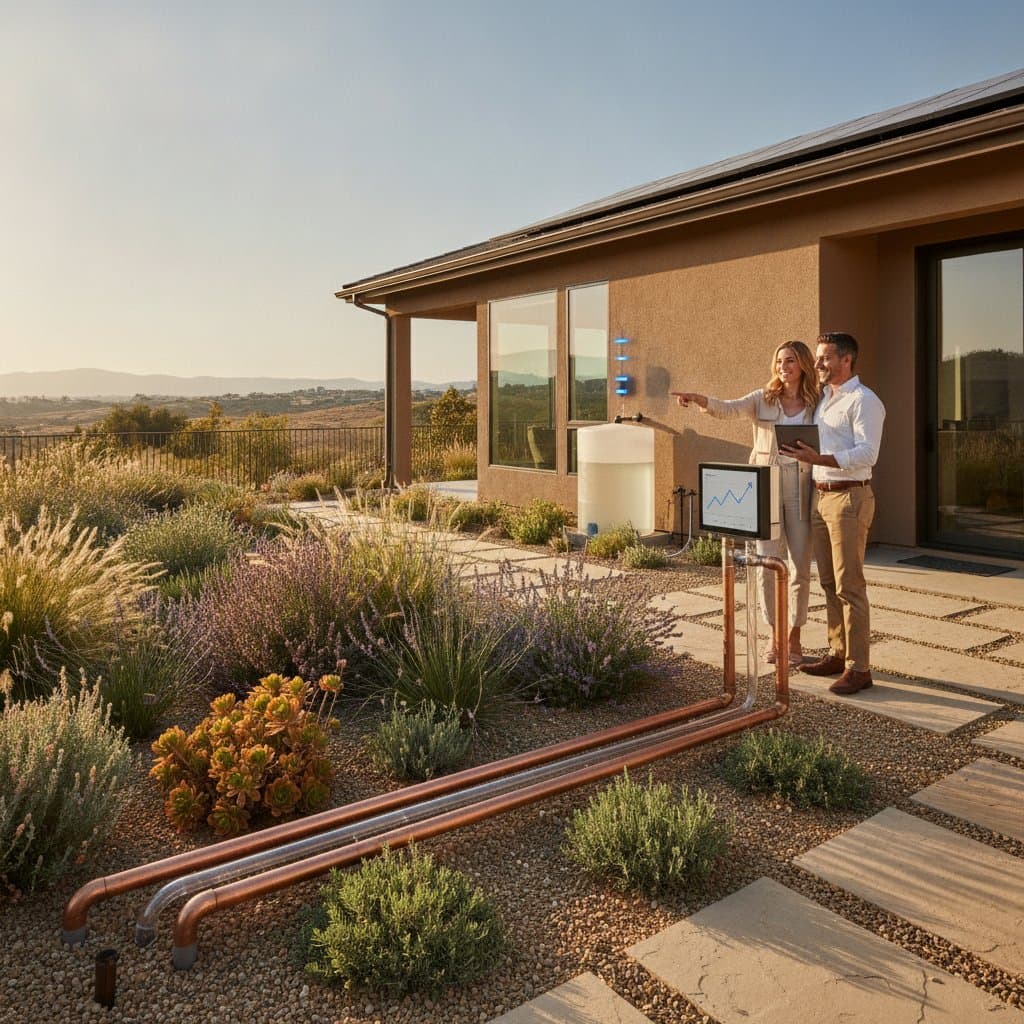
Greywater recycling can raise home resale value by up to 10 percent while cutting irrigation costs. With installation ranging from 3500 to 12000 dollars, these systems offer fast payback in water-restricted regions. Learn cost factors, DIY versus professional steps, and smart savings strategies that make sustainable water reuse a high-ROI upgrade.
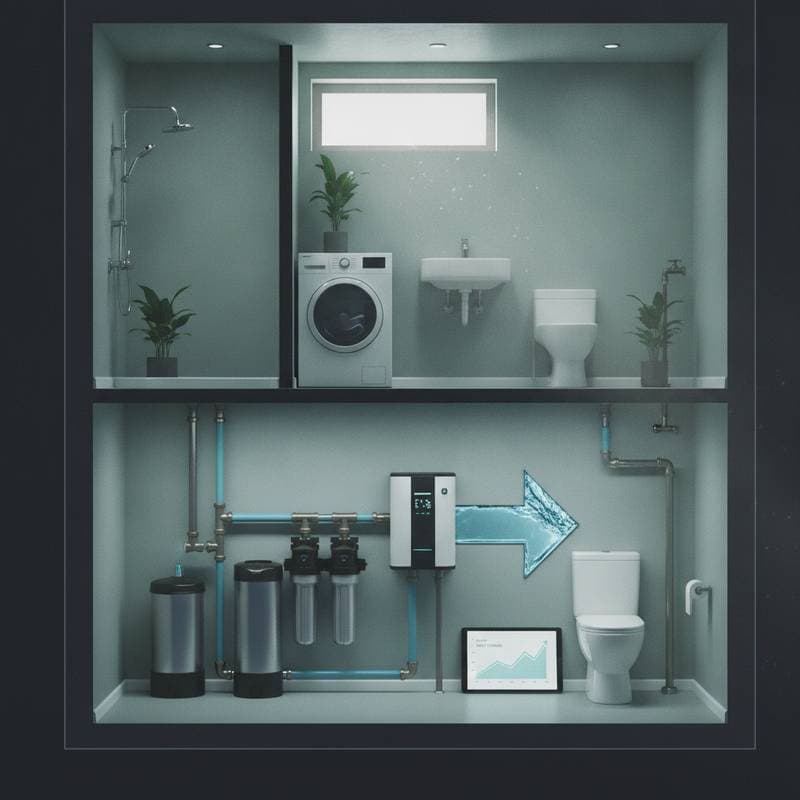
Greywater recycling offers homeowners measurable financial returns alongside sustainability benefits in 2026. This guide details costs, incentives, system options, and ROI considerations to support informed decisions on installation and long-term operation.
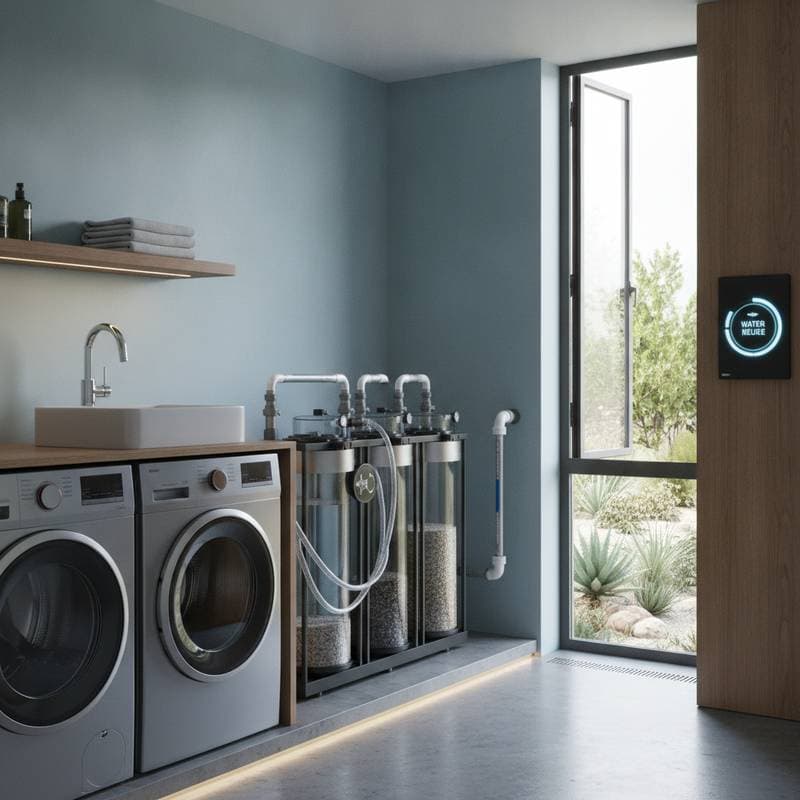
Greywater recycling reuses water from sinks, showers, and laundry to irrigate landscapes and save resources. This guide covers permits, safe installation, filtration, and maintenance essentials. Learn when DIY works, when to hire a pro, and how proper planning prevents contamination while maximizing sustainability, efficiency, and compliance with local regulations.
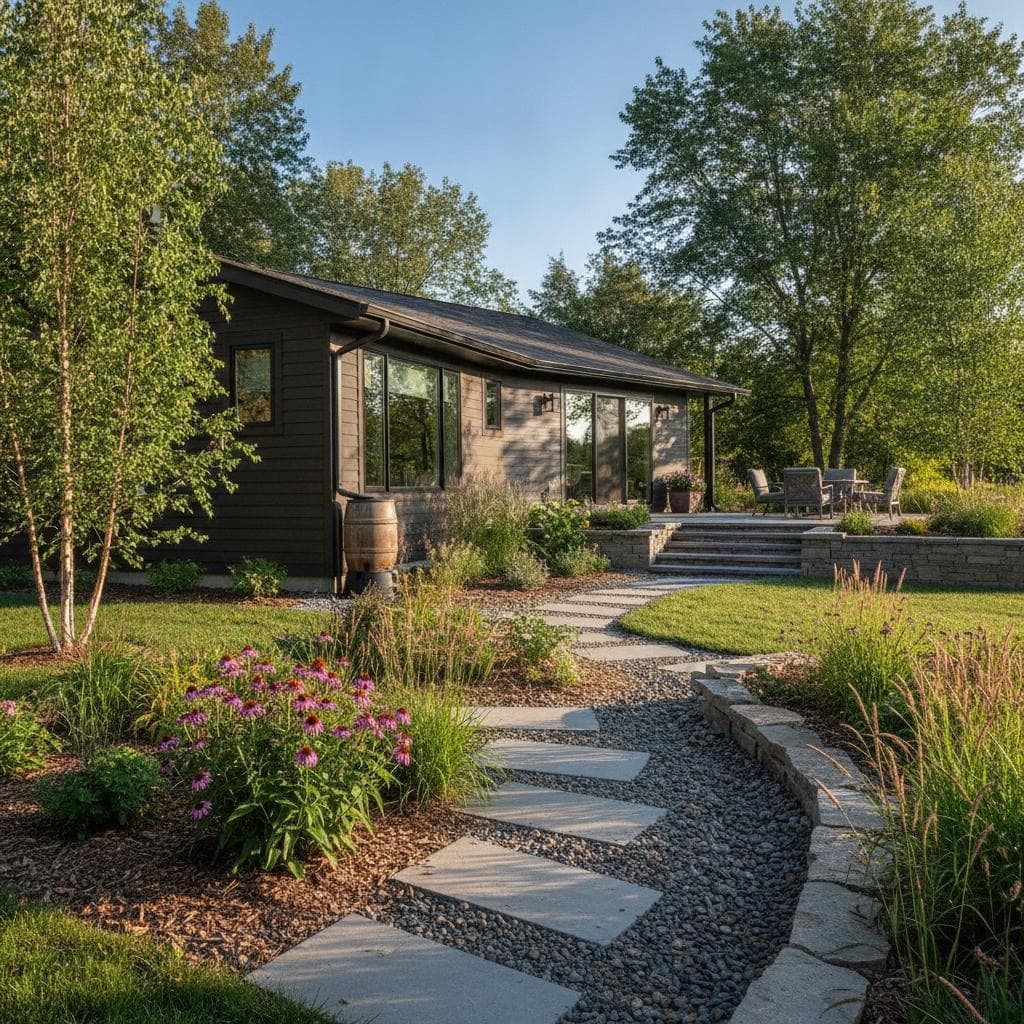
Transform your yard into a flood-resistant landscape that safeguards your home and boosts property value. Learn how design, materials, and site conditions affect costs from $3,000 to $10,000, explore eco-friendly drainage options, and see why professional planning supports sustainability and long-term resilience.
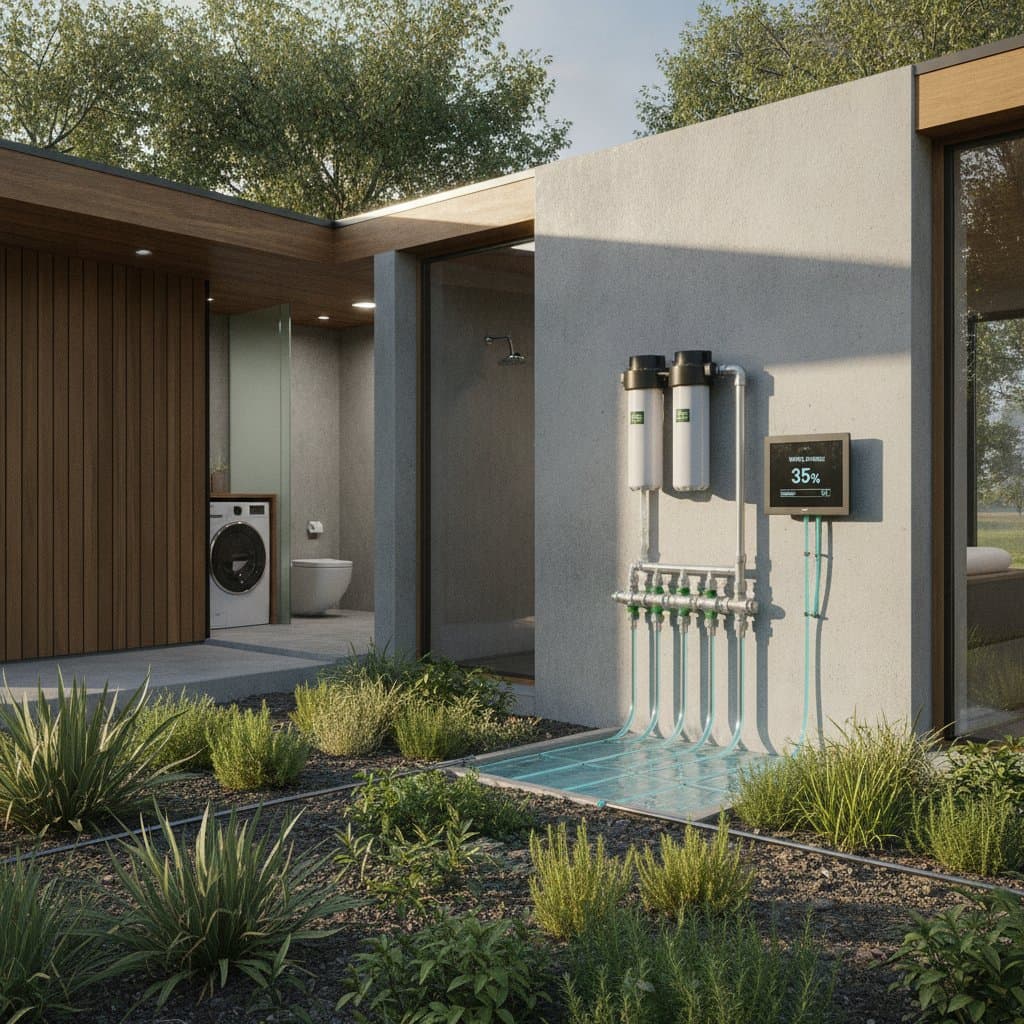
Install a legal greywater system to reuse water from sinks, showers, and laundry. Compare system types, review costs from 800 to 6000 dollars, follow permit steps, and achieve up to 50 percent lower household water use.
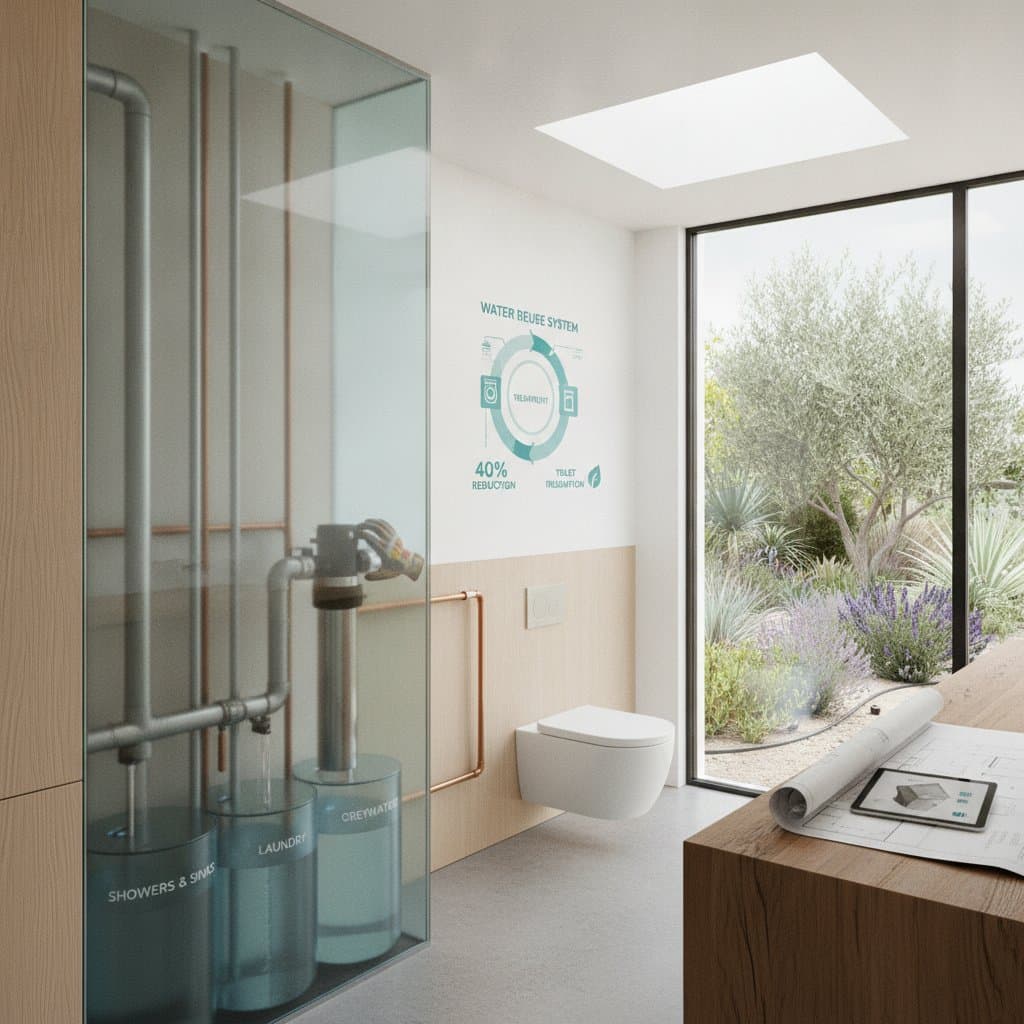
Greywater systems capture water from sinks, showers, and laundry for garden irrigation and toilet flushing. This guide covers system options, costs, installation, safety requirements, and upkeep to help homeowners lower consumption while meeting local codes.
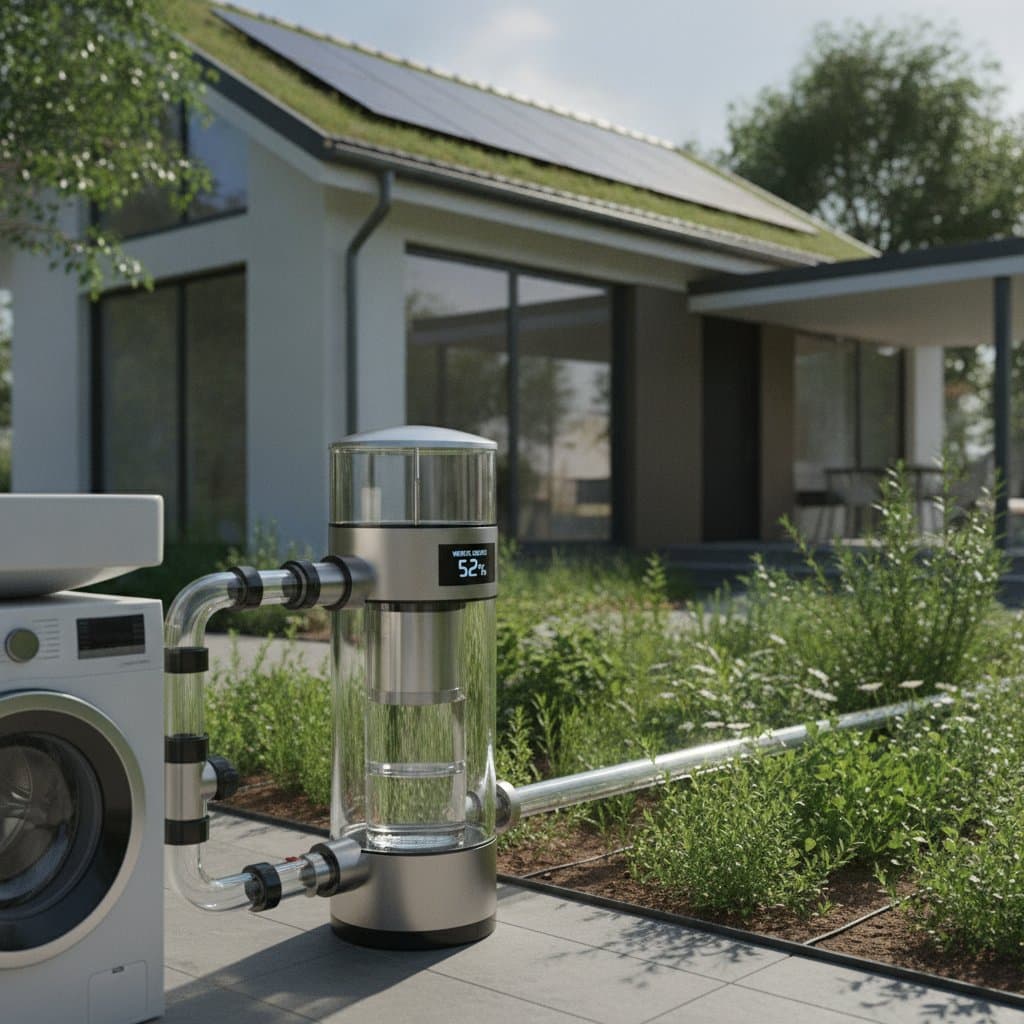
Greywater systems capture water from everyday household sources and redirect it for irrigation or toilet flushing, delivering substantial reductions in water bills and resource consumption when properly planned and maintained.
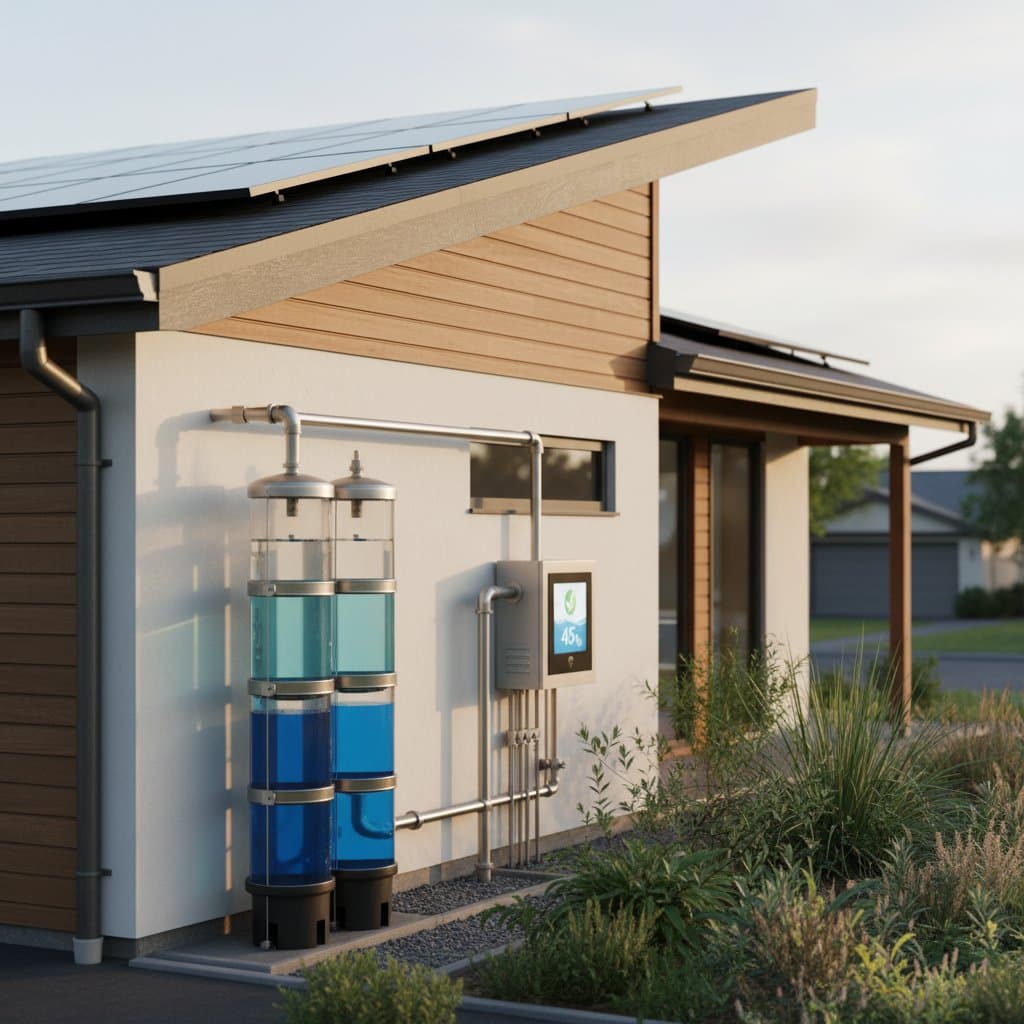
Greywater systems recycle water from sinks, showers, and laundry for irrigation or toilets, cutting household water use and costs. Prices range from 2000 dollars to 8000 dollars and suit drought-prone or high-rate areas. Proper installation, maintenance, and smart design turn wastewater into savings while boosting sustainability and home value.
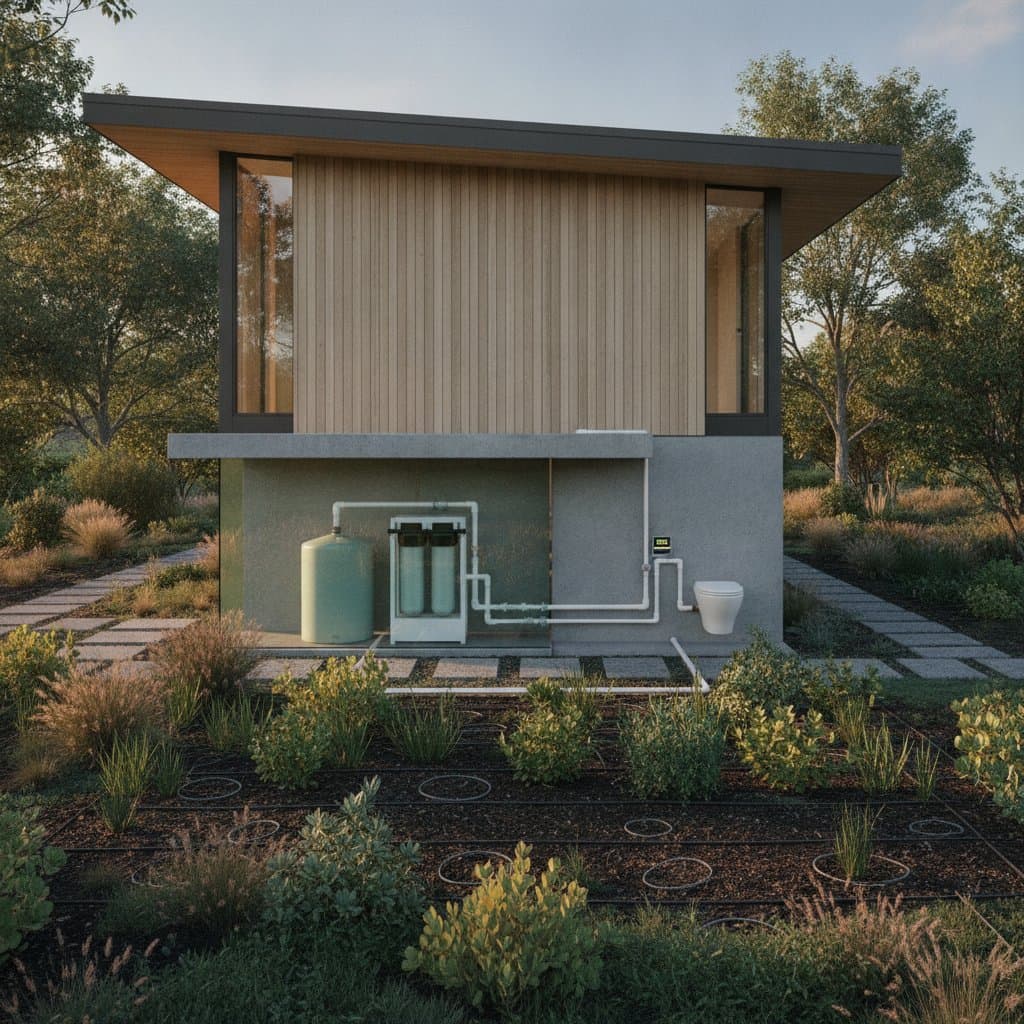
Greywater systems recycle water from sinks, showers, and laundry for irrigation or toilets. Installation averages 2500 to 9000 dollars. With proper design, maintenance, and code compliance they deliver sustainable savings and long term resilience.
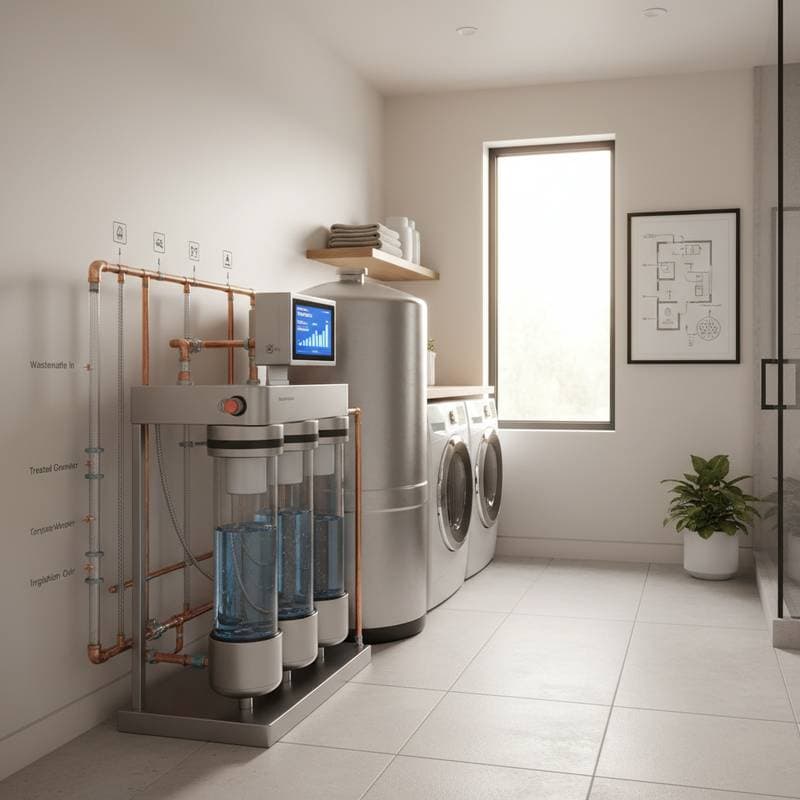
Home greywater systems recycle household water for reuse at a cost of $2,800 to $9,500. Professional installation improves efficiency, compliance, and property value while DIY options carry added risk.
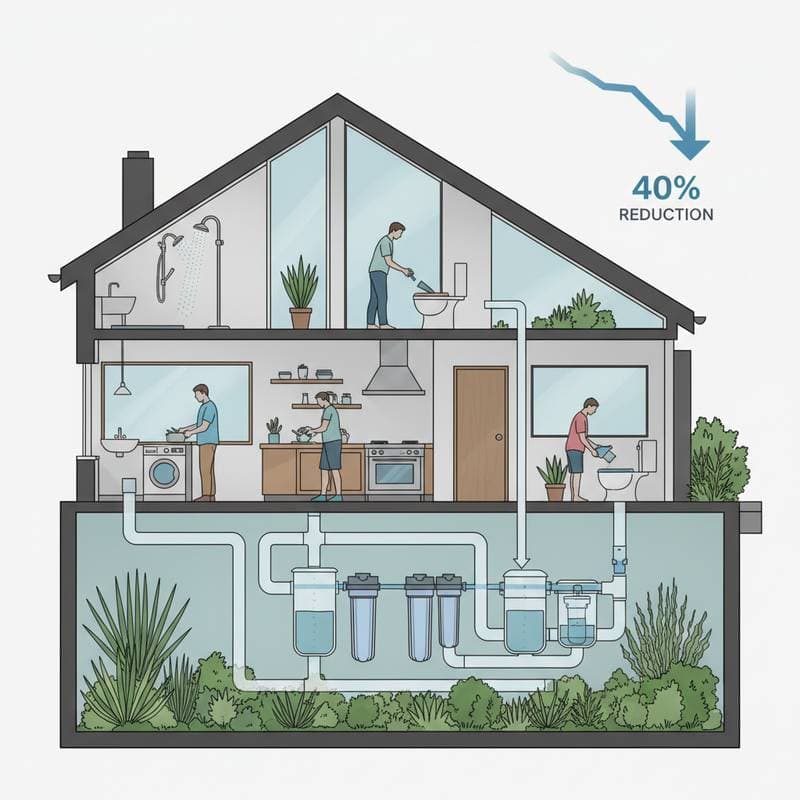
Greywater recycling transforms lightly used household water into a smart resource, trimming bills by up to 40 percent while conserving local supplies. With proper design, maintenance, and code compliance, homeowners can reuse water safely for irrigation or toilets.
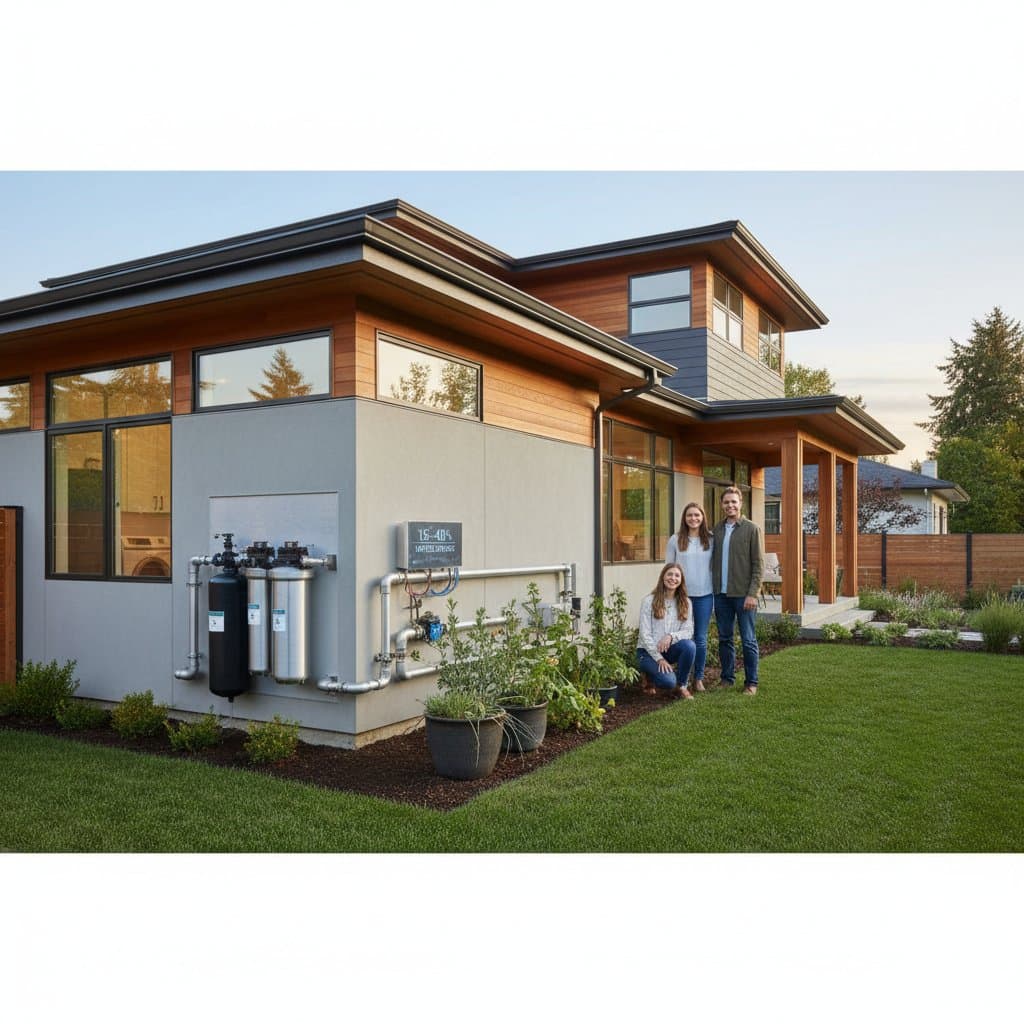
Greywater systems installed in 2026 range from 2000 to 7000 dollars and deliver 15 to 40 percent reductions in outdoor water use. Options span simple laundry setups to full house systems. Learn how design, labor, and site conditions shape total expense and long term returns.
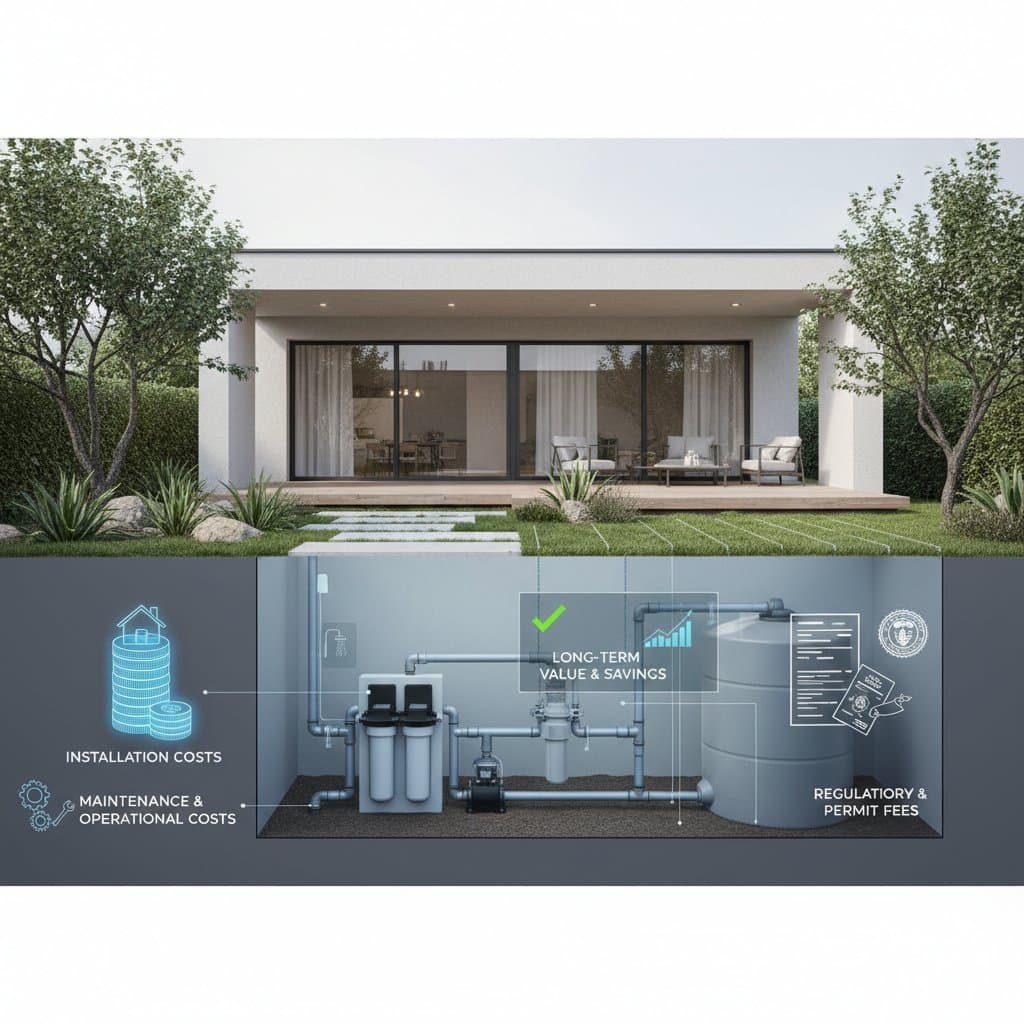
Greywater systems reduce water bills through reuse, yet total expenses involve design, permits, and upkeep. Homeowners who review options carefully gain reliable performance and lasting savings.
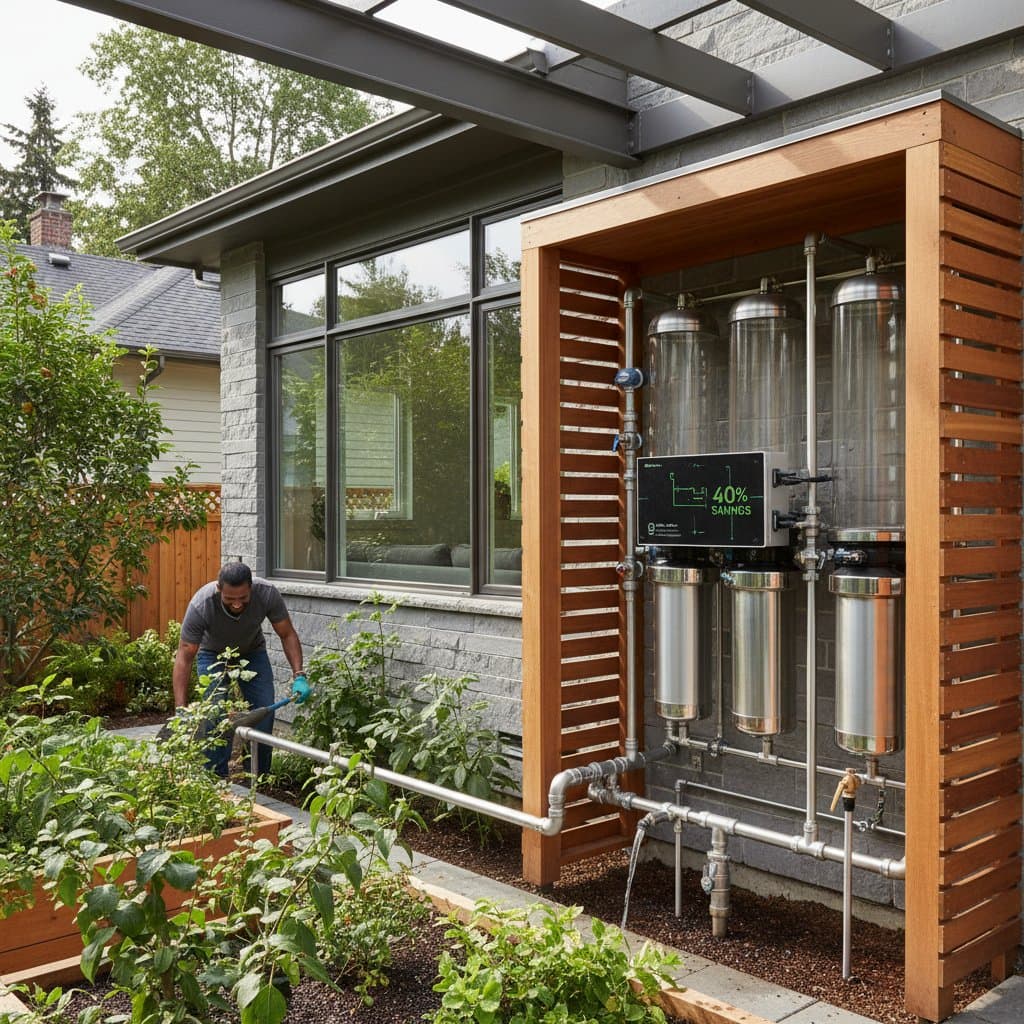
Greywater systems repurpose household wastewater to decrease outdoor water needs by up to 40%. Installations average $5,200, varying by scale, filtration, and permits. From $1,800 DIY options to $9,500 advanced units, discover strategies for savings, essential permits, and professional setup for optimal efficiency and enduring benefits.
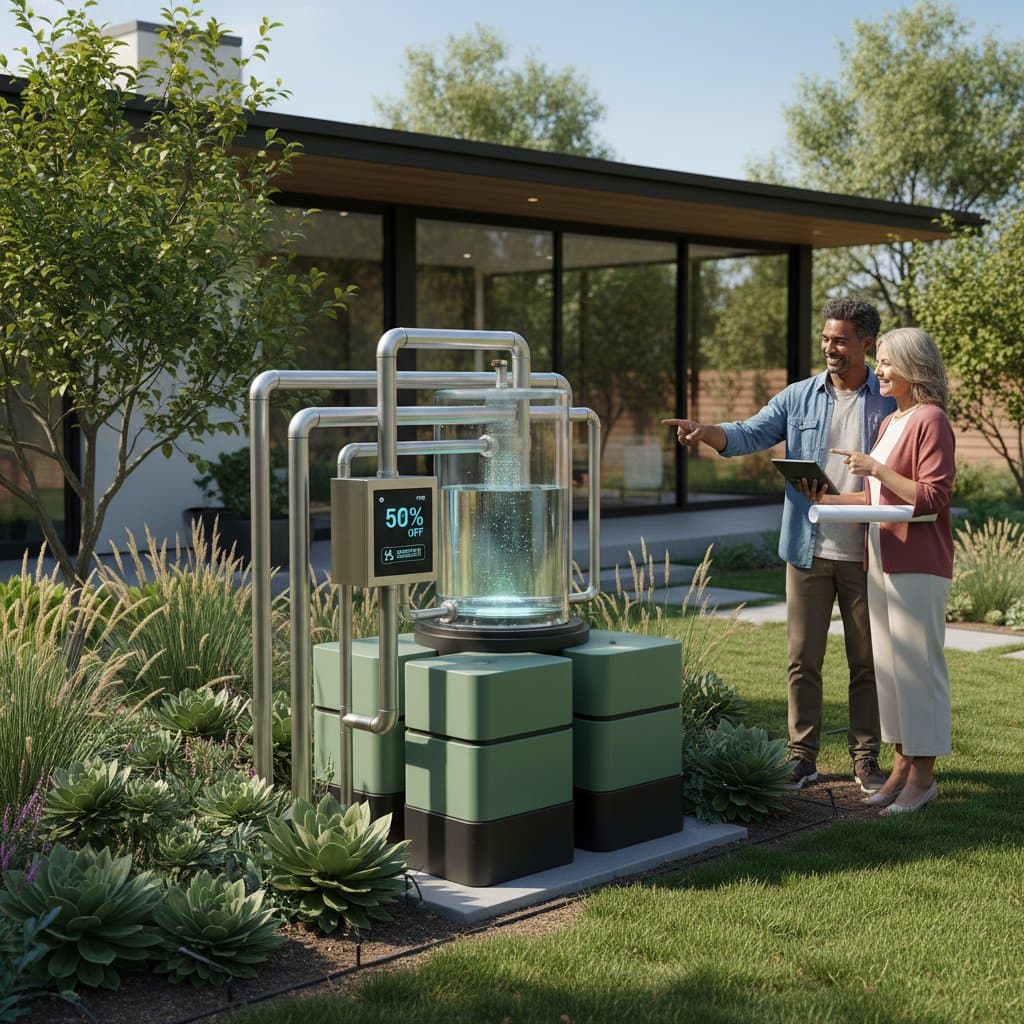
2026 rebates cut greywater system expenses by up to 50%, enhancing affordability for water recycling solutions. This resource covers system design, installation options, rebate qualifications, and practical advice on permits, upkeep, and deciding between DIY approaches or hiring experts to reduce irrigation use, lower costs, and strengthen resilience against water shortages.
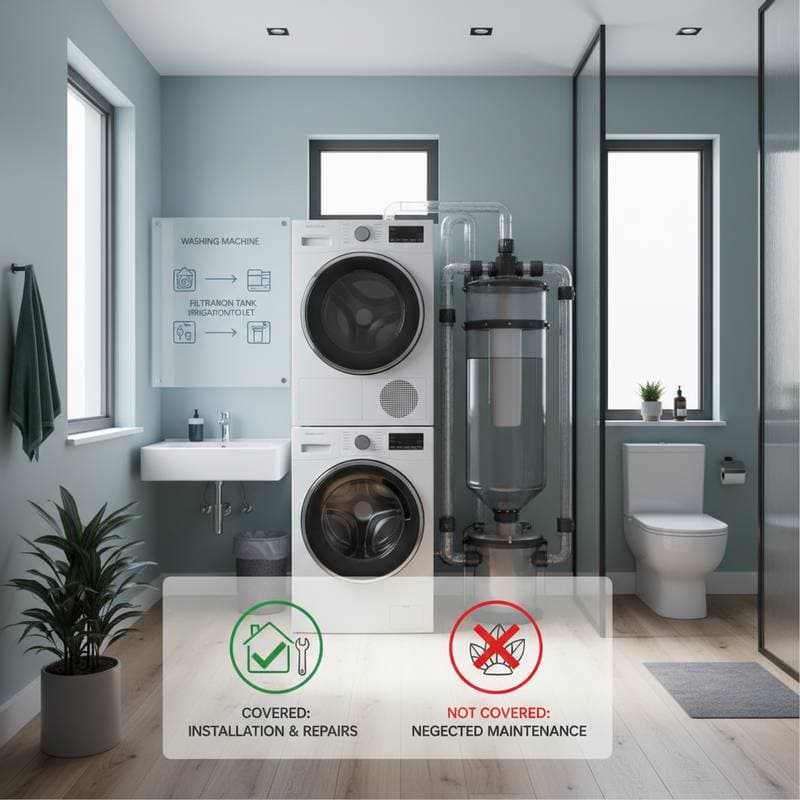
Greywater systems promote water conservation and reduce bills, yet home warranties provide limited protection. Explore coverage details, exclusions, and maintenance strategies to prevent unexpected expenses and ensure efficient performance.
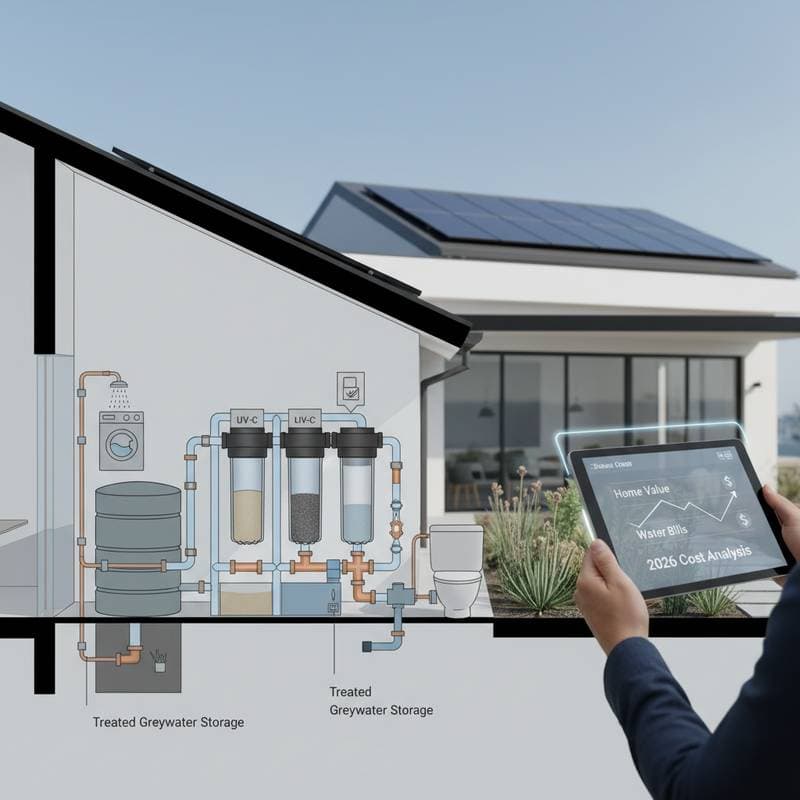
This 2026 guide details greywater systems, including installation costs, permitting processes, DIY options versus professional services, and strategies for cost savings. Understand how project scale, materials, and site factors influence expenses, along with code compliance and maintenance for sustained water conservation and property value gains.
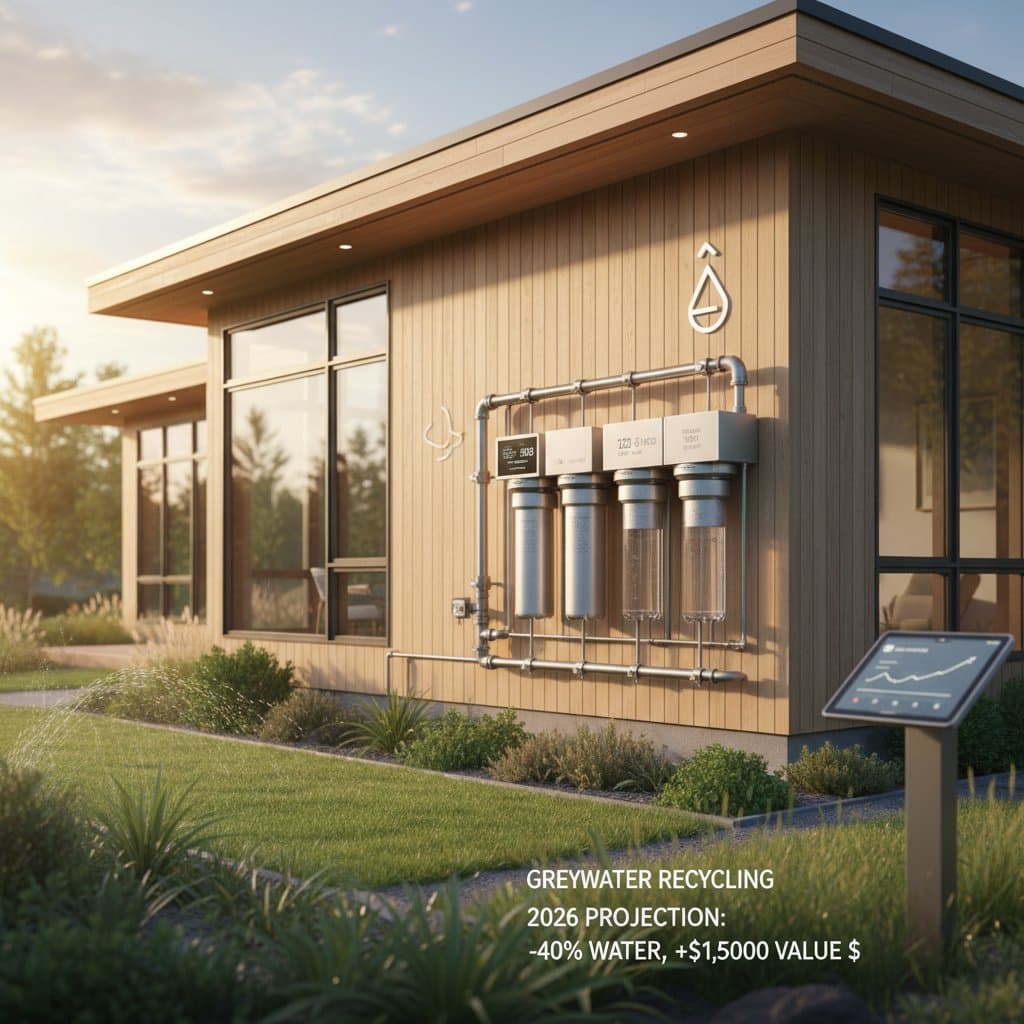
Greywater systems reuse household water to slash usage by 40%, averaging $5,800 to install in 2026. Costs depend on size, features, and location, yet rebates and savings make them a smart choice. Discover breakdowns, DIY options, and tips to optimize efficiency and reduce expenses.
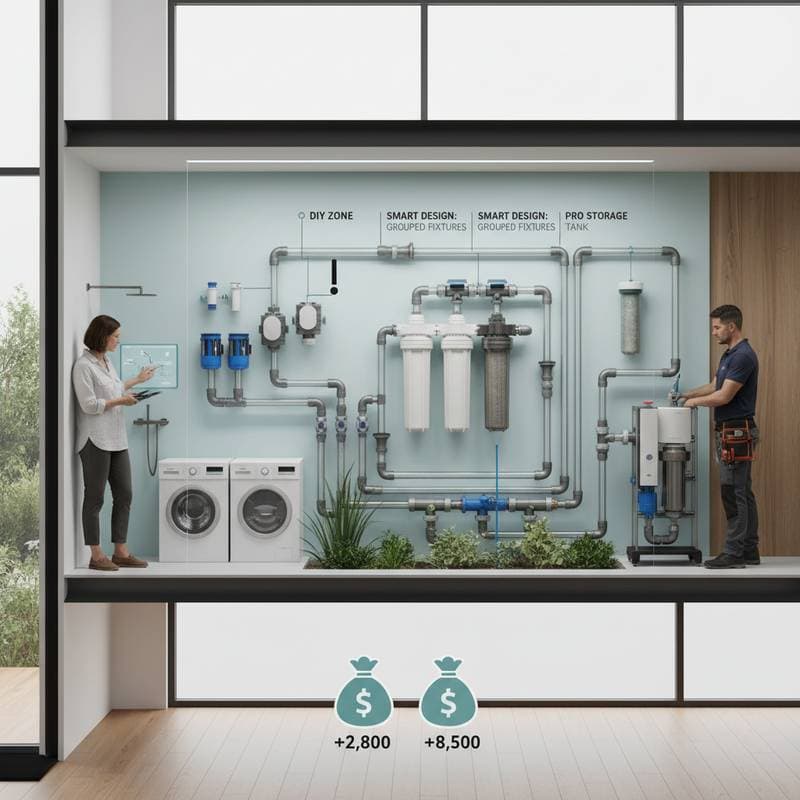
Considering a greywater system in 2026? Budget ranges from $2,800 to $8,500 based on system complexity, filtration options, and professional labor. Discover DIY opportunities, expert recommendations, and design strategies like fixture clustering or tankless setups to optimize expenses and maximize water conservation benefits.