Smart Budgeting for Multigenerational Home Designs
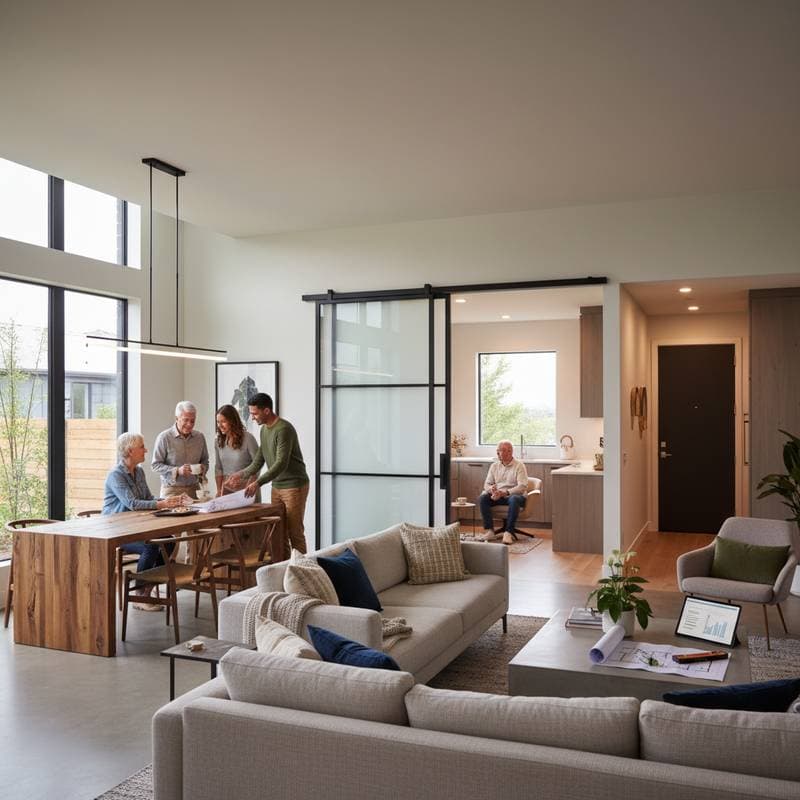
A smart budget for multigenerational home designs ensures a harmonious blend of privacy, accessibility, and shared spaces. Such planning keeps construction, renovation, and ongoing maintenance costs within predictable limits. Homeowners achieve this by focusing on essential structural elements first, then layering in features that enhance daily living for all generations.
Key Overview
- Definition: Multigenerational homes house multiple adult generations in one residence or on adjacent property, promoting close family ties.
- Benefits: These designs facilitate caregiving, reduce household expenses through shared resources, and boost property equity over time.
- Cost Range: New constructions typically run from $150 to $400 per square foot; renovations or conversions range from $80 to $250 per square foot, depending on location and scope.
- Professional Involvement: Engage experts for any modifications involving load-bearing walls, plumbing rerouting, electrical expansions, or adherence to building codes.
- Timeline Expectations: Minor conversions may complete in six weeks; major additions or full builds often extend to eight months.
- Maintenance Schedule: Conduct yearly reviews of communal systems, including heating, ventilation, air conditioning units, water lines, and fire detection equipment.
Essential Components of Multigenerational Homes
Effective multigenerational homes incorporate distinct zones that respect individual needs while encouraging interaction. Private areas provide personal sanctuaries, such as dedicated bedrooms with en-suite bathrooms and compact sitting nooks for each family unit. These spaces allow residents to retreat without isolation.
Shared cores form the heart of the home, encompassing a central kitchen equipped for group meals, a communal laundry facility, ample storage solutions, and versatile outdoor areas like patios or gardens. Soundproofing measures, including walls with added insulation, solid-core doors that seal tightly, and flooring with underlayment to absorb vibrations, minimize disturbances between zones.
Accessibility features integrate seamlessly to support residents of varying abilities. Install doorways at least 36 inches wide, eliminate thresholds at entrances for smooth wheelchair passage, and opt for lever-style handles that require minimal grip strength. Separate access points, such as dedicated exterior doors to in-law suites or accessory dwelling units, preserve autonomy. Utility arrangements, like dedicated electrical subpanels or individual metering for water and energy, streamline expense allocation among households.
Begin the design process by mapping out spatial divisions and privacy boundaries. Select durable finishes and fixtures only after establishing the foundational layout to avoid costly revisions.
Step-by-Step Guide to Creating or Adapting Multigenerational Spaces
Step 1: Assess Family Composition and Requirements
Map out the household dynamics by listing each generation's members, their daily routines, and specific spatial preferences. For instance, elderly relatives might benefit from a single-story suite with proximity to shared areas, while younger adults could utilize a finished basement for work-from-home setups. Document mobility needs, sleep schedules, and interaction patterns to inform the initial floor plan sketch.
Step 2: Review Local Regulations and Permissions
Examine municipal zoning laws to determine allowances for accessory dwelling units, conversions of garages into living spaces, or basement apartments. Consider factors such as maximum occupancy per unit, required off-street parking spots, and minimum distances from property lines. Consult city planning offices early to secure preliminary approvals and avoid design investments that conflict with rules.
Step 3: Develop Layouts Emphasizing Access and Seclusion
Sketch private domains including at least one bedroom, full bathroom, and personal entry per group. Define shared zones with logical flow, such as a kitchen adjacent to dining areas but buffered from sleeping quarters. Incorporate buffers like hallways or storage closets to delineate boundaries and reduce potential friction in high-traffic times.
Step 4: Establish and Allocate Budget Resources
Compile a detailed expense breakdown, prioritizing foundational work like reinforcing foundations, installing new plumbing lines, and upgrading electrical capacity. Allocate 60 percent of the budget to these necessities, reserving the remainder for enhancements such as built-in cabinetry, energy-efficient appliances, or expanded outdoor patios. Track costs with spreadsheets that categorize line items and include contingency funds for unforeseen issues.
Step 5: Decide on DIY Contributions Versus Professional Expertise
Evaluate tasks based on complexity: partition walls with non-load-bearing materials and surface-level updates like painting suit capable homeowners. Reserve licensed contractors for intricate jobs, including foundation extensions, gas line installations, or comprehensive wiring overhauls, to ensure safety and compliance.
Step 6: Execute Construction and Verify Compliance
Proceed in stages, scheduling inspections after framing completion, prior to enclosing electrical and plumbing installations, and at final walkthrough. Maintain organized records of all permits, material receipts, and inspection reports. These documents prove value during property assessments or loan applications.
Comparing DIY and Professional Approaches
| Factor | DIY Approach | Professional Approach |
|---|---|---|
| Skill Level | Suitable for those with intermediate to advanced abilities in basic framing and finishes | Essential for specialized trades like structural engineering, plumbing, and electrical systems |
| Safety Concerns | Moderate risks with simple tools and non-critical changes | Elevated risks demand certified handling of load-bearing elements and utility integrations |
| Equipment Needs | Basic power tools such as saws, drills, and levels | Comprehensive kits, safety gear, liability insurance, and regulatory approvals |
| Regulatory Compliance | Permits necessary for alterations affecting habitability | Professionals secure and oversee all required filings and inspections |
| Time Investment | Often extends two to six times beyond expert timelines due to learning curves | Adheres to efficient, predefined schedules with minimal delays |
| Long-Term Assurance | Lacks formal guarantees on performance | Includes warranties covering labor, materials, and system reliability |
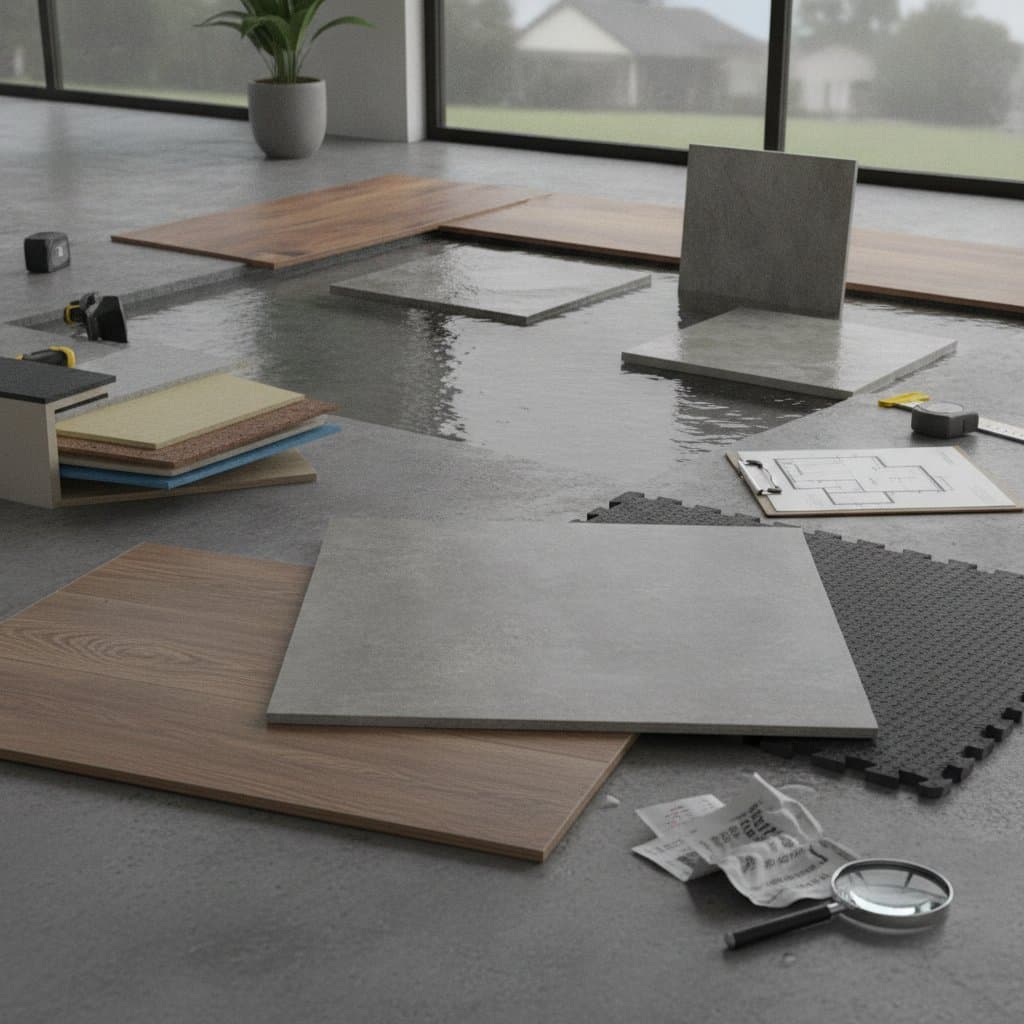
Limit DIY efforts to cosmetic and non-structural elements like installing drywall, laying resilient flooring, applying paint, or assembling cabinetry. Always hire certified professionals for any interventions involving structural integrity, fuel sources, water supply, or primary power systems to mitigate hazards.
Ongoing Maintenance and Durability Considerations
Multigenerational homes endure like standard residences when maintained proactively, though communal infrastructure demands vigilant oversight to prevent shared disruptions.
Yearly Maintenance Routines:
- Schedule professional servicing for heating, ventilation, and air conditioning systems; replace air filters quarterly to maintain efficiency.
- Examine plumbing joints and shared distribution points for early leak detection.
- Verify functionality of smoke detectors, carbon monoxide sensors, and fire extinguishers across all zones.
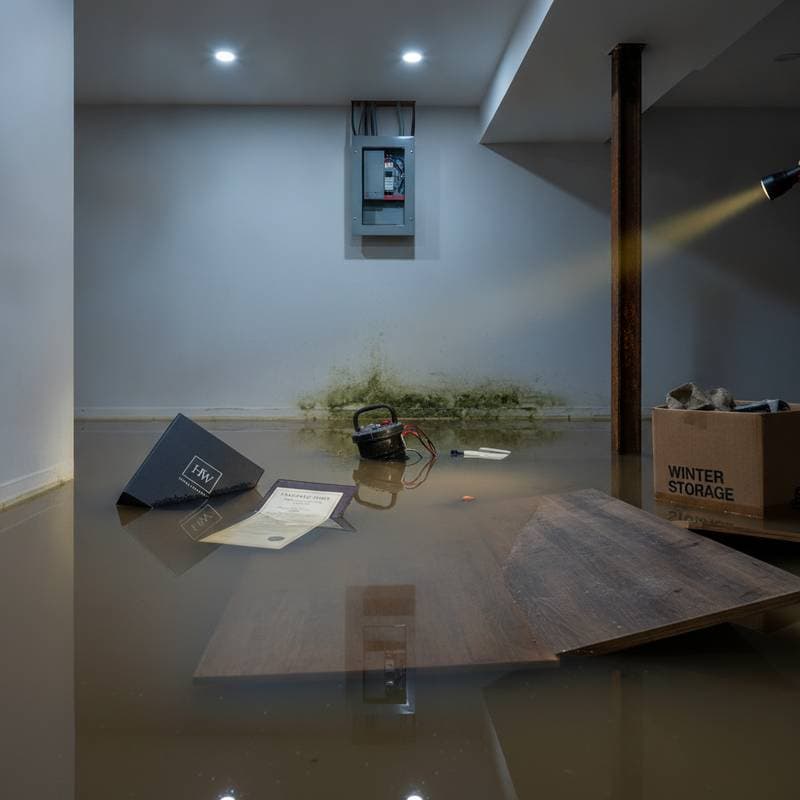
- Monitor basements, attics, or crawl spaces for signs of dampness or pest activity.
Quintennial Reviews:
- Refresh exterior paint or sealants around windows, doors, and foundations to protect against weather exposure.
- Reassess accessibility accommodations, updating fixtures like door levers, lighting placements, or ramp gradients as needs evolve.
Component Longevity:
- Structural framing and foundations last 50 to 100 years with proper care.
- Plumbing pipes and electrical wiring endure 25 to 40 years before potential replacements.
- Interior finishes, fixtures, and major appliances require updates every 10 to 20 years.
Regular upkeep preserves the home's functionality and extends its service life, safeguarding investments for future generations.
Frequently Asked Questions
What distinguishes an in-law suite from an accessory dwelling unit?
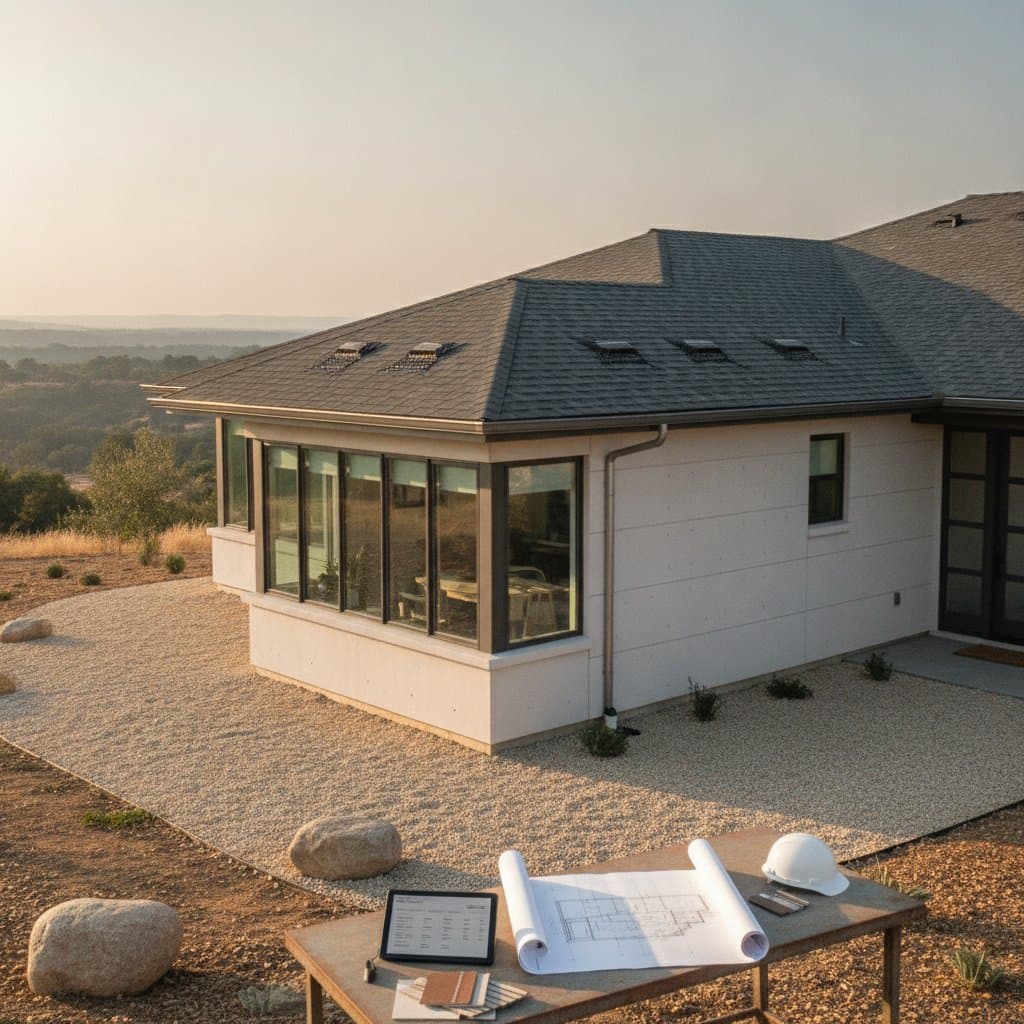
An in-law suite integrates into the primary house as an expanded interior space. An accessory dwelling unit stands as a distinct structure, connected or independent, complete with its own full kitchen, bathroom, and external access.
Is renting portions of a multigenerational home permissible?
Local zoning typically permits this for detached accessory dwelling units treated as standalone rentals. Interior suites may encounter restrictions on occupancy or require special variances.
How can utility expenses be divided fairly among residents?
Implement sub-meters for electricity and water usage, or deploy smart monitoring devices on major appliances to allocate costs based on actual consumption patterns.
Are special permits required for basement conversions?
Yes, jurisdictions mandate approvals for any self-contained area featuring cooking facilities, independent sleeping quarters, or separate sanitation. Verify requirements through local building departments prior to commencing work.
Which accessibility modifications yield the greatest impact?
Prioritize level entries without steps, hallways widened to 42 inches, ergonomic lever handles on doors and faucets, and shower enclosures without curbs for effortless navigation.
What techniques effectively reduce noise transmission between living areas?
Apply double layers of drywall on shared walls, install resilient metal channels to decouple structures, and fill cavities with acoustic-rated insulation materials in floors, walls, and ceilings.
Implementing Your Multigenerational Vision
Transition from planning to reality by assembling a team of trusted advisors, including architects familiar with family-oriented designs and financial planners versed in home equity strategies. Secure financing options like home equity loans or construction-specific mortgages tailored to renovation scales. Monitor progress with regular family check-ins to align the project with evolving needs. The result: a resilient home that nurtures bonds, adapts to life's stages, and delivers sustained economic and emotional returns.