
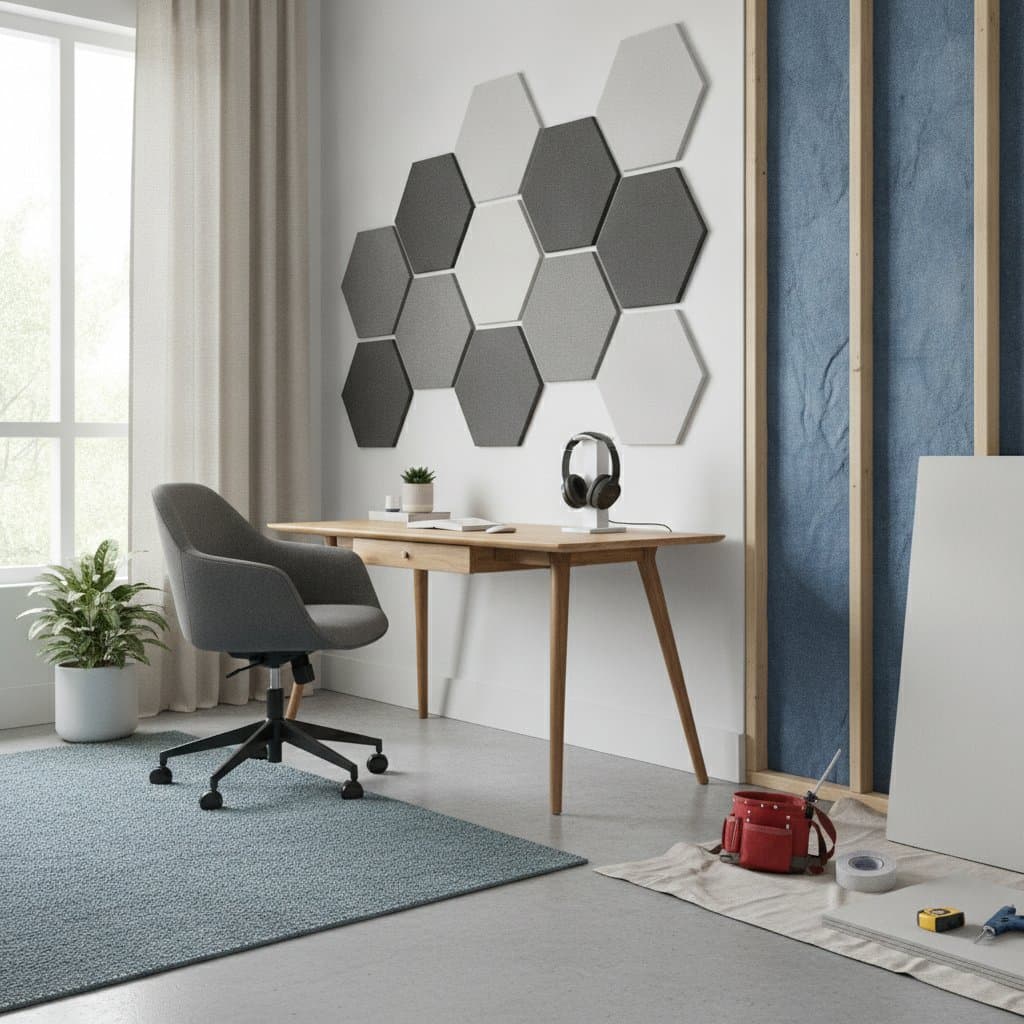
Turn a noisy workspace into a calm environment with targeted upgrades that cost less than 500 dollars. This guide covers when soundproofing helps most, realistic budgets, and clear steps for sealing, insulating, and absorbing sound.
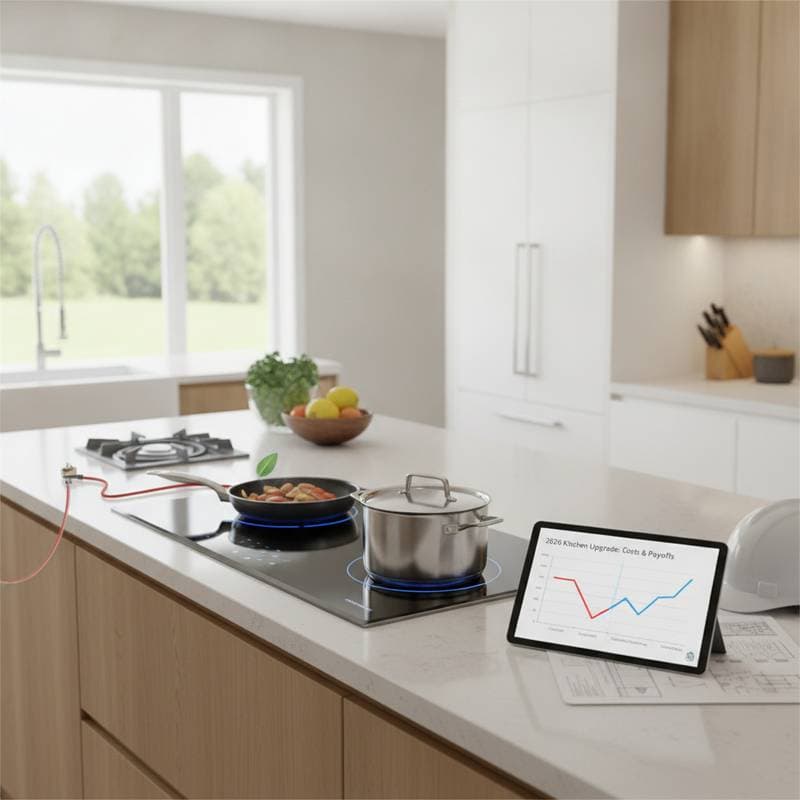
Switching from gas to induction transforms cooking efficiency, safety, and sustainability. Expect faster heating, cleaner air, and lower long-term maintenance. Costs range from $2,800 to $8,500 depending on electrical upgrades and appliance choice. With proper planning and professional installation, induction offers a modern, eco-friendly kitchen upgrade that pays off over time.
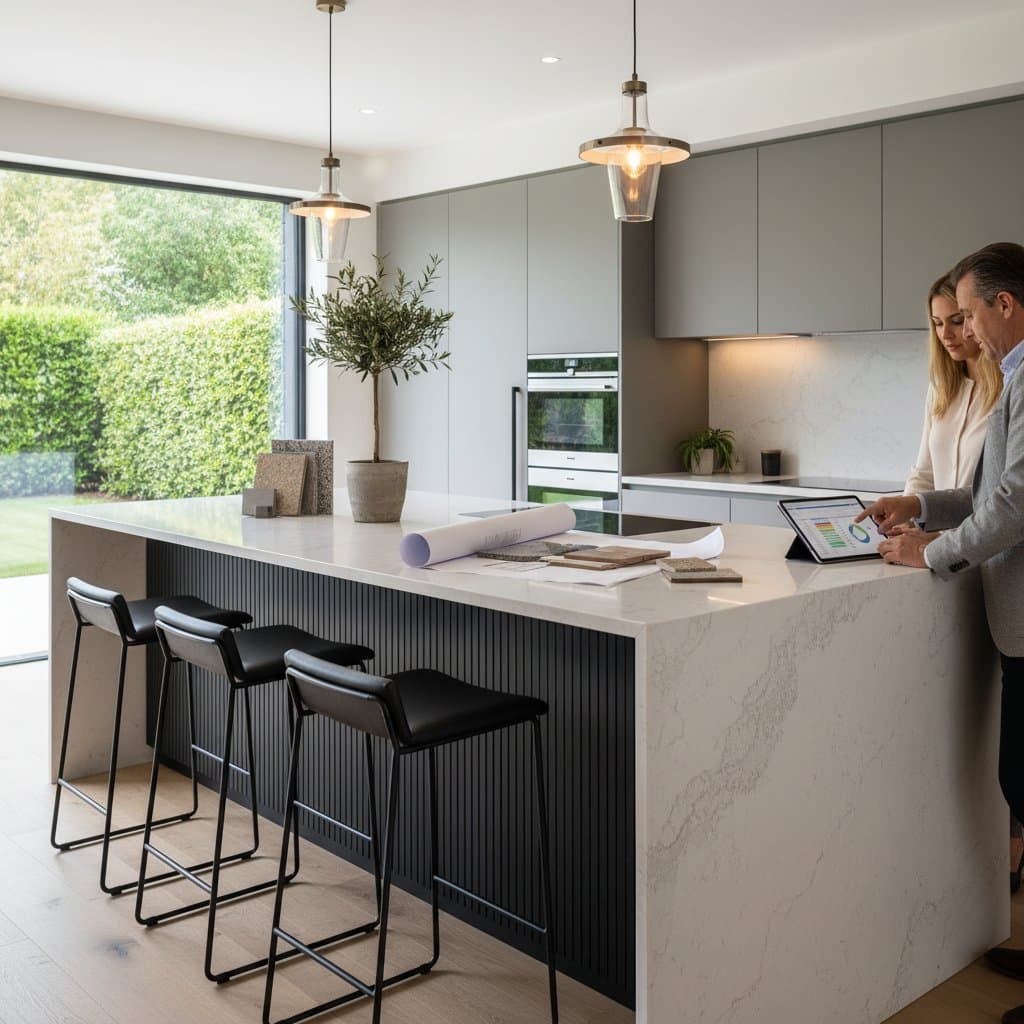
Learn exact kitchen island costs in 2026. This guide details material choices, labor fees, and hidden expenses so you can budget accurately and protect long term value.
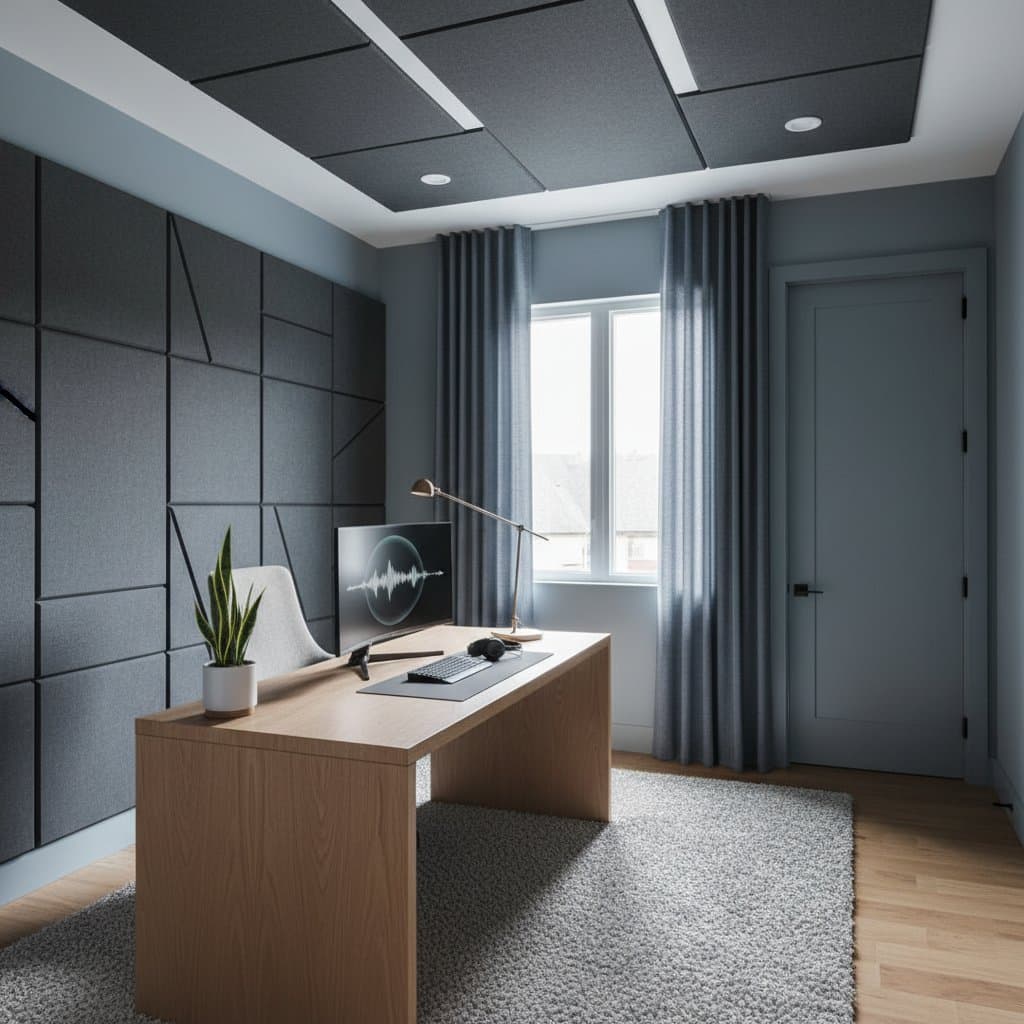
In 2026, soundproofing a home office enhances concentration, safeguards privacy, and elevates property value by minimizing distractions. Costs typically fall between $1,000 and $6,000, delivering substantial returns through improved productivity and comfort. This guide covers essential materials, methods, installation options, and factors influencing acoustic effectiveness and investment value.
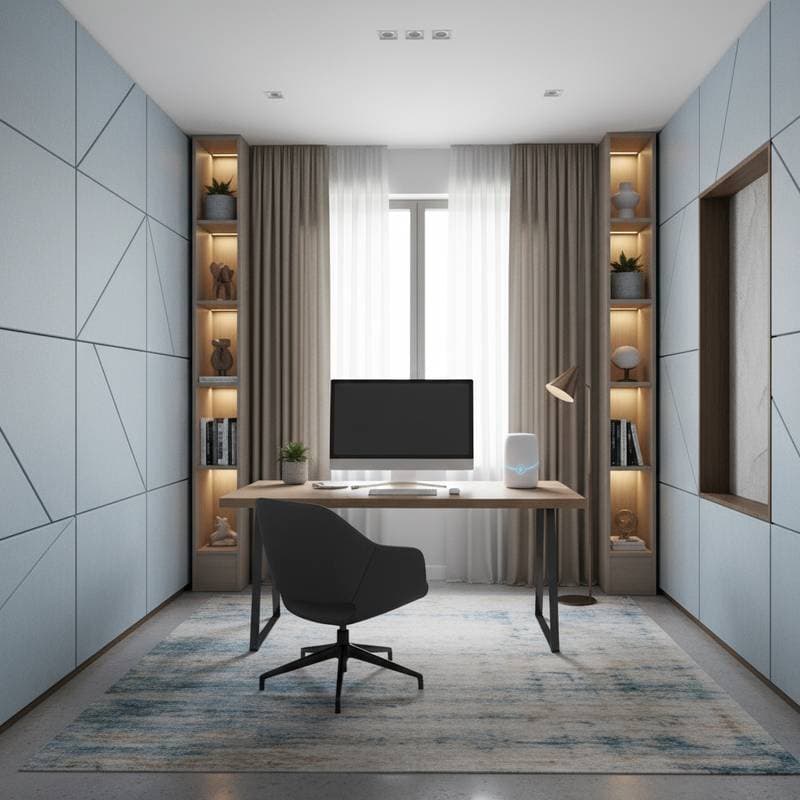
In 2026, soundproofing a home office typically costs $800 to $3,500, influenced by factors such as room dimensions, chosen materials, and professional labor. Options like acoustic panels and insulated walls improve concentration and maintain professionalism. This guide provides cost-effective DIY approaches, expert recommendations, and maintenance techniques for a serene, efficient workspace.
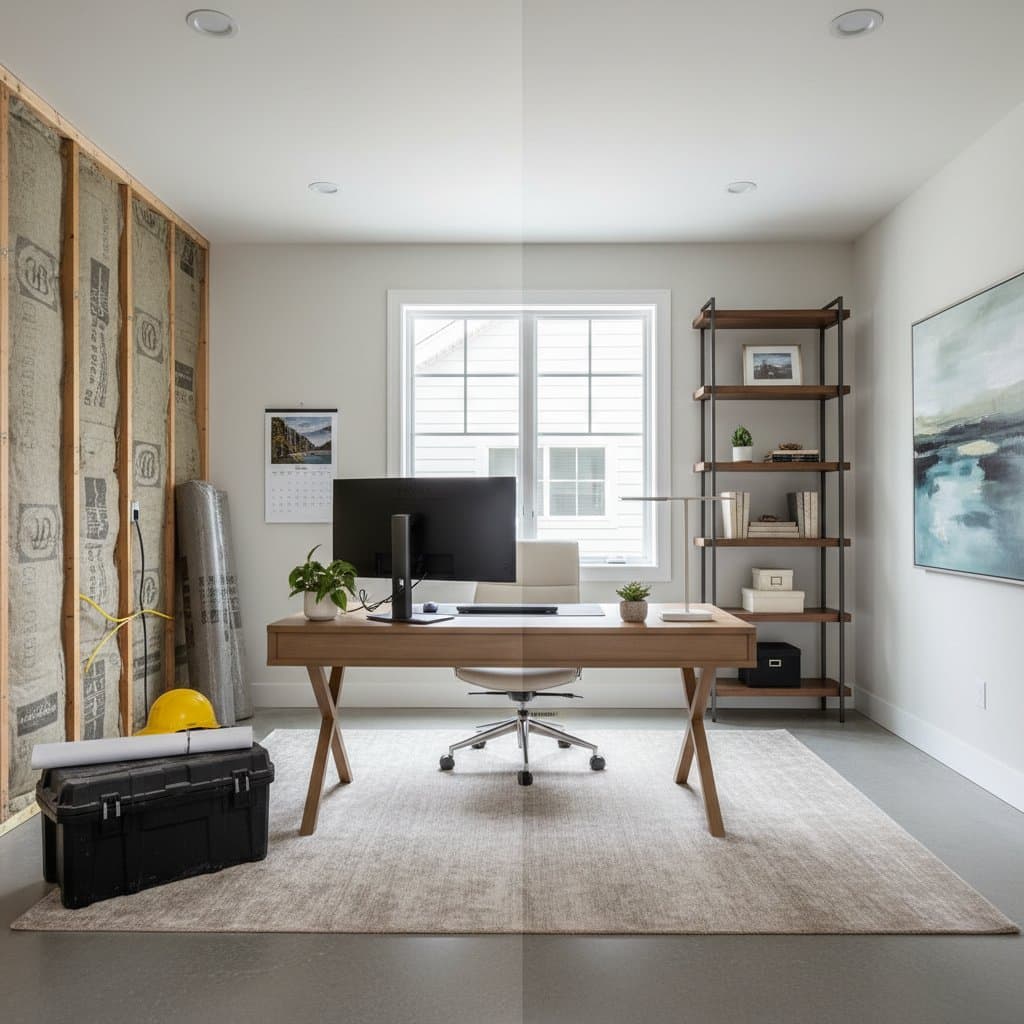
Converting unused spaces into home offices in 2026 typically costs $4,000 to $20,000 and requires 1 to 6 weeks. Address essentials like insulation, lighting, ergonomics, and permits to create a productive environment that enhances comfort and boosts resale potential. This guide covers cost influences, DIY strategies, timelines, and return on investment.
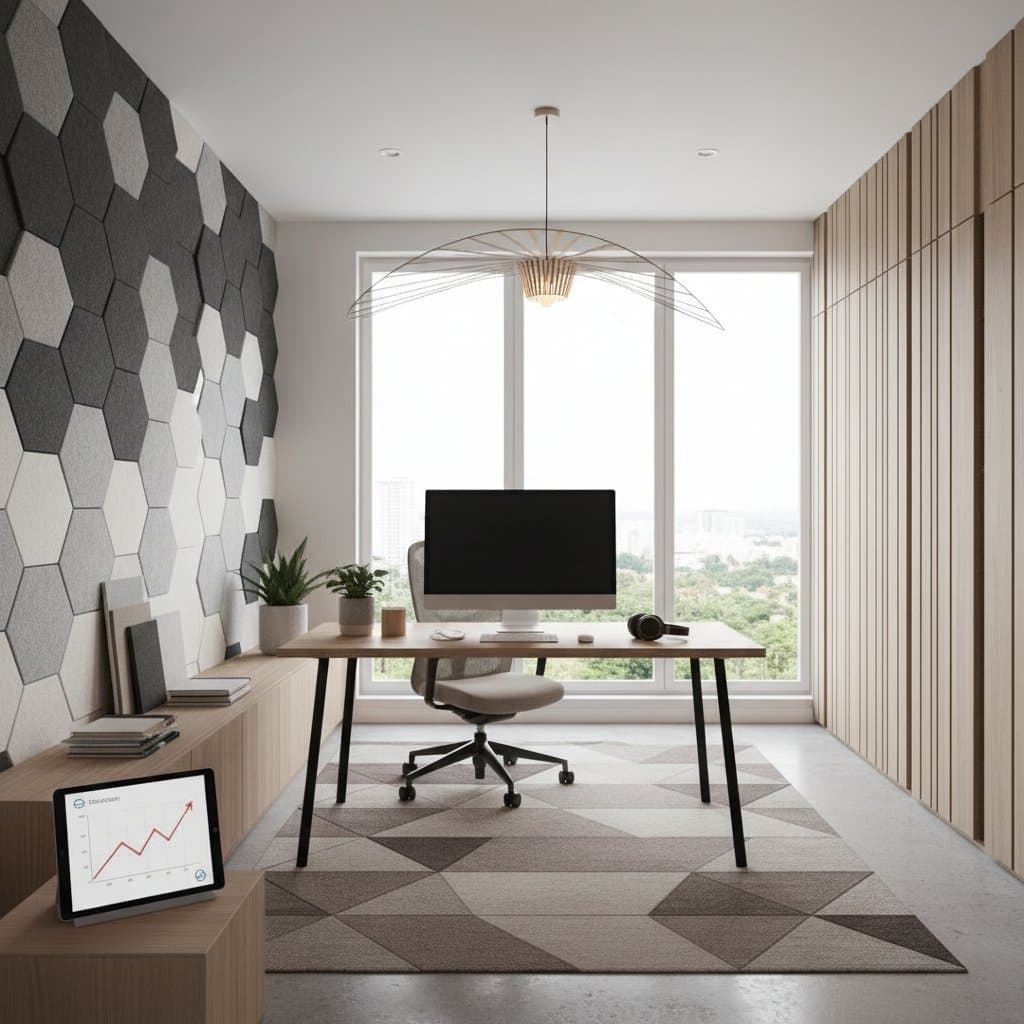
Soundproofing your home office in 2026 typically costs between $1,200 and $3,800, with a national average of $2,100. This guide details factors influencing expenses, practical DIY methods to lower costs, professional recommendations, and upgrades that enhance quiet, comfort, and property value for remote workers.
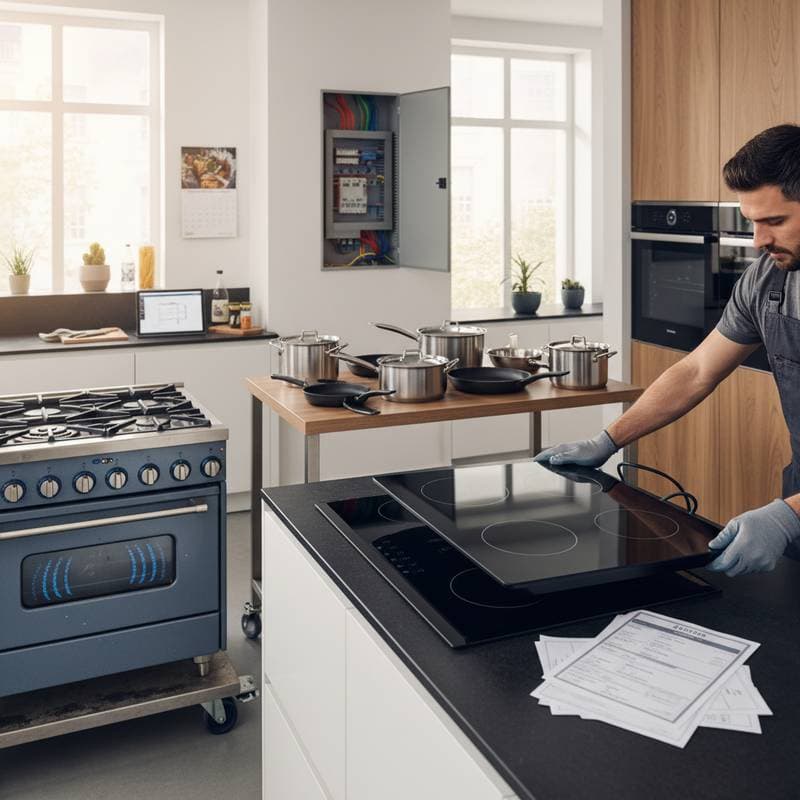
Transitioning from gas to induction by 2026 promises precise cooking, reduced emissions, and utility savings, yet requires strategic planning. Explore essential steps like electrical assessments, permitting, and cookware checks to navigate costs and achieve a seamless upgrade.
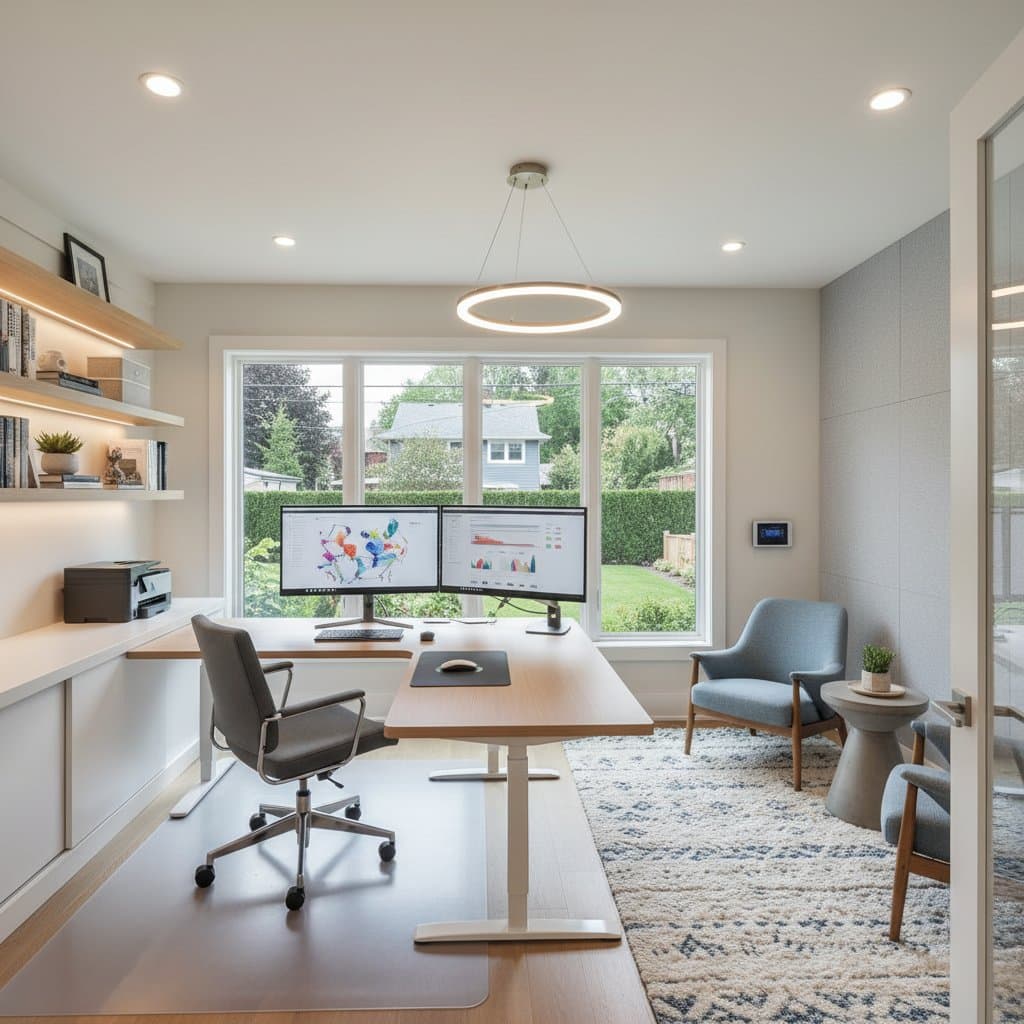
Converting unused space into a dedicated home office improves daily comfort, enhances productivity, and increases resale value. In 2026, thoughtful remodels achieve 60 to 75 percent ROI by integrating smart design, modern technology, and broad buyer appeal. This guide covers cost estimates, layout strategies, and practical steps to create a workspace that serves you now and adds lasting value to your property.
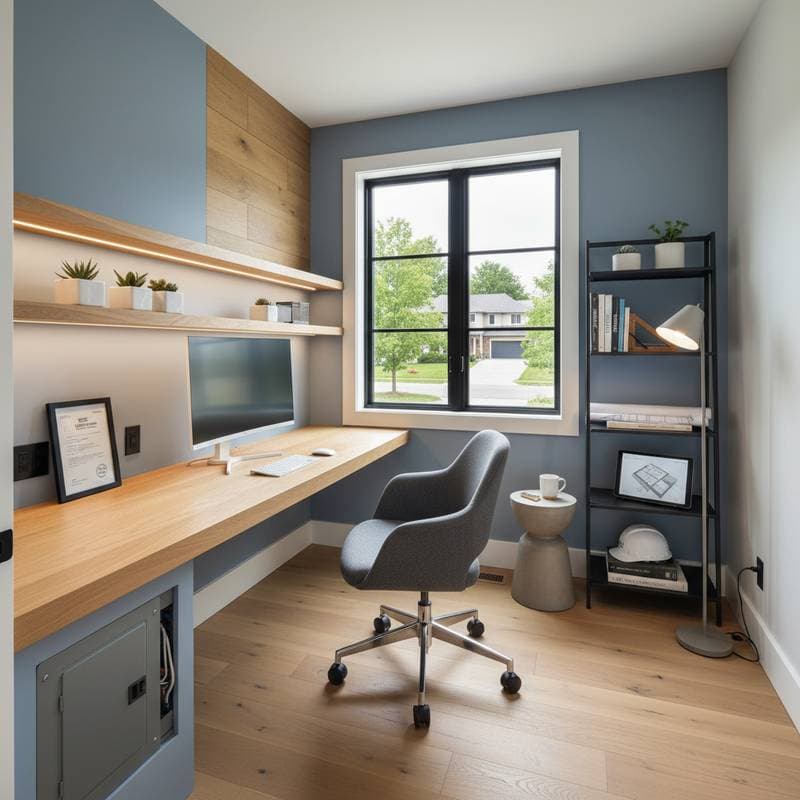
Transforming a room into a code-compliant home office in 2026 demands careful planning, permits, and budgeting. Costs range from $3,000 to $25,000, depending on complexity. Learn when DIY works, when to hire pros, and how zoning, inspections, and smart design choices can maximize comfort, safety, and long-term property value.
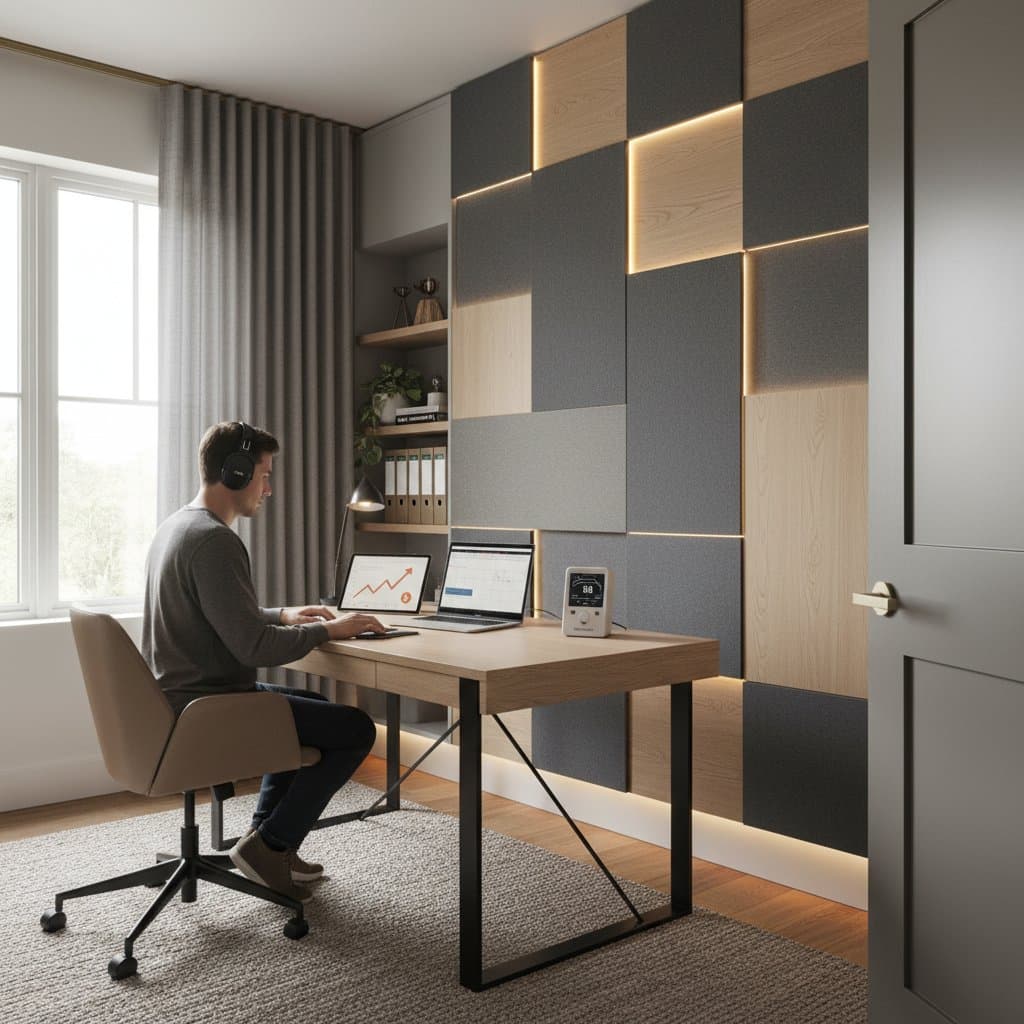
Convert a distracting home office into a focused haven with soundproofing. This comprehensive guide covers cost breakdowns, DIY techniques, professional options, timelines, and strategies to enhance productivity, comfort, and property appeal.
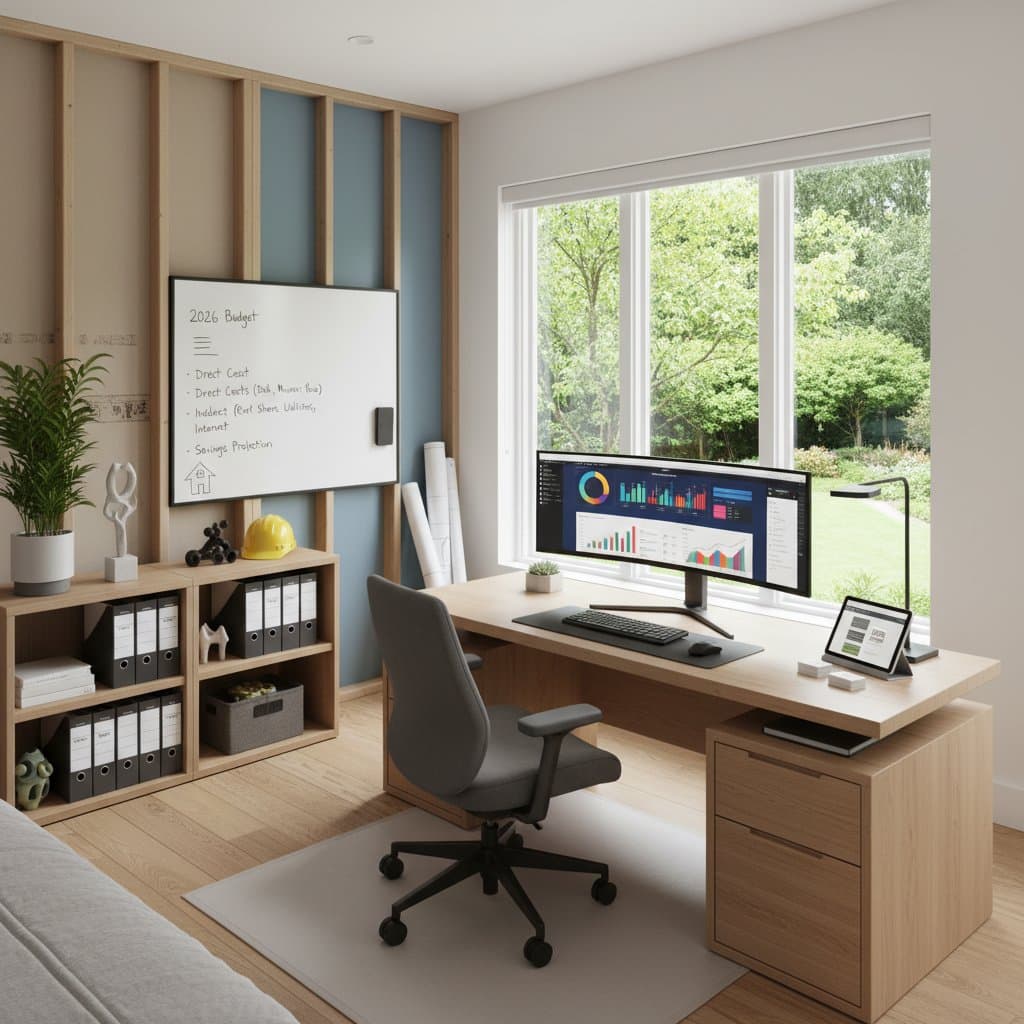
Turn your home office into a tax-efficient powerhouse. This guide covers 2026 setup expenses, deduction categories, budgeting tips, and compliance essentials to document costs effectively, claim precise deductions, and align renovations with sustained savings for enhanced productivity and financial gains.
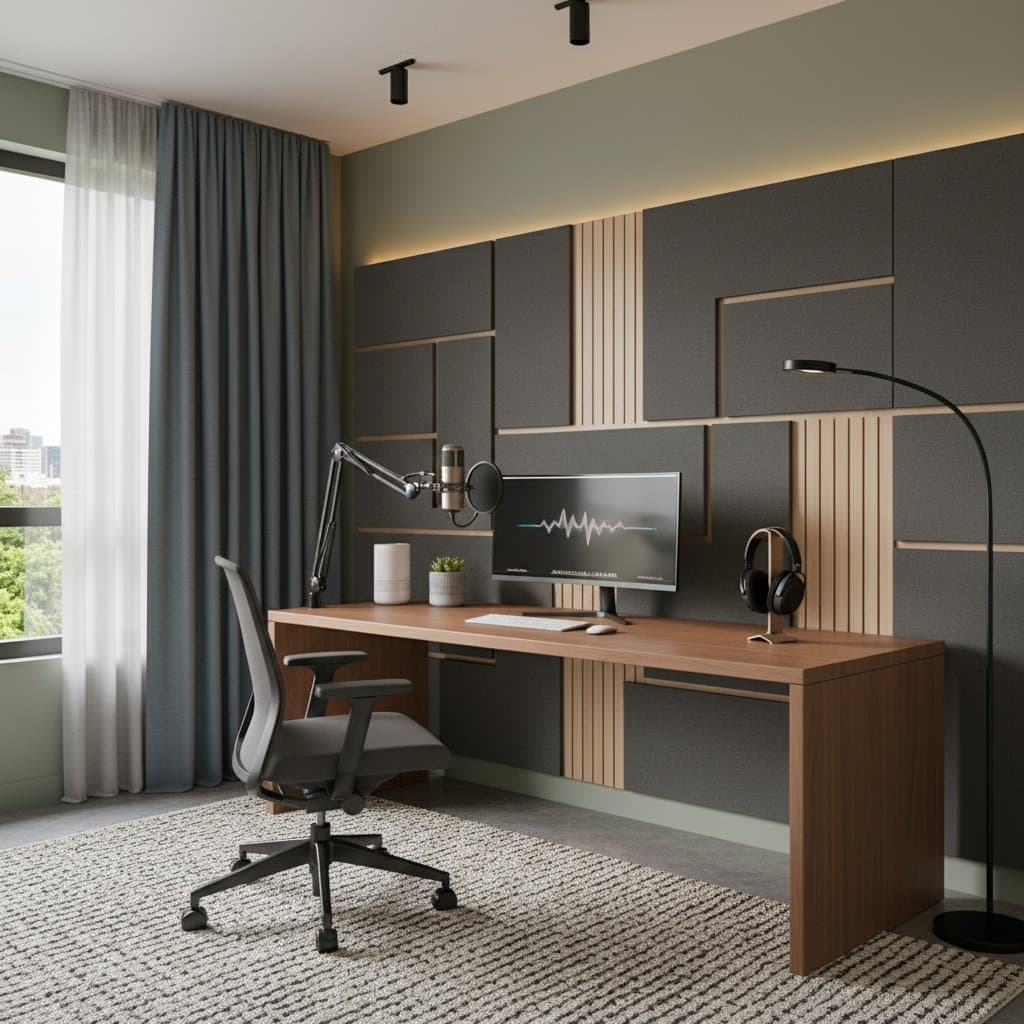
Elevate your remote work environment by minimizing noise distractions. This comprehensive guide details blocking and absorbing techniques, including gap sealing, mass-loaded vinyl, and panel installations, to enhance productivity, privacy, and audio quality affordably.
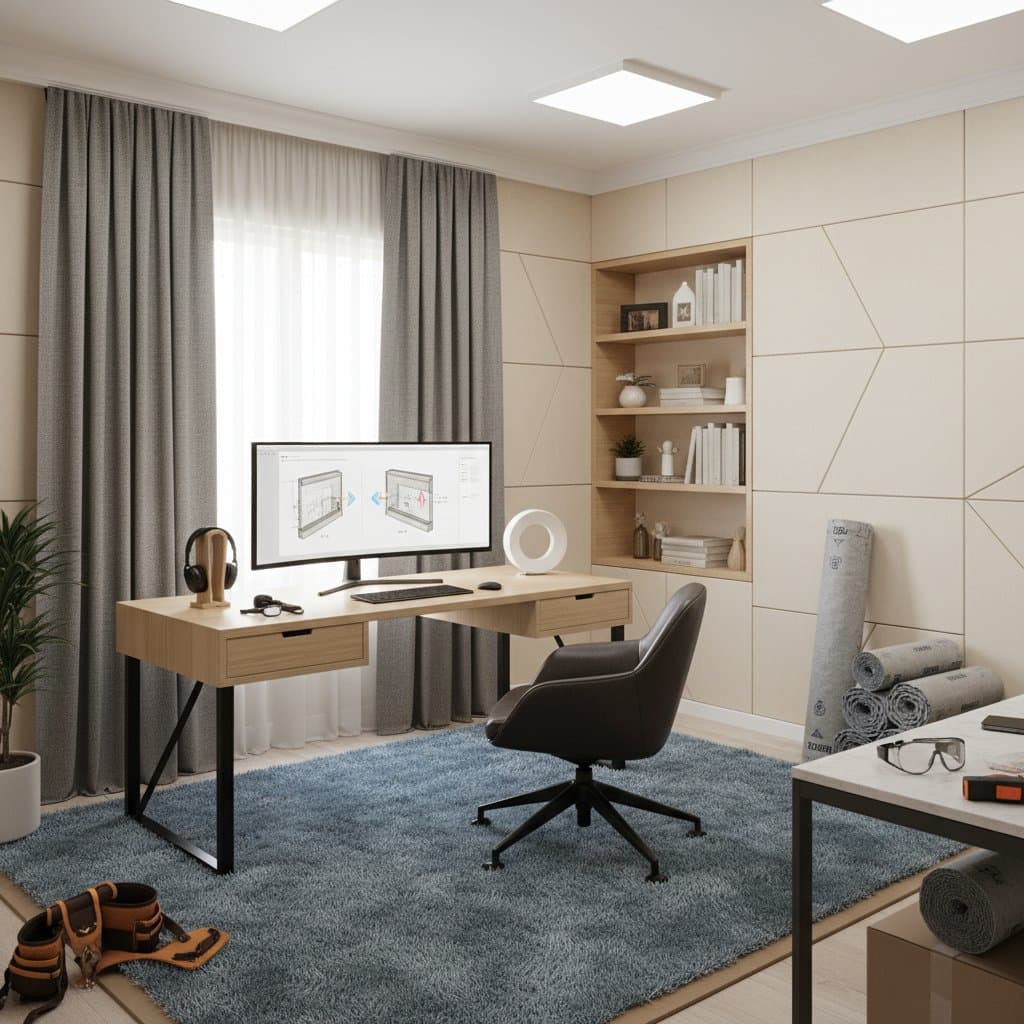
Learn the essentials of soundproofing a home office in 2026, from budget breakdowns and material options to DIY guidance and professional advice for achieving a distraction-free environment.
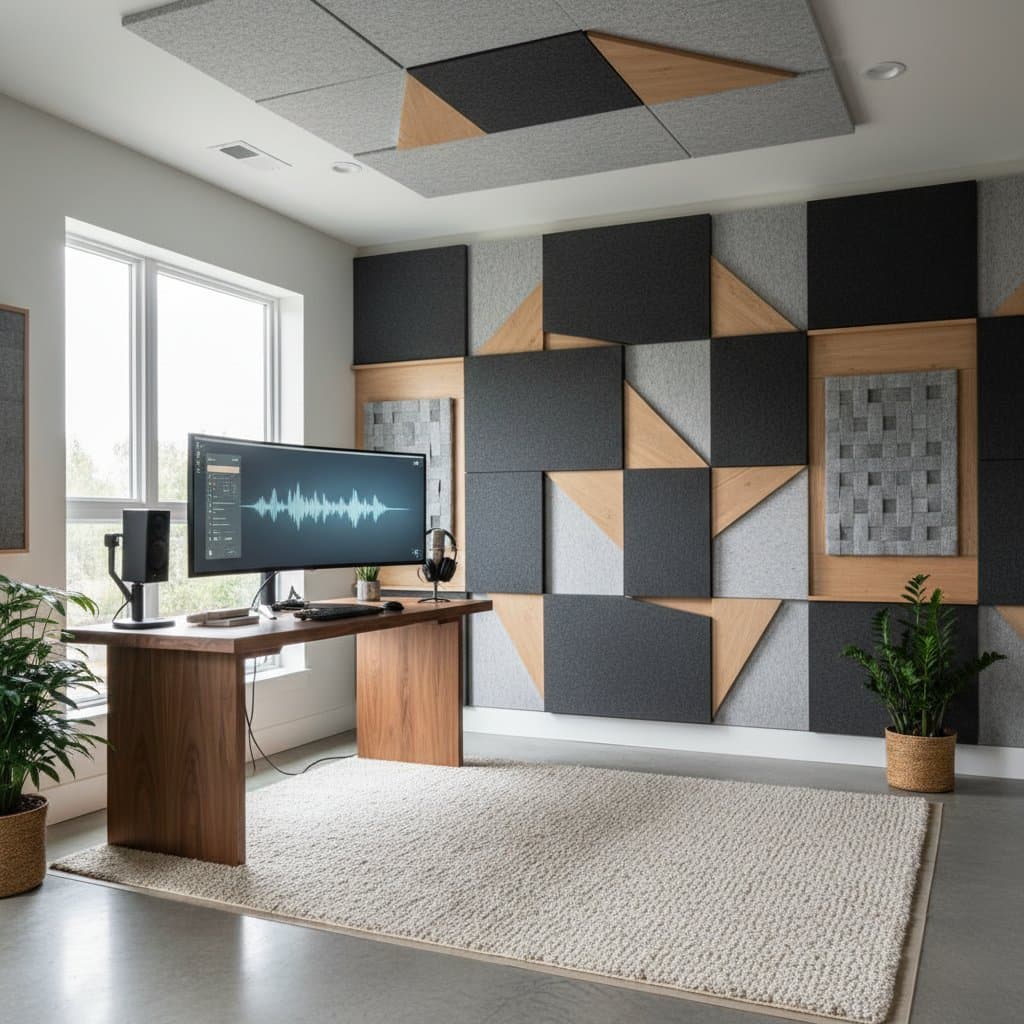
Elevate remote work productivity by viewing soundproofing as an integrated system rather than isolated products. This guide covers noise types, cost breakdowns, provider evaluation, and long-term benefits to create a focused, private home office that adds lasting value.
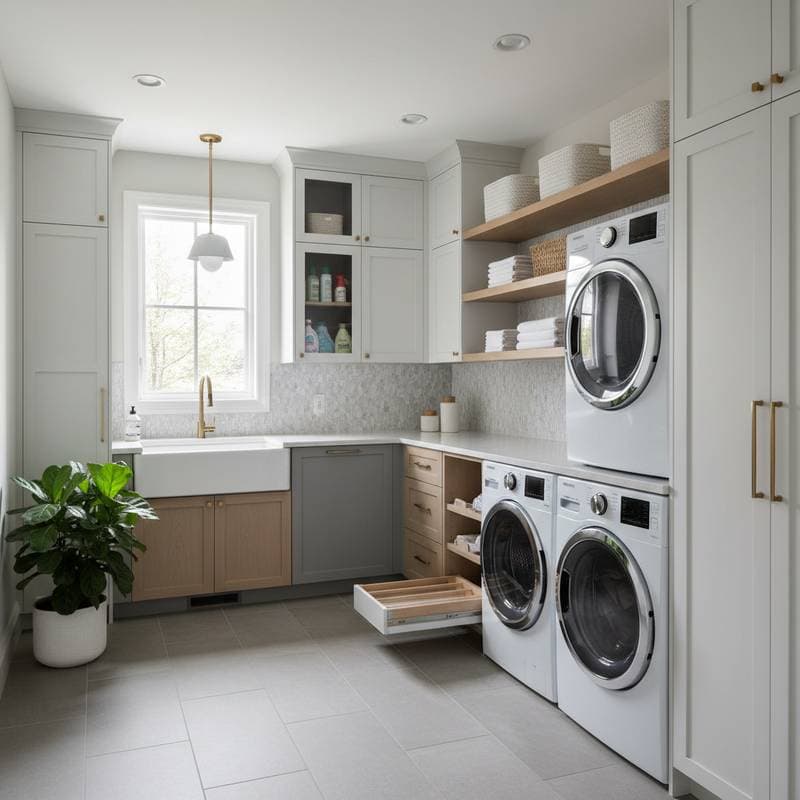
Elevate your laundry room with targeted 2025 upgrades that deliver up to 75% resale return. This guide covers efficient layouts, energy-saving appliances, smart technology, and practical storage solutions, including costs, timelines, and strategies for DIY or professional execution to maximize comfort, safety, and market appeal.
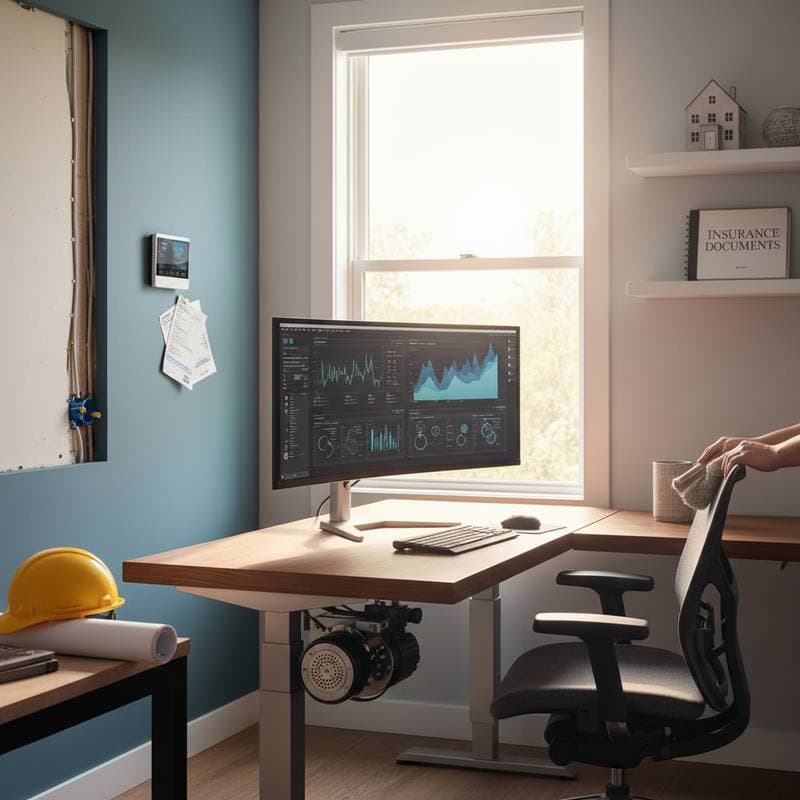
Converting a room into a home office promises better focus and efficiency, yet it often brings unexpected costs beyond basic furnishings.
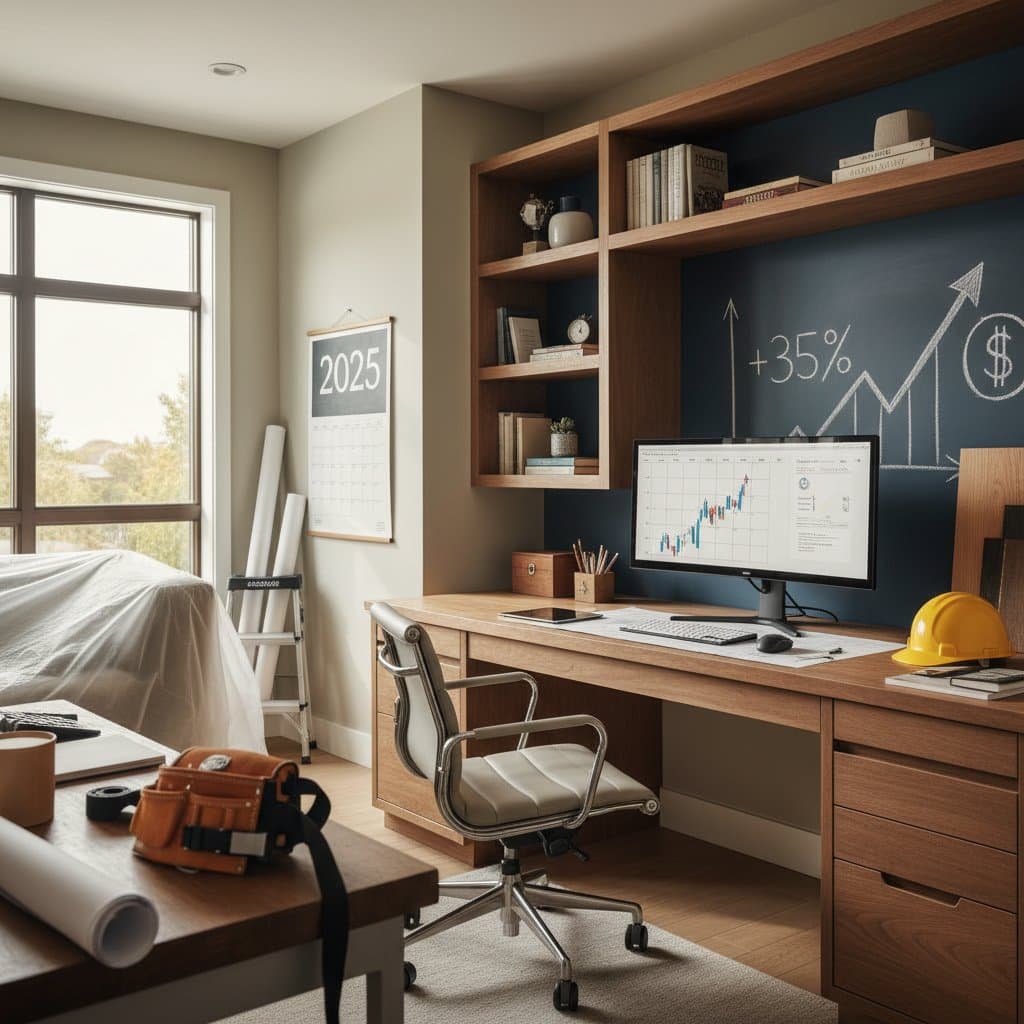
Home office conversions face a projected 35% cost increase in 2025, pushing national averages to around $22,000. Factors such as escalating labor rates, premium material demands, and the persistence of hybrid work arrangements fuel this rise. This guide details key cost drivers, DIY opportunities versus professional needs, and proven tactics to control expenses while enhancing comfort and property value.
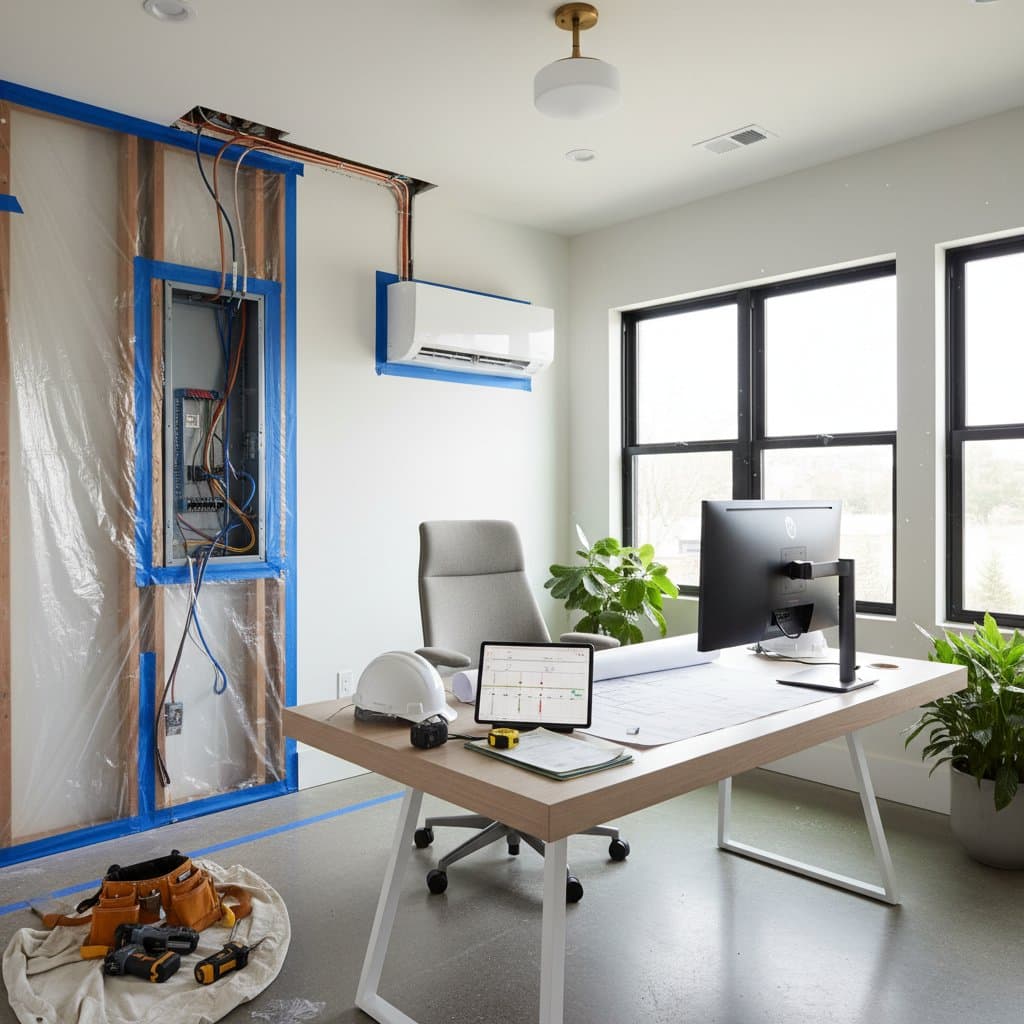
Converting unused areas into home offices involves more than aesthetics; it requires navigating permits, budgeting for upgrades, and ensuring code compliance. From power enhancements to climate controls, grasp the necessities to sidestep penalties and build a secure, effective workspace.
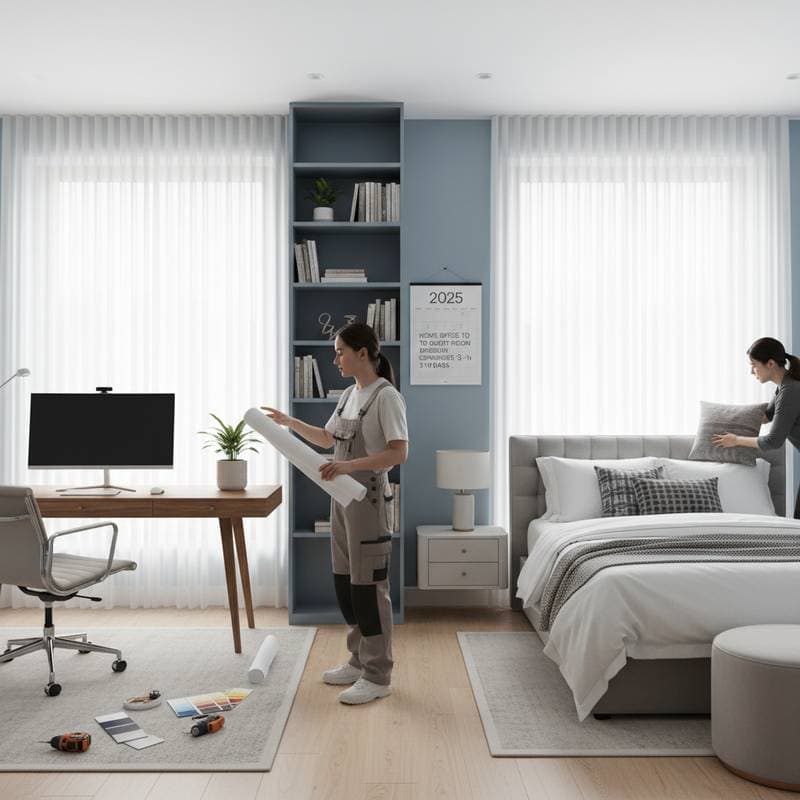
In 2025, converting a home office to a guest room typically costs $1,200 to $9,000, based on the scope of updates. Projects often take 3 to 10 days and improve both daily comfort and potential resale value. This guide covers cost details, DIY options, and design ideas for a versatile, welcoming space.