How Energy-Efficient Appliance Warranties Deliver 20% Annual Savings
Energy-efficient appliances help households control power usage and reduce operating expenses. A comprehensive appliance warranty with energy efficiency coverage safeguards both the initial investment and ongoing utility savings. Such warranties generally range from $200 to $600 annually, with an average cost of $350 for basic plans. This coverage maintains standards like Energy Star ratings over the appliance's full lifespan.
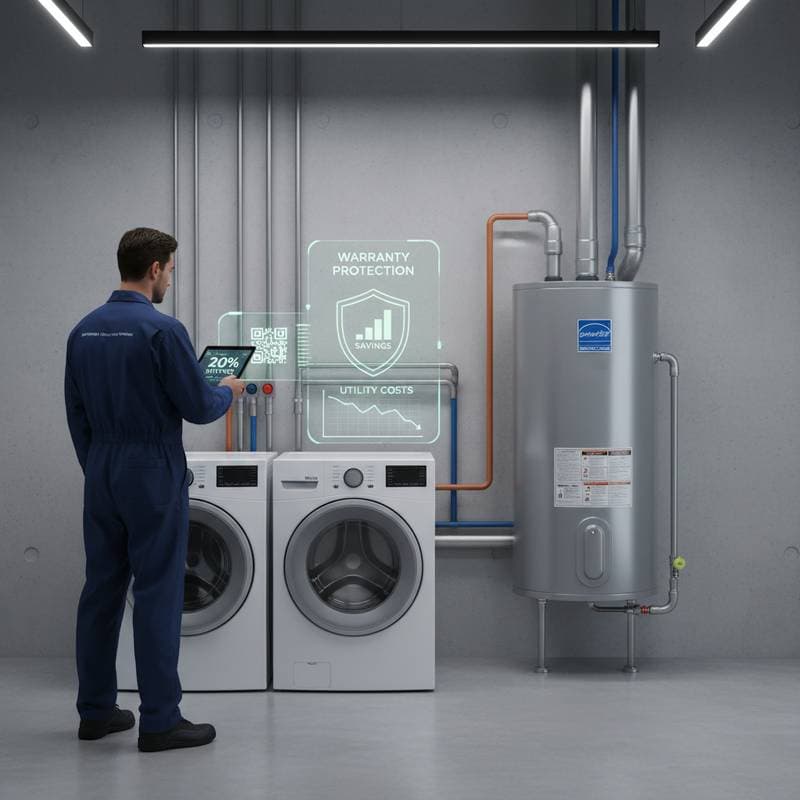
Several elements shape the overall value of a warranty: the appliance type, its energy efficiency certification level, and the provider's specific terms. Local electricity rates and replacement part prices further affect long-term benefits. Data from the U.S. Department of Energy indicates that verified energy efficiency coverage can lower total energy costs by as much as 20 percent. For those pursuing sustainable living, this warranty serves as a tangible shield that integrates financial protection with ecological accountability.
Key Components of Energy Efficiency Coverage
Energy efficiency coverage targets the parts that optimize appliance performance. These include compressors, insulation materials, temperature sensors, and control boards, all essential for consistent energy regulation. Failure in these areas leads to reduced efficiency and higher running costs. Providers incorporate this protection to uphold certified benchmarks during the appliance's service period.
Major brands like LG, Whirlpool, and Samsung embed energy performance assurances in their extended warranties. These policies cover repairs or replacements if energy use surpasses rated limits. Consider a refrigerator that draws 15 percent more electricity than its Energy Star specification; such a case qualifies for a claim under efficiency provisions. This emphasis on quantifiable results supports both adherence to standards and effective cost management.
Financial Advantages of Energy Efficiency Protection
Homeowners receive dual benefits from warranties featuring energy efficiency coverage. They avoid elevated utility bills stemming from faulty parts, and they sidestep costly fixes that erode savings. A typical repair for an energy-efficient washing machine motor ranges from $250 to $400 without coverage, but drops to a potential $75 service fee with it.
This protection also upholds resale value. Appliances retaining their efficiency ratings appeal more to prospective buyers. Industry analyses show that properties advertised with verified efficient systems sell more quickly and fetch up to a 3 percent higher price. Warranties preserving energy qualifications thus directly enhance real estate worth.
To calculate potential savings, review your appliance's annual energy consumption against local rates. For example, a certified efficient dryer might use 500 kilowatt-hours yearly at $0.12 per hour, totaling $60. Without efficiency coverage, a 20 percent increase adds $12 annually; over five years, that accumulates to $60 in avoided costs per appliance.
Distinctions in Efficiency Coverage
Traditional warranties address mechanical breakdowns alone. Energy efficiency coverage extends to long-term operational performance. It confirms that elements like compressors, heating elements, and control mechanisms operate within approved energy thresholds. Should a dishwasher or heat pump exceed power limits, the warranty facilitates testing and restoration to standard function.
Additionally, this coverage encompasses software and firmware enhancements for better efficiency. Contemporary appliances depend on digital interfaces that modulate energy dynamically. Protection ensures these features remain aligned with current standards. Consumers thus enjoy steady savings free from abrupt declines in performance.
One practical difference lies in claim processes: efficiency issues require performance audits, often using tools like wattage meters, rather than simple visual inspections. This rigorous approach guarantees repairs address root causes, preventing recurring problems.
Steps to Optimize Warranty Benefits
Homeowners can maximize energy efficiency coverage by registering appliances right after purchase and adhering to maintenance schedules. Regular cleaning of filters, coils, and seals enhances performance and minimizes claim challenges. Evaluate providers through reliable sources such as HomeAdvisor or Consumer Reports to select plans offering mechanical safeguards alongside energy certification backing.
Document energy usage periodically with a home energy monitor to establish baselines for claims. If efficiency dips, prompt reporting to the provider accelerates resolutions. Pairing warranty coverage with smart home integrations, like automated usage trackers, further amplifies savings by identifying issues early.
Securing Long-Term Efficiency and Savings
Energy efficiency warranty coverage transcends promotional appeal; it functions as a proven mechanism to sustain peak appliance operation across its duration. By upholding certified energy levels, it cuts expenses, prolongs equipment longevity, and fosters sustainable home practices. Selecting coverage that prioritizes efficiency alongside durability lays the foundation for protected finances and a greener lifestyle.