Flood-Proof Homes for Climate Resilience
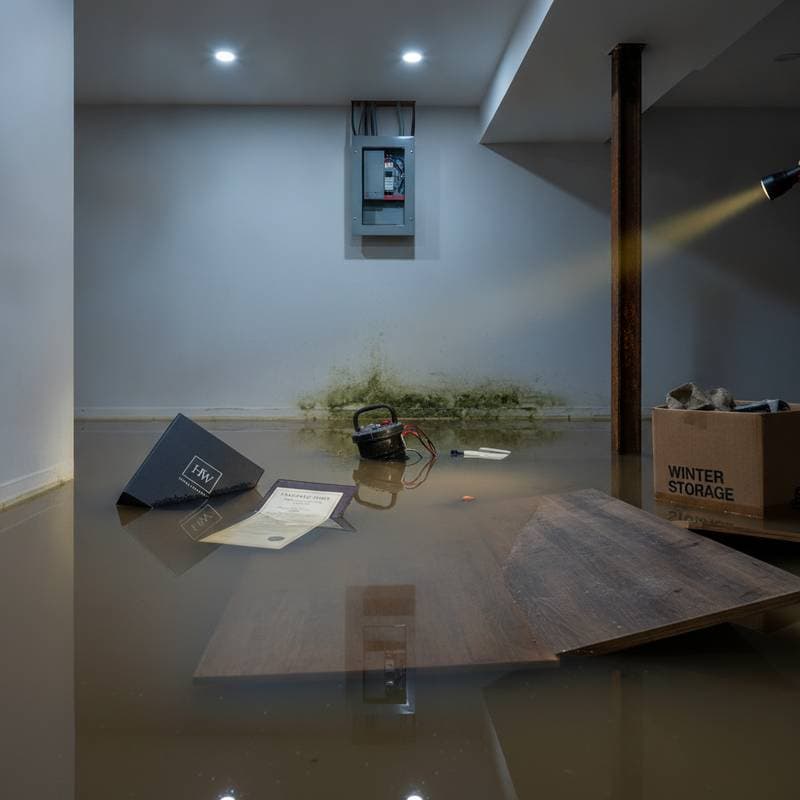
Flooding ranks among the foremost threats to residential properties today. Elevated water tables, intensified rainfall, and more powerful storms exert significant stress on building foundations and drainage infrastructure. A flood-proof home integrates intelligent design, robust materials, and tailored water management strategies. The primary objective remains straightforward: prevent water intrusion or facilitate its passage without causing permanent harm.
Understanding Flood-Proofing Strategies
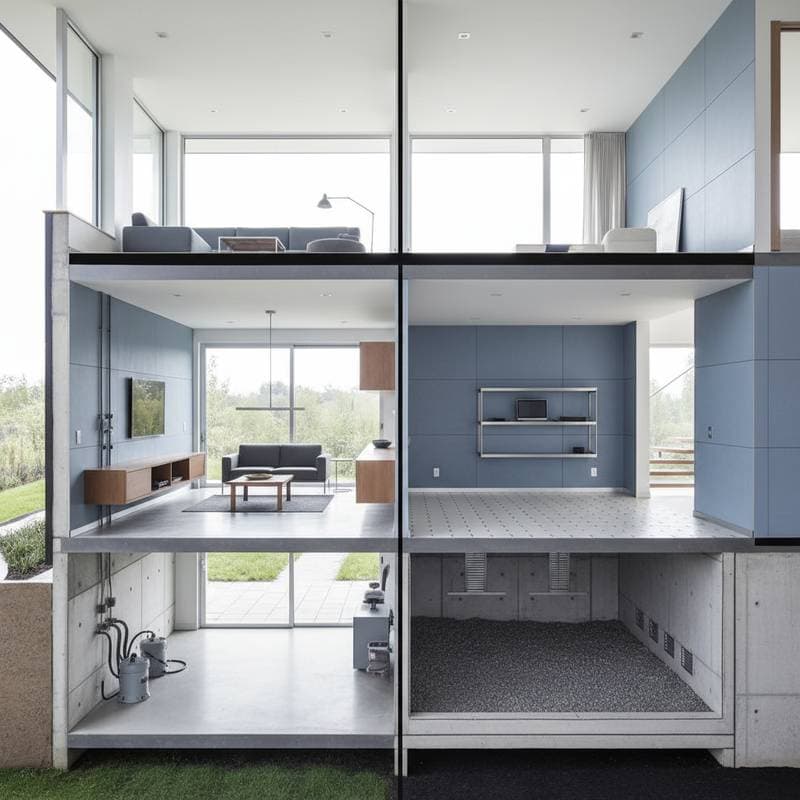
Flood-proofing measures restrict water entry into a structure or minimize its potential for damage. These approaches encompass two primary techniques. Dry flood-proofing involves sealing the building envelope to block water completely. Wet flood-proofing permits water ingress but employs materials and configurations that enable rapid drying and withstand exposure without deterioration. Each strategy lowers post-flood repair expenses and recovery periods.
Advantages, Disadvantages, and Ideal Applications
Dry flood-proofing proves most effective for basements, garages, and utility spaces situated below ground level. This method safeguards electrical systems and appliances, though it demands meticulous sealing to remain effective. Wet flood-proofing aligns well with crawl spaces and areas prone to coastal or riverine flooding, where hydrostatic pressure might otherwise fracture walls. Selecting the appropriate method hinges on factors such as anticipated flood depth, soil composition, and the age of the structure.
Benefits and Drawbacks of Dry Flood-Proofing
Advantages:
- Excludes water from the interior entirely
- Preserves interior finishes and critical utilities
- Minimizes post-event cleanup efforts
Disadvantages:
- Involves higher expenses, particularly for retrofitting existing structures
- Necessitates regular inspections to verify seal integrity
- May fail under prolonged submersion conditions
Benefits and Drawbacks of Wet Flood-Proofing
Advantages:
- Offers more affordable options for aging homes
- Accommodates substantial water pressure without structural compromise
- Simplifies ongoing maintenance routines
Disadvantages:
- Results in interior water exposure during events
- Requires installation of water-resistant materials and provisions for swift drying
Cost Analysis and Influencing Factors
Costs fluctuate based on project scope, regional labor rates, and site-specific challenges like soil permeability and accessibility. For instance, urban areas with compacted soil often incur higher expenses due to excavation difficulties. A comprehensive retrofit for an average-sized home typically ranges from $10,000 for basic enhancements to $40,000 for intricate installations involving multiple systems.
| Scope Item | Material Cost Range | Labor Cost Range | Total Cost Range | Key Influencing Factors |
|---|---|---|---|---|
| Foundation Sealing (Dry) | $3 to $6 per sq ft | $4 to $8 per sq ft | $7 to $14 per sq ft | Wall surface condition and coating durability |
| Flood Vents (Wet) | $200 to $600 each | $100 to $300 each | $300 to $900 each | Number required based on foundation perimeter |
| Sump Pump with Backup | $350 to $900 | $400 to $700 | $750 to $1,600 | Installation depth and soil drainage capacity |
| Backflow Valve for Sewers | $150 to $350 | $250 to $500 | $400 to $850 | Piping accessibility and excavation needs |
These estimates exclude permitting fees, which can add $200 to $1,000 depending on local regulations. Homeowners benefit from consulting multiple contractors to compare bids and identify value-driven options.
Installation Process: A Detailed Guide
Before commencing work, gather essential safety equipment including gloves, a respirator, sturdy boots, and hearing protection. Obtain necessary permits, such as those for floodplain modifications or plumbing alterations, from local authorities.
- Evaluate site grading and existing drainage patterns. Adjust soil slopes to direct surface water away from the foundation, ideally creating a minimum two percent grade over ten feet.
- Repair visible cracks in the foundation using hydraulic cement for minor fissures or epoxy injections for deeper structural issues.
- Apply exterior waterproof coatings or elastomeric membranes to walls, ensuring coverage extends at least two feet above the predicted flood elevation.
- For wet flood-proofing, install engineered flood vents in foundation walls; these automatically open during high water to equalize pressure.
- Integrate sump pumps equipped with check valves and audible alarms to manage groundwater accumulation.
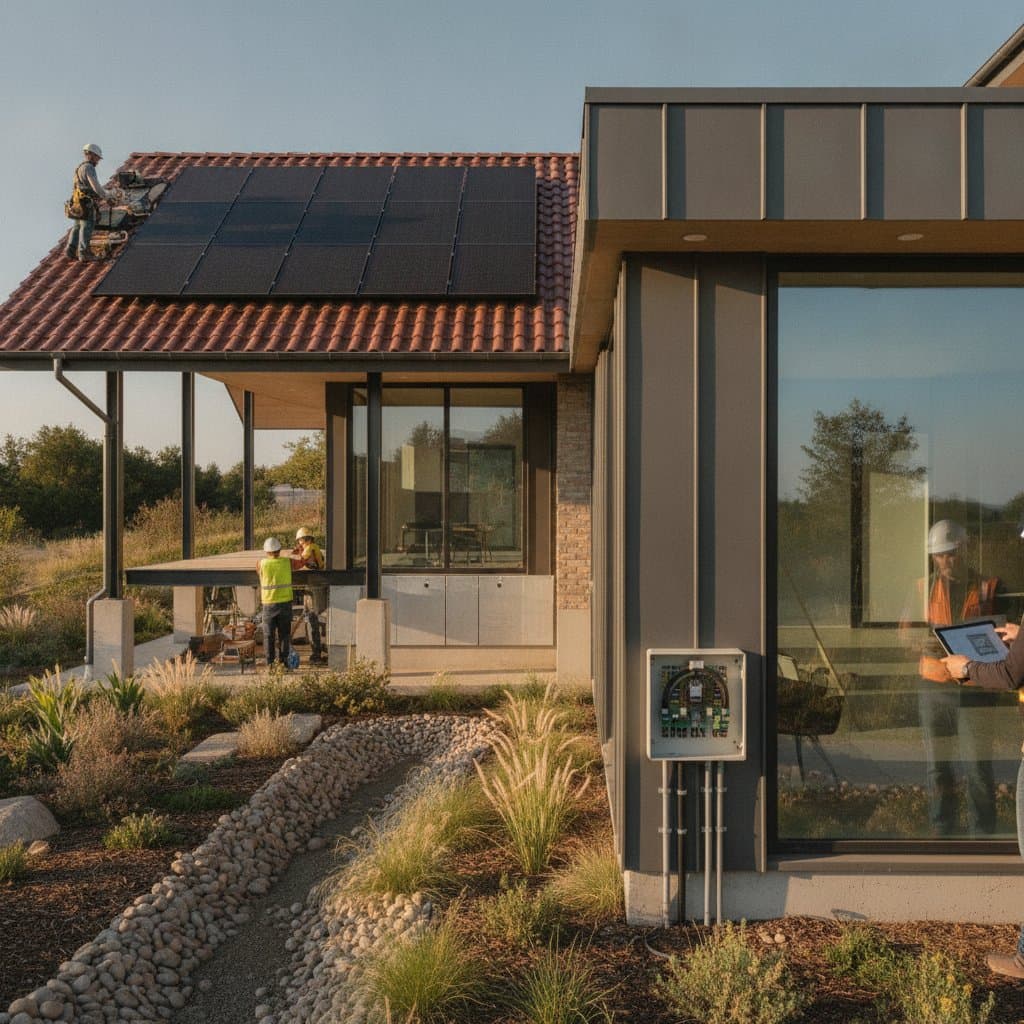
- Elevate utilities, including electrical panels, HVAC units, and water heaters, to a height exceeding the base flood elevation as defined by local maps.
- Verify the functionality of backup power sources for pumps and alarms through simulated testing.
Post-installation, conduct a professional inspection to confirm compliance and seal any inadvertent gaps.
Compliance, Safety Considerations, and Warranty Guidance
Adherence to standards set by the Federal Emergency Management Agency (FEMA) or equivalent local floodplain ordinances remains essential. Projects involving subsurface work often require verification inspections prior to backfilling. Electrical modifications must incorporate ground-fault circuit interrupter (GFCI) outlets and watertight conduit to prevent shocks. Faulty sealing techniques can lead to trapped moisture, fostering mold growth and potentially invalidating structural warranties. Secure detailed documentation for all applied membranes and coatings, including manufacturer specifications and application methods.
Pitfalls to Sidestep During Implementation
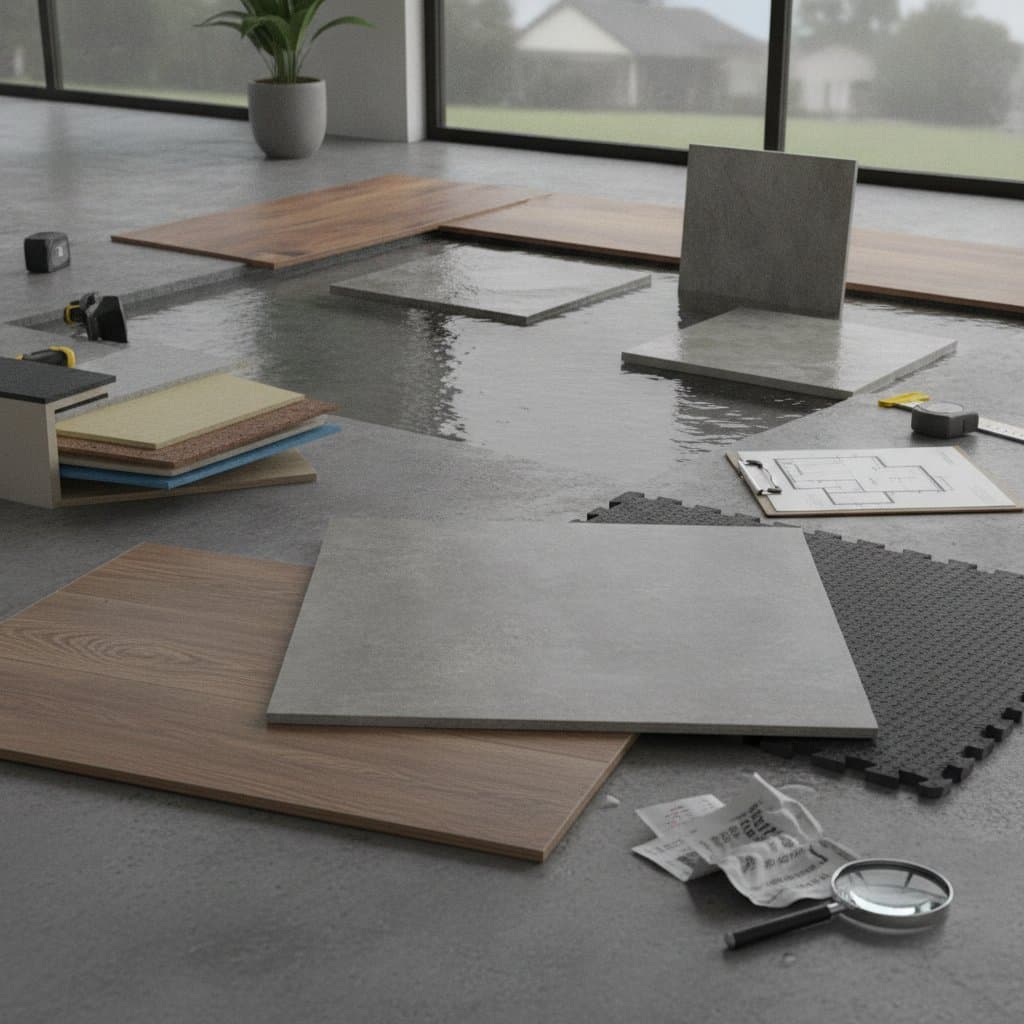
Overlook site grading at your peril; poor slopes amplify runoff toward the home, undermining all other efforts. Avoid installing absorbent materials like standard drywall or medium-density fiberboard below the flood line; opt instead for concrete blocks or marine-grade plywood. Neglect annual testing of sump pumps, as mechanical failures during events can exacerbate damage. In wet systems, ensure vents remain unobstructed and avoid over-sealing that prevents pressure equalization. Always confirm adequate clearance for elevating utilities to prevent strain on connections.
Ongoing Maintenance and Expected Durability
Schedule biannual inspections for flood vents, sump pumps, and drainage paths to detect wear early. Replace batteries in backup systems every three years to guarantee reliability. Reapply protective coatings to membranes every ten to fifteen years, guided by the product's rated lifespan and exposure conditions. Maintain clear gutters and downspouts year-round to prevent overflow. Periodically review updated flood risk maps from local emergency management offices, as shifting climate patterns may alter hazard zones.
Deciding Between Professional and DIY Approaches
DIY efforts suit straightforward tasks such as applying sealants to small cracks, performing minor grading adjustments, or replacing existing sump pumps, provided electrical knowledge suffices. Engage licensed professionals for complex endeavors like installing structural membranes, overhauling drainage networks, or any work requiring excavation and regulatory approvals. Errors in these areas risk foundation instability or hazardous electrical shorts, amplifying long-term costs.
DIY Suitability Criteria:
- Required Skills: Moderate proficiency in carpentry or basic plumbing
- Safety Considerations: Moderate risk for pump handling; elevated for digging operations
- Essential Tools: Rotary hammer drill, caulking gun, wet/dry vacuum, and submersible utility pump
Essential Preparation Checklist
- Verify current flood insurance coverage and elevation certificate.
- Map out utility locations and plan elevations accordingly.
- Stockpile emergency supplies including sandbags, tarps, and a portable generator.
- Document pre-installation conditions with photographs for insurance claims.
- Coordinate with neighbors on shared drainage improvements.
- Schedule a pre-flood walkthrough to test all systems.
Securing Long-Term Protection
Implementing dry or wet flood-proofing transforms vulnerability into fortified resilience. Homeowners who invest in these measures not only safeguard their investments but also enhance family safety amid escalating climate challenges. By blending proactive design with diligent upkeep, properties endure floods with minimal disruption, preserving value and peace of mind for years to come.