Drought-Proof Yards That Save Water and Cut Costs
Creating a drought-proof yard represents a strategic approach to reducing water bills, minimizing maintenance efforts, and sustaining a vibrant landscape amid dry spells. By selecting appropriate plants, preparing the soil effectively, and implementing efficient irrigation methods, homeowners can develop an attractive outdoor space that consumes significantly less water than a traditional lawn. This guide outlines the steps to achieve such a transformation, providing practical insights for lasting results.
Essential Planning Steps
Before embarking on any project, consider these foundational elements to ensure success.
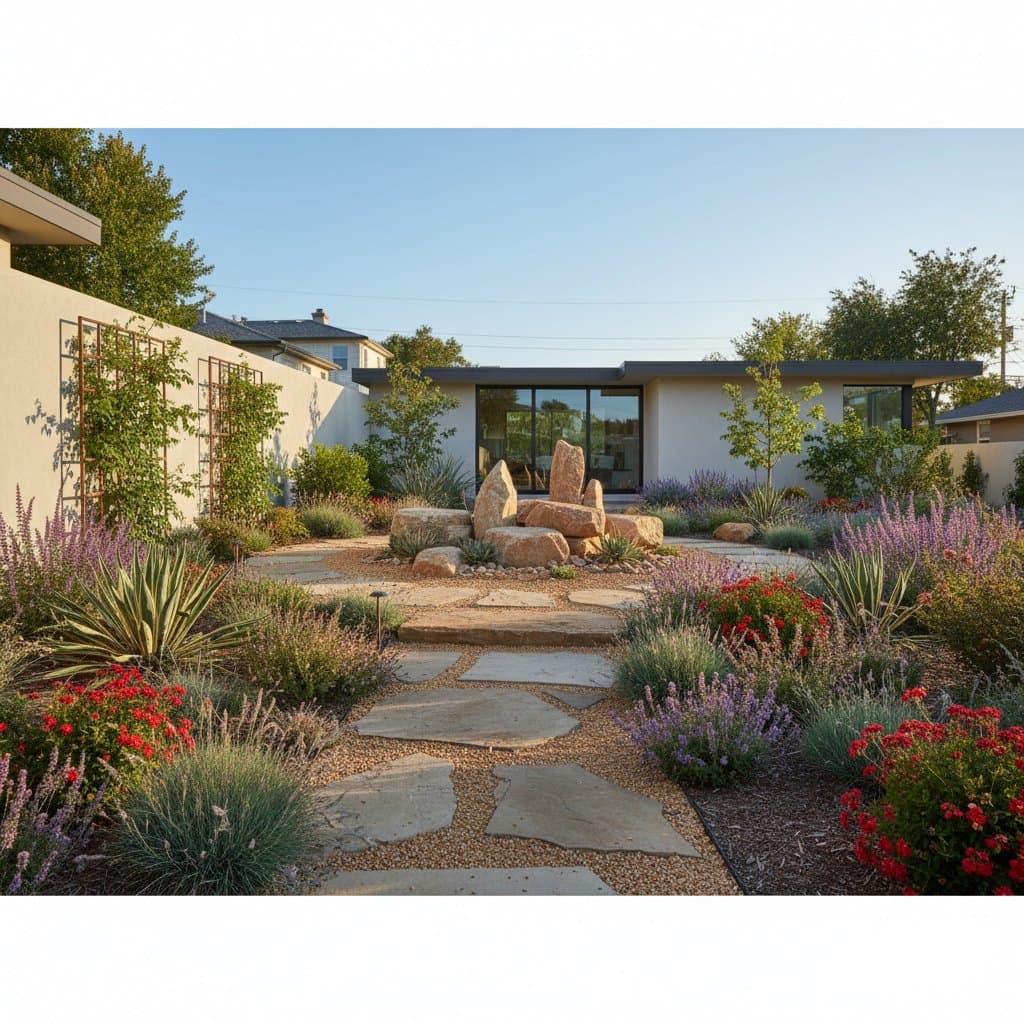
- Select a landscape theme that aligns with your preferences and local conditions, such as Mediterranean gardens with olive trees and lavender, desert motifs featuring cacti and agave, or native meadows incorporating wildflowers and bunchgrasses.
- Determine the extent of lawn retention; a modest area of drought-resistant turf, like fescue or Bermuda grass blends, can offer play space without excessive water demands.
- Evaluate soil composition through a simple test: sandy soils require amendments like compost to retain moisture, while clay soils benefit from gypsum or organic matter to improve drainage and prevent compaction.
- Outline irrigation enhancements, prioritizing low-flow drip systems or weather-responsive controllers that adjust watering based on rainfall data.
- Prioritize regionally adapted plants; consult local nurseries for species like California lilac or blackfoot daisy, which demand minimal supplemental watering once established.
These decisions form the blueprint for a resilient yard tailored to your site's unique characteristics.
Understanding Costs and Budget Factors
A complete yard overhaul typically ranges from $5 to $15 per square foot, influenced by project scale, material selections, and labor involvement. For a standard 2,000-square-foot yard, initial investments might span $10,000 to $30,000, but long-term savings on water and upkeep often recoup expenses within three to five years.
Factors that elevate expenses include:
- High-end mulches such as river rock or decomposed granite, which enhance aesthetics but add to material costs.
- Advanced irrigation setups with soil moisture sensors or app-controlled timers, ensuring precise water delivery.
- Consultation with landscape architects for custom layouts that integrate hardscaping elements like patios or pathways.
Strategies to control spending encompass:
- Leveraging on-site soil by tilling in homemade compost from yard waste to boost fertility without purchasing imports.
- Starting plants from seeds or divisions of established perennials, reducing nursery expenses by up to 50 percent.
- Handling basic installations personally, such as laying mulch or connecting simple drip lines, to avoid professional fees.
For a straightforward DIY xeriscape featuring native flora, gravel borders, and basic drip irrigation, anticipate $2,000 to $5,000 total. Engaging professionals for intricate designs or installations can push figures to $8,000 or higher, particularly for larger properties.
Deciding Between DIY and Professional Assistance
Many aspects of drought-proof landscaping suit hands-on enthusiasts equipped with fundamental skills. Tasks like excavating sod, applying mulch layers two to three inches deep, and positioning shrubs in prepared beds require only standard garden implements and a few hours per section.
However, certain elements warrant expert intervention to guarantee safety and efficacy. These include engineering proper drainage channels to redirect runoff, integrating irrigation lines with existing plumbing to comply with local codes, or reshaping terrain on sloped areas to prevent erosion.
Homeowners adept with hand tools, such as post-hole diggers and adjustable wrenches for fittings, can manage most plantings and basic systems independently. For expansive designs, structural features like low retaining walls, or integrations involving electrical components for automated sprinklers, secure services from certified landscapers to mitigate risks and ensure durability.
Essential Materials and Tools
Gather these items to streamline the process and avoid mid-project delays.
Materials
- Drought-adapted plants, including succulents like sedum, perennials such as yarrow, and shrubs like salvia, sourced from local suppliers for optimal adaptation.
- Mulching options: organic varieties like bark chips for moisture retention or inorganic gravel for weed suppression and visual appeal.
- Irrigation components: 1/2-inch drip tubing, pressure-compensating emitters spaced 12 inches apart, barbed connectors, and inline filters to maintain flow.
- Soil enhancers: aged compost, worm castings, or perlite to adjust texture and nutrient levels.
- Optional weed fabric: permeable landscape cloth to block unwanted growth while allowing water penetration.
Tools
- Sturdy shovel for digging planting holes twice the width of root balls and a rake for leveling surfaces.
- Durable wheelbarrow to transport soil and materials efficiently across the site.
- Standard garden hose paired with a battery-operated timer for initial testing and supplemental watering.
- Sharp utility knife for cutting tubing and fabric to precise lengths.
- Galvanized landscape staples to secure fabric and tubing in place against wind or foot traffic.
With these prepared, installation proceeds smoothly from site preparation to final touches.
Ongoing Maintenance for Longevity
Established drought-proof landscapes demand roughly one-third the water volume of standard turf setups, promoting sustainability and cost efficiency. Apply water deeply, aiming for 1 inch per week during dry periods, to foster root systems that reach 2 to 3 feet deep and access groundwater reserves. Refresh mulch annually to a depth of 2 inches, curbing soil evaporation by up to 70 percent and moderating temperature fluctuations.
Trim plants post-bloom to encourage bushier growth and improve air circulation, reducing disease risks. Monitor for pests through regular inspections, opting for natural controls like neem oil over chemicals to preserve ecological balance.
Native installations often endure 20 years or more with minimal intervention, showcasing resilience. Irrigation elements, including tubing and emitters, generally perform for five to ten years; inspect annually for blockages from mineral buildup or damage from rodents, replacing as needed to sustain efficiency.
Adapting to Local Conditions
Tailor choices to your area's precipitation patterns, soil pH, and seasonal extremes for best outcomes. In coastal zones with mild winters, opt for salt-tolerant options like ice plant or dune grass, which thrive in sandy, wind-exposed settings. Arid inland locales suit woody perennials such as creosote bush or penstemon, capable of withstanding 100-degree heat with sparse watering.
For regions with occasional humidity, select varieties resistant to fungal issues, including salvia greggii or gaillardia, which maintain color and vigor through summer rains. Verify suitability via resources from cooperative extension services, which provide lists of proven, low-water species tested in your USDA hardiness zone.
Addressing Frequent Concerns
When Do Savings Materialize?
Water bill reductions typically appear in the first billing cycle following completion, with full benefits evident by season's end as plants settle and irrigation optimizes.
Must Drought-Tolerant Plants Receive Regular Water?
Newly planted specimens require consistent moisture for the first one to two years to develop roots. Mature plants in suitable climates often rely solely on natural precipitation, needing intervention only during prolonged droughts exceeding four weeks.
Is Partial Lawn Preservation Feasible?
Absolutely; incorporate water-wise varieties like native buffalograss or hybrid zoysia in designated zones, irrigating them separately via zoned systems to conserve resources elsewhere.
Does This Enhance Property Value?
Such landscapes elevate aesthetic appeal through year-round greenery and modern design, while slashing utility expenses by 30 to 50 percent annually, making homes more attractive to eco-conscious buyers.
Steps to Launch Your Project
Begin by sketching a site map, marking sun exposure, drainage paths, and desired features to guide plant placement. Source materials from reputable suppliers, starting with soil testing kits available at garden centers for $10 to $20. Proceed in phases: clear and amend soil first, install irrigation next, then plant and mulch. Track progress with a journal noting watering schedules and growth milestones. Over time, this investment yields a thriving, low-effort yard that enhances daily living and environmental stewardship.