How Much Does Granny Pod Installation Cost? Full Pricing Guide
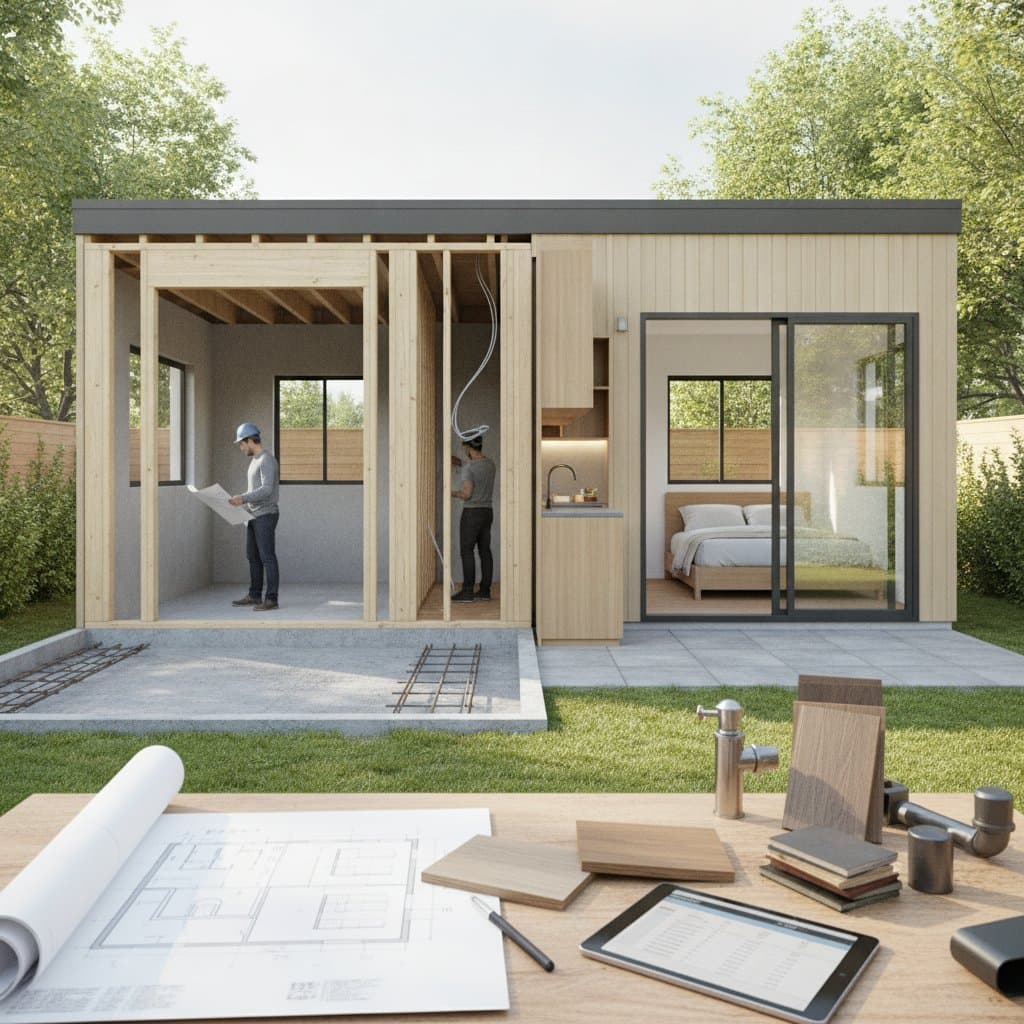
A granny pod turns a backyard into a comfortable, independent living space for aging parents or guests. Professional installation costs range from $85,000 to $250,000, with most homeowners paying about $140,000 for a fully equipped unit. Key factors include size, materials, and site complexity. Costs tend to rise in urban areas due to higher permits and labor rates, while rural sites often save on preparation. The National Association of Home Builders notes that well-installed accessory dwelling units can boost property value by up to 35 percent and enhance multigenerational living options.
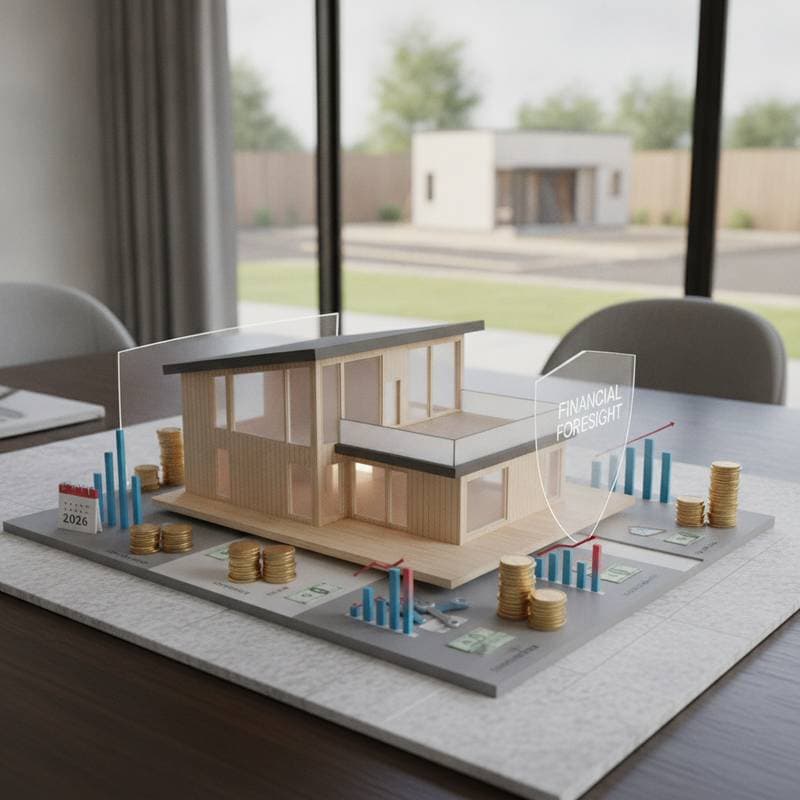
This investment offers independence, safety, and family proximity without the ongoing costs of assisted living. A clear understanding of pricing details allows you to budget effectively and select the best design, contractor, and materials for your needs.
Detailed Cost Breakdown
Granny pod costs follow a per-square-foot model. Prefab units range from $150 to $300 per square foot, while custom designs average $250 to $450 per square foot. For a typical 400-square-foot pod, expect around $140,000, covering utilities, foundation, and finishes. Contractors may add a $10,000 to $15,000 minimum fee for basic site work.
Size and Scope Factor
Size most strongly impacts the total price. A 250-square-foot pod starts at $85,000. Mid-size options from 400 to 500 square feet run $120,000 to $160,000. Larger units over 600 square feet often exceed $200,000. Adding 100 square feet typically increases costs by $20,000 to $40,000, based on interior details.
Consider a North Carolina homeowner who paid $132,000 for a 400-square-foot prefab with a kitchenette, bathroom, and ADA entry. A California owner spent $210,000 on a 600-square-foot custom build featuring solar panels and a full kitchen. The American Housing Survey indicates regional costs vary by up to 45 percent between urban and rural locations.
Material and Quality Tiers
Materials affect both expense and durability. Entry-level options with vinyl siding, laminate flooring, and basic insulation cost $150 to $200 per square foot. These suit temporary or budget needs and last 15 to 20 years with maintenance.
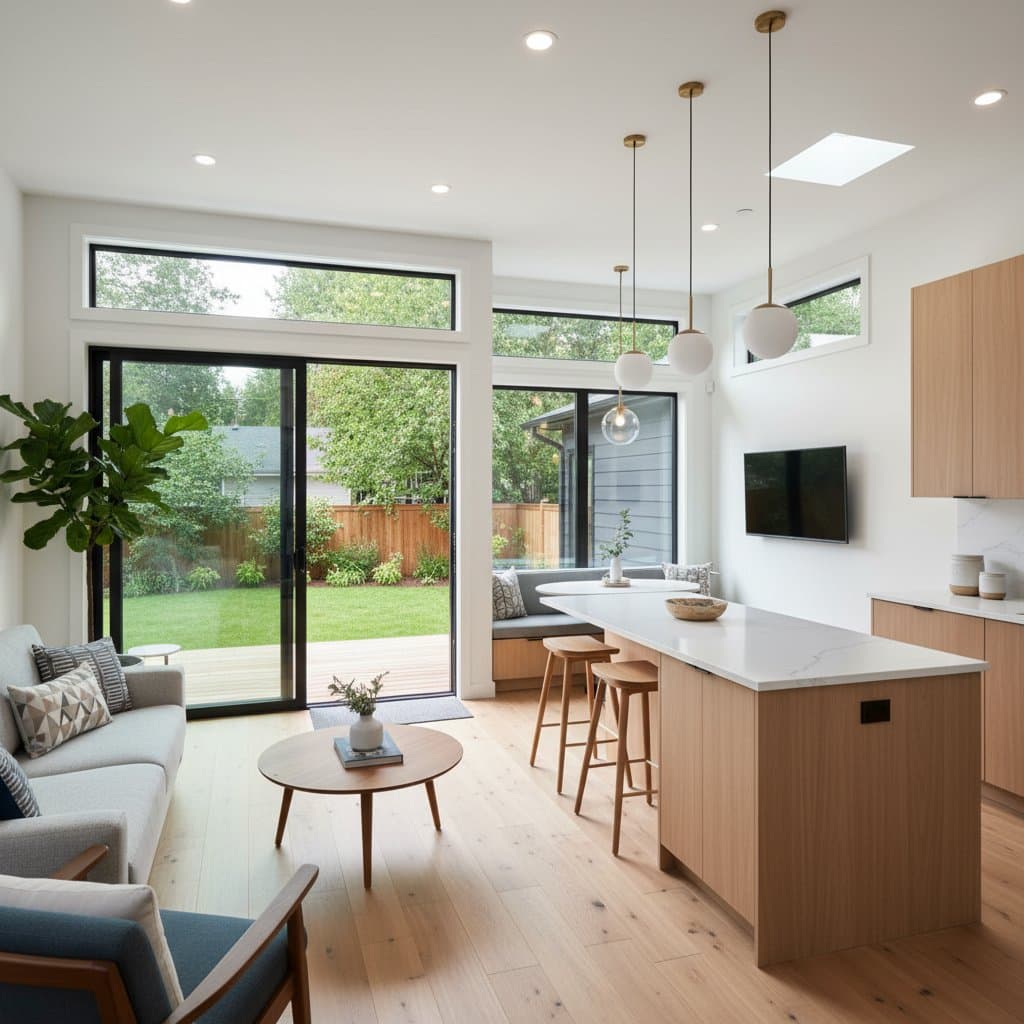
Mid-range pods, the most popular choice, use fiber-cement siding, engineered wood floors, and energy-efficient windows at $220 to $310 per square foot. Brands like MEDCottage and Boxabl fit this level, providing solid energy savings and appeal.
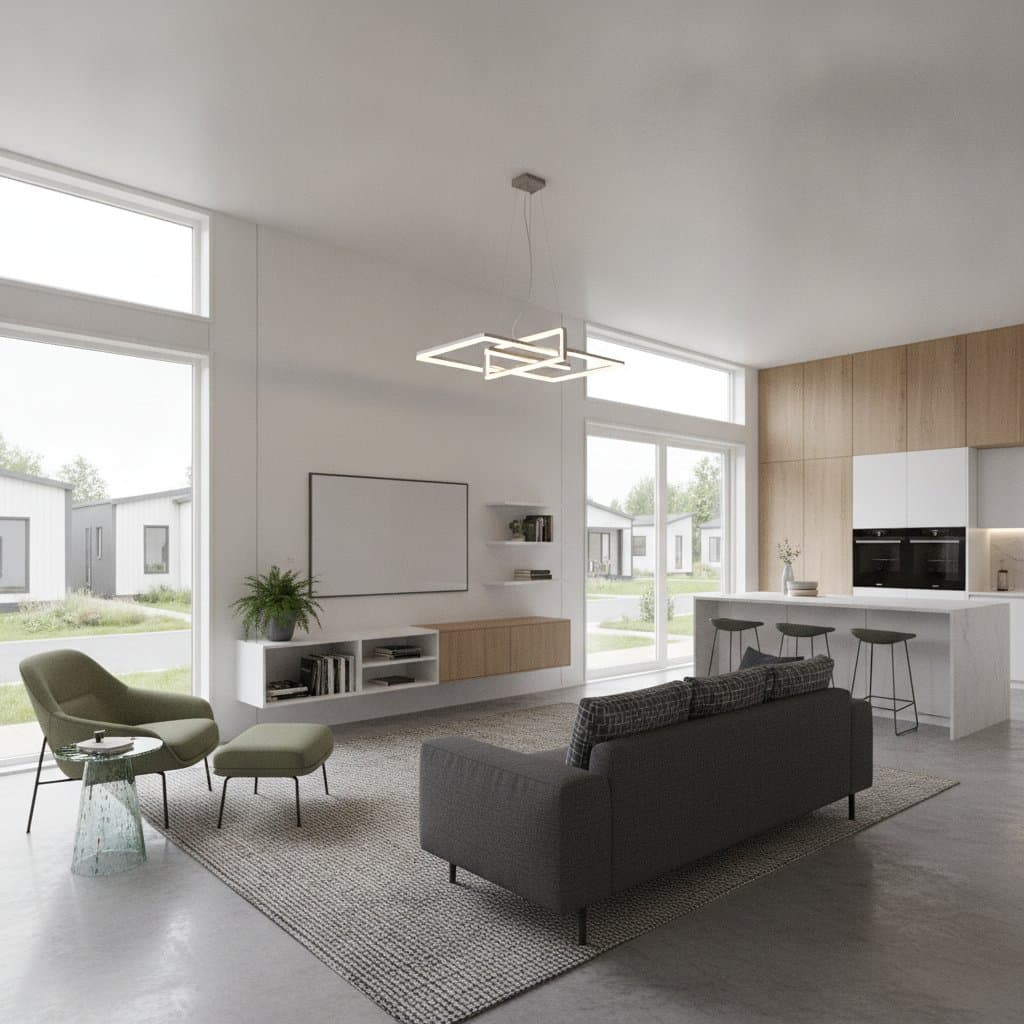
Premium builds include hardwood floors, quartz counters, and metal roofs, priced at $320 to $450 per square foot. They feature smart home tech, advanced HVAC, and brands such as Andersen Windows and Kohler fixtures. These options lower energy costs and boost resale value, often with 10-year structural warranties and lifetime coverage on key parts.
Complexity and Site Variables
Site conditions play a major role in pricing. Flat lots with easy utility access keep costs down. Sloped or wooded areas might need grading or walls, adding $5,000 to $25,000. Accessibility or fire safety codes can tack on $3,000 to $10,000.
Permits cost $1,000 to $8,000 by location. In cities like Seattle or Austin, impact fees raise totals by 10 to 15 percent. Platforms like HomeAdvisor and Angi recommend budgeting 15 percent extra for surprises.
Service Types and Comprehensive Pricing
Installations fall into basic, premium, and add-on categories, each with distinct scopes and prices.
Basic or Standard Package
Standard packages handle core construction, including unit delivery, foundation, electrical, plumbing, and basic finishes. Completion takes 4 to 6 weeks at $85,000 to $130,000. Labor makes up 35 percent, with materials and permits filling the balance. This fits needs for simple, functional space without extras.
Premium and Comprehensive Package
Premium options add customization, accessibility, and superior materials, covering design, cabinetry, HVAC, solar, soundproofing, and automation. Prices span $150,000 to $250,000, 25 to 40 percent above standard. They enhance resale by 20 to 35 percent and cut energy use by 15 percent, taking 8 to 12 weeks total.
Add-on Services and Bundled Savings
Extras improve usability. Bundle them for 5 to 15 percent savings.
| Add-On Service | Typical Cost | Bundle Savings |
|---|---|---|
| Deck or porch installation | $5,000 to $12,000 | 10% when bundled |
| Solar panel system | $10,000 to $18,000 | 8% rebate average |
| Landscaping and fencing | $3,000 to $9,000 | 12% when included |
| ADA accessibility upgrades | $4,000 to $10,000 | 5% discount with initial build |
Use apps like Thumbtack or BuildZoom to manage one contractor for efficiency.
Professional vs. DIY Installation
DIY Cost Breakdown
DIY appeals for savings, but expenses mount fast. Materials for 400 square feet, from framing to fixtures, total $55,000 to $70,000. Tools add $2,000 to $5,000. Time investment of 400 to 600 hours equals $20,000 to $30,000 in lost wages. With permits and risks, full costs hit $75,000 to $95,000, minus warranties.
Professional Advantages
Professionals ensure speed, quality, and code compliance, saving labor hours. Warranties last 5 to 10 years. They access equipment and networks, cutting time by 50 percent. Zillow data shows permitted units sell 25 percent faster and $60,000 higher.
Decision Framework
Choose DIY if you have skills, time, and lax codes. Opt for professionals for reliability, financing, and assurance. Errors often erase DIY savings.
Actionable Cost-Saving Strategies
Timing Optimization
Save up to 10 percent by scheduling in winter or early spring when demand dips. Midweek starts cut 3 to 7 percent over weekends. Get bids three months ahead for better rates.
Smart Shopping Tactics
Gather three or more quotes to lower costs by 15 percent. Use milestone payments for 2 to 5 percent discounts. Buy materials via Home Depot Pro or Lowe’s Commercial to skip markups.
Preparation Actions
Prep the site by clearing debris and ensuring access to save $1,000 to $3,000. Share clear plans and references to avoid mid-build changes.
Market Dynamics and Considerations
Geographic Variations
Prices differ by 40 percent regionally. Coastal cities like Los Angeles or New York add 20 to 35 percent premiums. Rural Midwest or South areas cost less but may delay due to contractor scarcity.
Market Timing
Supply issues affect lumber and concrete prices monthly. Track indexes to time buys. Stable periods with builders yield big savings.
Value Indicators
Pods can rent for $900 to $2,000 monthly if zoned. Efficient designs save 20 to 30 percent on utilities. Annual maintenance runs $300 to $600, far below additions.
Related Services Ecosystem
Pair pods with upgrades for synergy.
Garage conversions to ADUs cost $60,000 to $120,000, offering affordable alternatives.
Basement apartments range $50,000 to $110,000, ideal for cold regions.
Steps to Secure Lasting Value
Select size, materials, and timing to balance comfort and returns. Check contractor licenses, compare quotes, and view past work. For flexible living or income, a pro-installed pod stands as a smart upgrade. Plan thoughtfully to build a space that supports family and elevates your home's worth over time.