Introduction to Native Plants for Sustainable Landscaping
Native plants offer a practical solution for homeowners facing rising water costs and unpredictable weather. These species, adapted to local ecosystems, require minimal irrigation once established. By incorporating them into your landscape, you create a resilient garden that supports biodiversity while reducing utility expenses.
Selecting native plants begins with understanding your region's climate and soil conditions. This approach not only conserves water but also enhances the natural beauty of your property. The following sections explore the benefits, preparation steps, and maintenance strategies to help you build a drought-resistant yard.
Key Benefits of Native Plants
Native plants thrive in local conditions, which means they demand less water than exotic varieties. In drought-prone areas, this feature translates to significant savings on water bills, often up to 50 percent or more. Their deep root systems efficiently absorb moisture from the soil, minimizing the need for supplemental watering.
Beyond water conservation, these plants lower maintenance efforts. They resist common pests and diseases prevalent in non-native species, reducing the use of chemicals. Additionally, native landscaping attracts pollinators and wildlife, fostering a healthier ecosystem around your home.
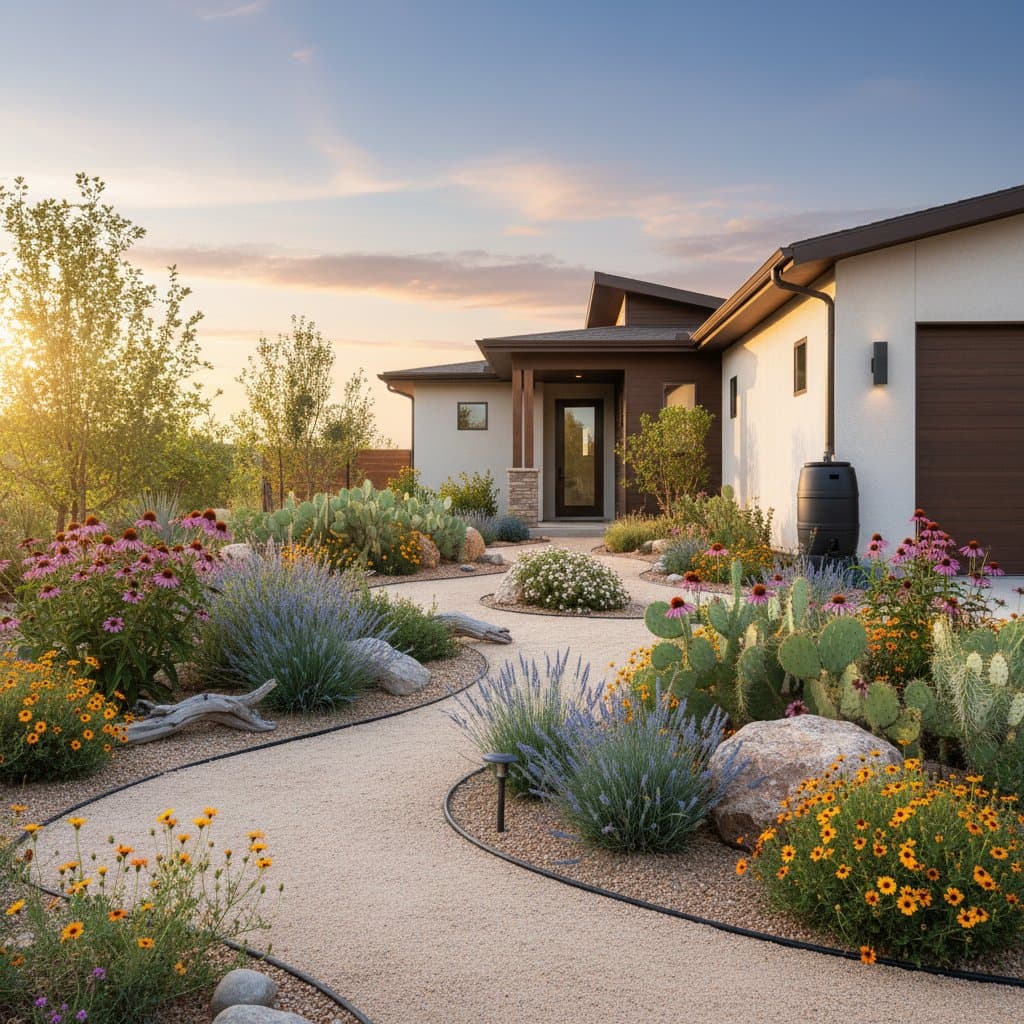
A well-designed native garden also improves curb appeal. Varied textures, colors, and heights create visual interest without the upkeep of traditional lawns. This sustainable choice aligns with broader environmental goals, such as mitigating urban heat islands and preventing soil erosion.
Preparing Your Soil and Site
Successful native plantings start with soil assessment. Test your soil's pH and texture to match it with suitable species. Loam, a balanced mix of sand, silt, and clay, proves ideal for most plants, but natives often tolerate poorer soils.
Incorporate compost, which consists of decomposed organic matter used to enrich soil. Spread a two-inch layer over the planting area and work it into the top six inches of soil. This amendment improves water retention and nutrient availability without altering the natural composition drastically.
Address weeds before planting. Consider solarization, a method using plastic sheeting to kill grass or weeds with heat. Cover the area for four to six weeks during summer months, allowing the sun to sterilize the soil naturally.
Plan your layout to include hardscape elements like stone paths or gravel borders. These non-plant features reduce the planted area, further conserving water. Group plants by water needs to optimize irrigation efficiency and prevent runoff, which occurs when water flows over land instead of soaking into the soil.
Selecting and Planting Native Species
Choose perennials, plants that regrow each year without reseeding, for long-term reliability. Examples include black-eyed Susan for sunny spots or ferns for shaded areas, depending on your locale. Consult local extension services for region-specific recommendations to ensure compatibility.
Plant during the cooler seasons, such as fall or early spring, to allow roots to establish before extreme heat arrives. Dig holes twice as wide as the root ball but no deeper. Place the plant at the same depth it grew in its nursery pot, then backfill with native soil mixed with compost.
Water newly planted natives thoroughly at installation, providing about one inch per week for the first season. Gradually reduce frequency as roots deepen. Mulch around plants with organic materials to suppress weeds and decrease evaporation, the water loss from soil or plant surfaces due to heat.
Step-by-Step Planting Guide
- Mark out garden beds, leaving space for hardscape if desired.
- Remove existing vegetation using solarization or manual tilling.
- Amend soil with compost and level the surface.
- Select and arrange plants, placing taller species at the back.
- Plant, water, and apply mulch immediately.
- Monitor for the first few weeks, adjusting as needed.
Efficient Irrigation and Maintenance
Install a drip irrigation system for precise water delivery directly to roots. This method minimizes waste compared to overhead sprinklers, which contribute to evaporation. Set timers to water early in the morning, avoiding midday heat that accelerates moisture loss.
Once established, many natives require watering only during prolonged dry spells. Check soil moisture by inserting a finger two inches deep; water if it feels dry. This hands-off approach saves time and resources.
Prune selectively to maintain shape and remove dead growth. Avoid over-fertilizing, as natives perform best with natural nutrients. In fall, rake leaves to prevent smothering but allow some to decompose as natural compost.
Monitor for invasive species that could compete with your natives. Pull weeds promptly to maintain balance. Over time, your garden will self-sustain, requiring minimal intervention.
Long-Term Rewards of a Native Landscape
A native plant yard delivers ongoing savings and satisfaction. Expect lower water bills year-round, even in droughts, as these plants endure heat and aridity naturally. Enhanced biodiversity brings joy through visiting birds and insects.
Your property becomes a model of sustainability, inspiring neighbors and contributing to community resilience. With proper initial planning, this landscape endures for years, providing beauty and functionality with ease.