Introduction to Multigenerational Home Conversions
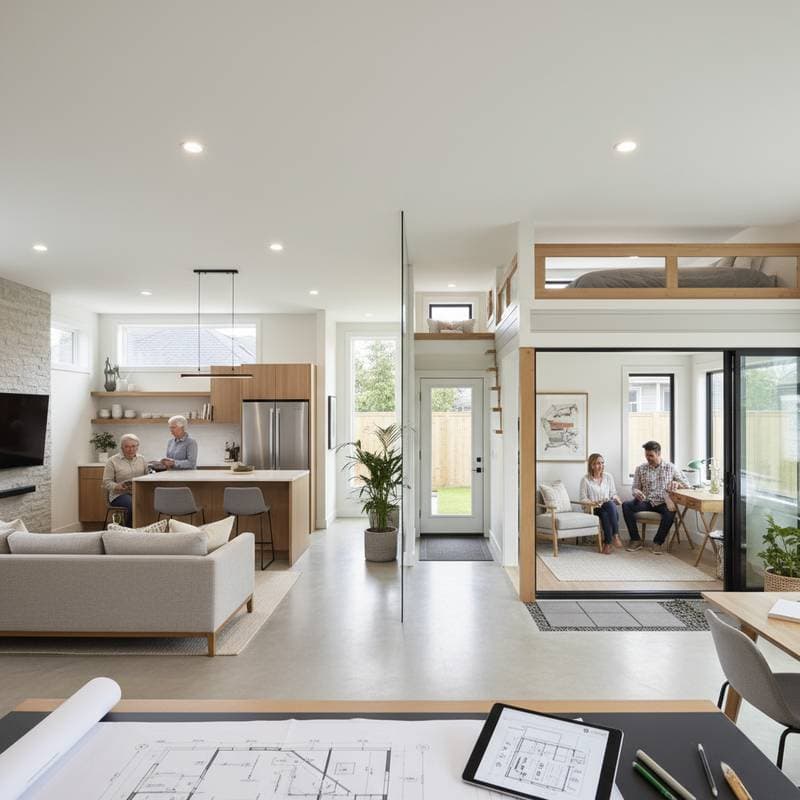
Multigenerational living arrangements grow in popularity as families seek ways to stay close while maintaining independence. These conversions transform existing homes into spaces that accommodate multiple generations, such as parents, adult children, and grandparents. In 2026, such projects balance immediate family needs with long-term property enhancement.
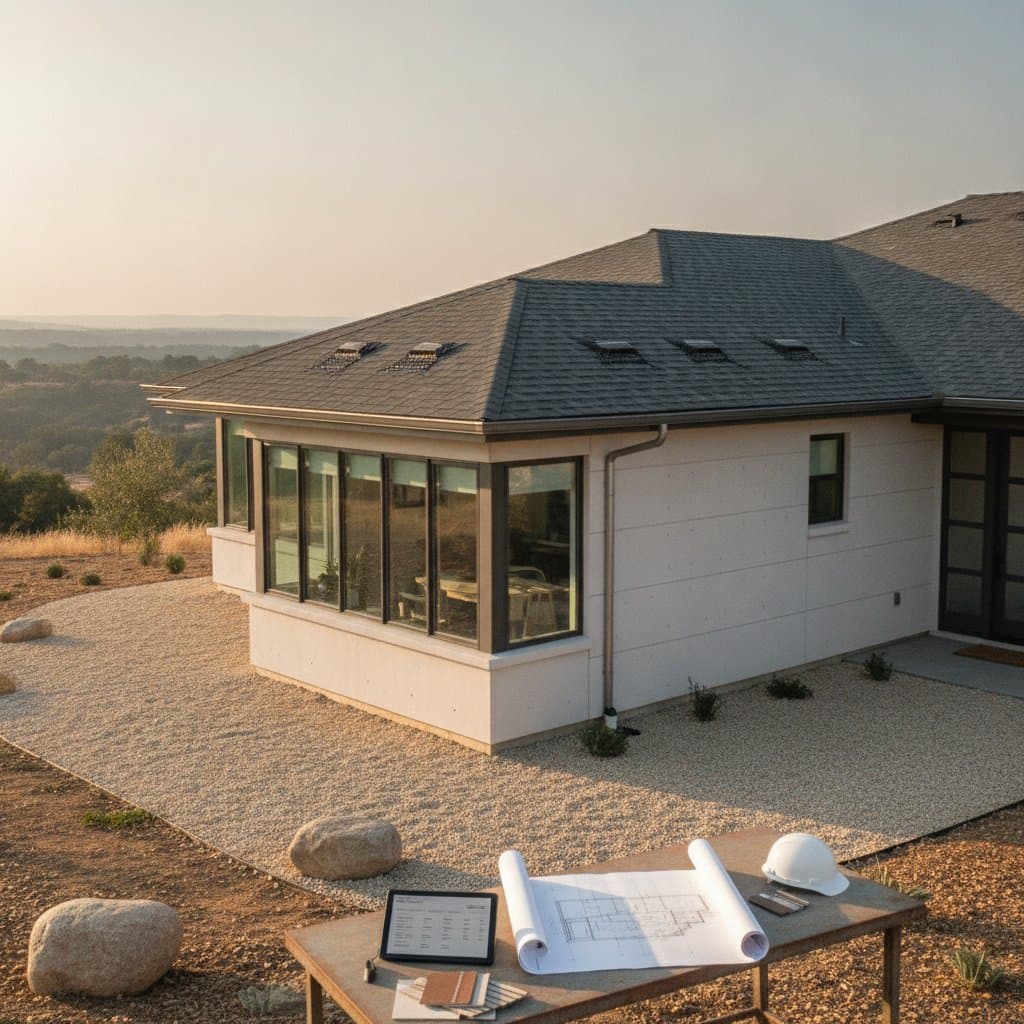
Costs for these conversions typically range from $80,000 to $280,000. Factors like home size, location, and desired features influence the final price. For instance, a simple basement finish might stay under $100,000, while a detached accessory dwelling unit (ADU) could exceed $200,000 in urban areas.
Cost Breakdown and Influencing Factors
Budgeting begins with understanding key expenses. Structural modifications, including framing and foundation work, form the foundation of any project. Plumbing and electrical updates ensure safety and functionality, often requiring permits and inspections.
HVAC systems demand attention to support added living areas. In 2026, energy-efficient options like ductless mini-splits reduce ongoing costs. Design choices, such as universal accessibility features or smart home integrations, add to the investment but enhance usability.
Location plays a significant role. Coastal regions face higher labor rates and material costs due to seismic or flood regulations. Inland areas might offer savings, yet zoning laws vary widely. Consult local building codes early to avoid surprises.
Timelines extend from three months for minor remodels to over a year for extensive additions. Delays often stem from permitting processes or supply chain issues. Allocate a 10 to 15 percent contingency fund for unforeseen expenses.
Planning and Execution Steps
Start with a family discussion to define requirements. Consider privacy levels, shared spaces, and accessibility needs, such as zero-step entries or wide doorways. Sketch initial layouts to visualize flow between generations.
Engage professionals from the outset. Licensed contractors handle structural framing, plumbing, electrical, and HVAC work. For complex changes, like altering load-bearing walls or adding a second story, hire an architect or design-build team.
Code compliance remains essential. Safety inspections verify habitability, including fire exits, smoke detectors, and ventilation. Many jurisdictions mandate separate entrances for units with kitchens, promoting independence and resale potential.
Skill Level Considerations:
Small interior remodels suit intermediate skills, involving cosmetic updates or minor partitioning. Full conversions demand advanced expertise or professional involvement to meet standards and avoid hazards.
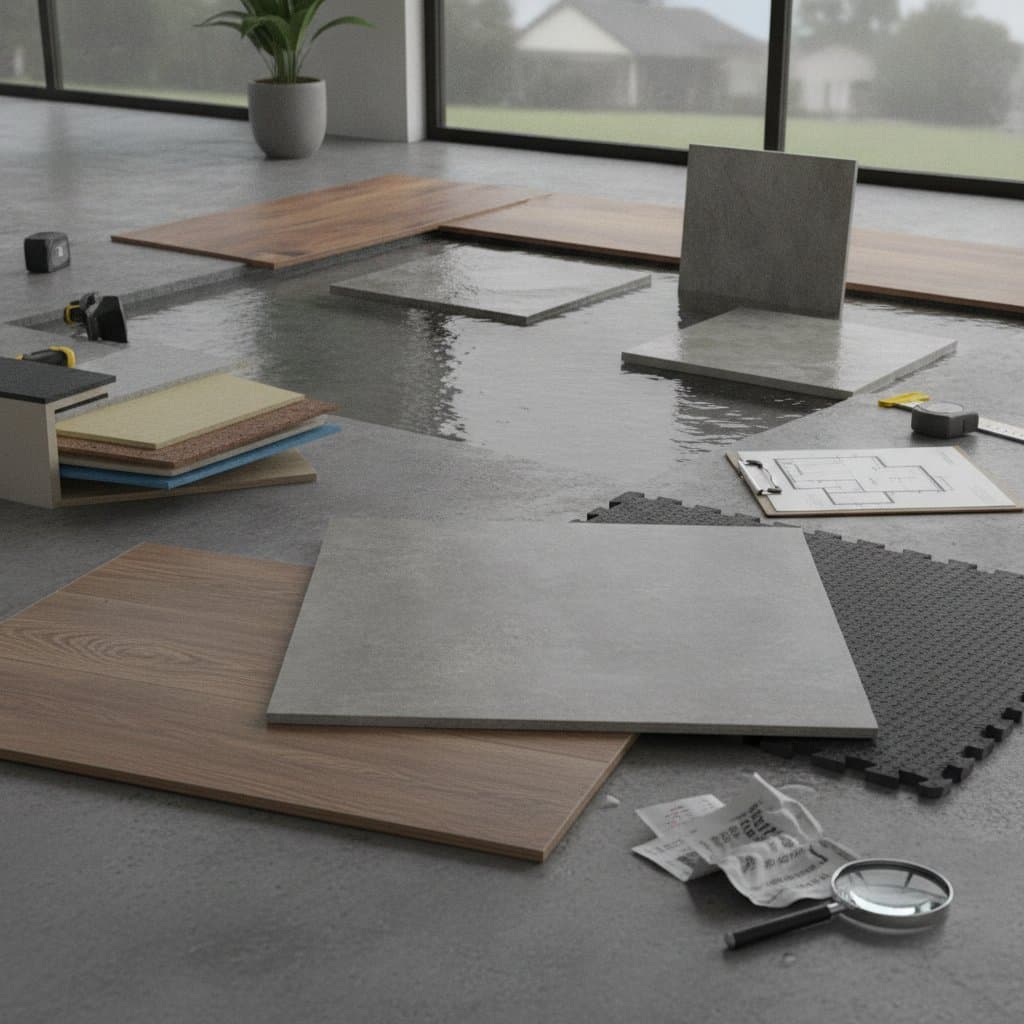
Select durable materials to withstand daily use. Vinyl plank flooring resists wear, quartz counters endure heavy traffic, and moisture-resistant drywall prevents mold in humid areas.
Maintenance, Care, and Lifespan
Proper upkeep extends the value of multigenerational spaces for decades. Regular inspections identify issues before they escalate.
- Inspect plumbing annually for leaks, particularly in new kitchens or bathrooms.
- Clean HVAC filters every season to maintain efficient shared air systems.
- Repaint walls every five to seven years to preserve appearance and protect surfaces.
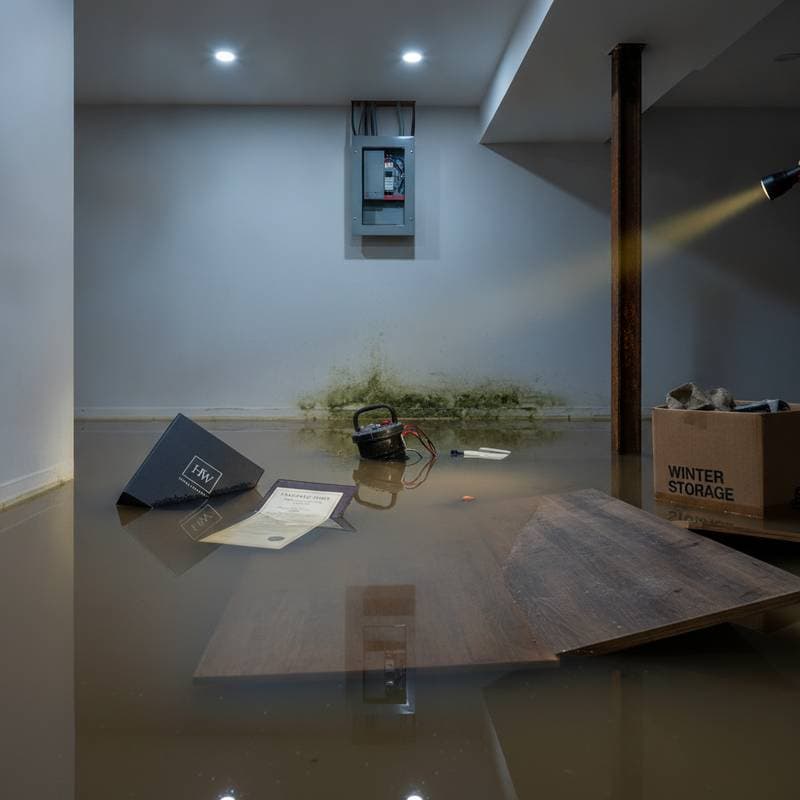
- Check exterior drainage regularly to avoid moisture buildup in basements or foundations.
- Upgrade to energy-efficient LED lighting to lower utility bills over time.
These practices minimize repairs and sustain property appeal. Focus on high-traffic areas first to maximize impact.
Common Questions
Can conversions proceed without a separate entrance?
Yes, interior access works in some cases, yet privacy concerns and code rules often favor dedicated entries. Units with cooking facilities typically require independent exits for safety.
Do property taxes increase after conversion?
In most instances, yes. Additional livable square footage raises the assessed value, leading to proportional tax hikes based on local rates and improvement scale.
Is renting the new space permitted?
Zoning determines this. Certain areas permit short-term or long-term rentals, while others limit ADUs to family occupancy. Verify regulations with local authorities prior to construction.
What investment return should families anticipate?
Projects adding legal rental units or versatile suites often recover 60 to 80 percent of costs upon resale. High-demand markets may yield even greater returns through increased property value.
How to proceed if the lot size limits additions?
Opt for internal adjustments. Reconfigure large rooms into compact suites or finish attic spaces to gain functional area without outward expansion.
Steps to Launch Your Project
Initiate the process by assessing family dynamics and establishing a realistic budget. Gather quotes from vetted contractors and review zoning specifics.
Proceed with detailed designs that prioritize flexibility. Incorporate elements like adaptable bedrooms or communal kitchens to evolve with changing needs.
These conversions foster stronger family connections, cut housing expenses, and create enduring assets. A basement suite or backyard ADU, executed thoughtfully, delivers safety, comfort, and adaptability for all residents.