Water-Resistant Materials and Finishes
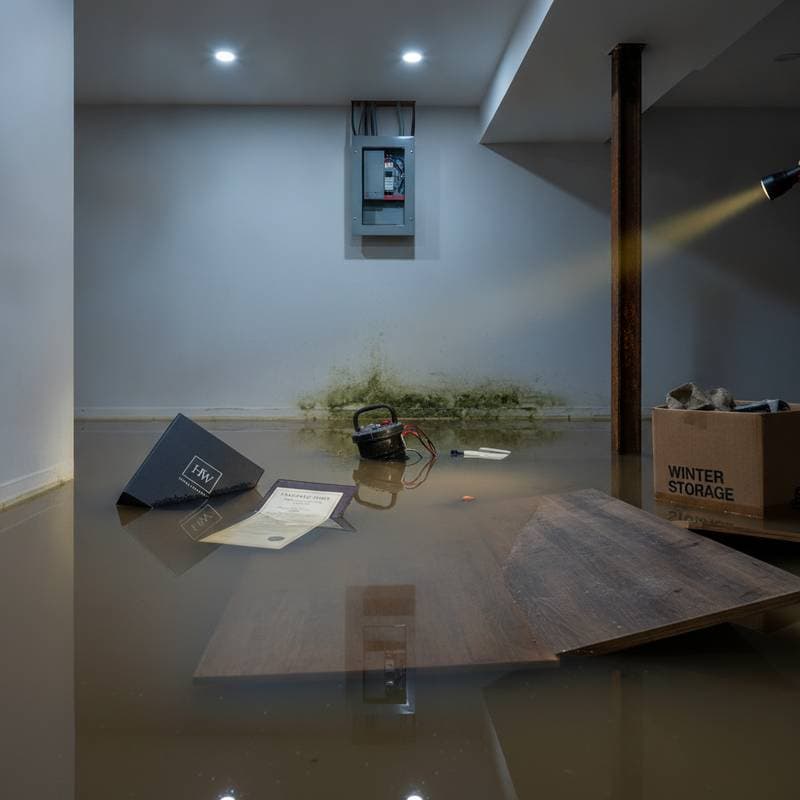
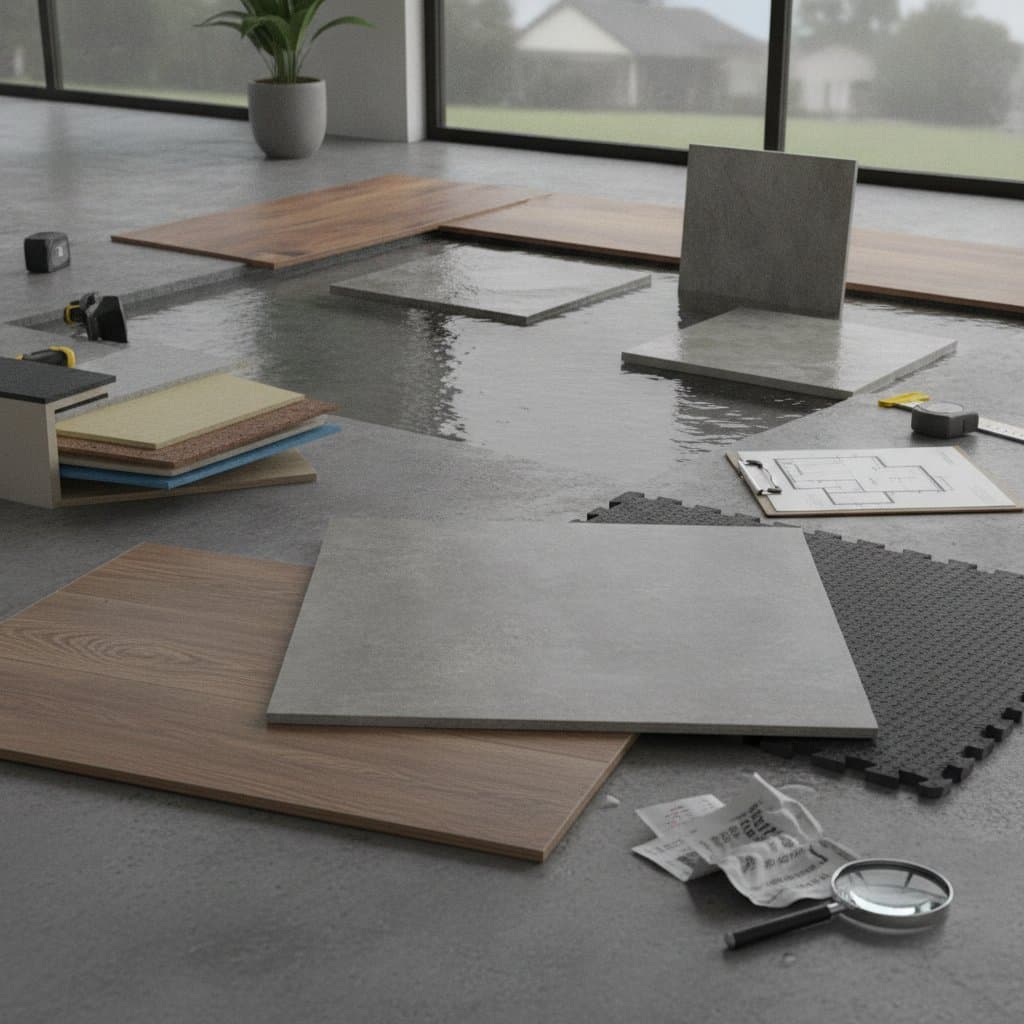
When floodwaters infiltrate a home, the choice of materials plays a crucial role in minimizing long-term damage. Opt for surfaces and components that resist moisture absorption and facilitate rapid drying. For instance, replace standard drywall in vulnerable areas with cement board, which withstands saturation without crumbling. Swap out carpets for porcelain or ceramic tile flooring, and select closed-cell spray foam insulation over traditional fiberglass batts to prevent water retention.
These selections not only endure exposure but also simplify post-flood recovery efforts. Cement board and tile surfaces allow for straightforward cleaning, while spray foam maintains structural integrity even after prolonged wetness. Homeowners should prioritize these upgrades in basements, crawl spaces, and lower-level interiors to create a more resilient foundation.
Advantages:
- Streamlines post-flood cleanup processes
- Significantly curbs the risk of mold and mildew development
Disadvantages:
- Initial investment exceeds that of conventional building materials
Estimated Cost: Materials and installation range from $3 to $10 per square foot, depending on the scope and regional pricing.
Key Factors Influencing Costs
The overall expense of flood-resistant modifications varies based on several site-specific elements. Foundation configurations demand different approaches; waterproofing a basement typically incurs higher costs than treating a concrete slab due to excavation needs. The required elevation level also impacts pricing, as lifting a structure several feet demands additional engineering, materials, and labor.
Soil composition further complicates budgeting. Properties on clay-heavy or perpetually moist ground often require supplementary drainage solutions to manage water flow effectively. Local labor rates for specialized contractors in waterproofing and earthmoving add variability, as do mandatory permits and inspections from municipal authorities.
To navigate these factors, consult local building codes early in the planning phase. A modest set of improvements, such as installing flood vents, applying protective coatings, and safeguarding sump pumps, generally falls between $3,000 and $8,000. Comprehensive projects involving full elevation or major structural overhauls can escalate to $60,000 or beyond, particularly in high-risk zones.
DIY Options Versus Professional Services
Certain flood-proofing tasks suit homeowners with basic skills, allowing for cost savings and hands-on involvement. Sealing minor foundation cracks with hydraulic cement provides an accessible starting point. Installing certified flood vents in crawl space walls and applying weatherstripping to doors and windows rank among straightforward projects that enhance barrier effectiveness.
However, complex interventions demand expert intervention to ensure safety and compliance. Professionals handle the elevation of critical systems like heating, ventilation, air conditioning units, electrical panels, and plumbing lines to prevent submersion. Installation of sump pumps, backflow prevention valves, and extensive yard regrading requires specialized knowledge to avoid unintended consequences.
DIY Suitability: Intermediate-level enthusiasts can manage crack sealing, vent placement, and temporary barrier setups with proper tools.
Professional Recommendation: Engage licensed experts for any work involving electrical systems, load-bearing modifications, or utility rerouting to mitigate hazards.
Safety remains paramount during all efforts. Equip yourself with heavy-duty gloves, protective eyewear, and an N95 respirator when handling sealants or generating concrete dust. Maintain adequate airflow in confined work areas to prevent inhalation risks.
Ongoing Maintenance and System Longevity
Flood-resistant features demand regular attention to sustain their protective capabilities over time. Sump pumps benefit from quarterly testing to verify functionality; plan for full replacements every seven to ten years to address wear from continuous operation.
Protective coatings and sealants warrant biennial inspections for signs of deterioration, such as fissures or flaking, which could compromise their efficacy. Drainage infrastructures, including French drains, require annual flushing to remove sediment buildup ahead of rainy periods.
Flood vents need clearing of debris following any significant water events to ensure unobstructed operation. Portable barriers should remain stored in a clean, dry location, with annual checks on seals and components for integrity. Through diligent maintenance routines, these systems remain primed to defend against unexpected deluges.
Steps to Implement Flood-Resistant Upgrades
Initiate the process with a thorough risk evaluation, obtainable from your insurance carrier or a certified inspector experienced in flood-prone areas. Focus initially on high-impact, low-cost measures: address foundation cracks with sealants, incorporate flood vents where appropriate, and adjust yard grading to direct water away from the structure.
Layer in more robust enhancements as budget allows, prioritizing elements that align with your property's vulnerabilities. These proactive steps not only fortify your home against water intrusion but also lower potential repair expenses and qualify you for reduced insurance premiums. Committed preparation and vigilant upkeep transform vulnerability into enduring strength, allowing your residence to weather storms with minimal interruption.