
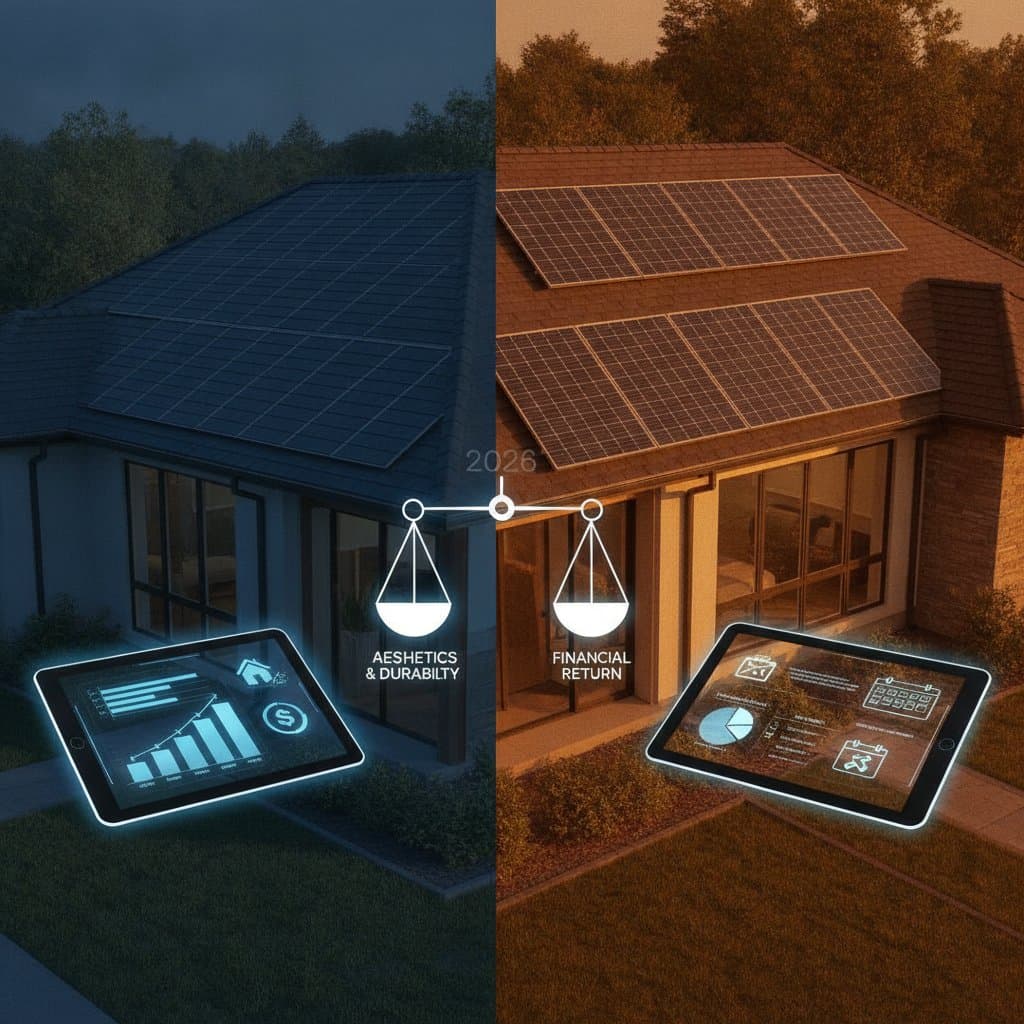
The 2026 solar showdown pits sleek integrated roofs against traditional panels in a battle of cost, maintenance, and long-term value. This analysis breaks down pricing models, warranties, financing options, and homeowner obligations.
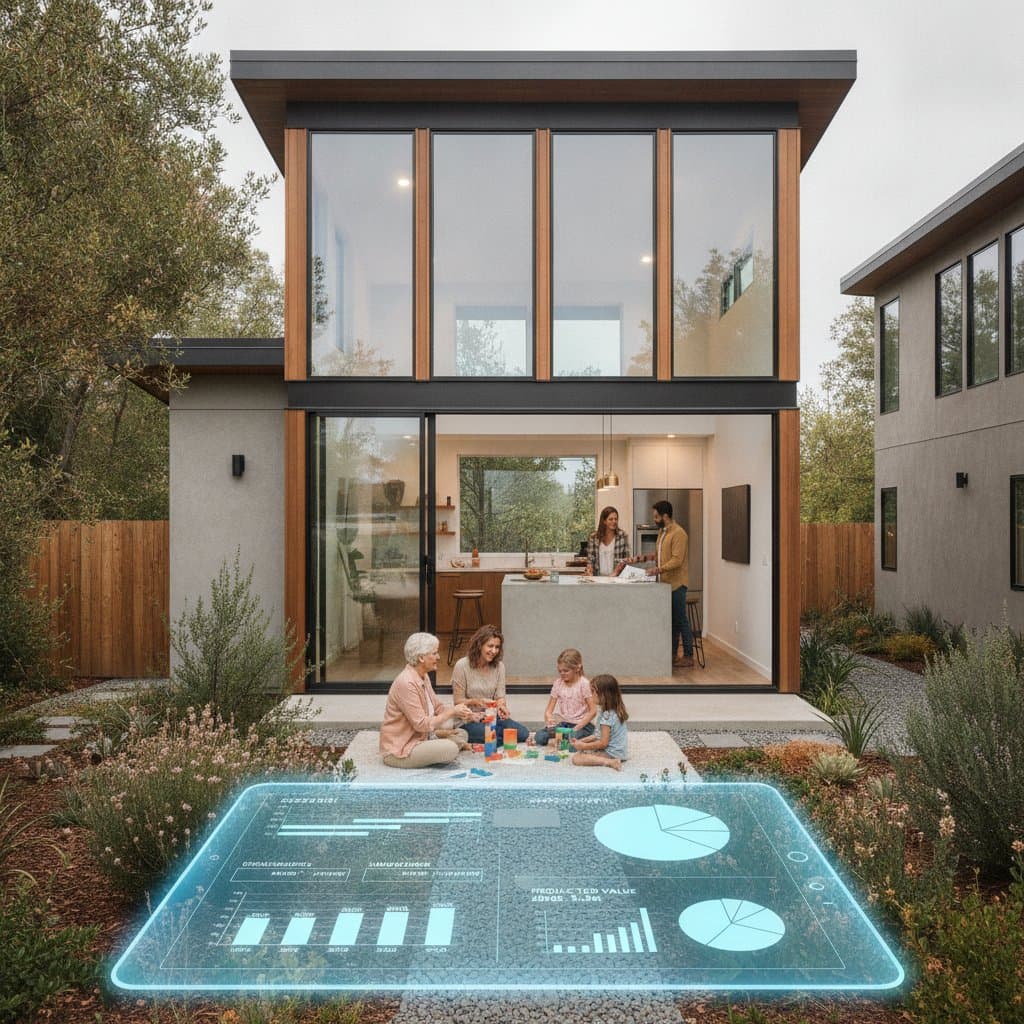
Accessory dwelling units support multi-generational living when costs are examined across construction, permits, financing, and maintenance. This guide supplies concrete figures and contract safeguards for informed decisions.
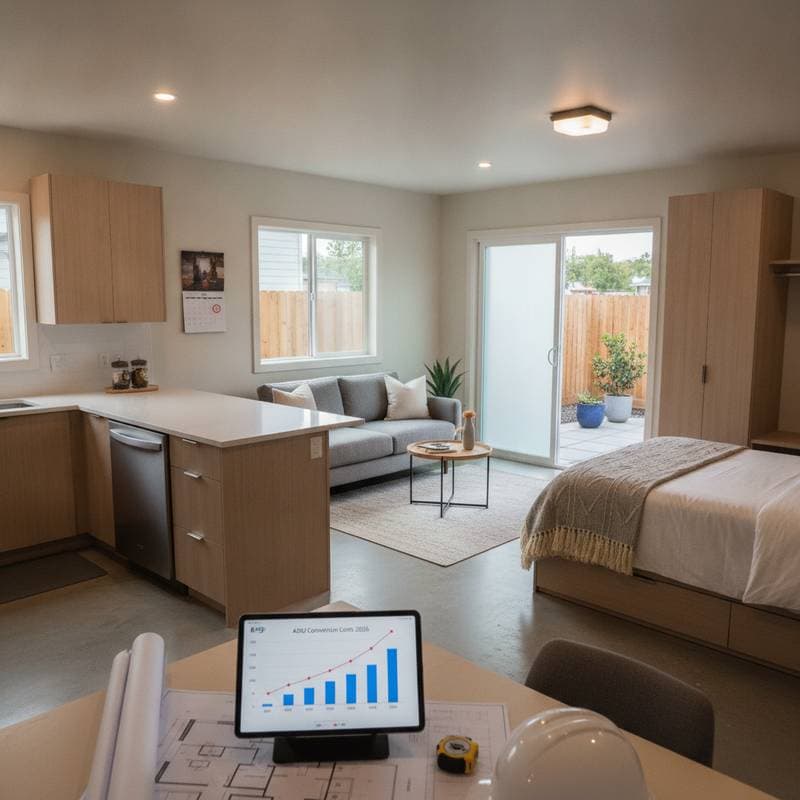
Garage conversions create self contained living units that raise property value and generate rental income. Expect total costs from $80,000 to $180,000, a three to six month timeline, and adherence to local building codes. This guide covers expenses, safety rules, regional factors, and the steps needed for a successful project.
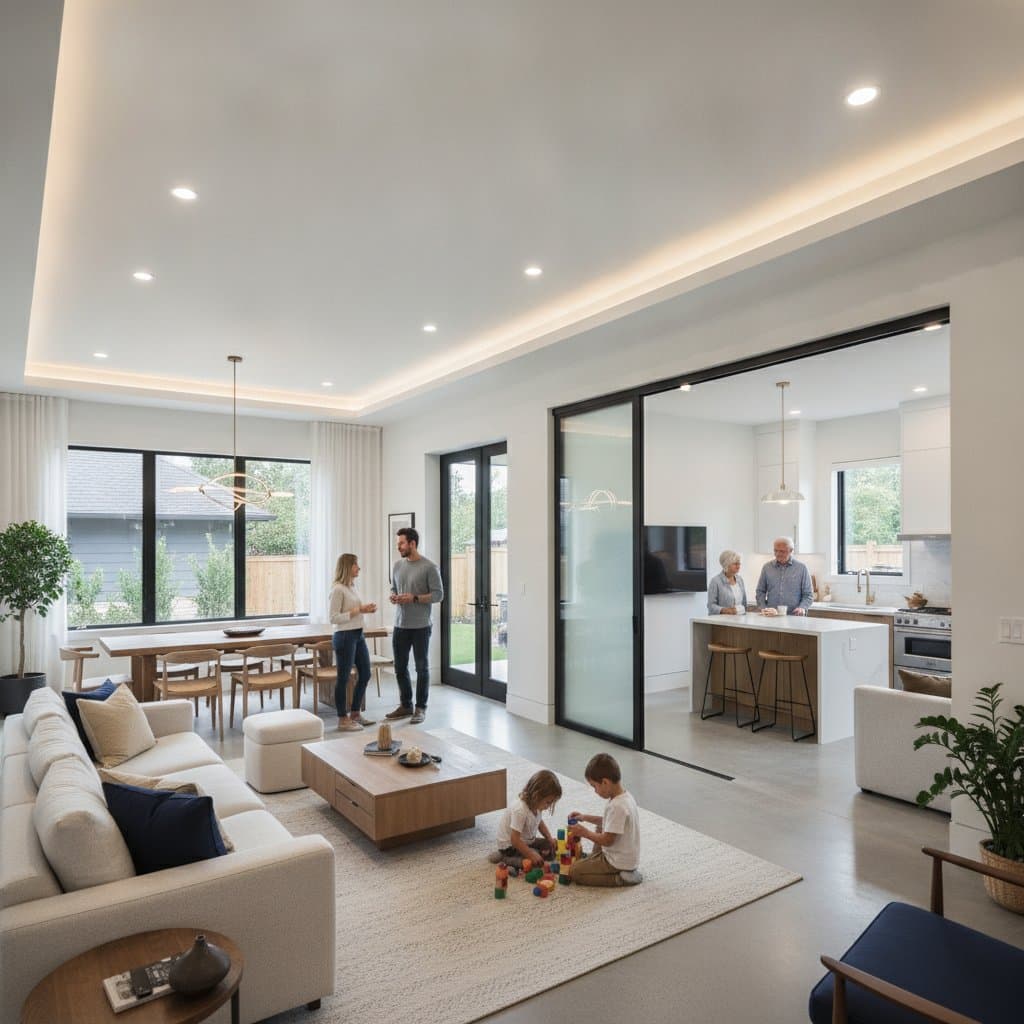
Multigenerational home renovations blend comfort privacy and smart budgeting. Projects range from $90000 remodels to $550000 additions. Success hinges on layout choices professional planning and efficient scheduling.
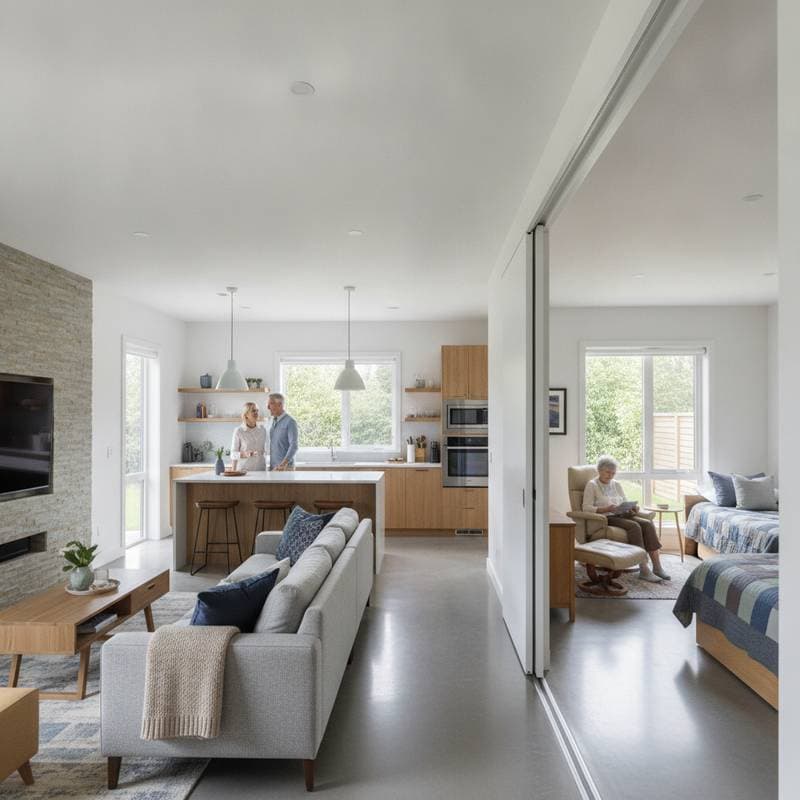
Building a multigenerational home costs $180000 to $480000 and averages $310000 depending on size, materials, and customization. Smart planning and bundled upgrades help control expenses while improving comfort and property value.
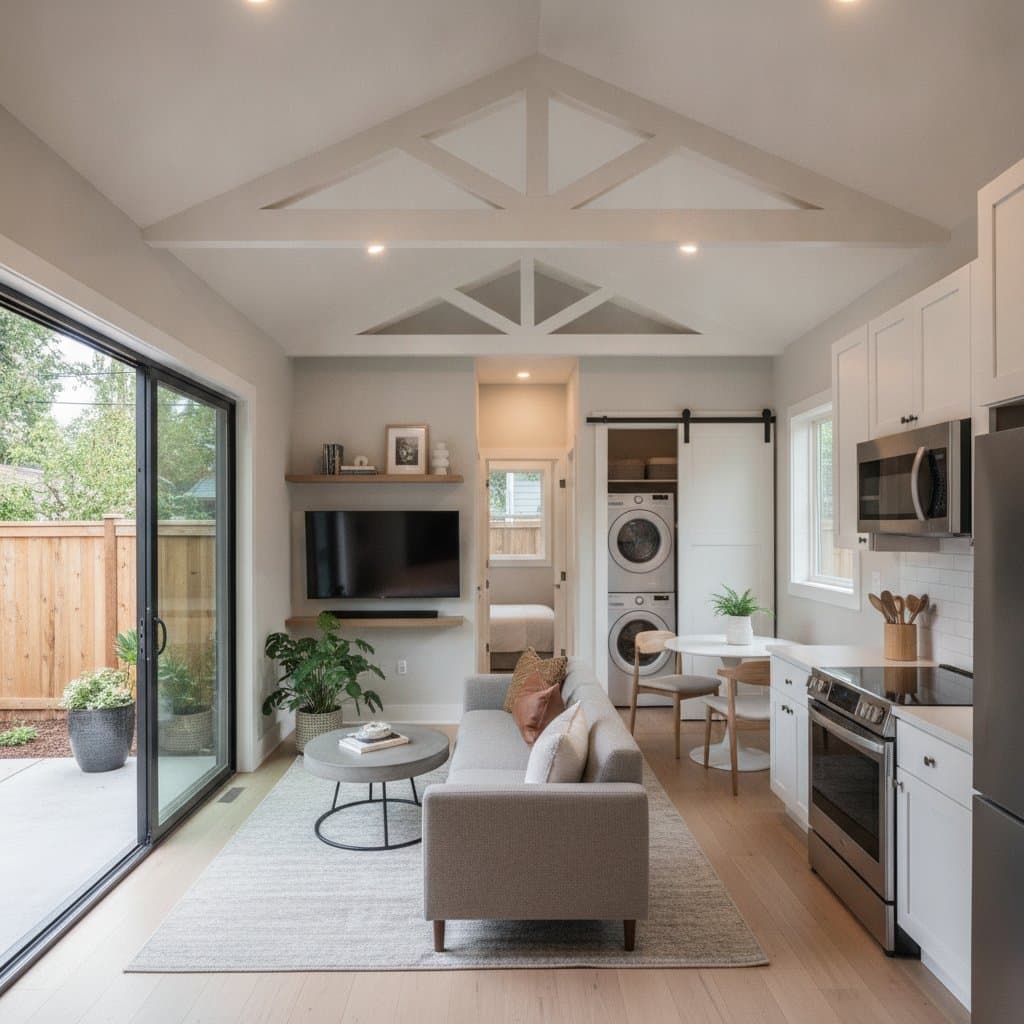
Converting a garage into an ADU in 2026 can cost $90,000 to $200,000, depending on structure, permits, and utilities. It adds income potential and property value but demands careful planning, code compliance, and professional help. Learn cost drivers, DIY limits, and smart strategies to turn unused space into a profitable living unit.
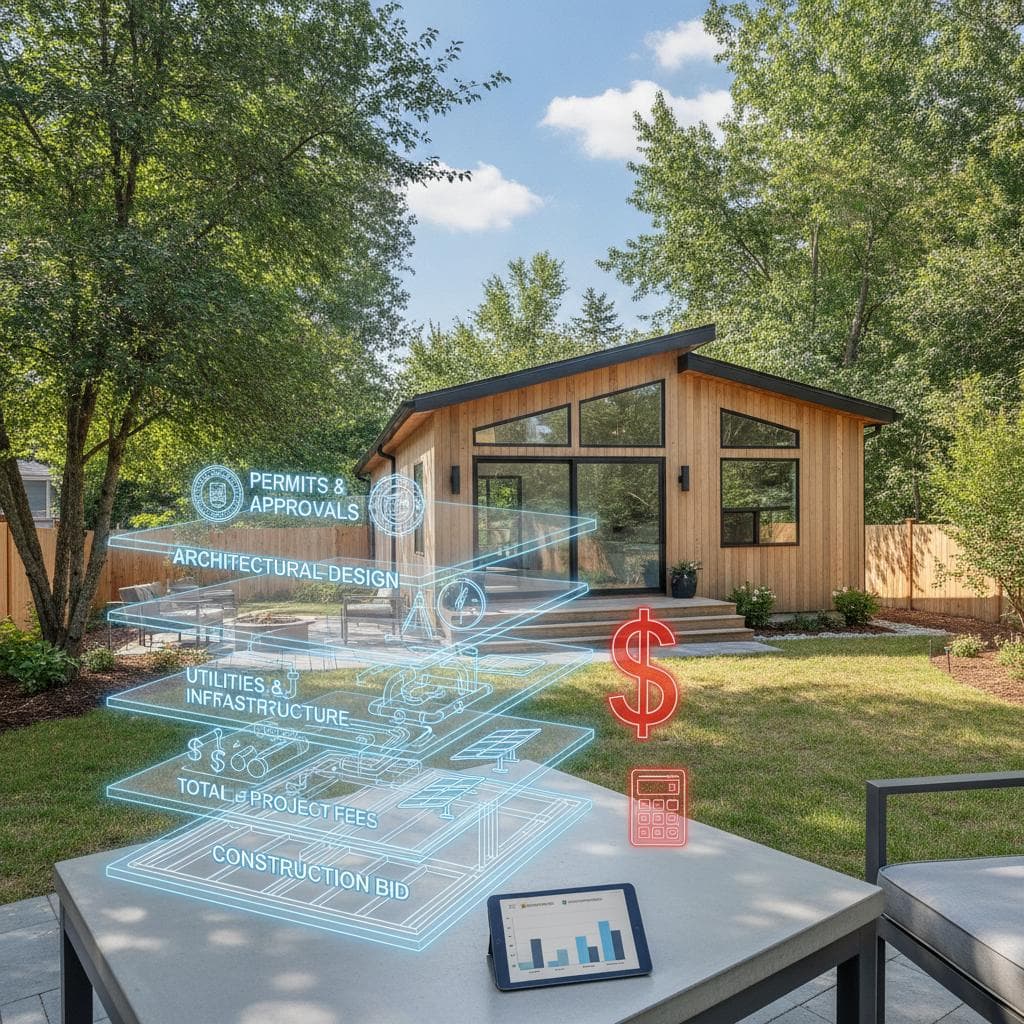
ADU projects involve permits, design, utilities, and construction. Total costs range from 180000 to 350000 dollars. Clear contracts and staged planning keep budgets realistic and protect long-term property value.
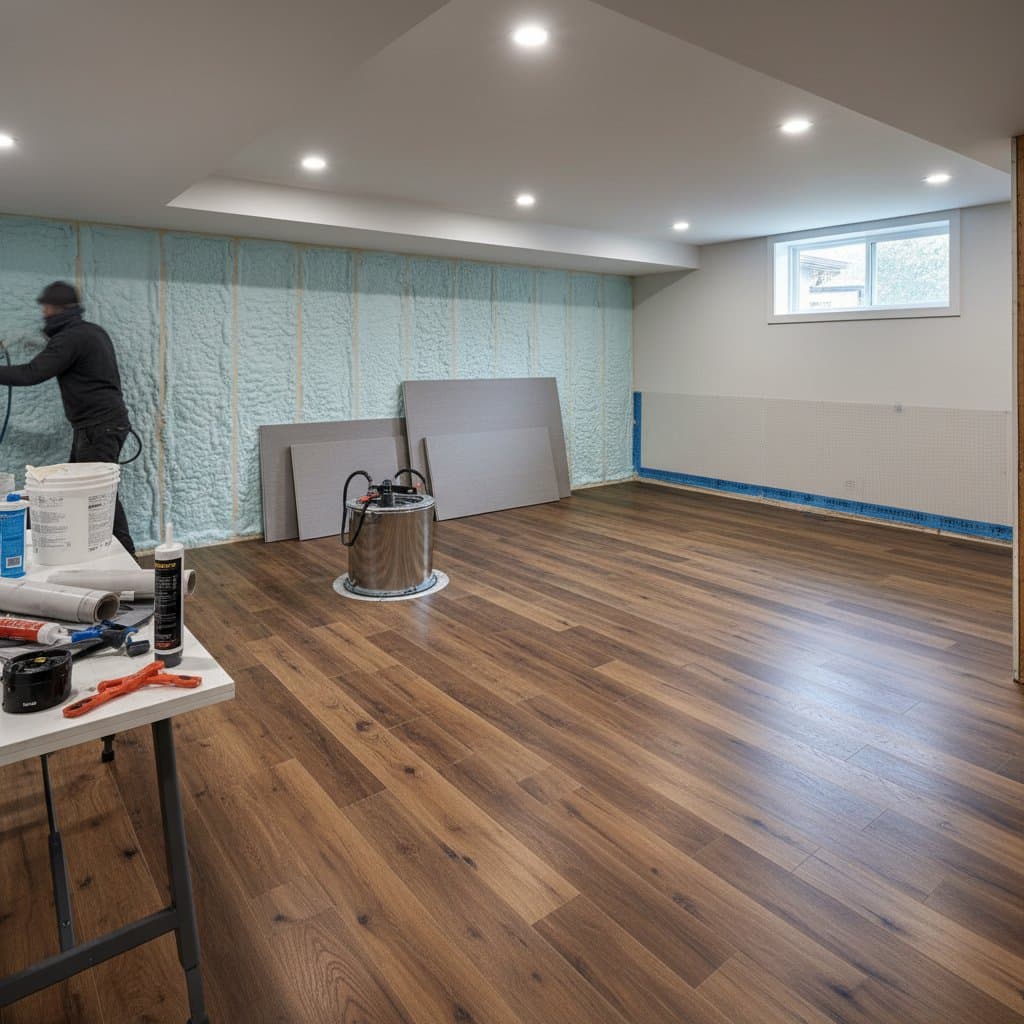
Protect your basement from flood damage with smart material choices. This guide compares flood-proof options from cement board to vinyl panels costing $6 to $35 per square foot. Learn how installation, drainage, and climate affect project costs, timelines, and maintenance.
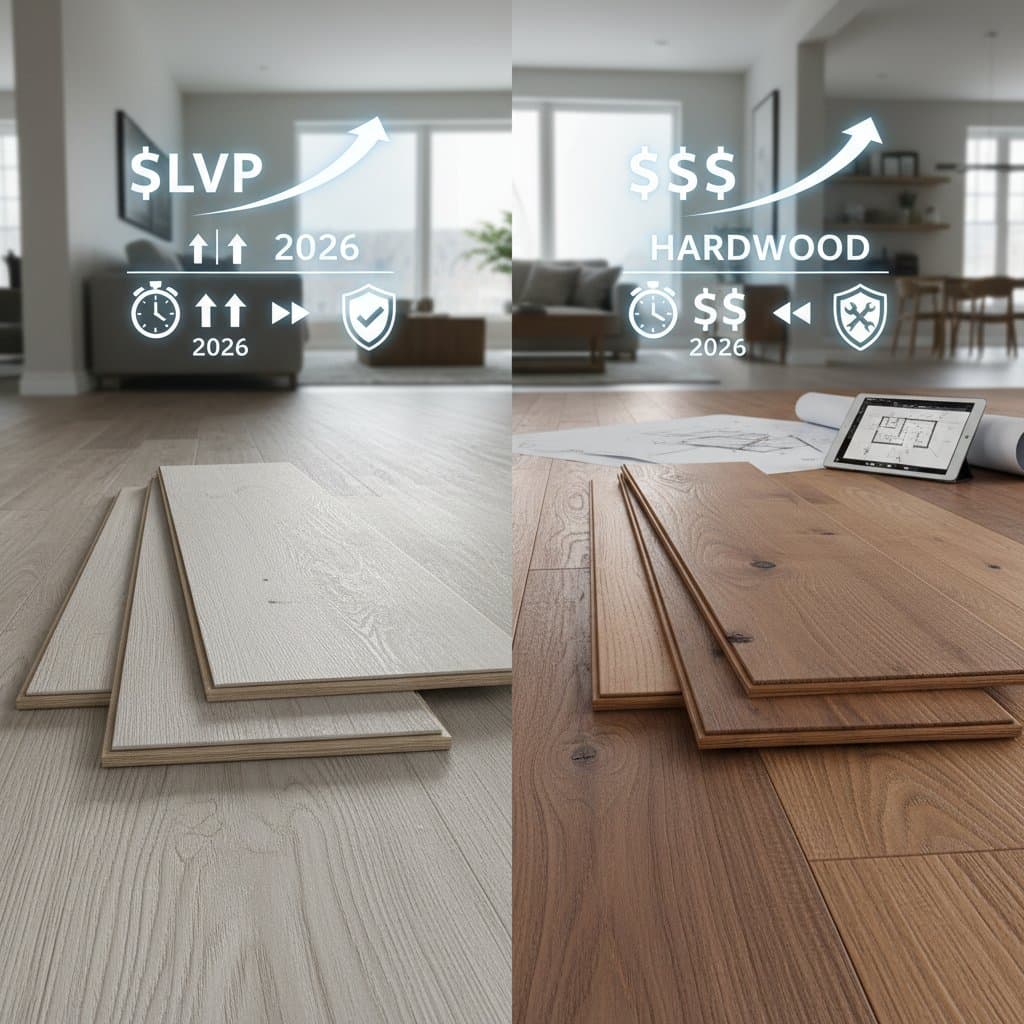
Choosing between luxury vinyl plank and hardwood in 2026 depends on cost, durability, and upkeep demands. This guide details price ranges, installation speed, and expected lifespan so you can select the best flooring for your space.
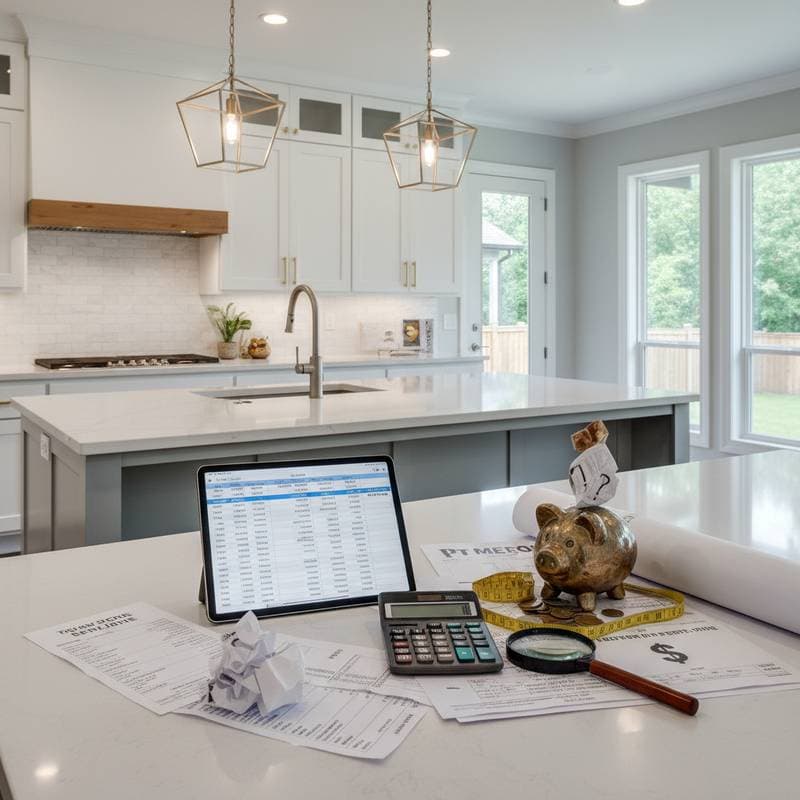
Kitchen renovations in 2026 can cost far more than expected, with hidden fees adding 10–25% to budgets. From contractor markups to permit surprises, understanding true expenses helps homeowners plan wisely. Explore cost tiers, ROI potential, and smart strategies to minimize unexpected charges while maximizing value and long-term investment returns.
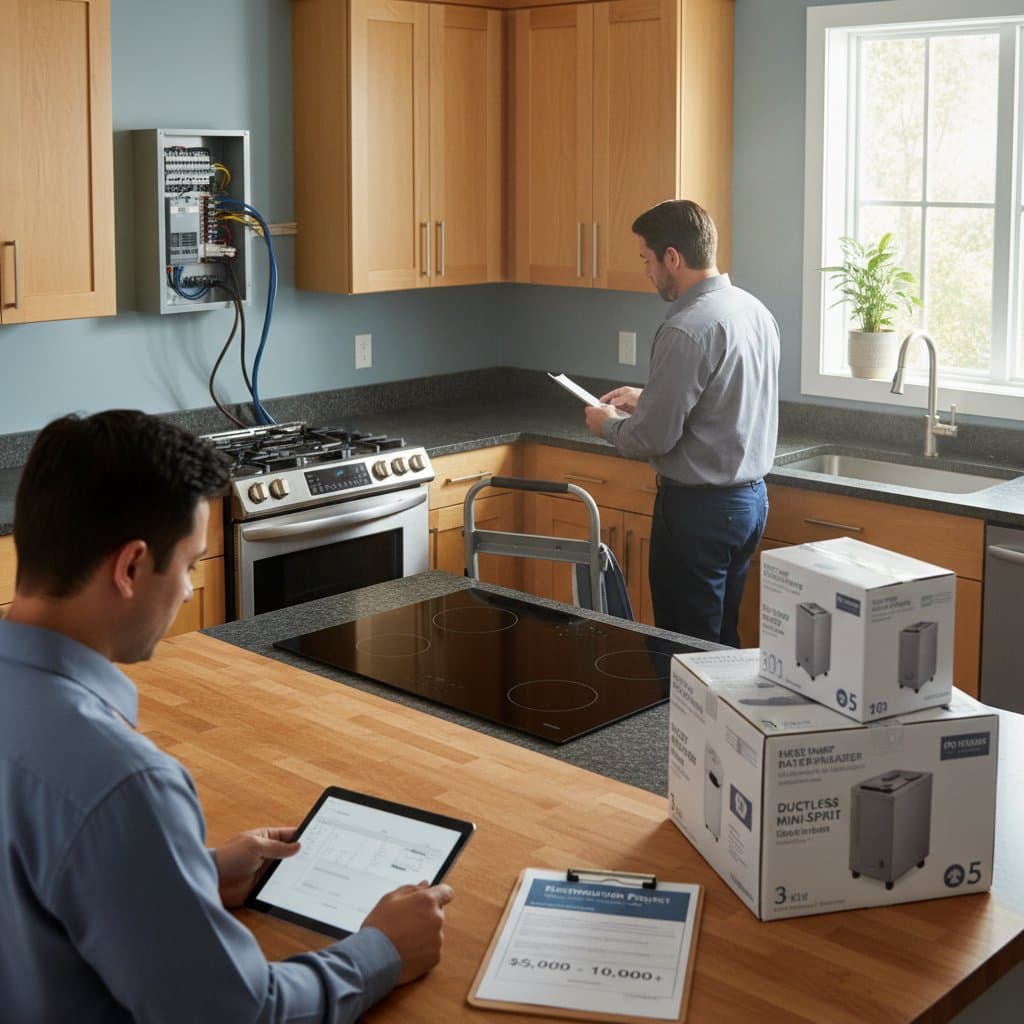
Converting gas appliances to electric by 2026 requires infrastructure updates, safety checks, and efficiency improvements. Costs typically range from $6,000 to $15,000. Careful planning, professional assessments, and available rebates help homeowners control expenses and secure long-term energy savings.
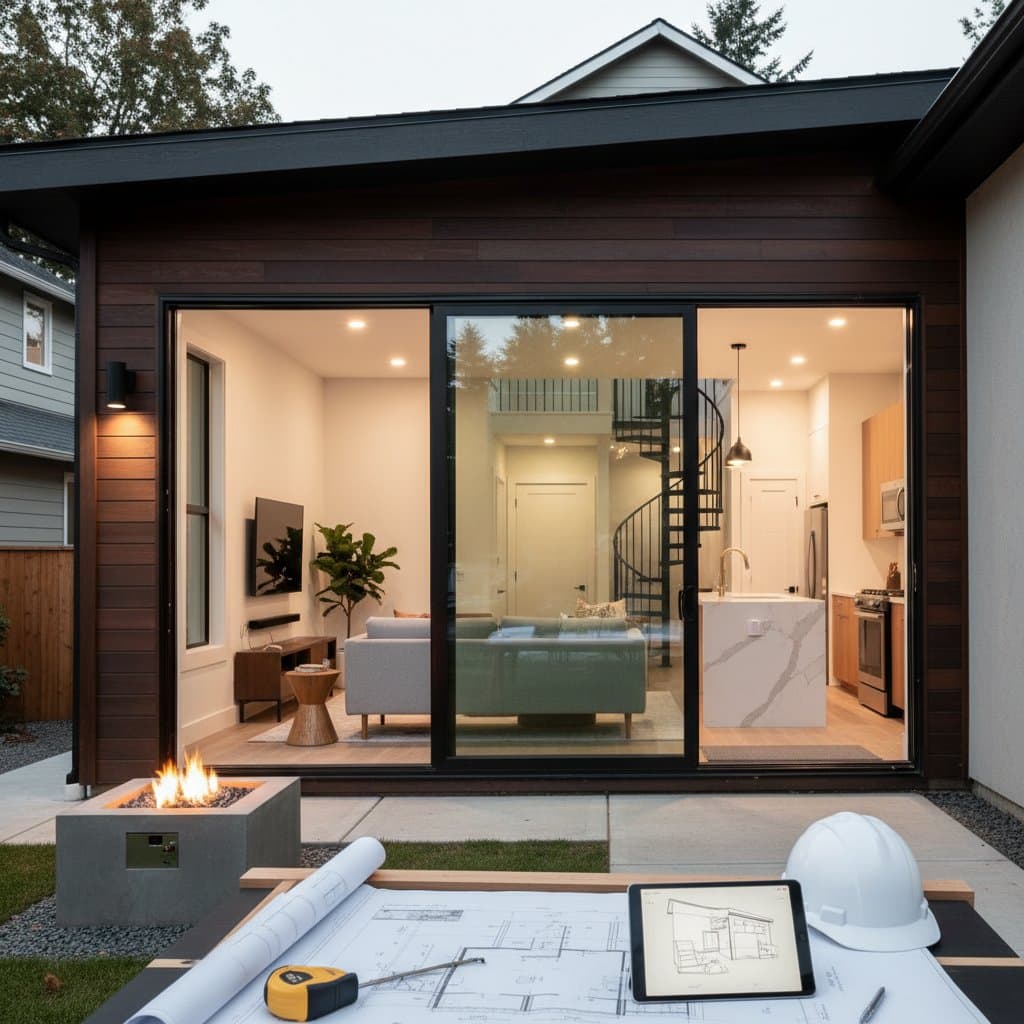
Converting a garage into an ADU typically ranges from $75,000 to $145,000 and requires three to six months. This resource covers design considerations, permit processes, cost influences, compares DIY options with professional work, and provides strategies to maximize value while ensuring compliance.
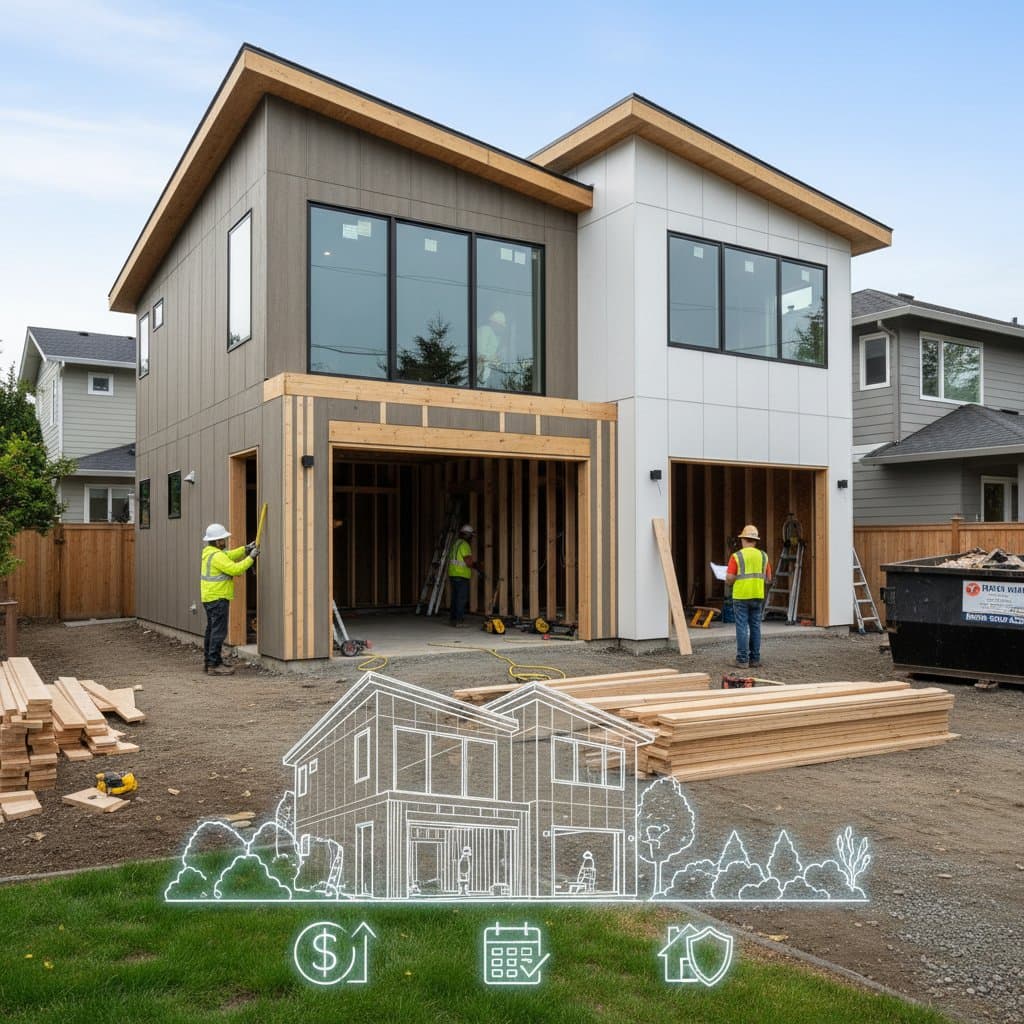
Converting a garage to an ADU in 2026 involves comprehensive residential construction, with costs ranging from $150 to $350 per square foot. Factor in permits, site challenges, and code requirements for a timeline of 3 to 6 months. Discover how strategic planning turns this project into a smart investment for added space or income.
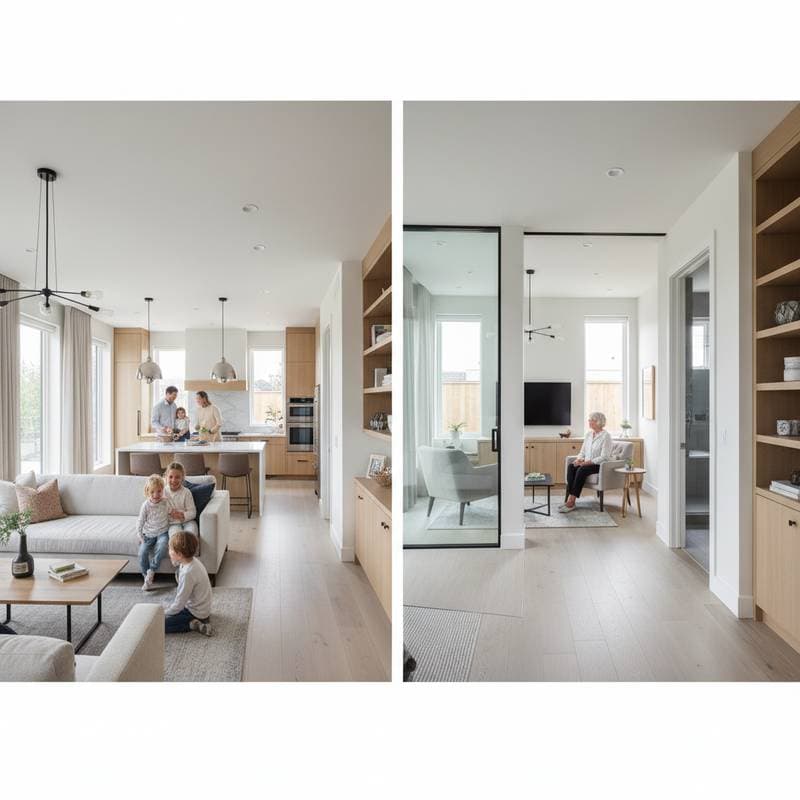
Multigenerational renovations merge practicality with comfort, ensuring code compliance in spaces like in-law suites or ADUs. This comprehensive guide details expenses, timelines, and essential safety measures to help families craft independent yet interconnected living environments that boost home value.
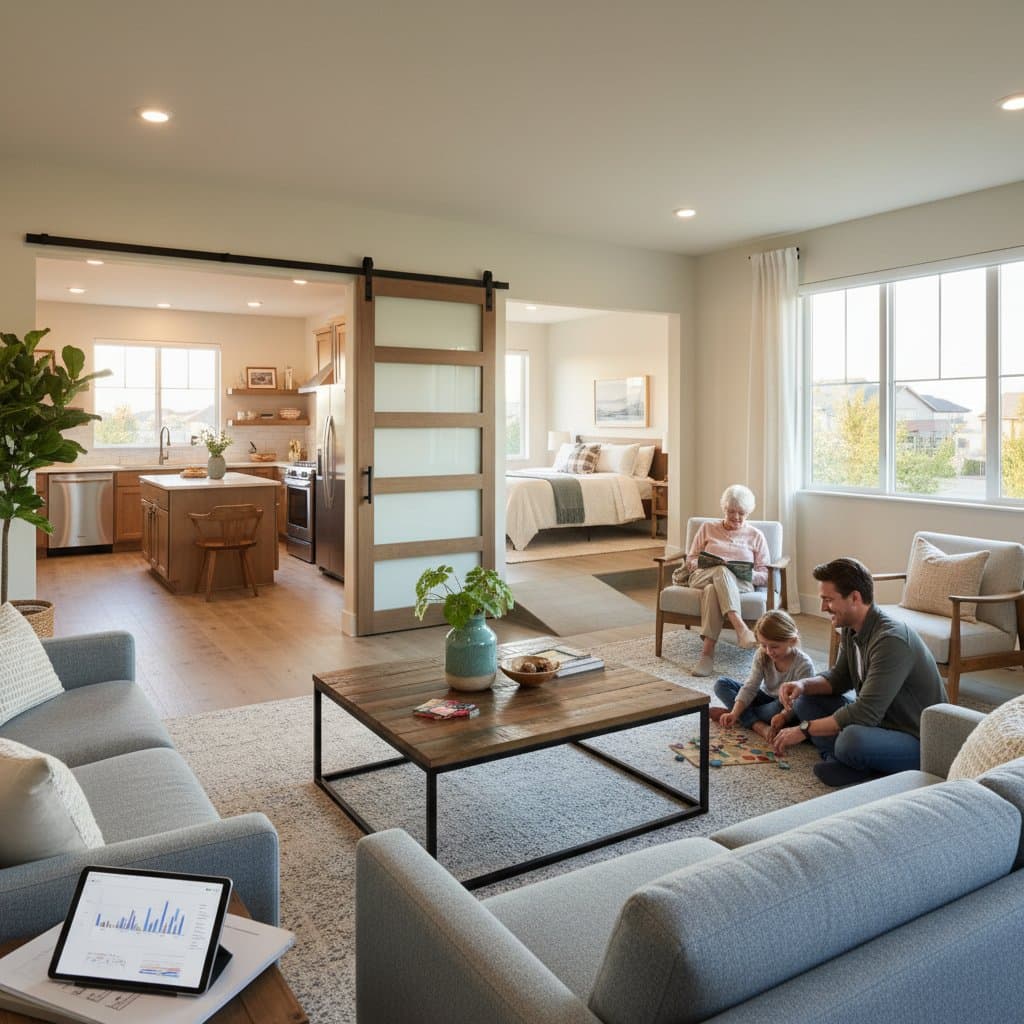
Plan a multigenerational home conversion with costs between $140,000 and $340,000, timelines of three to eight months, and focused decisions on layout, accessibility, and permits. Balance privacy and shared living to create an adaptable space that supports family needs and boosts home value.
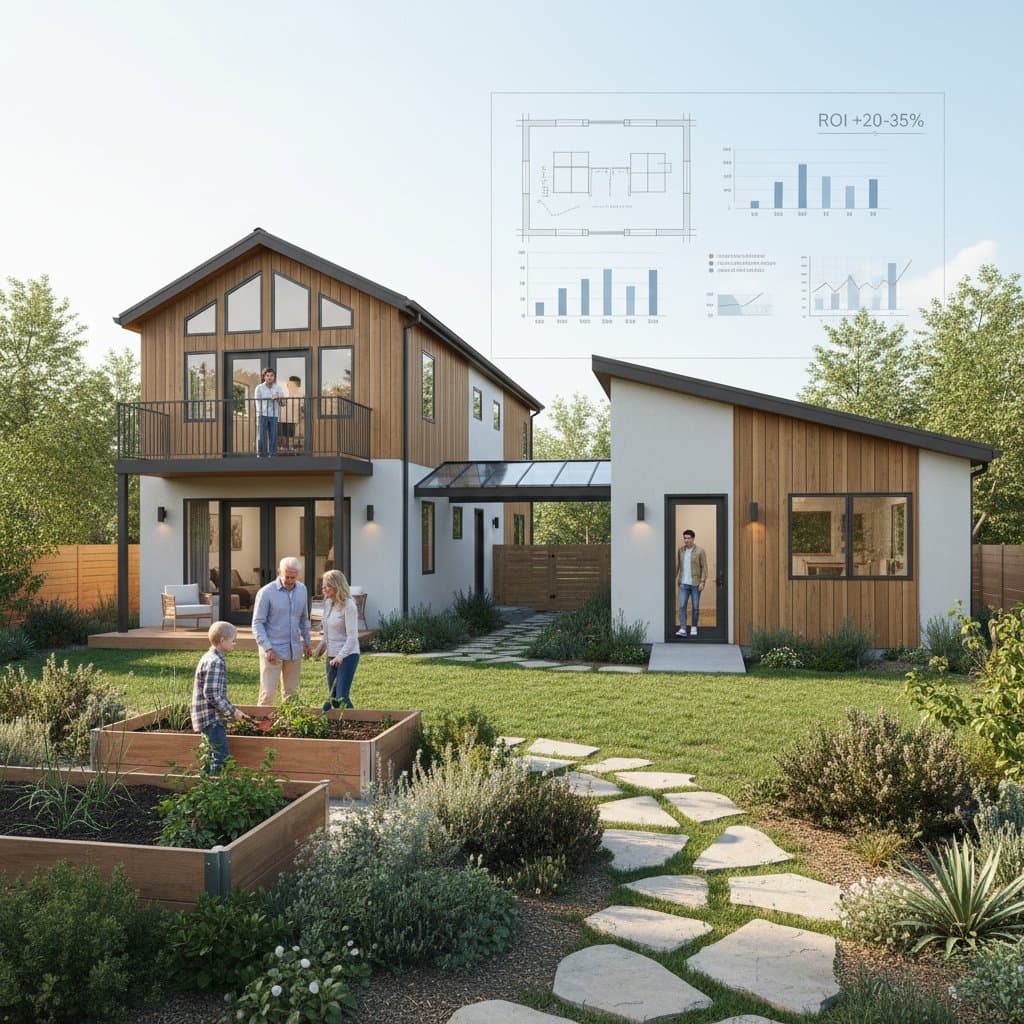
Elevate your property's worth with multigenerational conversions like ADUs and interior suites. This comprehensive guide covers planning, design, safety standards, budgeting essentials, and ROI tactics to deliver strong returns while supporting family needs.
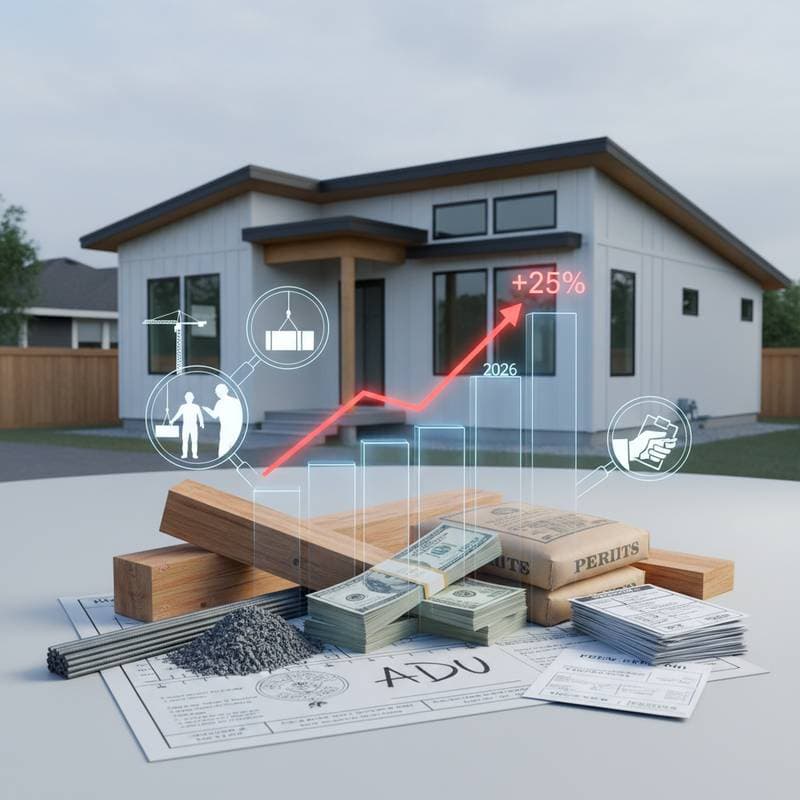
Projections indicate a 25% increase in ADU construction costs by 2026, fueled by escalating labor rates, material prices, and permitting fees. Factors such as design complexity and site-specific challenges contribute significantly. This guide provides insights on effective budgeting, optimal timing, and strategic decisions to manage expenses while ensuring quality and regulatory adherence.
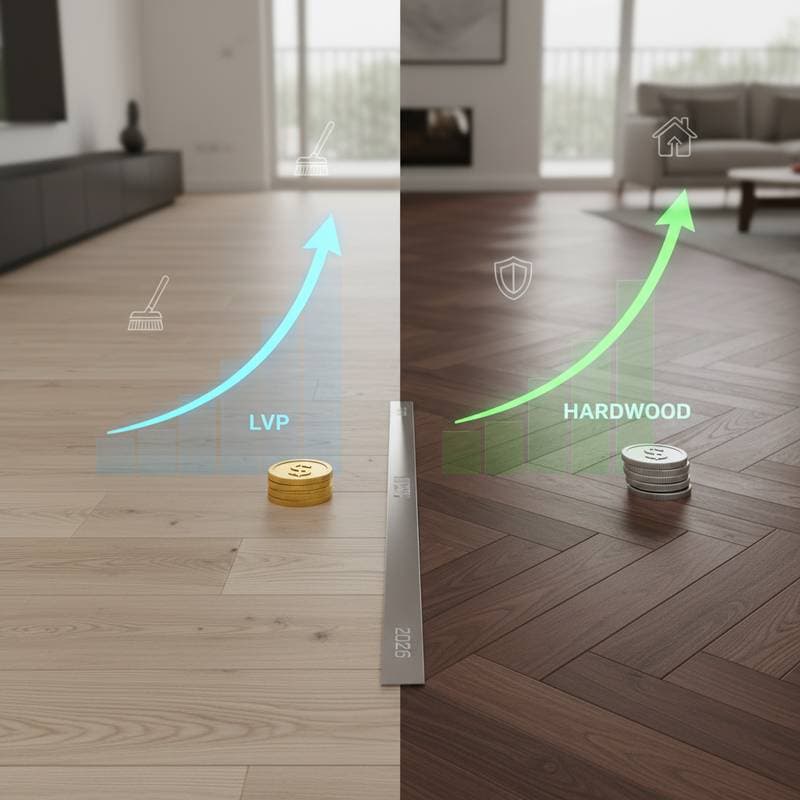
Luxury vinyl plank and hardwood flooring enter a detailed cost comparison through 2026, extending far beyond initial prices. This examination covers installation, maintenance, durability, and resale value, enabling homeowners to determine which option provides superior long-term savings, aesthetics, and functionality. Identify the flooring solution that matches your budget, daily routines, and real estate objectives.
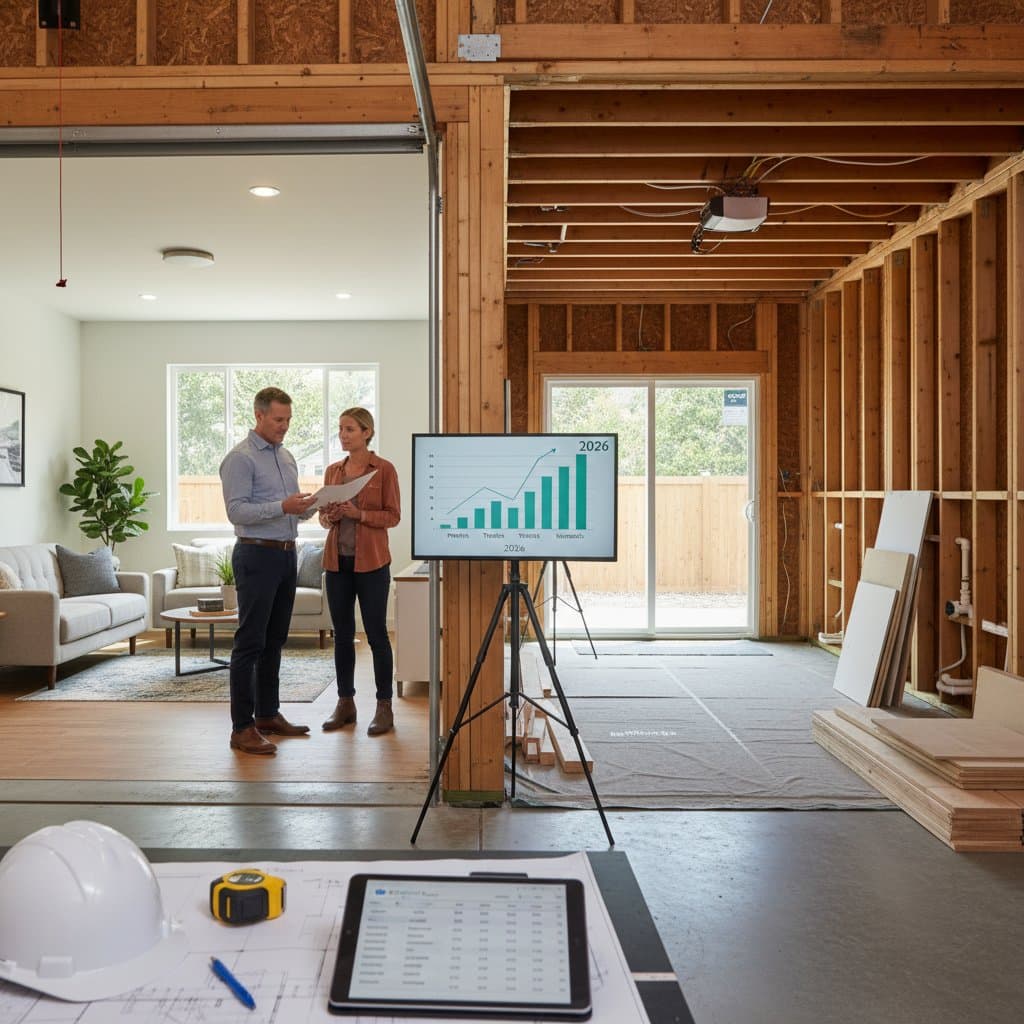
Convert your garage into a valuable ADU for added space and income. This 2026 guide details costs, permits, construction steps, and strategies to avoid pitfalls while ensuring compliance and comfort.
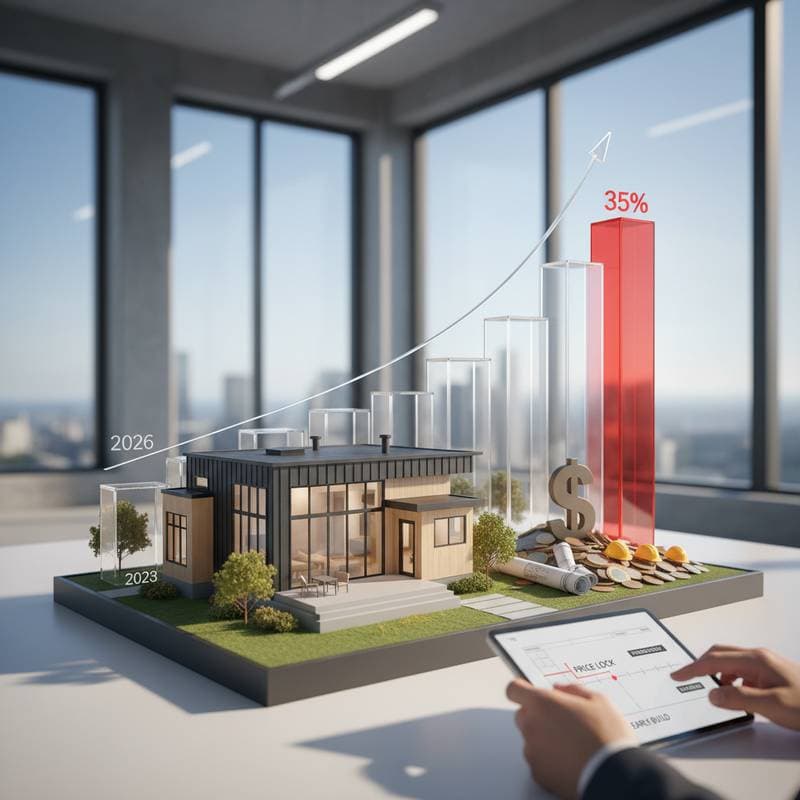
With ADU costs expected to climb 35% by 2026 due to material hikes, labor issues, and code changes, strategic planning is essential. This guide covers key influences, cost-control methods, and decisions like DIY versus pro builds to help you proceed efficiently.