Modular Home Costs Set to Fall 25 Percent by 2026
The modular housing sector anticipates a 25 percent price reduction by 2026. This change stems from automation gains, steadier material supplies, and updated financing options. Buyers can achieve real savings only by reviewing contracts, site factors, and warranty details carefully.
Modular Construction Basics
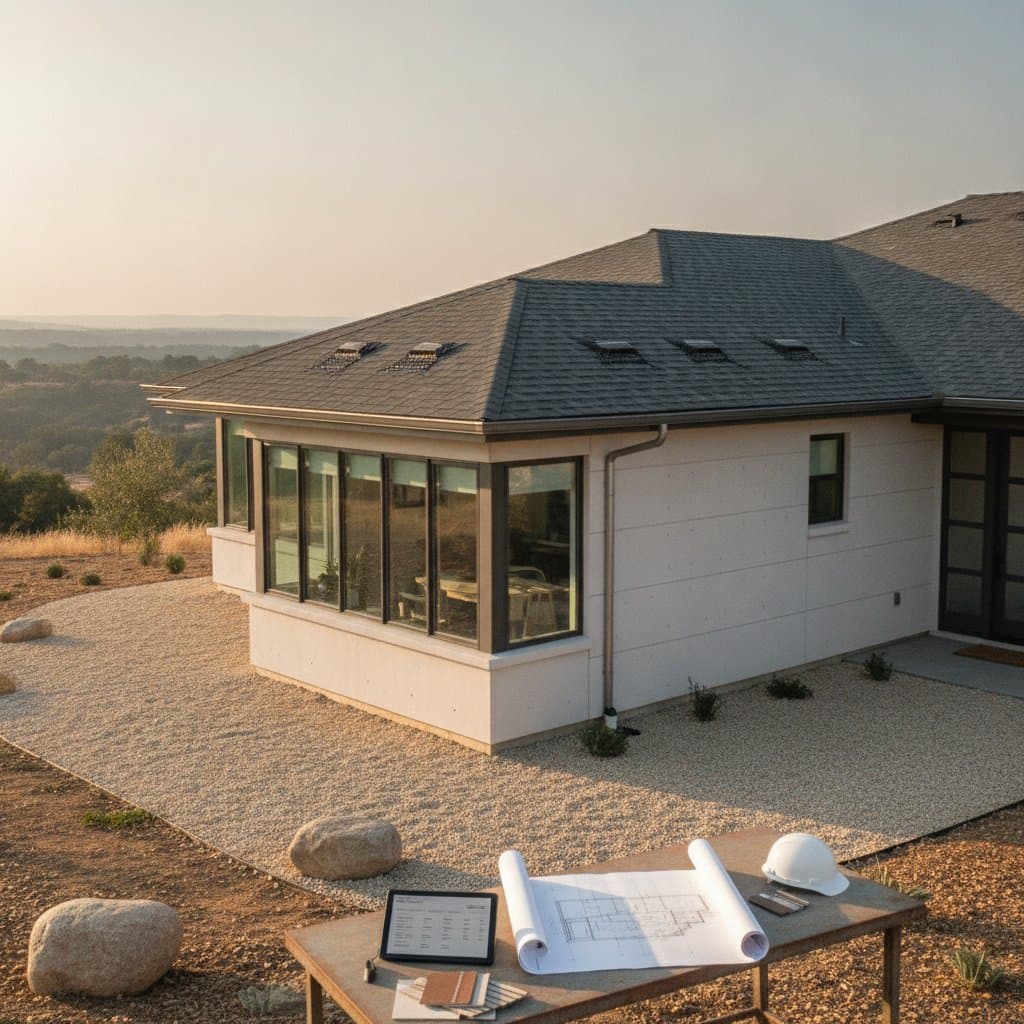
A modular home is produced in factory sections before transport and on-site assembly. This method cuts labor hours and avoids weather delays. Units comply with the same local building codes as site-built homes, which ensures equivalent durability.
Service packages typically cover design review, foundation work, module delivery, and final connections for plumbing and electrical systems. Some providers split manufacturing and installation into separate contracts to clarify responsibilities.
Breakdown of Typical Costs
Modular pricing includes five main elements. Base factory production ranges from 120 to 160 dollars per square foot today. Transportation, site grading, utility ties, interior upgrades, and permits add further charges.
A 25 percent drop would shift the base range to 90 to 120 dollars per square foot. Actual totals still vary with lot access, soil conditions, and chosen finishes. Itemized bids help separate fixed costs from variable fees.
Project Steps from Order to Completion
Homeowners begin by selecting a builder and confirming financing. Engineers then assess the lot and zoning rules. Once contracts and permits are approved, factory production starts under controlled conditions.
Completed modules arrive by truck and are joined on the prepared foundation. Crews finish roofing, siding, and interior links before final code inspection. Payment releases should occur only after each verified stage.
Contract Terms That Affect Price
Agreements often exclude pre-existing site problems such as poor drainage or limited road access. Change orders after production begins trigger extra fees. Deliveries past set mileage limits incur surcharges, and some policies limit claims for transport damage.
Third-party work by unauthorized crews can void warranties. Reading every exclusion prevents later surprise expenses that erase the advertised savings.
Ownership Costs Beyond Purchase Price
Financing rates depend on whether lenders classify the home as real estate or a manufactured asset. Insurance may cost less when factory certification meets code standards. Maintenance stays low when installation follows drainage and foundation guidelines.
Resale prices have improved in regions where modular homes are common. Total ownership calculations over five to ten years show whether the lower entry price delivers lasting value.
Provider Comparison Points
Basic packages start near 110000 dollars with limited finish choices. Standard options reach 150000 to 200000 dollars and allow more design input. Premium selections exceed 200000 dollars and include extended warranties plus luxury materials.
Warranty length and claim procedures differ widely. Lower base prices paired with short coverage periods raise long-term risk. Written confirmation of every specification protects against material substitutions.
Drivers Behind the Price Drop
Robotic cutting and assembly lines reduce labor needs. Standardized designs and bulk material buys cut waste. Supply chain improvements have lowered lumber and steel prices. Factory energy controls and new housing incentives further trim expenses passed to buyers.
Steps to Limit Risk
Confirm state licensing and code compliance before signing. Hire an independent inspector to review modules during factory build. Check company financial reserves and require proof of transport and liability insurance. These checks guard against quality shortcuts that could offset price reductions.
Common Hidden Expenses
Utility connections, extra grading on sloped lots, and permit delays often fall outside base quotes. Nonstandard layouts or remote delivery sites add charges. Detailed written estimates reveal where savings hold and where costs reappear.
Decision Checklist
List priorities such as energy performance or customization limits. Collect line-item bids from three providers. Compare material grades, insulation values, and warranty coverage. Model five-year maintenance and insurance costs. Verify production timelines fit personal schedules.
Final Contract Review
Examine clauses on change orders, delay penalties, and dispute resolution. Retain copies of all approved drawings and specifications. Clear terms on material substitutions prevent later disagreements.
Securing Long-Term Value
Factory precision and shorter build times support stable housing expenses. The projected price reduction widens access when buyers focus on contract details and site realities. Thorough evaluation converts lower sticker prices into reliable ownership benefits.