
Articles tagged with housing
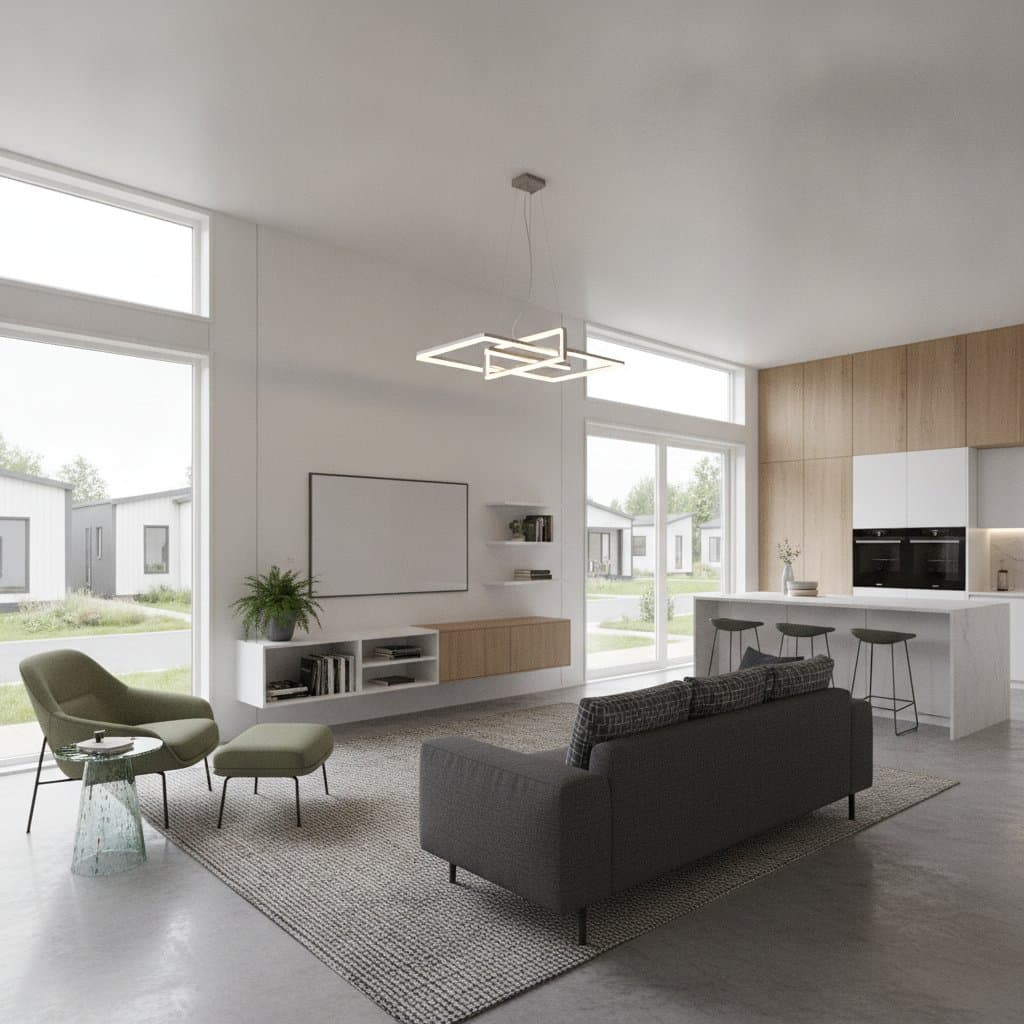
Modular home prices may drop 25 percent by 2026 due to automation and supply improvements. Buyers must examine contracts, site conditions, and warranties to capture lasting value.

Discover how much a 2026 granny pod really costs, what permits you’ll need, and the steps to build one safely. From zoning rules and utility tie-ins to cost-saving tips and maintenance essentials, this guide explains everything required to create a comfortable, code-compliant backyard home for aging loved ones.
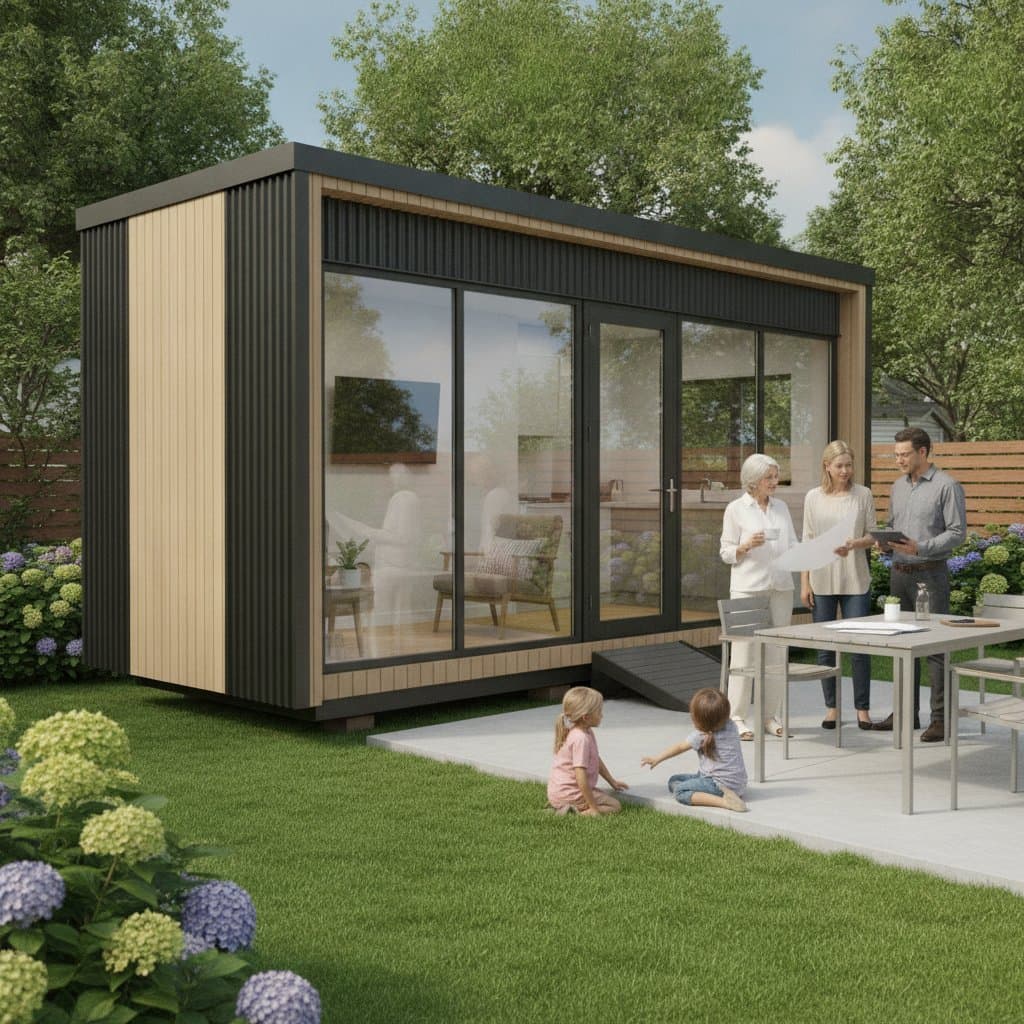
Granny pods offer independent living close to family, but costs range from $55,000 to $195,000 depending on design and site conditions. Zoning rules dictate size, placement, and utilities, making early planning essential. Learn how to navigate permits, choose designs, and avoid costly mistakes before committing to your backyard dwelling.
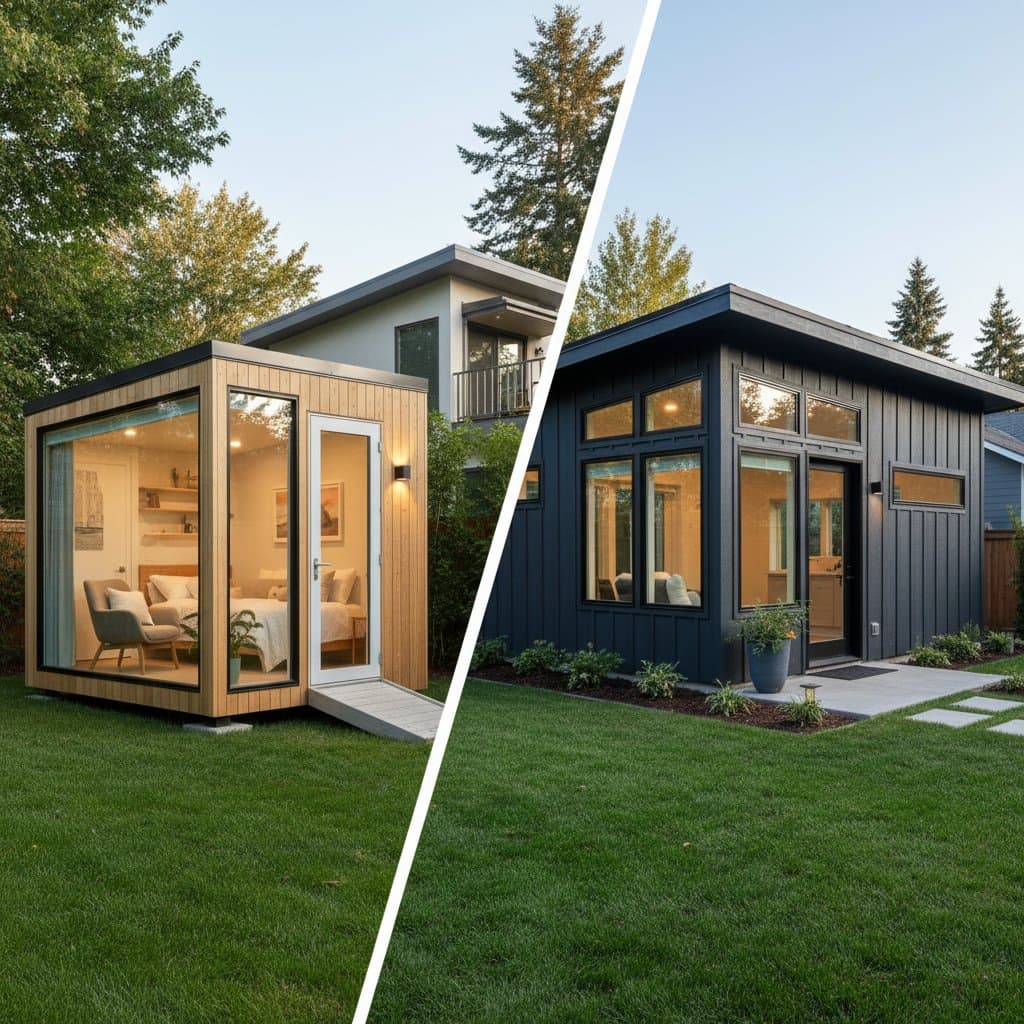
Granny pods deliver lower costs and faster installation while backyard ADUs provide greater space and lasting resale value. Families must balance immediate needs against future property goals when choosing between these independent living options.
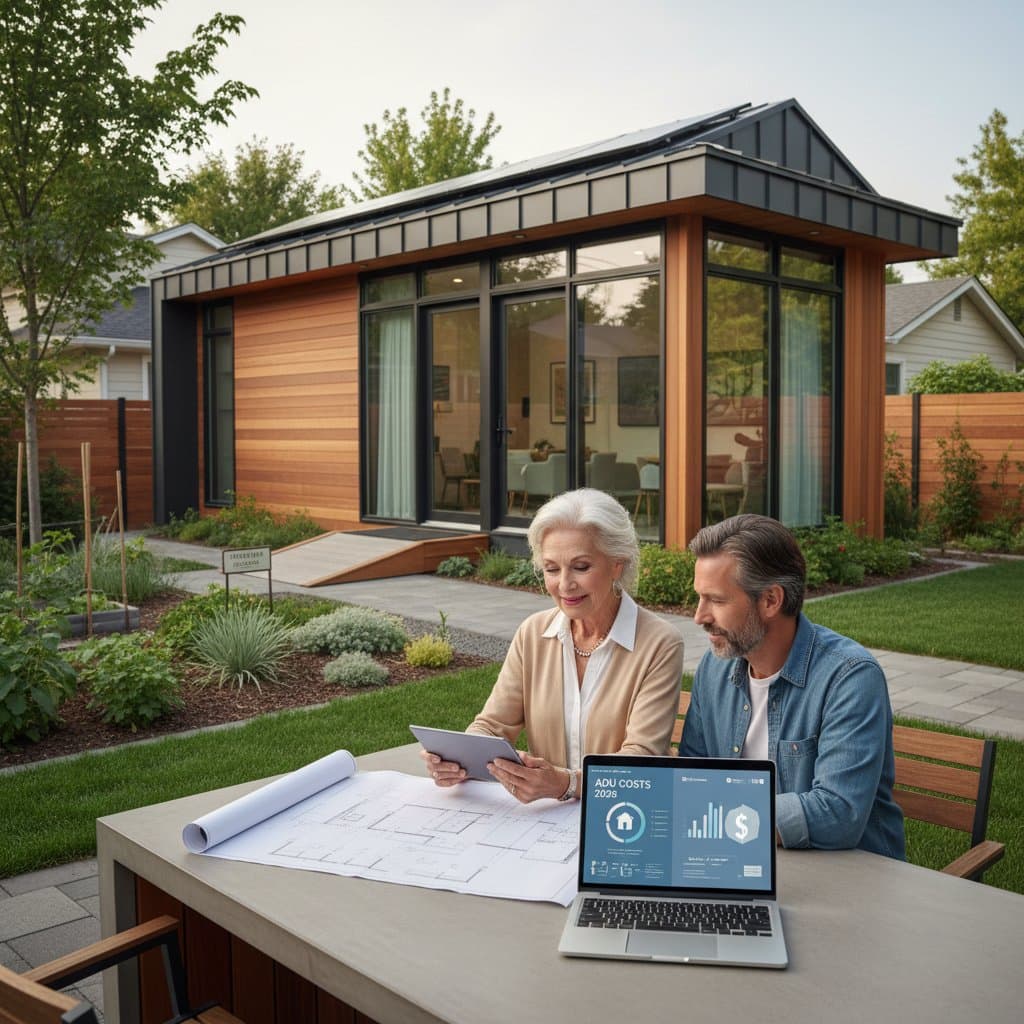
Granny pods offer independence and closeness for aging relatives, yet true costs extend beyond base prices. From eighty thousand dollar builds to zoning requirements, permits, and ongoing taxes, every detail matters. This guide examines 2026 pricing, financing, and legal essentials to help families plan safe and compliant backyard solutions.
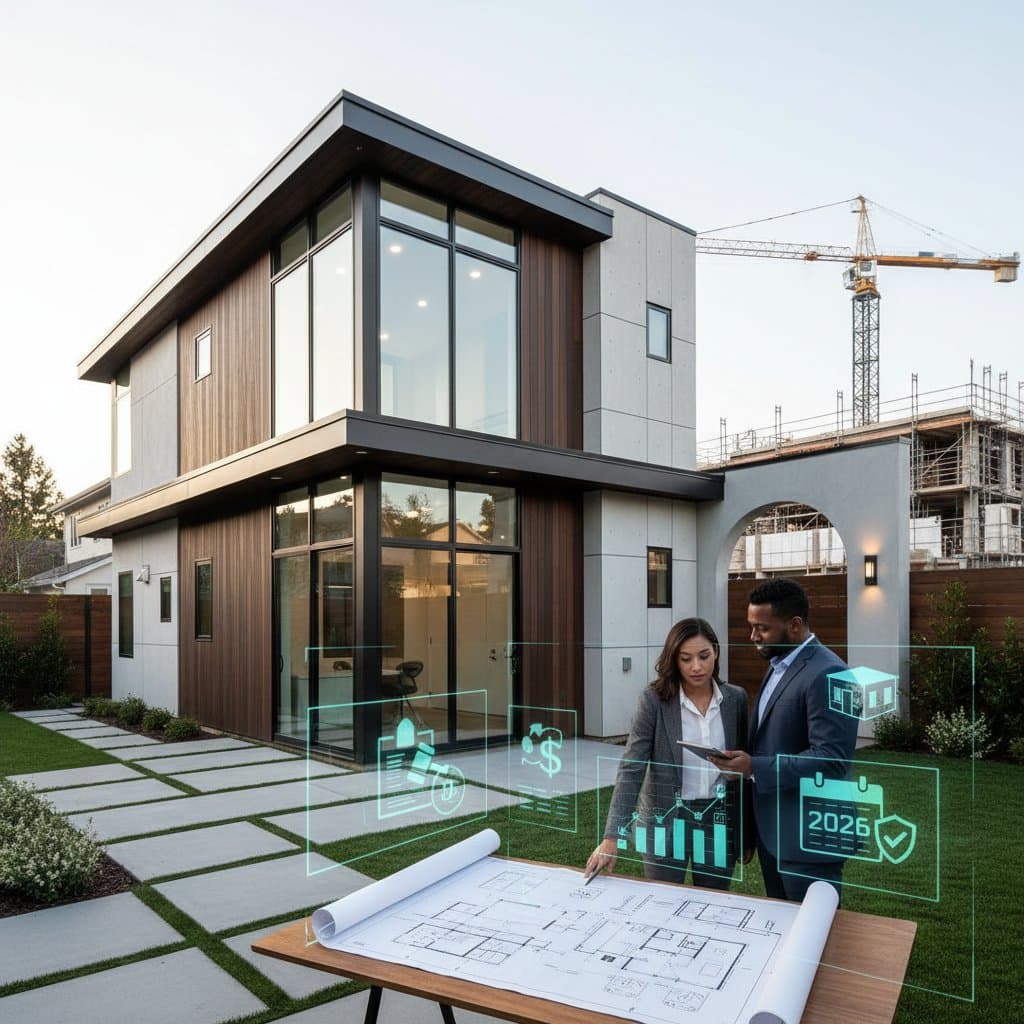
Constructing a granny flat in 2026 extends beyond basic materials and workforce; it requires careful management of permits, zoning regulations, and standards. This resource details actual expenses, schedules, and frequent challenges, empowering homeowners to strategize effectively, prevent setbacks, and optimize returns on their accessory dwelling unit.
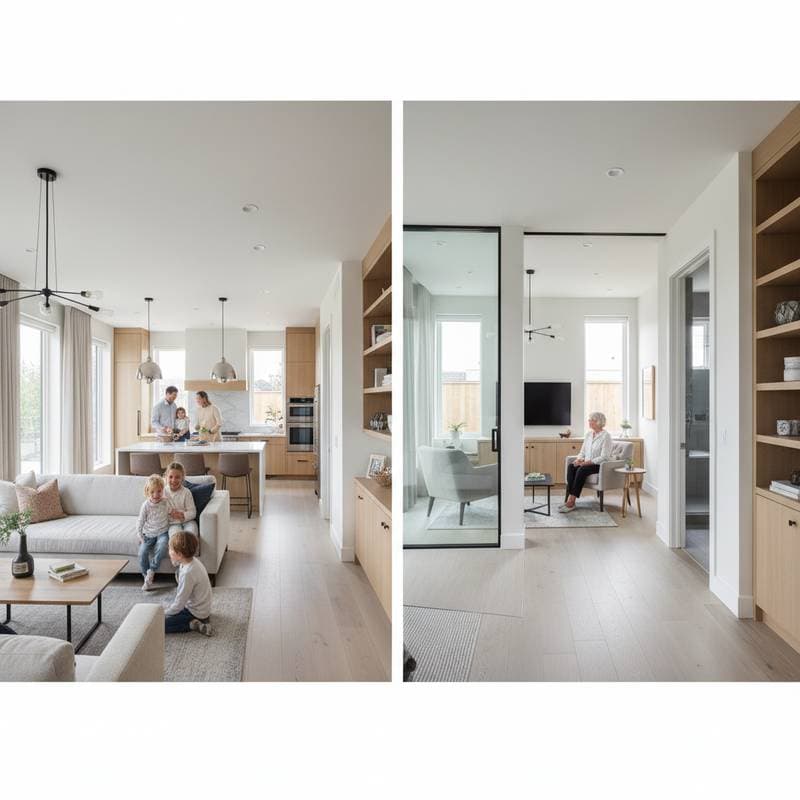
Multigenerational renovations merge practicality with comfort, ensuring code compliance in spaces like in-law suites or ADUs. This comprehensive guide details expenses, timelines, and essential safety measures to help families craft independent yet interconnected living environments that boost home value.
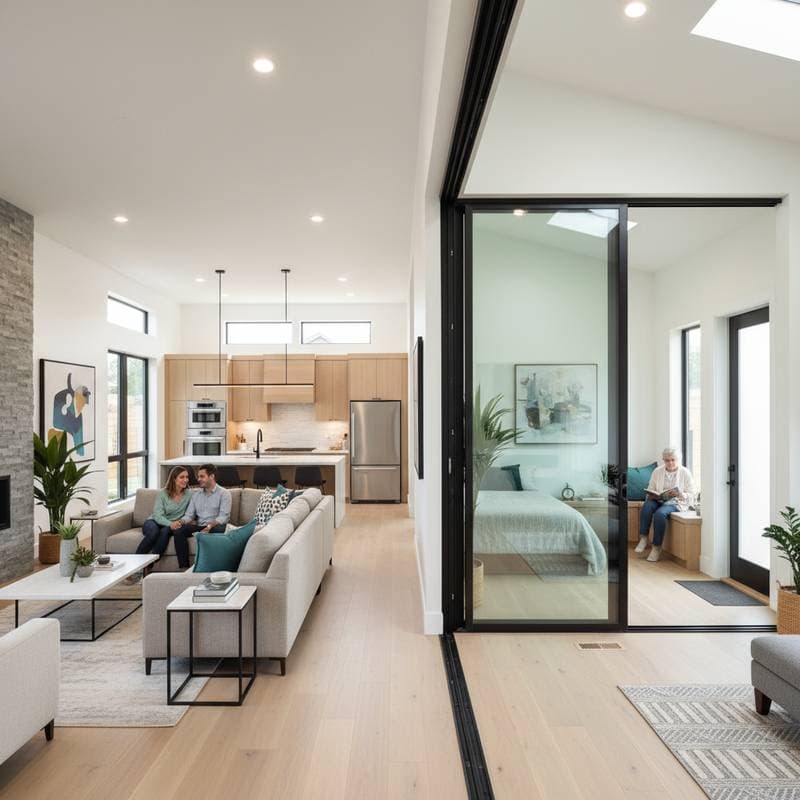
Uncover the true expenses of multigenerational home designs, from comprehensive custom constructions to ADU extensions. Examine how spatial configurations, privacy considerations, and regulatory requirements impact budgets, schedules, and livability. Gain insights into effective strategies that foster autonomy, property appreciation, and familial unity in shared residences.
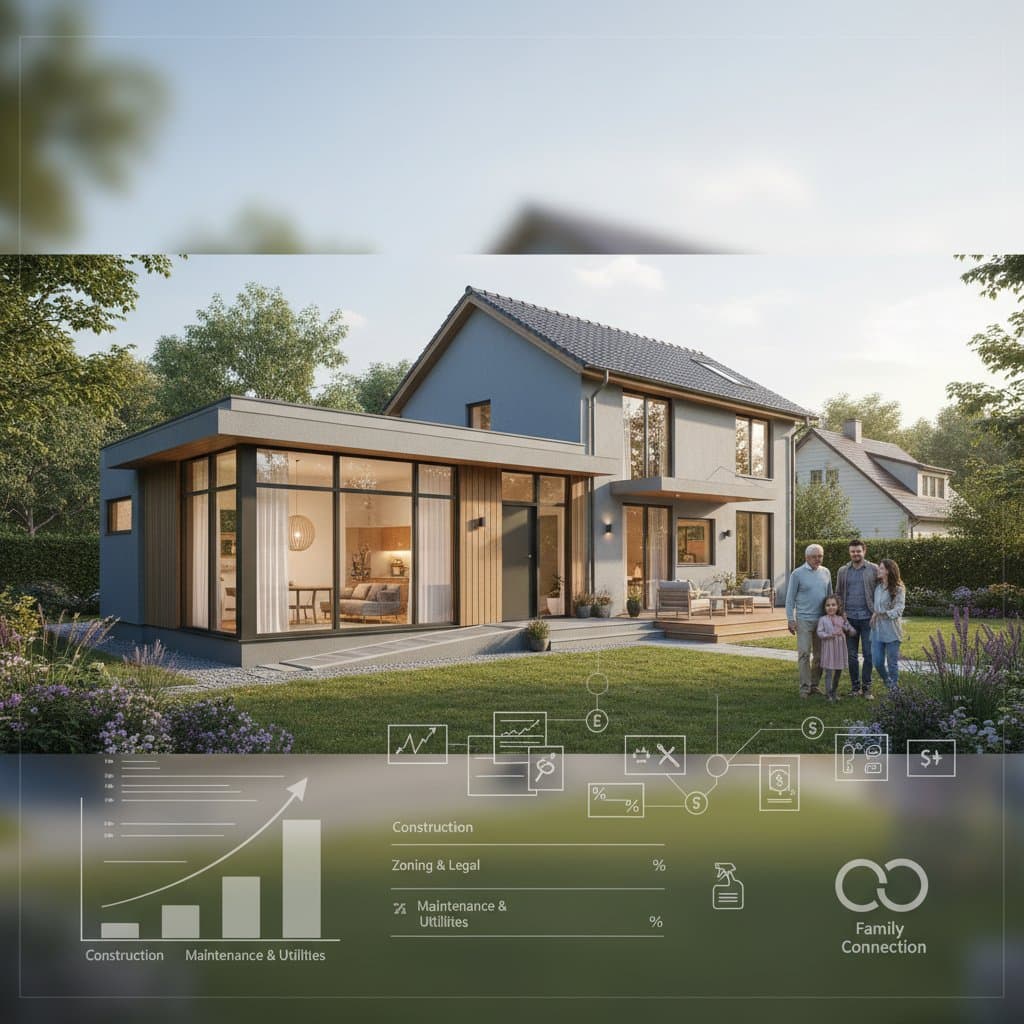
Multigenerational home additions foster family bonds and boost property value, yet overlooked costs like zoning restrictions, intricate contracts, and maintenance can alter the financial reality. From initial design through ongoing upkeep, success hinges on clear planning, legal diligence, and precise budgeting. Grasping total ownership costs safeguards your investment while promoting family well-being.
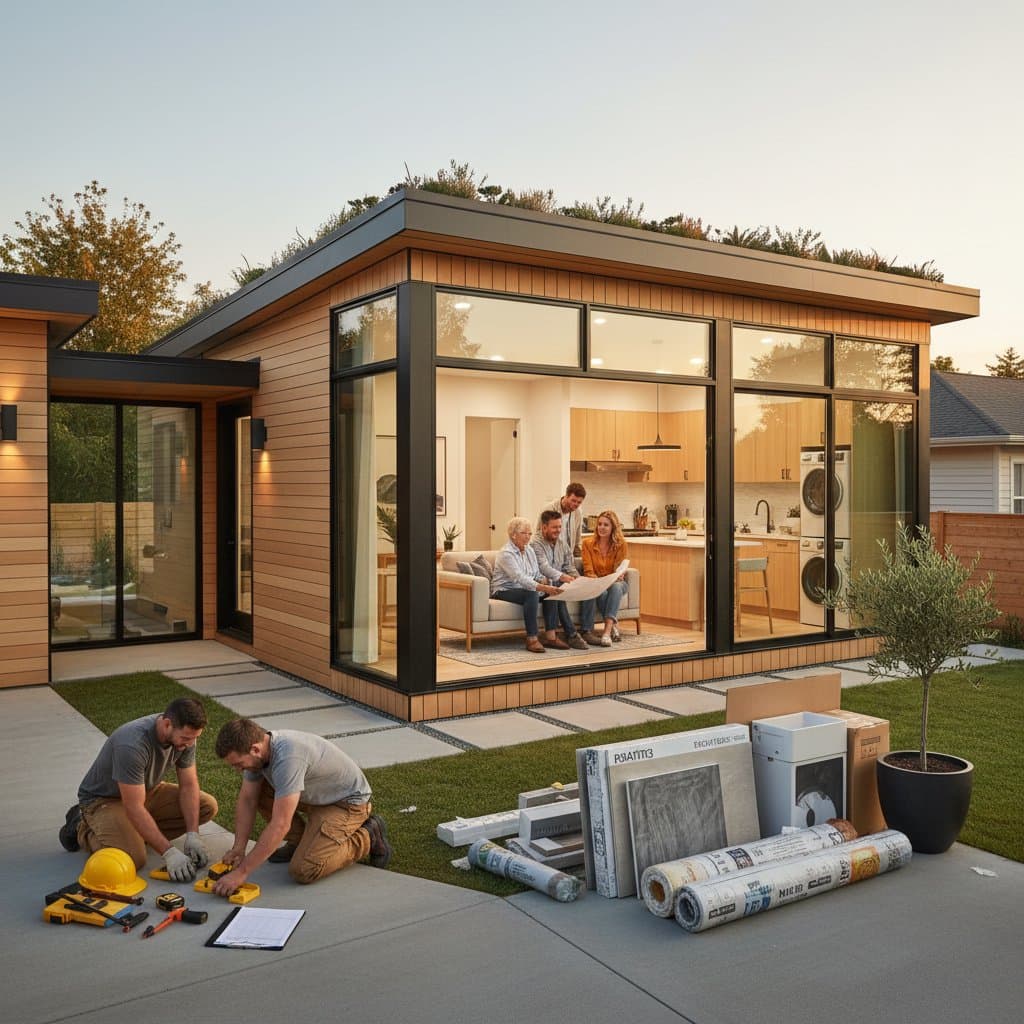
In 2026, multigenerational renovations average $180,000, with ranges from $110,000 to $350,000 based on project scale, material choices, and site challenges. Professional expertise drives most projects, yet targeted DIY elements can reduce costs. Effective planning, optimized designs, and thorough contractor evaluation enable homeowners to enhance family living, ensure regulatory adherence, and boost future property value.
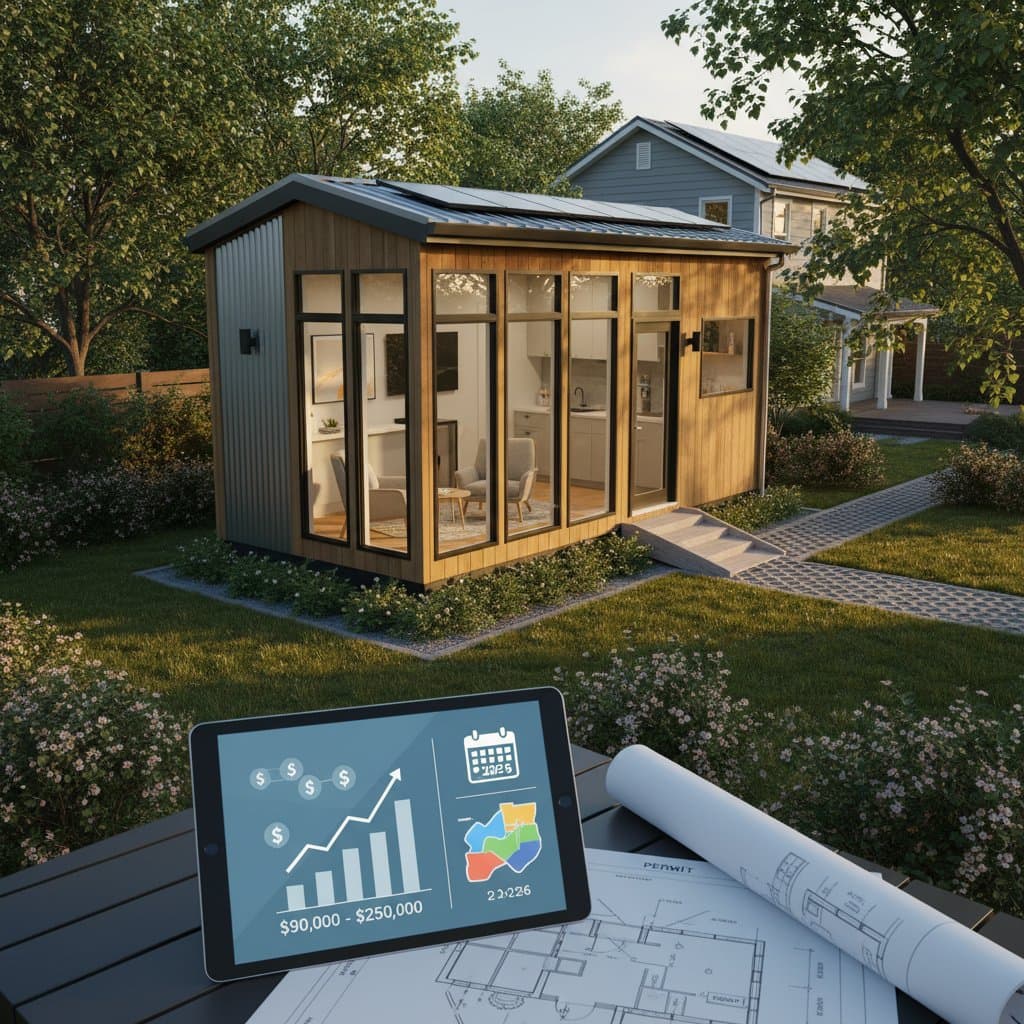
Uncover the essentials of granny pod costs in 2026, including zoning considerations, design influences, and professional hiring needs. This guide details pricing factors, permit navigation, safety compliance, and regional variations to help you build a practical, affordable solution for multigenerational living.
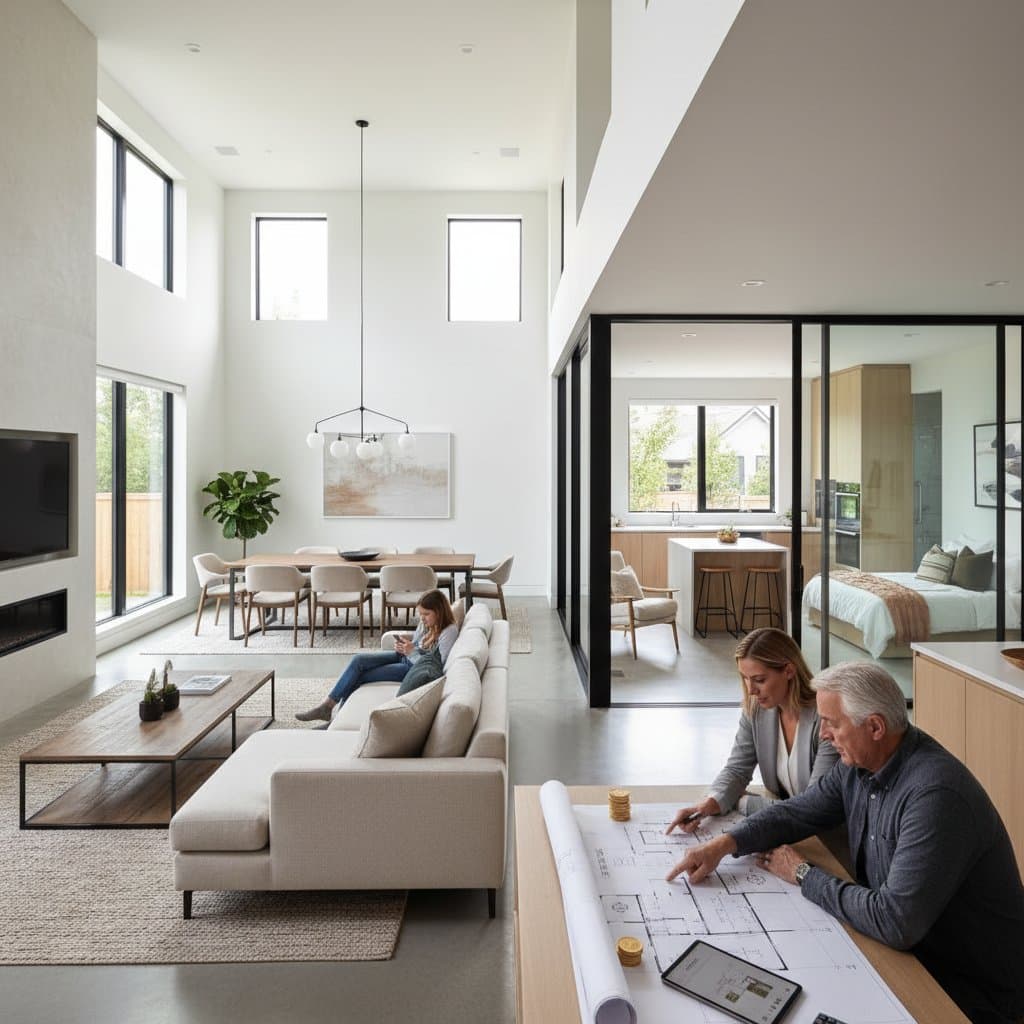
Constructing a multigenerational home in 2026 requires careful consideration of family connections alongside financial realities. Costs range from $80,000 to $350,000, with additional expenses for utility upgrades and permitting processes. Options such as ADUs and basement suites demand thoughtful decisions on design, timelines, and local influences to ensure wise investments that enhance comfort, accessibility, and enduring property value.
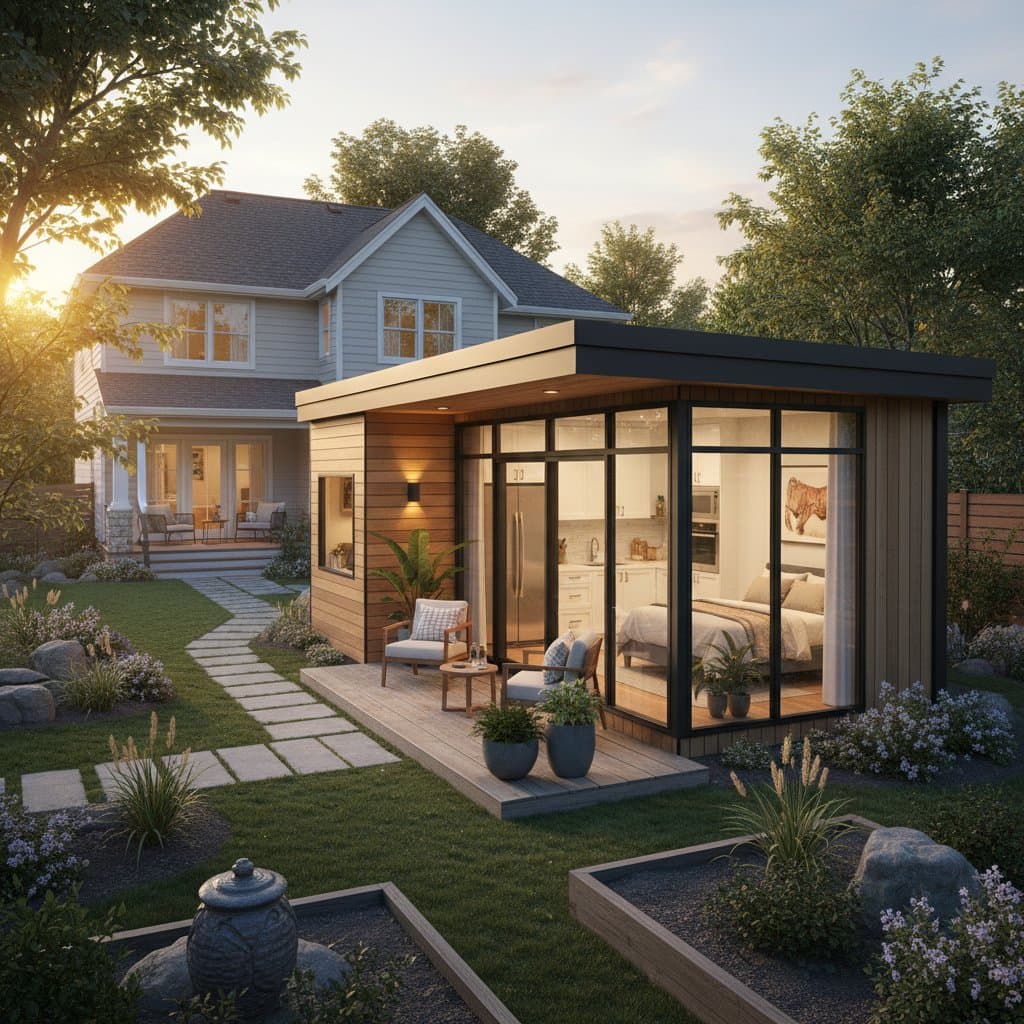
Granny pods deliver autonomy for seniors and closeness for families through compact backyard residences priced at $85,000 to $250,000. Costs fluctuate with unit dimensions, build standards, and zoning requirements. Capable of raising property values by up to 35 percent, these adaptable homes offer a budget-friendly path to senior care, merging accessibility, ease, and investment returns.
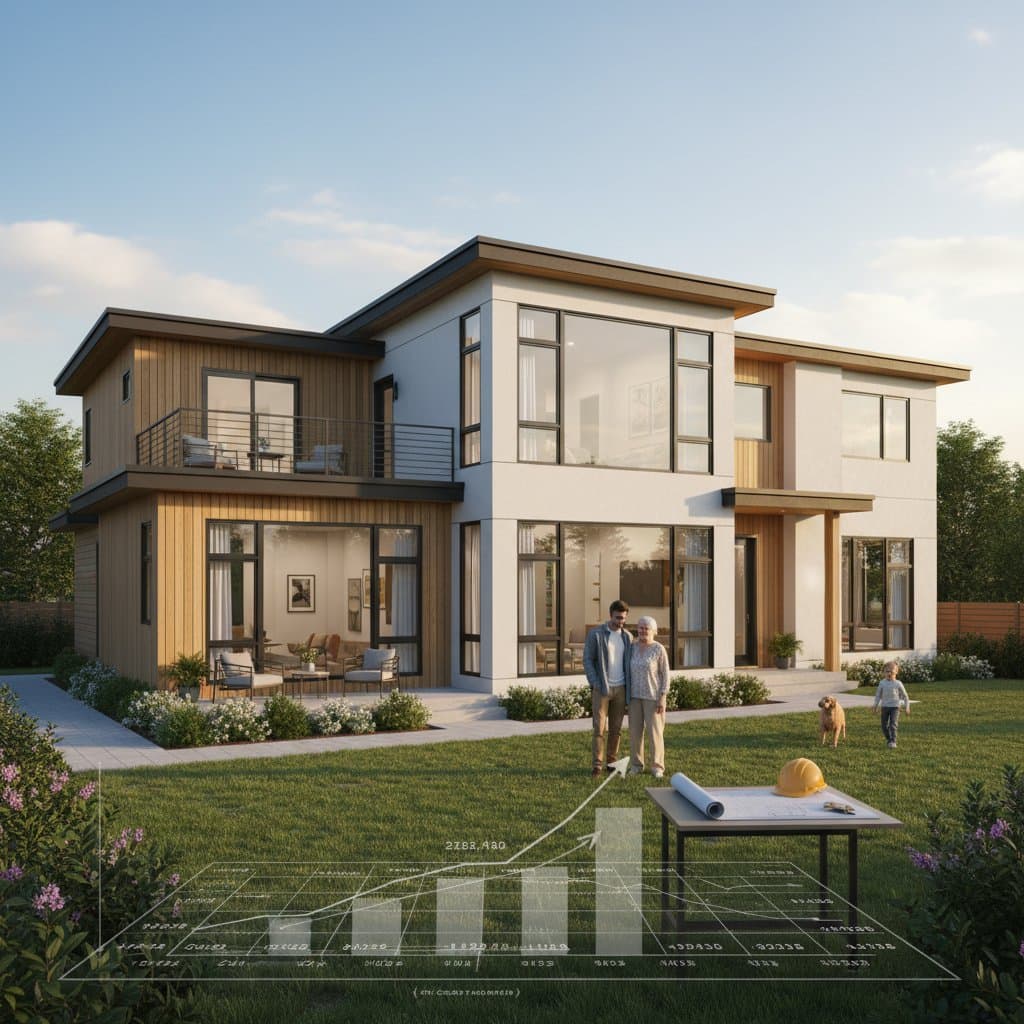
Building a multigenerational addition in 2026 costs $120,000–$320,000, depending on size, materials, and site complexity. Professional builds boost property value up to 30 percent, while smart timing and planning can cut expenses. Explore detailed cost tiers, DIY comparisons, and strategies to maximize comfort, equity, and long-term family flexibility.
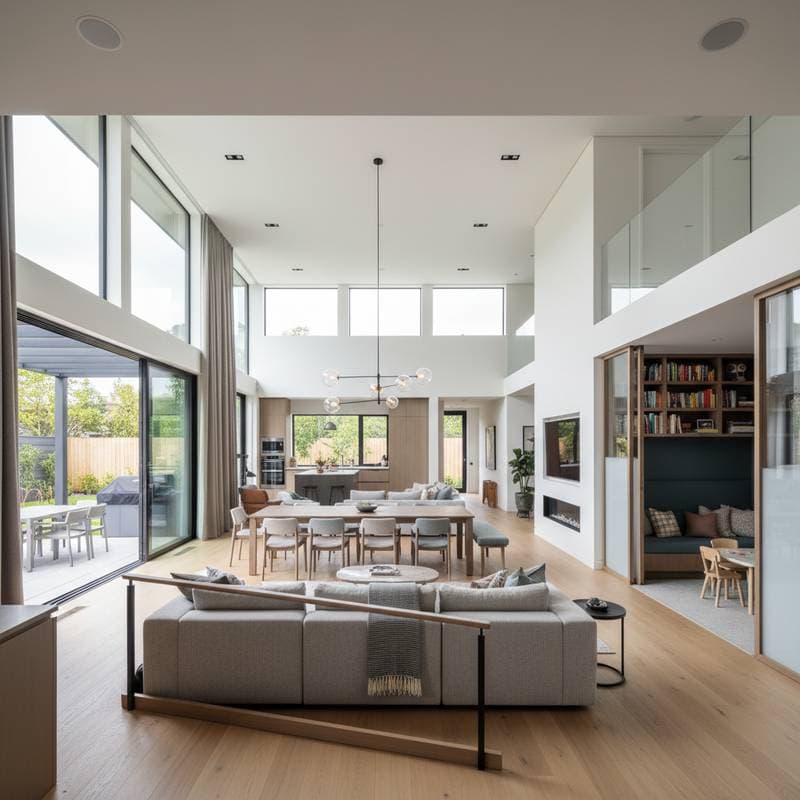
Craft a home that adapts to every stage of life by integrating shared hubs, private retreats, and versatile spaces. Thoughtful elements like soundproofing, universal accessibility, and modular designs promote independence, safety, and meaningful interactions for all generations sharing one roof.
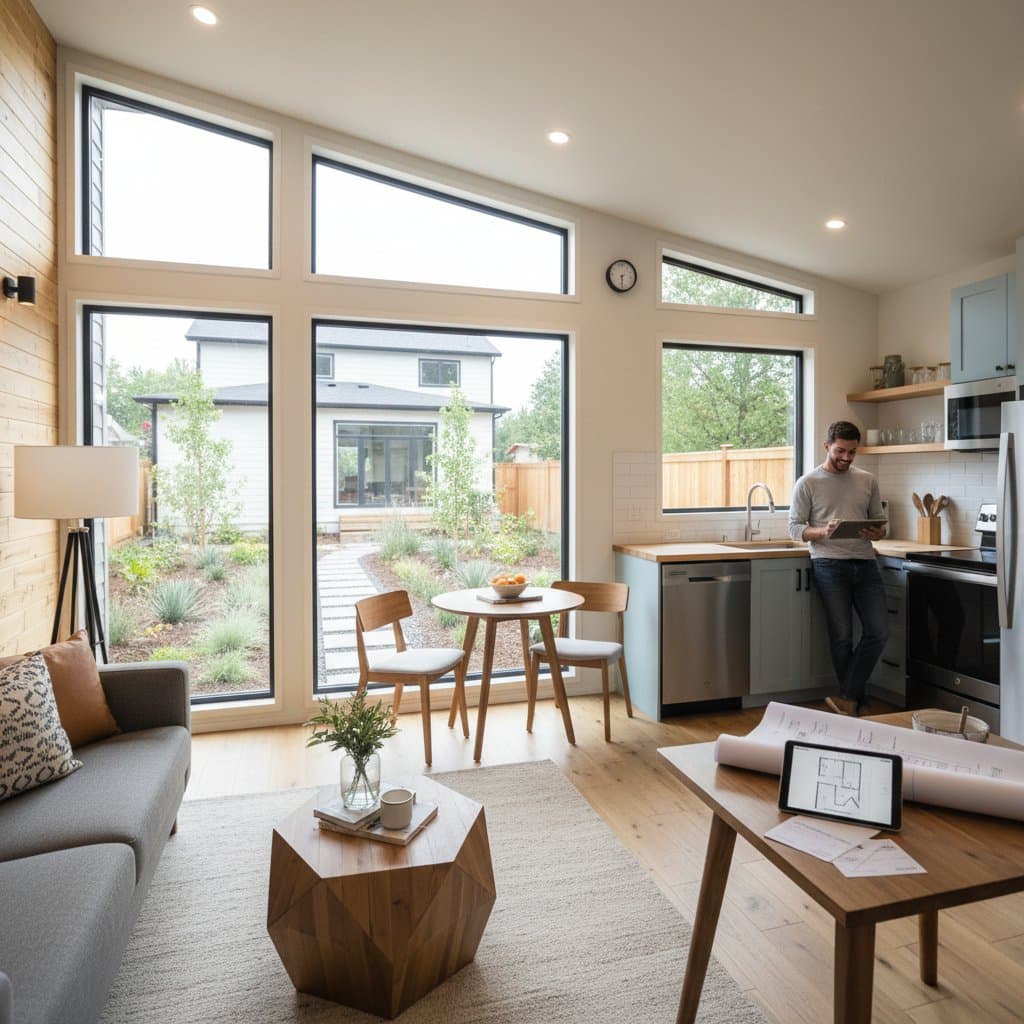
In 2026, granny pod expenses dip below those of main home additions, offering an affordable path to multigenerational living. This guide details full cost breakdowns, essential zoning checks, permit processes, and practical choices between self-build and expert installation to keep your project compliant and cost-effective.
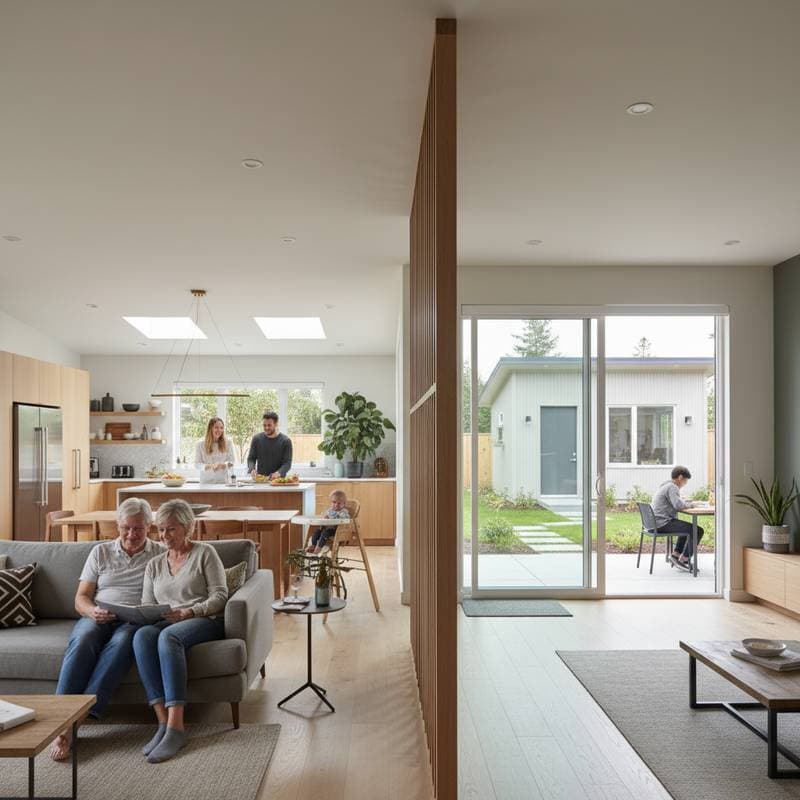
Crafting a multigenerational living space involves harmonizing private retreats with communal areas. Effective designs incorporate sound management, future-proof accessibility, and regulatory compliance. Options like basement conversions or backyard units deliver comfort, versatility, and increased property appeal, ensuring every generation enjoys both independence and closeness.
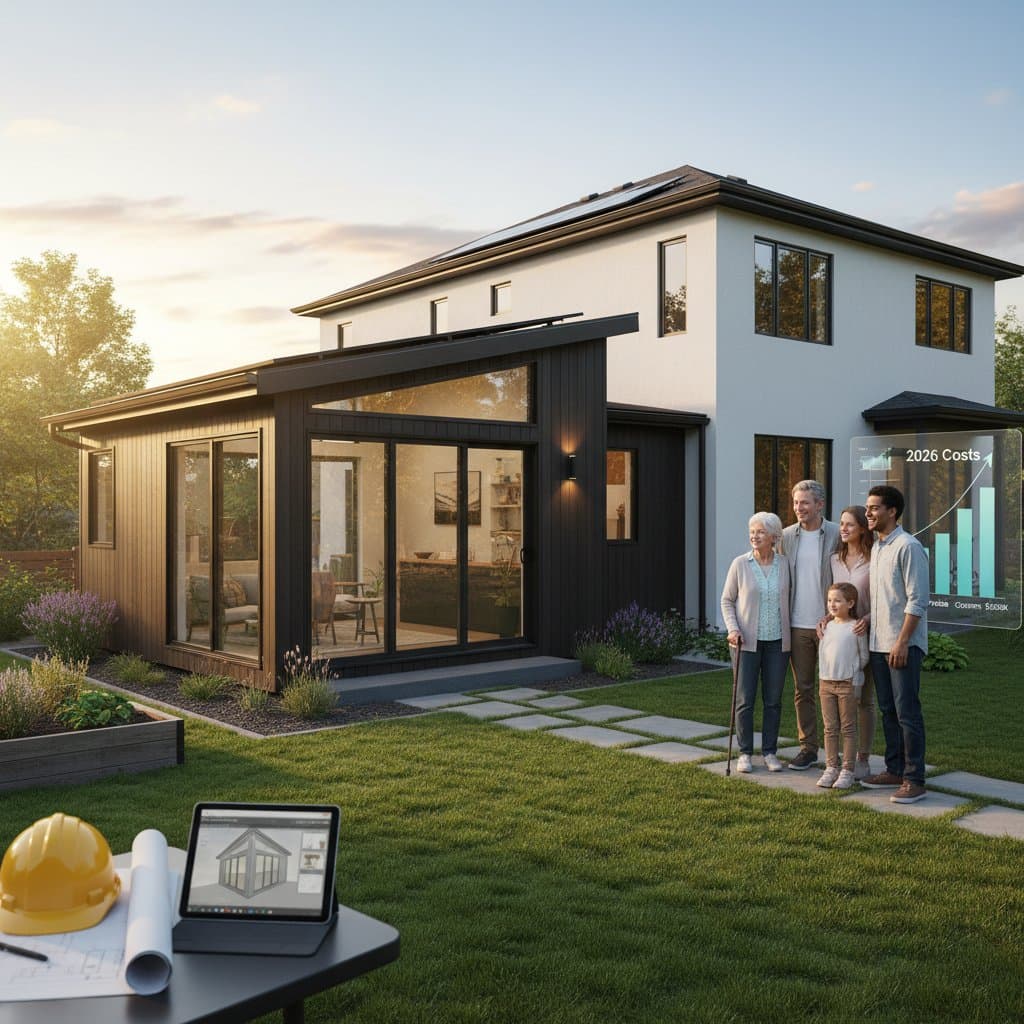
Uncover the true costs of 2026 granny pods, ranging from $80,000 prefab setups to $250,000 custom designs. Gain insights on zoning compliance, utility integration, installation timelines, and accessibility features to build a secure, family-oriented backyard dwelling.
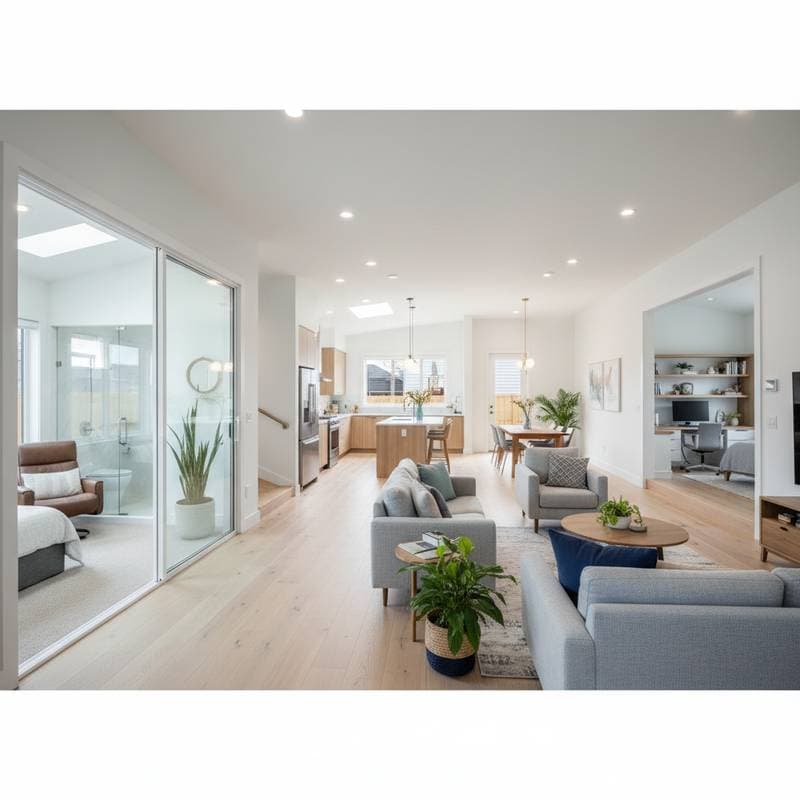
Creating a multigenerational home requires thoughtful design that balances private retreats with communal areas. This approach incorporates universal accessibility, adaptable spaces, and energy-efficient elements to accommodate aging relatives, returning adults, and growing families while promoting sustainability and property value.
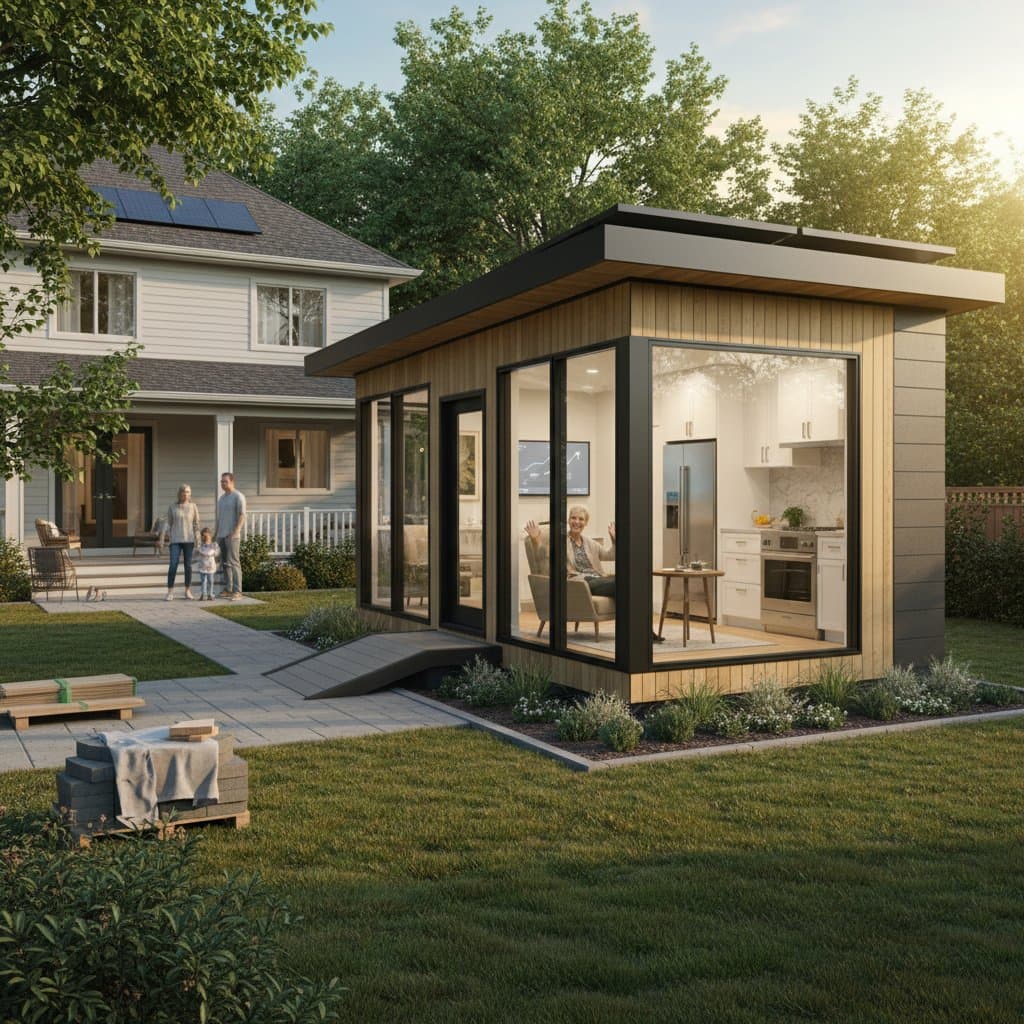
Granny pods provide a practical solution for aging in place, offering seniors independent living near family. For 2026, these backyard dwellings typically cost between $85,000 and $180,000, covering construction, permits, and custom features. This guide details the elements that shape expenses, installation processes, and ways to maximize value.