
Articles tagged with construction
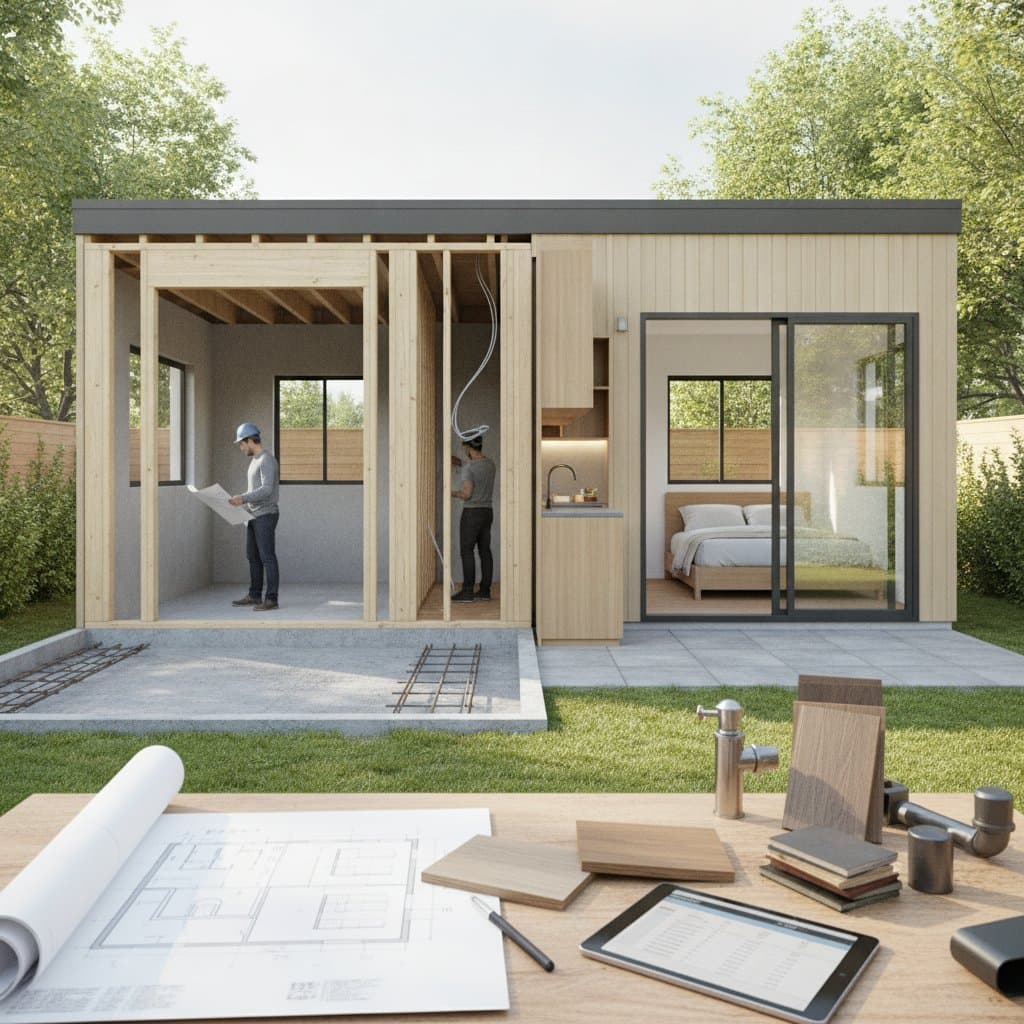
Learn the true expenses involved in building a granny flat in 2026. This guide details costs from design through final finishes, explains timeline factors, and outlines key decisions that influence total investment and property value.
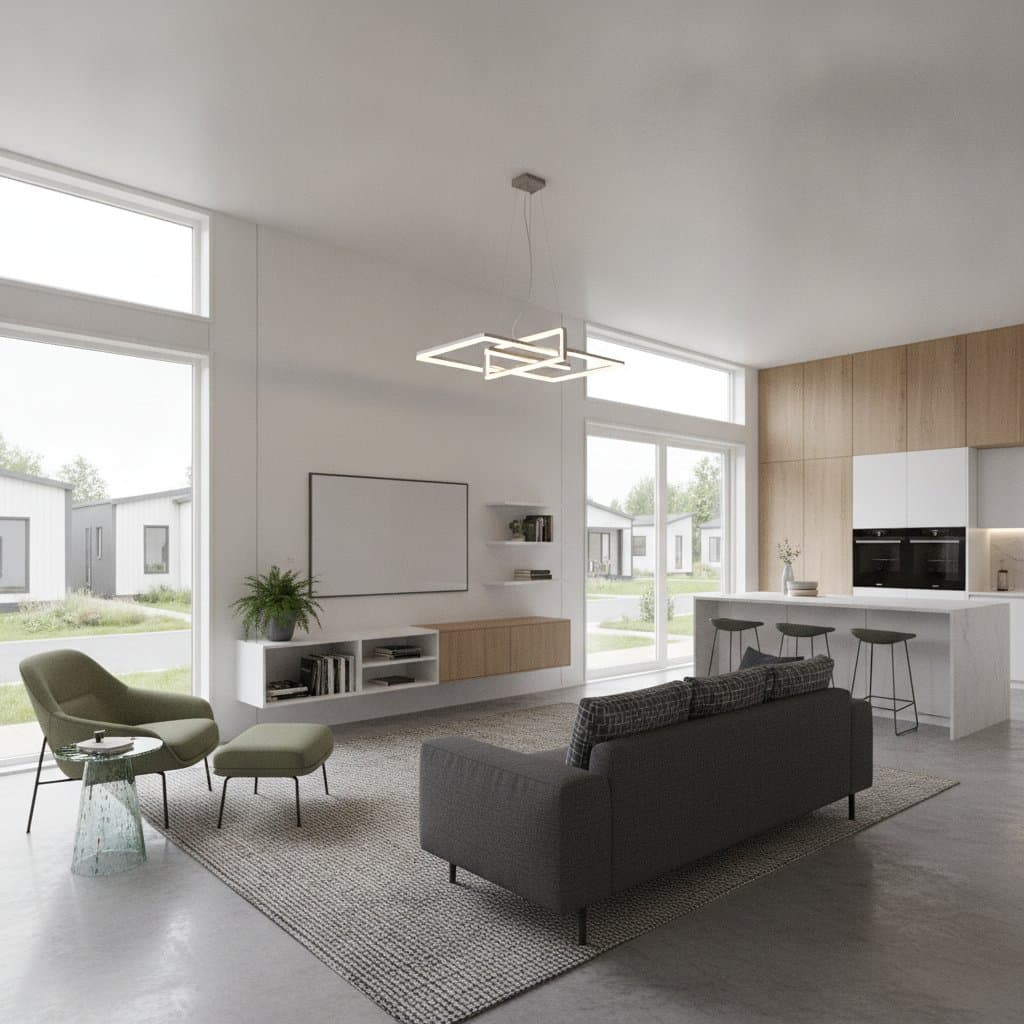
Modular home prices may drop 25 percent by 2026 due to automation and supply improvements. Buyers must examine contracts, site conditions, and warranties to capture lasting value.
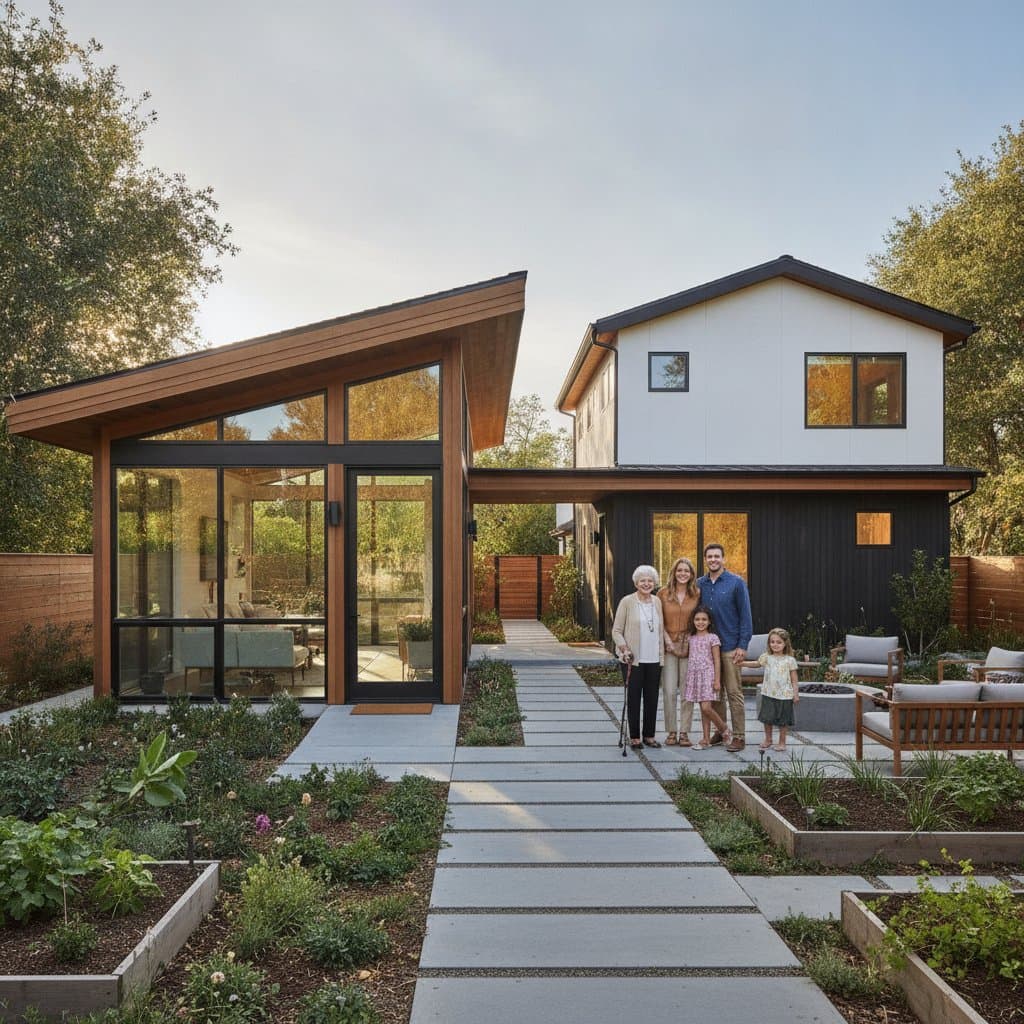
Multigenerational renovations balance family needs, accessibility, and financial planning. This guide details actual costs, financing choices, and methods to protect returns while managing contractors and avoiding common scope gaps.
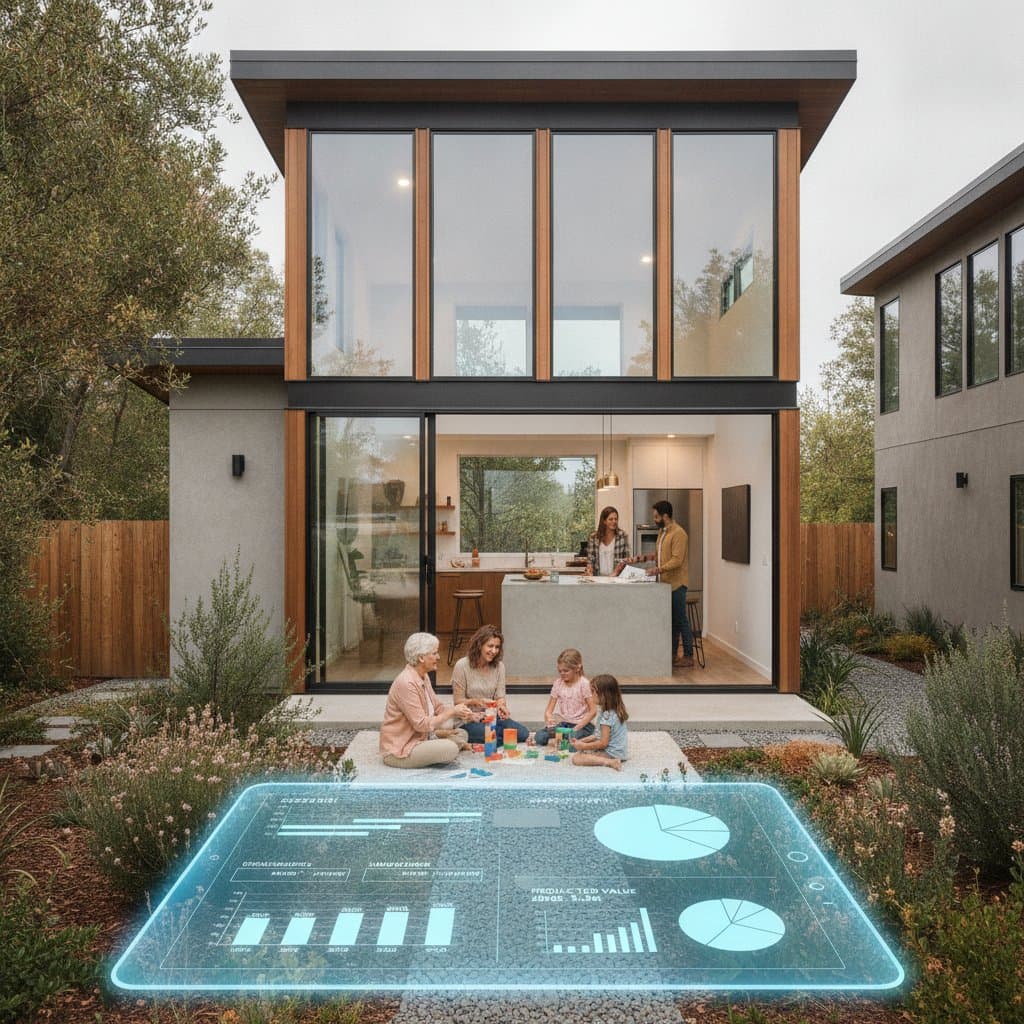
Accessory dwelling units support multi-generational living when costs are examined across construction, permits, financing, and maintenance. This guide supplies concrete figures and contract safeguards for informed decisions.
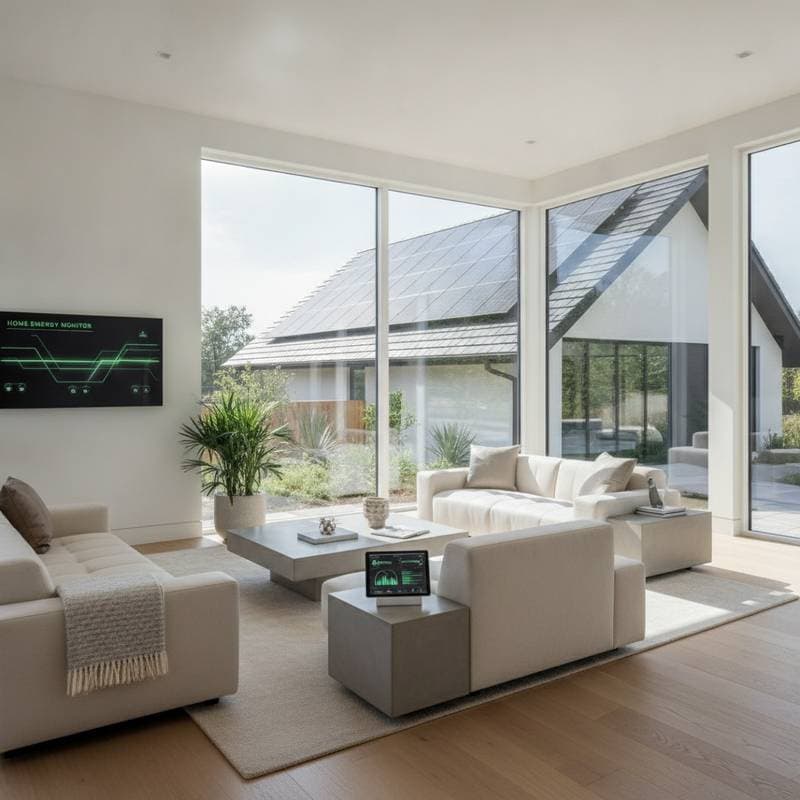
Installing solar panels on new homes in 2026 adds roughly $14,000 to $24,000, averaging $18,500 for a 6-kilowatt system. Early planning during construction cuts labor costs and boosts resale value by up to 5%. Learn how system size, materials, and timing shape your investment, payback, and long-term energy savings.
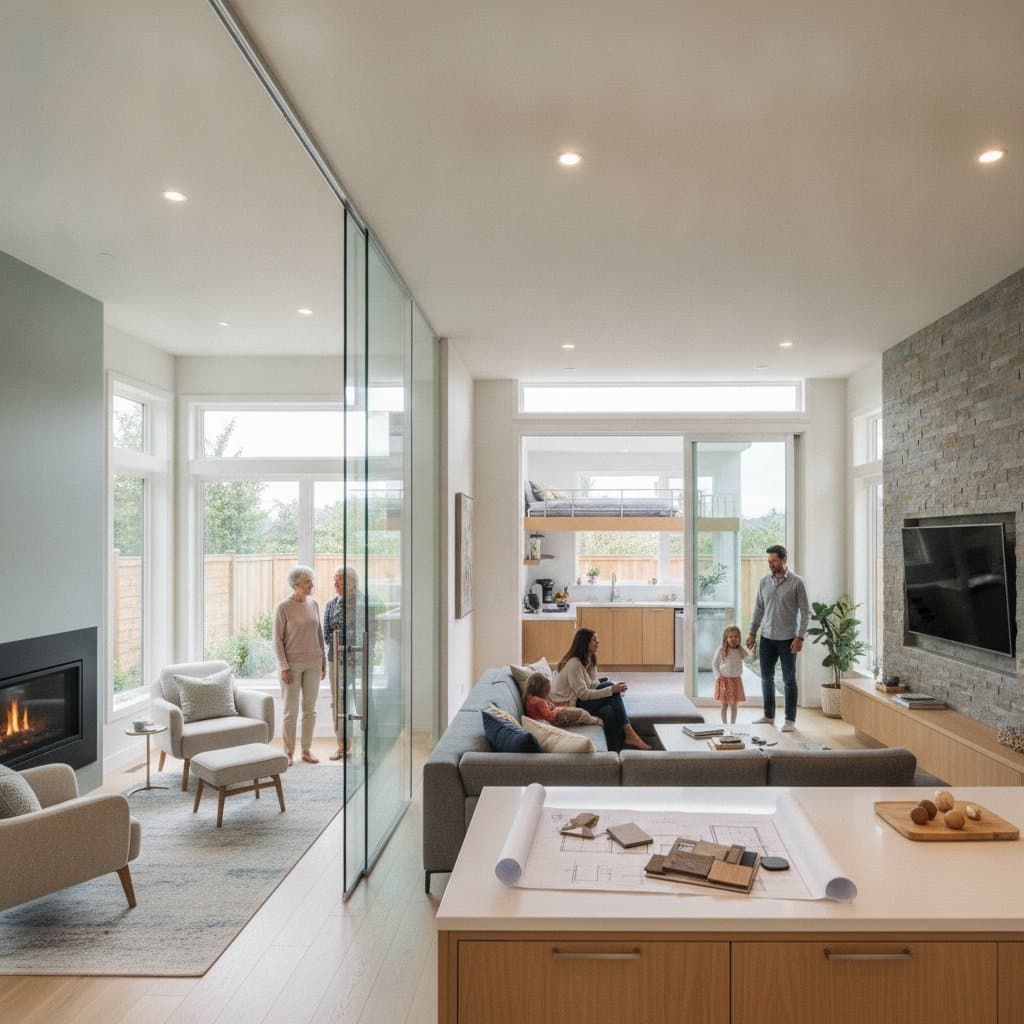
Multigenerational renovations balance comfort, privacy, and future adaptability, typically costing $80,000 to $250,000. Smart layouts, material choices, and professional planning can boost property value substantially. Learn how size, design complexity, and finish tiers shape budgets along with cost saving strategies that maximize return on investment and long term livability.
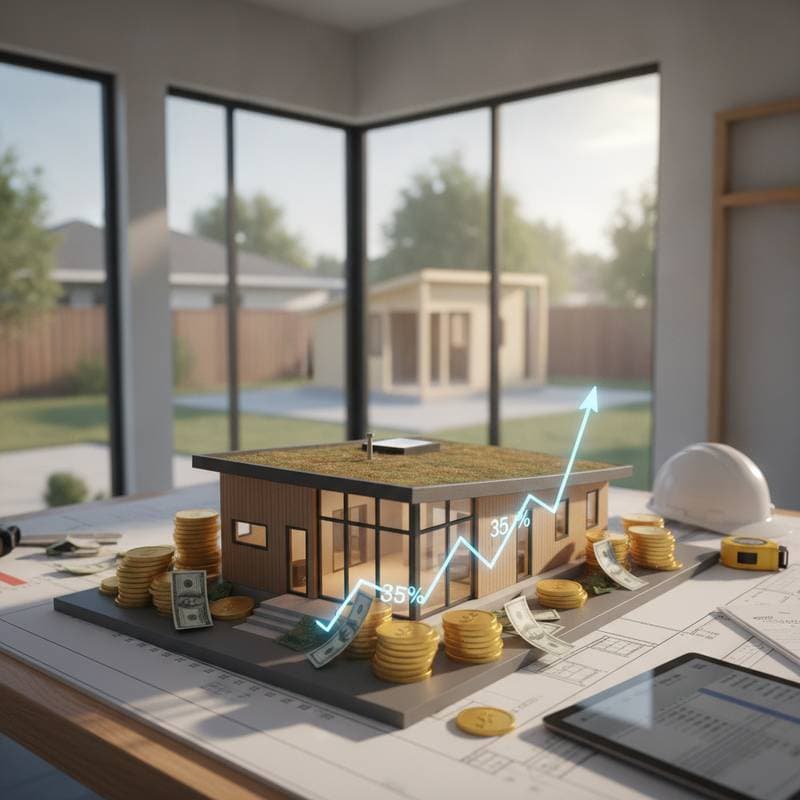
ADU construction costs have risen 35 percent due to higher labor, material, and permit expenses. Strategic planning and design decisions can still keep projects affordable. Explore timing guidance, budgeting tactics, and value-maximizing choices for homeowners evaluating an accessory dwelling unit.
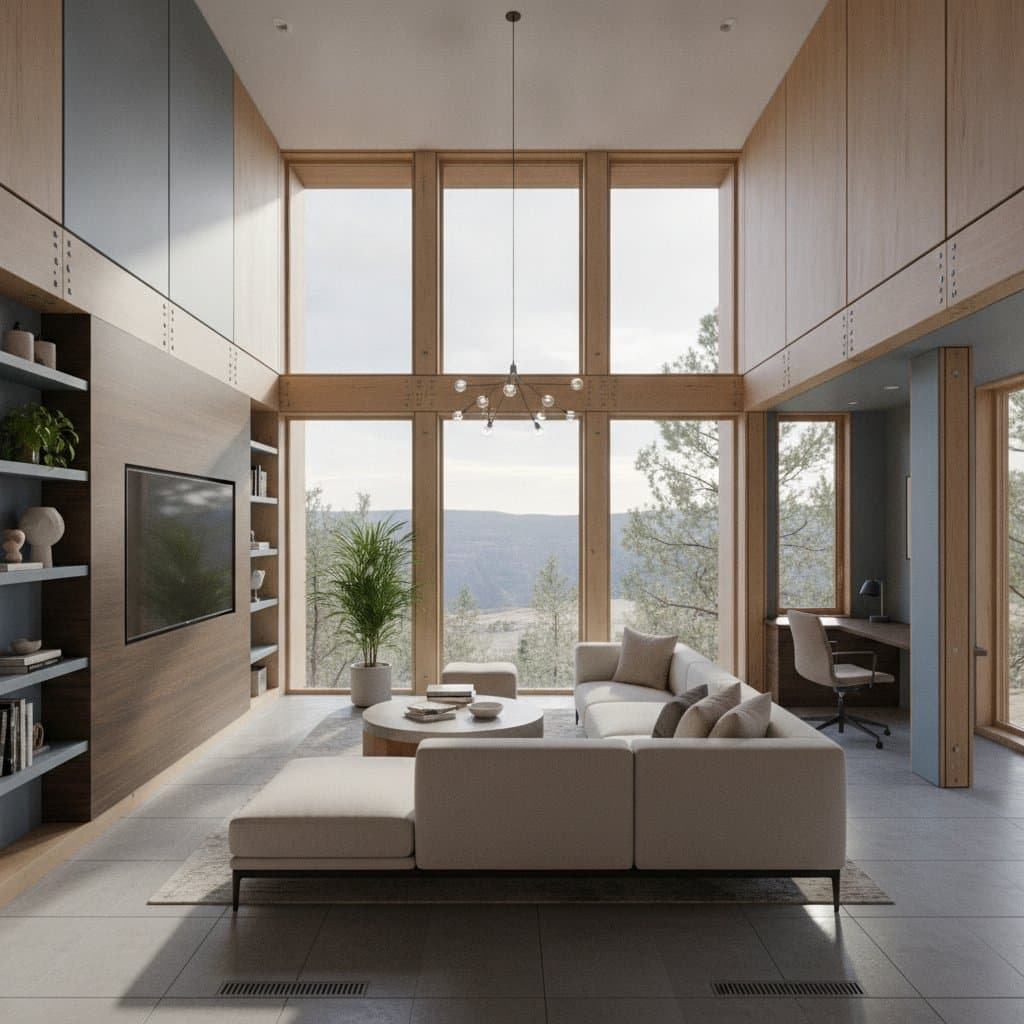
Modular homes offer faster builds, lower costs, and consistent quality compared to traditional construction, but limit design flexibility and require careful site planning. Learn how pricing, permits, and timelines align to make modular living a smart choice depending on land, layout, and goals.
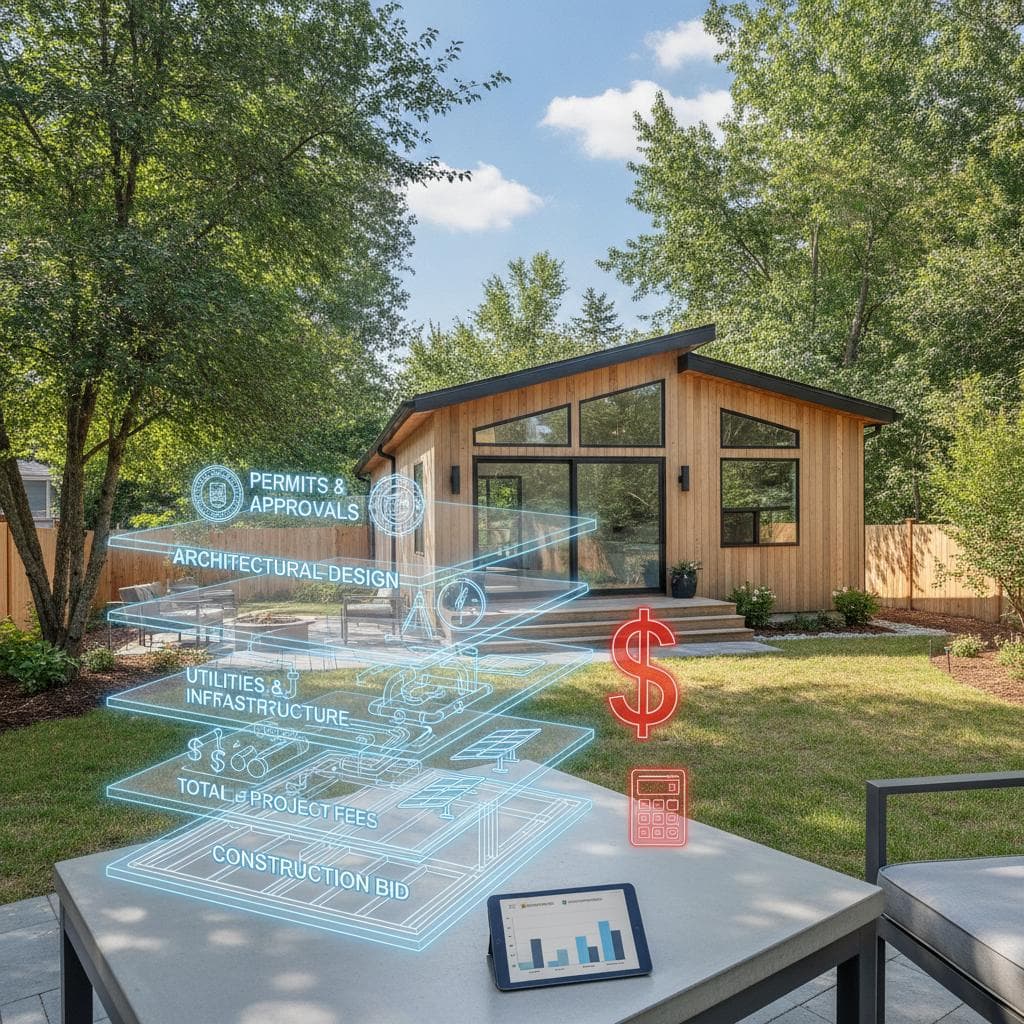
ADU projects involve permits, design, utilities, and construction. Total costs range from 180000 to 350000 dollars. Clear contracts and staged planning keep budgets realistic and protect long-term property value.
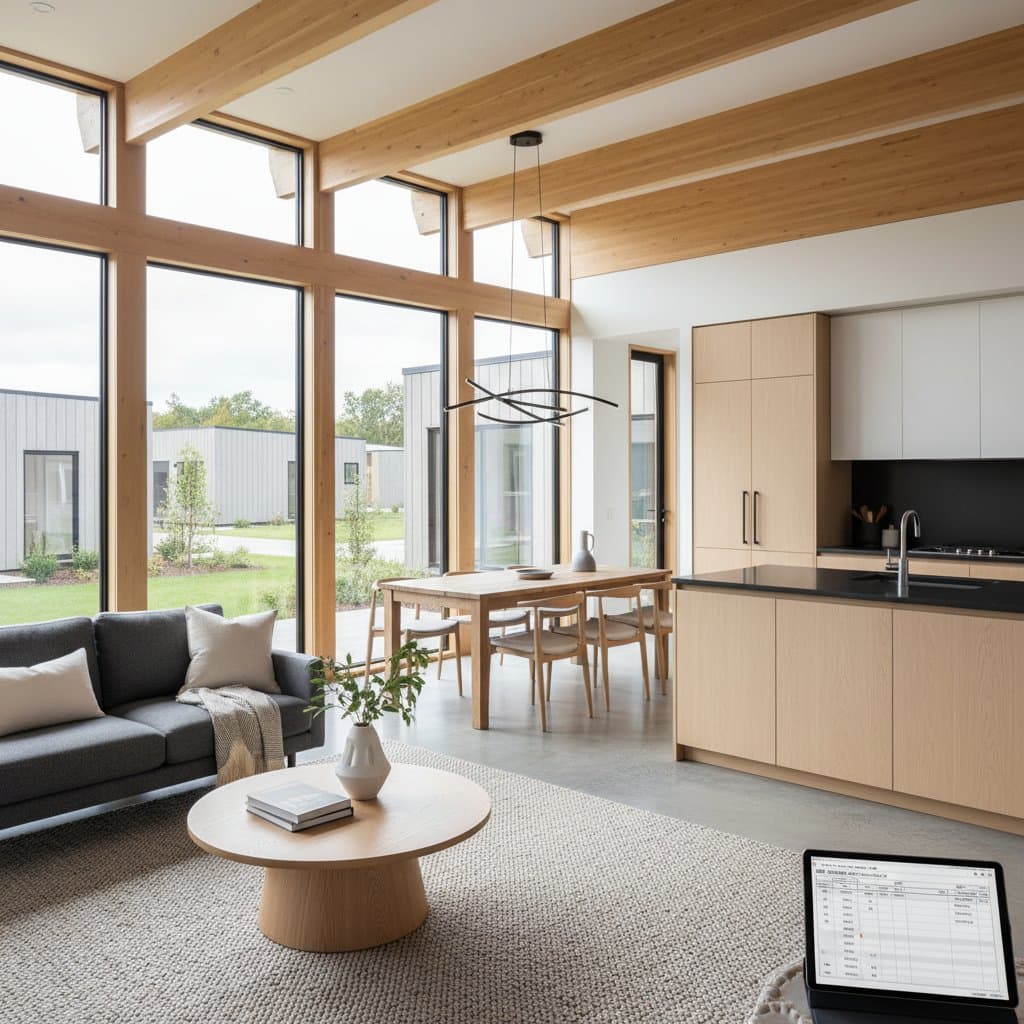
Modular homes combine factory efficiency with site built quality. Learn current per square foot costs, the full construction timeline, and practical steps to control expenses in 2026.
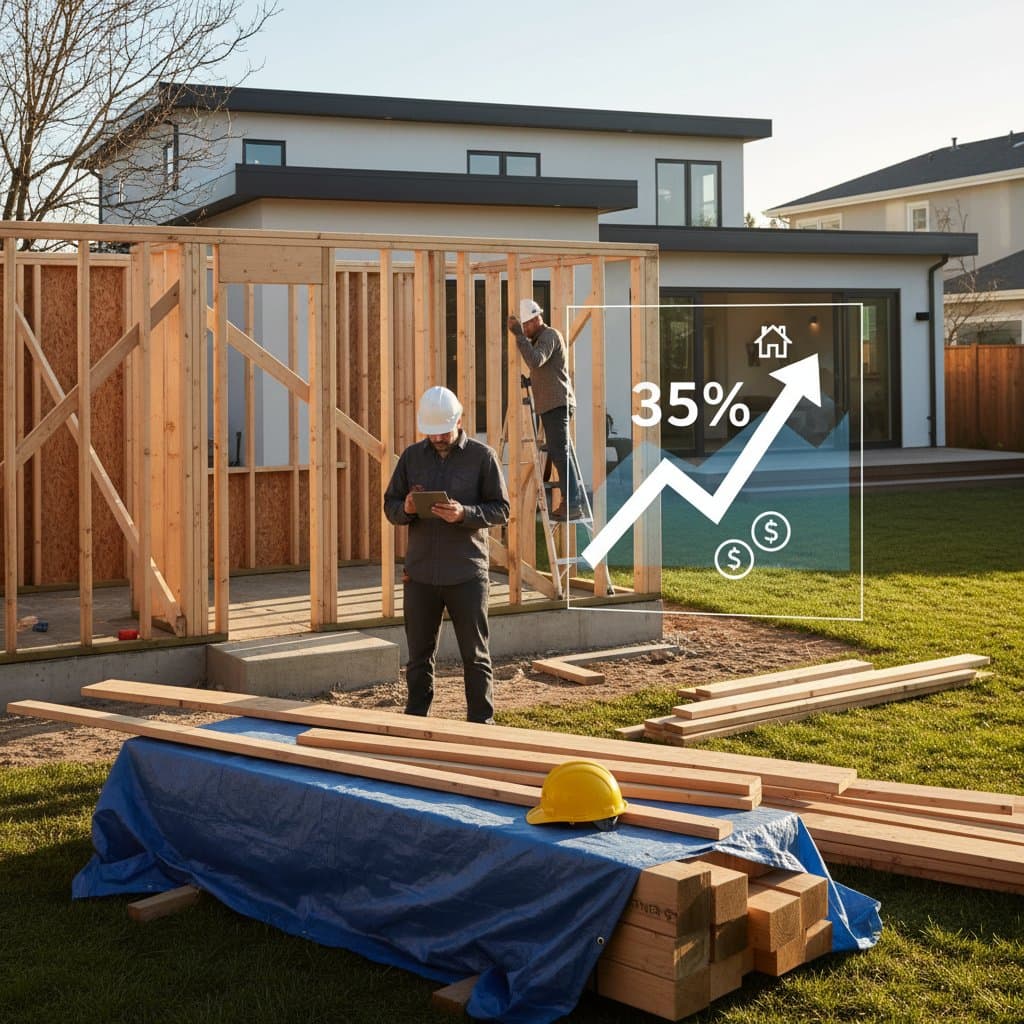
Granny flat construction costs have surged 35 percent due to material inflation, labor shortages, and stricter codes. Builders now face higher budgets, longer timelines, and tighter margins. This guide breaks down cost drivers, ADU types, timelines, and practical strategies to control expenses while maintaining quality and long-term property value.
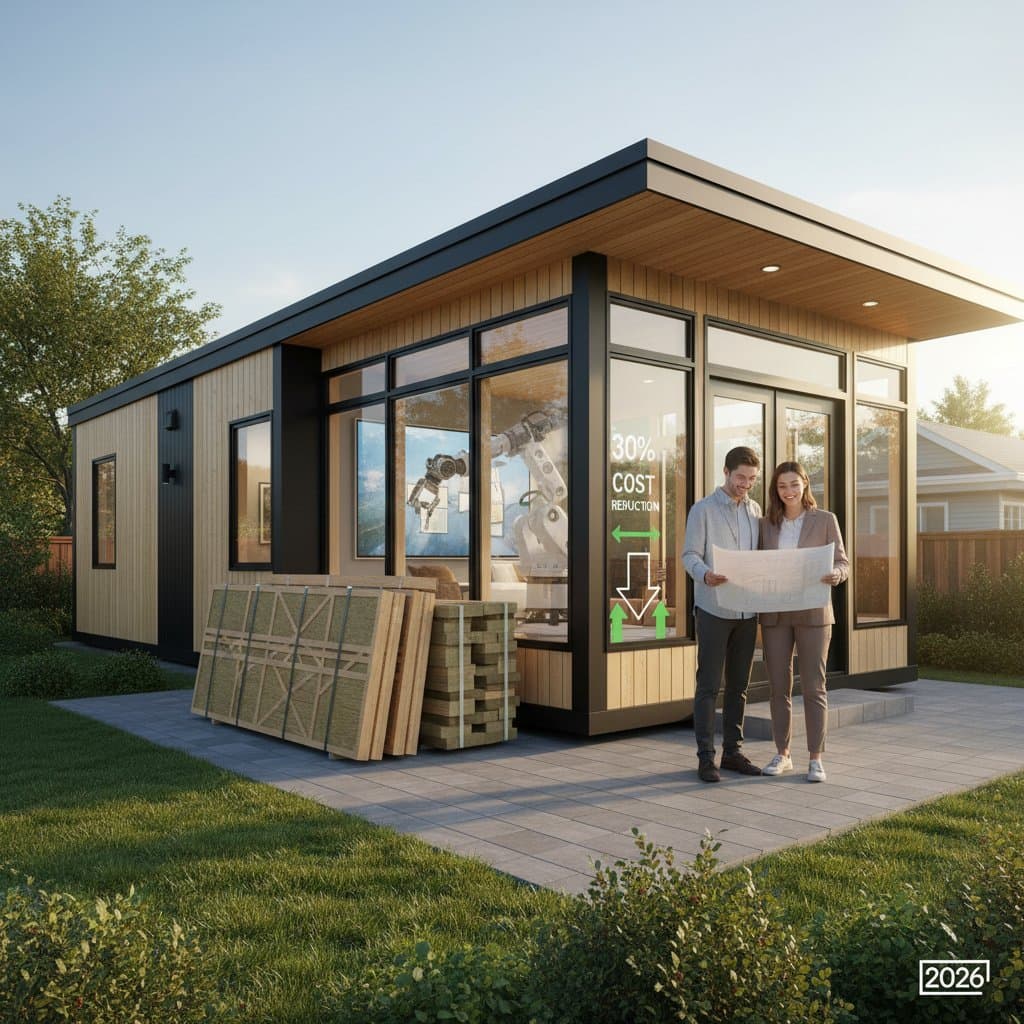
2026 code revisions and manufacturing incentives lower modular ADU expenses by up to 30 percent. Benefit from expedited processes, cost-saving bulk materials, and shortened timelines to create versatile backyard dwellings. Discover strategies to navigate changes, sidestep errors, and optimize your investment.
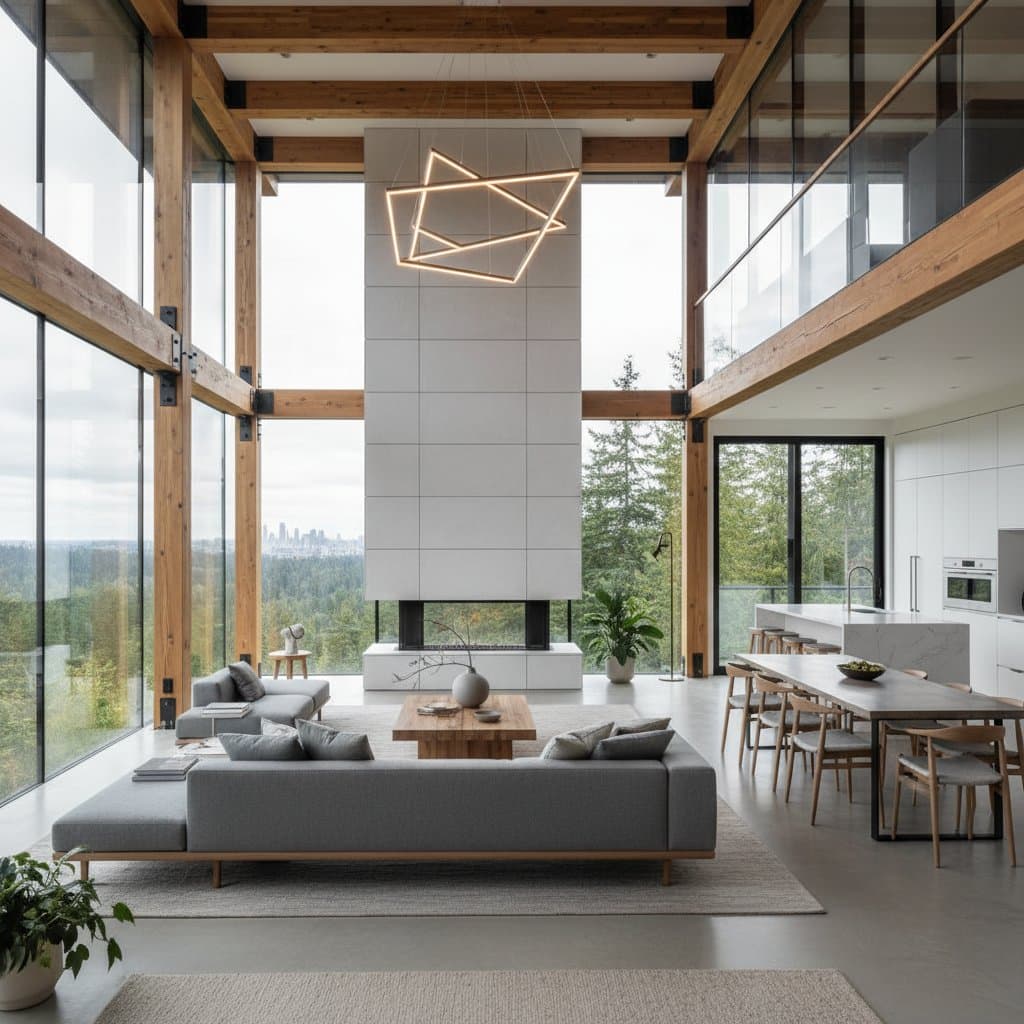
Modular homes revolutionize construction through factory-built precision, achieving up to 35% faster completion rates than traditional methods. They ensure uniform quality, minimize waste, and offer cost-effective solutions despite some design constraints. This guide covers financing details, climate adaptations, and the ways modular building creates resilient, efficient residences that transform the industry by 2026.
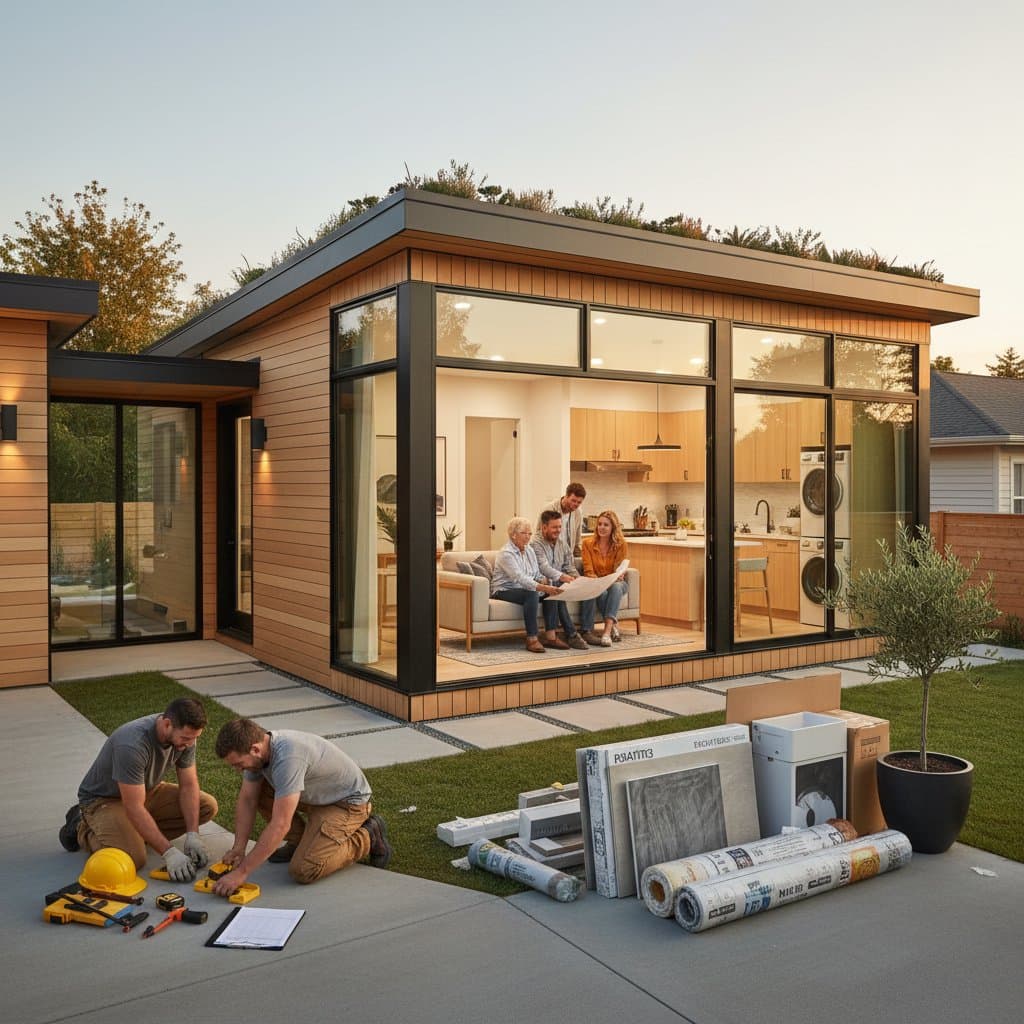
In 2026, multigenerational renovations average $180,000, with ranges from $110,000 to $350,000 based on project scale, material choices, and site challenges. Professional expertise drives most projects, yet targeted DIY elements can reduce costs. Effective planning, optimized designs, and thorough contractor evaluation enable homeowners to enhance family living, ensure regulatory adherence, and boost future property value.
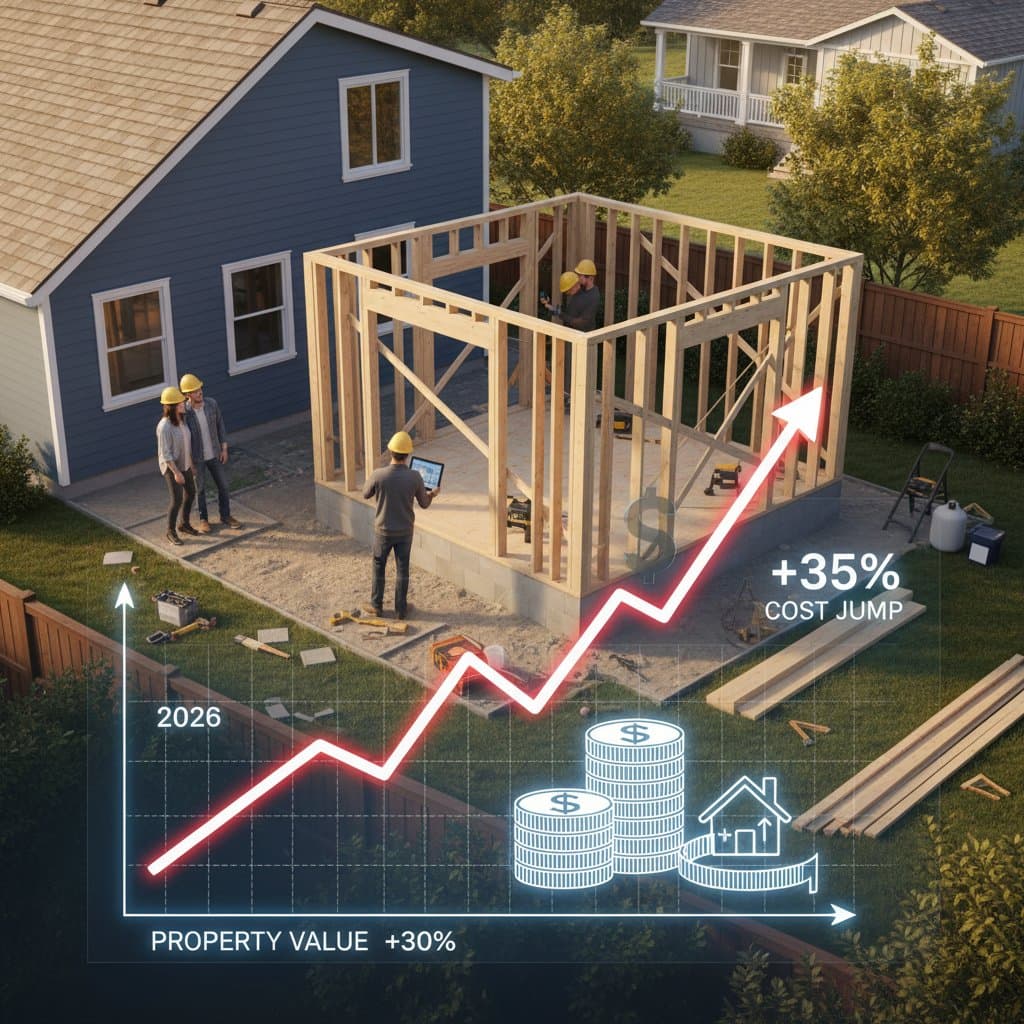
ADU construction costs are set to increase by 35% by 2026 due to rising material prices, labor shortages, and permitting challenges. Current ranges fall between $150,000 and $450,000, with the average at $275,000 for a complete unit. Begin planning immediately to capture savings, elevate property values by 20 to 30%, and capitalize on one of the top returns in residential upgrades.
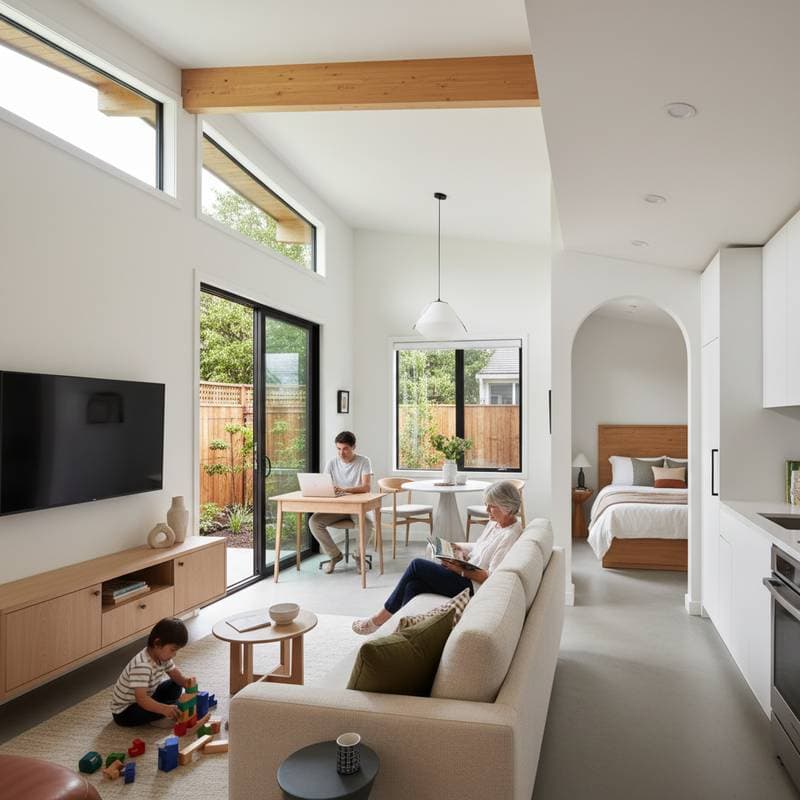
Accessory dwelling units (ADUs) reshape multigenerational households in 2026 by delivering privacy, adaptability, and increased property worth. Options such as backyard cottages or garage conversions enable families to remain close, control expenses, and address caregiving needs. Discover effective strategies for planning, budgeting, and designing to create a resilient family living space.
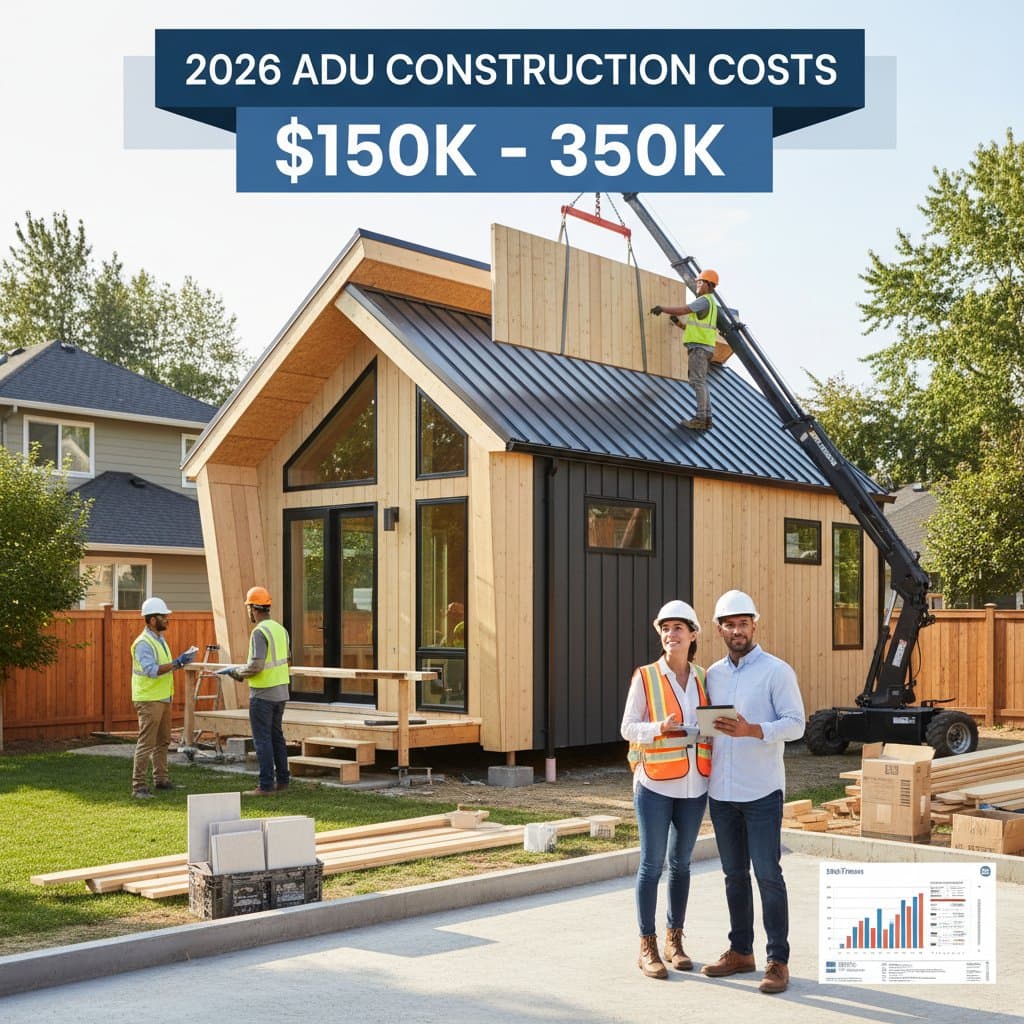
In 2026, constructing an ADU or granny flat ranges from $150,000 to $350,000, influenced by size, materials, and site conditions. This guide details per-square-foot costs, professional versus DIY approaches, and effective strategies to optimize value, efficiency, and returns on your property investment.
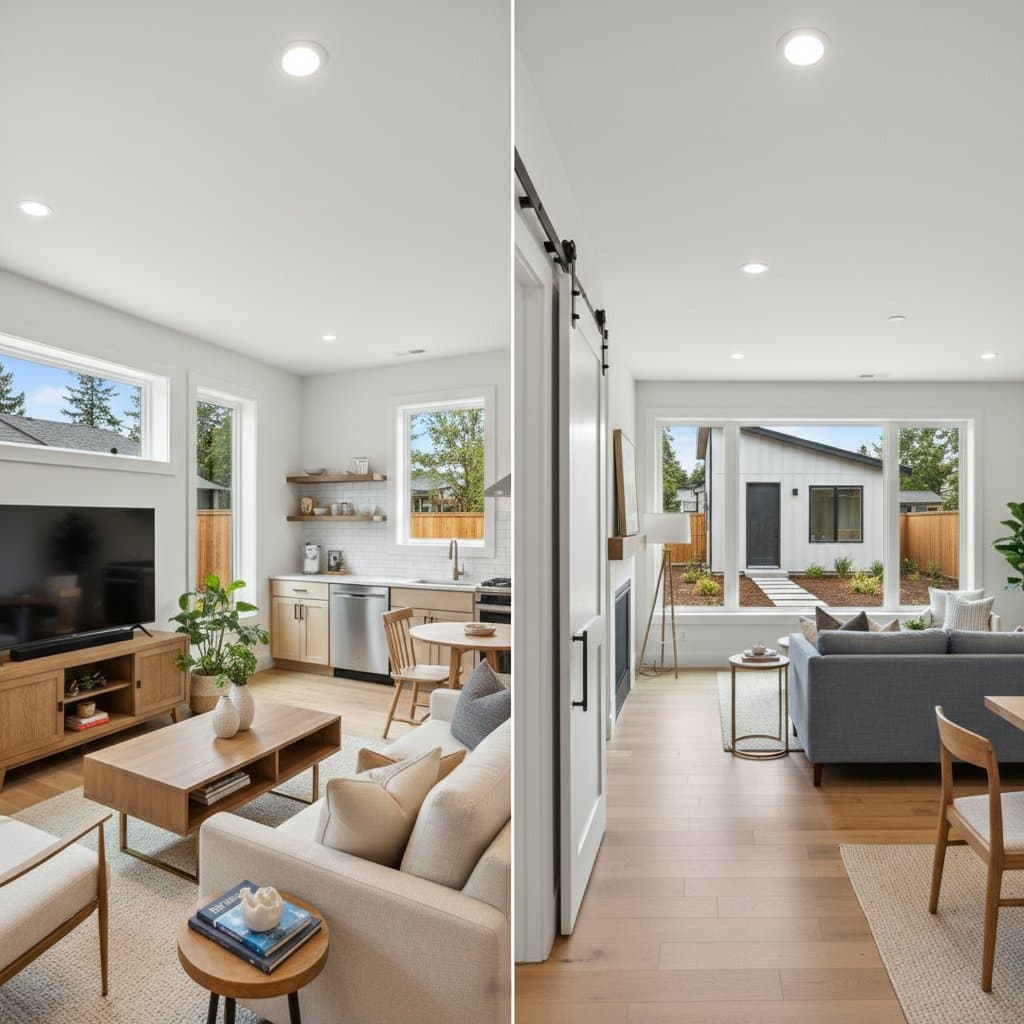
Transform your home into a cost-effective multigenerational haven by repurposing spaces for privacy and flexibility. This guide covers zoning compliance, phased renovations, and strategies like basement conversions or ADUs to foster family unity while managing expenses.
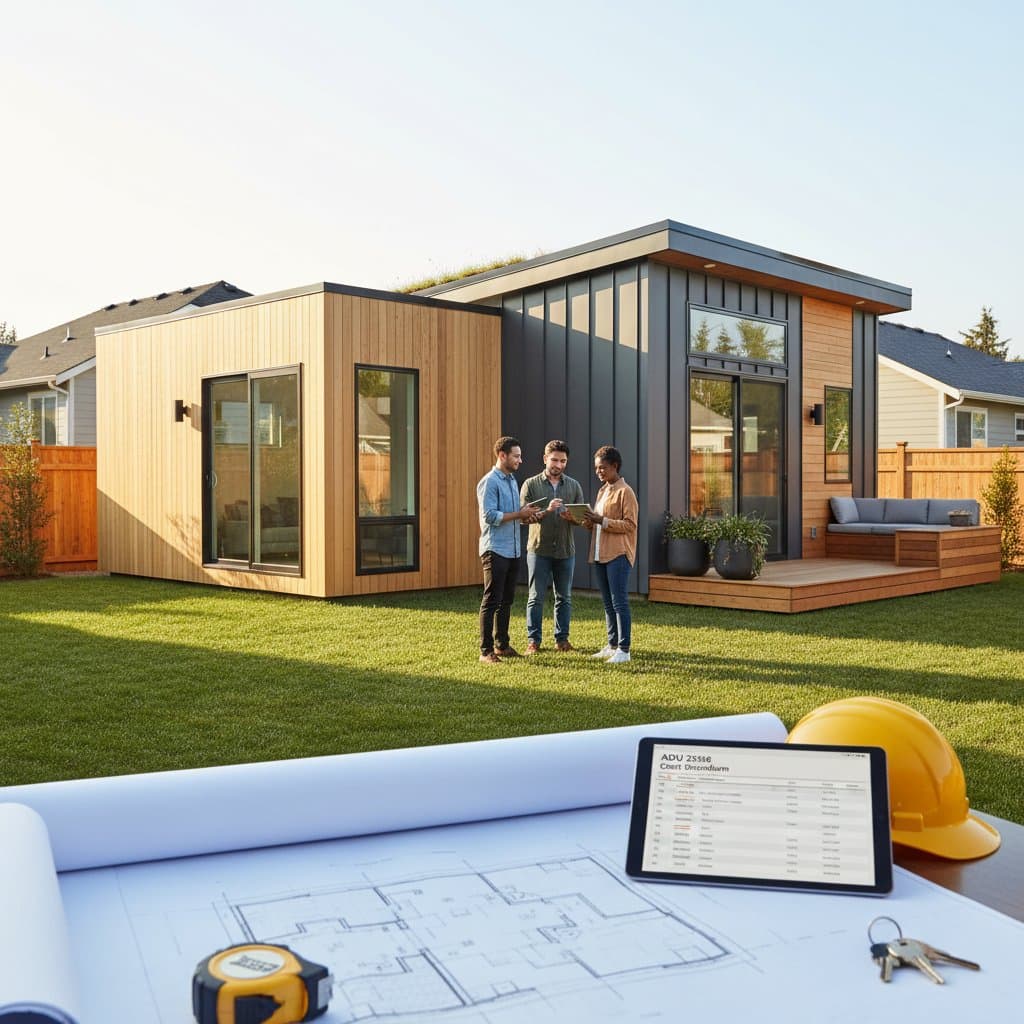
Uncover the real expenses of constructing a granny flat in 2026, ranging from $100,000 for prefab models to $350,000 for custom designs. This guide covers essential budgeting techniques, zoning regulations, and decisions between DIY efforts and professional services. Gain insights into advantages, drawbacks, and practical planning advice to develop a compliant, valuable addition to your property.
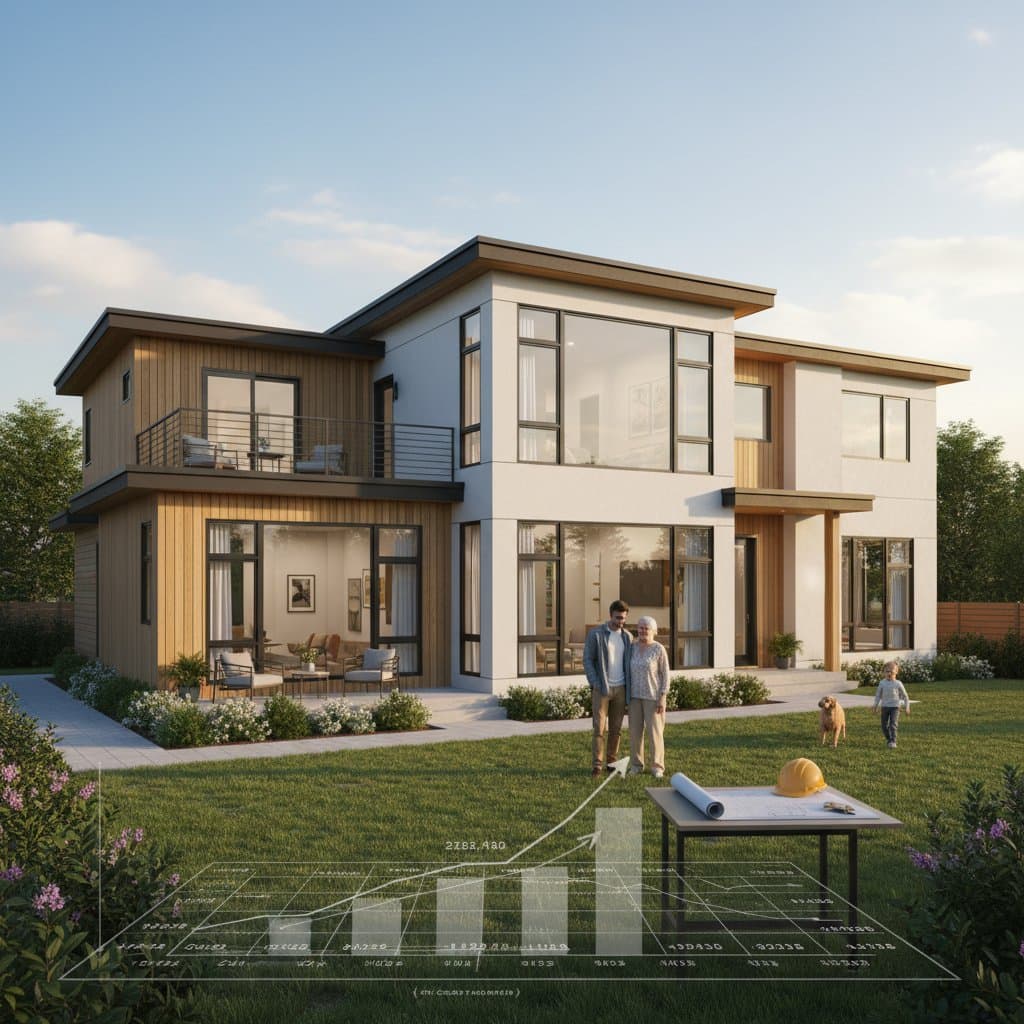
Building a multigenerational addition in 2026 costs $120,000–$320,000, depending on size, materials, and site complexity. Professional builds boost property value up to 30 percent, while smart timing and planning can cut expenses. Explore detailed cost tiers, DIY comparisons, and strategies to maximize comfort, equity, and long-term family flexibility.