AMS Home Guides Logo
Home
Remodeling Cost ComparisonsAbout
AMS Home Guides Logo

Your comprehensive resource for home guides, cost guides, and home warranty information.

HomeAboutAll ArticlesSearchPrivacyTerms

© 2026 AMS Home Guides. All rights reserved.

  1. Home
  2. /
  3. Home Guides
  4. /
  5. Greywater Systems Cut Water Bills While Helping Planet
Home Guides

Greywater Systems Cut Water Bills While Helping Planet

byLeah Rodriguez
2026-07-16 05:19:46July 16, 2026
4 min read
Featured image for Greywater Systems Cut Water Bills While Helping Planet
2026-07-16 05:19:46
AMS - Home Guides, Cost Guides, Home Warranty

Sustainable Homes Start with Greywater Recycling Upgrades

Sustainability begins with how a home manages its most essential resource. Water efficiency is becoming a practical necessity for homeowners who want to reduce costs and lessen environmental strain. Greywater recycling upgrades provide a structured path toward that goal.

By reusing lightly used water from sinks, showers, and washing machines, these systems help limit waste while maintaining comfort and convenience. Homeowners gain both immediate savings and long term resilience when they integrate such upgrades thoughtfully.

Defining Greywater and Its Role in Home Systems

Greywater refers to wastewater that does not contain sewage. It is distinct from blackwater, which comes from toilets and kitchen disposals. The greywater category includes water from bathroom sinks, bathtubs, and laundry machines.

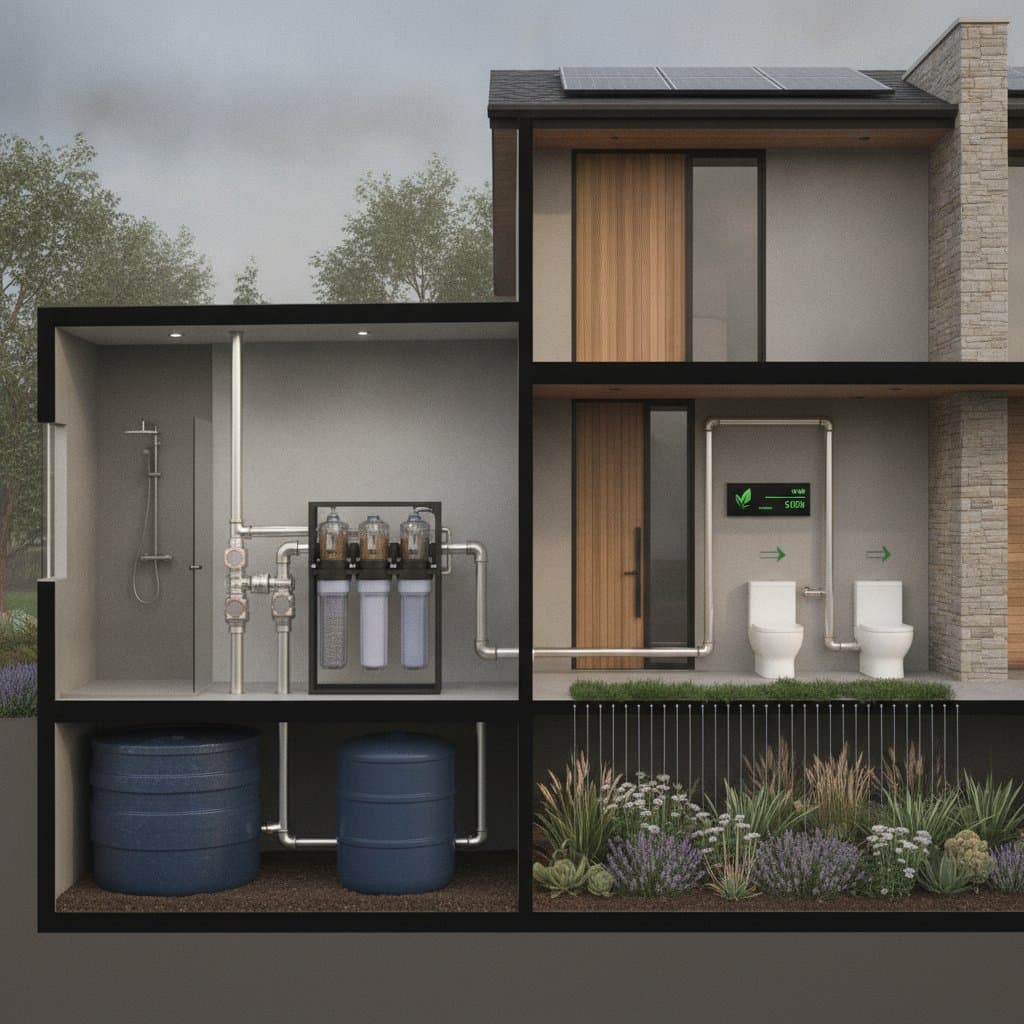
When properly filtered and disinfected, this water can be reused for landscape irrigation, toilet flushing, or subsurface drip systems. A greywater system collects, treats, and redistributes this water through an integrated network of tanks, valves, and filtration devices.

The design can be as simple as a manual diversion system or as intricate as a fully automated unit with multiple treatment stages. Proper sizing matches household water volume to avoid overflow or underutilization.

Cost Structure and Financial Considerations

Homeowners evaluating greywater upgrades must consider both initial installation and ongoing maintenance. Base pricing generally depends on system complexity. A small scale manual system may cost a few hundred dollars in parts, while an automated filtration system with storage tanks can reach several thousand.

Beyond installation, recurring expenses include filter replacements, pump maintenance, and periodic inspections. Energy costs for running pumps and controls should also be factored in. Over time, water bill savings can offset these costs, but payback periods vary widely depending on local rates and usage volume.

To evaluate long term value, homeowners should calculate the total cost of ownership. This includes annual maintenance, replacement components, and any required permits or inspections. Some regions offer rebates or tax incentives for water conservation systems, which can shorten the break even point.

Process Walkthrough from Installation to Operation

  1. Assessment and Design: A qualified professional evaluates plumbing layouts and determines appropriate collection points. The assessment includes checking pipe slopes, fixture locations, and soil absorption capacity.
  2. System Selection: Based on household size and water volume, the homeowner chooses between a direct diversion or a filtered storage system.
  3. Installation: Licensed plumbers modify existing drainage lines to divert greywater into the treatment system. Tanks and filters are installed, and irrigation or reuse lines are connected.
  4. Testing and Inspection: The system undergoes pressure testing and performance checks to ensure proper filtration and distribution.
  5. Ongoing Maintenance: Filters are cleaned or replaced regularly, and valves are inspected for leaks or blockages.

This step by step process emphasizes compliance with local regulations and public health standards. Proper design ensures that recycled water never contaminates the potable supply.

Coverage Limitations and Potential Drawbacks

Greywater systems are not suitable for every property. Homes with limited yard space, clay soil, or complex plumbing arrangements may face installation challenges. Systems that include storage tanks require regular cleaning to prevent bacterial buildup.

Certain household products can also affect system performance. Detergents with heavy salts, bleach, or synthetic fragrances can damage plants or clog filters. Homeowners must use biodegradable soaps and low sodium detergents to maintain system efficiency.

In some jurisdictions, regulations restrict greywater use during certain conditions such as high groundwater levels. Homeowners should verify compliance requirements before investing in equipment.

Financial and Environmental Implications

Greywater recycling can reduce potable water consumption by nearly half in some homes, depending on usage habits. This translates into lower utility bills and reduced strain on municipal systems. Over time, these savings support both household budgets and community water resources.

From a financial perspective, the most resilient systems are those integrated into broader sustainability plans. Pairing greywater reuse with efficient irrigation, low flow fixtures, and rainwater harvesting multiplies return on investment. The combined system reduces dependency on external supply and stabilizes monthly expenses.

Protecting Your Investment

When selecting a provider, homeowners should vet licensing credentials, verify installation experience, and request documentation of previous projects. Contracts should clearly define equipment warranties, performance expectations, and maintenance responsibilities.

Reading the fine print is essential. Some service providers exclude filter replacement or pump repair from standard warranties. Others may limit liability to equipment costs, excluding labor or water damage. These details determine whether a system remains affordable over time or becomes a source of unexpected expense.

Selecting the Right System for Your Home

Greywater recycling upgrades transform sustainability from a vague ideal into measurable household practice. They demand planning, financial scrutiny, and disciplined maintenance, but the rewards are tangible. By examining contracts carefully, budgeting realistically, and committing to routine upkeep, homeowners can secure both environmental benefits and long term savings.
You may also like

Image for Home Warranty Mold Claims Rarely Pay Without This

Home Warranty Mold Claims Rarely Pay Without This

July 15, 2026
Image for Soundproof Your Home Office for Under $500

Soundproof Your Home Office for Under $500

July 13, 2026
Image for Standby Generators Cost $7K–$20K Installed in 2026

Standby Generators Cost $7K–$20K Installed in 2026

July 13, 2026

Tagged:

home,sustainable,upgrades,greywater,conservation,water,systems,greywater recycling,recycling,water-conservation-systems

Recent Articles by Leah Rodriguez

Image for Solar Roof vs Panels: Contract Details Matter Most

Solar Roof vs Panels: Contract Details Matter Most

July 16, 2026
Image for Multi-Gen Renovations: Real Costs and Expected ROI

Multi-Gen Renovations: Real Costs and Expected ROI

July 13, 2026
Image for Breaking Down 2026 ADU Costs for Multi-Gen Living

Breaking Down 2026 ADU Costs for Multi-Gen Living

July 11, 2026
Image for Greywater Systems: Real Costs and Payback Timeline

Greywater Systems: Real Costs and Payback Timeline

July 11, 2026

Related: home

Image for Home Warranty Mold Claims Rarely Pay Without This

Home Warranty Mold Claims Rarely Pay Without This

July 15, 2026
Image for Soundproof Your Home Office for Under $500

Soundproof Your Home Office for Under $500

July 13, 2026
Image for Standby Generators Cost $7K–$20K Installed in 2026

Standby Generators Cost $7K–$20K Installed in 2026

July 13, 2026
Image for HVAC Maintenance Cuts Costs Better Than Warranties

HVAC Maintenance Cuts Costs Better Than Warranties

July 11, 2026
Image for Greywater Systems Add 5-10% Value in Dry Markets

Greywater Systems Add 5-10% Value in Dry Markets

July 11, 2026

Home Guides

Privacy Zones That Keep Families Close But Not Too Close

Create a multigenerational home that supports every generation through thoughtful privacy zones, accessibility upgrades, and efficient planning. Follow clear steps to manage utilities, permits, and budgets while maintaining family connection.

July 15, 2026

Protect Your HVAC From Wind, Water, and Power Surges

Protect your HVAC system before hurricane season strikes. Learn how to secure, elevate, and shield critical components from flooding, wind, and power surges. This guide breaks down permanent and temporary solutions, cost factors, safety codes, and post-storm recovery steps to keep your system reliable, efficient, and storm-ready year after year.

July 14, 2026

Multi-Gen Renovations: Real Costs and Expected ROI

Multigenerational renovations balance family needs, accessibility, and financial planning. This guide details actual costs, financing choices, and methods to protect returns while managing contractors and avoiding common scope gaps.

July 13, 2026

Greywater Systems Add 5-10% Value in Dry Markets

Greywater recycling can raise home resale value by up to 10 percent while cutting irrigation costs. With installation ranging from 3500 to 12000 dollars, these systems offer fast payback in water-restricted regions. Learn cost factors, DIY versus professional steps, and smart savings strategies that make sustainable water reuse a high-ROI upgrade.

July 11, 2026

Greywater Systems: Real Costs and Payback Timeline

Greywater recycling offers homeowners measurable financial returns alongside sustainability benefits in 2026. This guide details costs, incentives, system options, and ROI considerations to support informed decisions on installation and long-term operation.

July 11, 2026

Greywater Permits: What Most Homeowners Get Wrong

Greywater recycling reuses water from sinks, showers, and laundry to irrigate landscapes and save resources. This guide covers permits, safe installation, filtration, and maintenance essentials. Learn when DIY works, when to hire a pro, and how proper planning prevents contamination while maximizing sustainability, efficiency, and compliance with local regulations.

July 10, 2026

Flood Proofing Cuts Damage Risk by 80 Percent

Flood proofing upgrades in 2026 cost $3,000 to $25,000, averaging $11,500. Professionally installed systems can cut damage by up to 80 percent, boost property value, and lower insurance premiums for long term climate resilience.

July 10, 2026

Solar Panels Add $18,500 to New Home Build Costs

Installing solar panels on new homes in 2026 adds roughly $14,000 to $24,000, averaging $18,500 for a 6-kilowatt system. Early planning during construction cuts labor costs and boosts resale value by up to 5%. Learn how system size, materials, and timing shape your investment, payback, and long-term energy savings.

July 9, 2026

Smart Flood Proofing Costs $8,500-$38,000 in 2026

Smart flood proofing blends sensors, automation, and structural upgrades. Costs range from $8,500 to $38,000. Most homeowners spend about $19,600 for systems that cut damage risk by up to 65 percent.

July 8, 2026

Materials That Cut Wildfire Insurance Premiums in 2026

Discover how wildfire resistant materials can cut insurance premiums up to 20 percent while safeguarding your home. Learn which products qualify, what they cost, and how to retrofit safely. From Class A roofing to ember proof vents, this 2026 guide explains smart upgrades, code requirements, and maintenance tips for fire prone properties.

July 8, 2026

Cut Household Water Use in Half with Greywater Systems

Install a legal greywater system to reuse water from sinks, showers, and laundry. Compare system types, review costs from 800 to 6000 dollars, follow permit steps, and achieve up to 50 percent lower household water use.

July 4, 2026

Balance Privacy and Togetherness in One Home

Multigenerational living succeeds when homes provide both private retreats and shared gathering spaces. This guide outlines zoning checks, soundproofing methods, utility planning, and safety measures to create functional layouts that support every generation.

July 3, 2026

Flood Resilience Upgrades That Protect Your Investment

Rising flood risks require targeted home protection. This guide details 2026 flood resilience upgrades from foundation sealing to utility elevation, along with cost ranges, practical steps, and maintenance guidance to protect property and speed recovery after storms.

July 1, 2026

ADU Garage Conversions Cost $90K–$180K in 2026

Transforming a garage into an ADU creates flexible multigenerational living space without expanding the home footprint. Expect costs from $90,000 to $180,000, timelines of 12 to 20 weeks, and strict code compliance. Smart design and professional guidance add lasting comfort and value.

June 30, 2026

Multigenerational Home Conversions Cost $60K-$250K in 2026

Multigenerational home conversions cost $60,000 to $250,000, with most projects averaging $145,000. Discover how scope, materials, and location affect pricing while strategic planning improves comfort and long-term returns.

June 30, 2026

Multigenerational Homes Cost $150K-$450K to Build

Multigenerational homes cost $150,000 to $450,000 to build or convert. Explore detailed pricing, material options, and planning steps that support family living and long-term value.

June 29, 2026

Multigenerational Renovations Cost $80K-$250K in 2024

Multigenerational renovations balance comfort, privacy, and future adaptability, typically costing $80,000 to $250,000. Smart layouts, material choices, and professional planning can boost property value substantially. Learn how size, design complexity, and finish tiers shape budgets along with cost saving strategies that maximize return on investment and long term livability.

June 28, 2026

Flood Proofing Cuts Damage Risk 80% for $22,500

Flood proofing upgrades in 2026 cost 5000 to 48000 dollars and deliver strong protection, insurance savings, and higher property value. Costs depend on home size, materials, and location. Professional installation ensures compliance and durability.

June 26, 2026

Home Battery Backup Beats Generators in 2026

Home battery backup systems offer quiet, fuel free power during outages and can pair with solar for savings. Expect costs between $8,000 and $18,000 installed. Lithium batteries, professional setup, and annual maintenance ensure reliability. Ideal for frequent outages, these systems deliver energy security, lower bills, and long term peace of mind.

June 25, 2026

Flood-Resistant Flooring Cuts Repair Costs 70%

Discover how flood-resistant flooring can safeguard your home and budget. This guide breaks down material options, installation costs, DIY versus professional value, and cost-saving strategies. Learn why investing $4 to $14 per square foot today can cut future flood repair expenses by up to 70 percent while boosting property value.

June 25, 2026

Categories

Appliance & System Coverage
Cost Guides
Home Guides
Home Warranty Basics
Outdoor & Exterior Guides
Remodeling Cost Comparisons
Room-by-Room Guides