AMS Home Guides Logo
Home
Remodeling Cost ComparisonsAbout
AMS Home Guides Logo

Your comprehensive resource for home guides, cost guides, and home warranty information.

HomeAboutAll ArticlesSearchPrivacyTerms

© 2026 AMS Home Guides. All rights reserved.

  1. Home
  2. /
  3. Home Guides
  4. /
  5. Greywater Systems Add 5-10% Value in Dry Markets
Home Guides

Greywater Systems Add 5-10% Value in Dry Markets

byNicole Stambaugh
2026-07-11 04:28:26July 11, 2026
8 min read
Featured image for Greywater Systems Add 5-10% Value in Dry Markets
2026-07-11 04:28:26
AMS - Home Guides, Cost Guides, Home Warranty

Greywater Recycling Delivers Strong Home Value ROI

Summary Box

National average cost: 6800 dollars
Typical range: 3500 to 12000 dollars
Low end and high end: 2000 dollars DIY to 20000 dollars for whole house systems
Time to complete: 2 to 5 days of installation plus inspection wait time
DIY or Pro: Partial DIY possible, licensed plumber required for tie-ins
ROI or resale impact: 5 to 10 percent higher resale in water-restricted regions, faster payback with irrigation savings
Updated: April

Cost Breakdown

Item Unit cost Typical quantity Line total Notes
Greywater collection tank (poly or fiberglass) 600 to 1200 dollars each 1 600 to 1200 dollars Size from 50 to 250 gallons
Diverter valves and fittings 150 to 300 dollars 1 set 150 to 300 dollars Directs flow from showers or laundry
Pump and filter assembly 500 to 1000 dollars 1 500 to 1000 dollars Required for pressurized irrigation
Irrigation distribution lines 0.50 to 1.50 dollars per foot 100 to 300 feet 50 to 450 dollars PVC or polyethylene tubing
Labor for plumbing tie-in 75 to 125 dollars per hour 10 to 20 hours 750 to 2500 dollars Licensed plumber required
Electrical connection 150 to 400 dollars 1 150 to 400 dollars For pump power supply
Permit and inspection fees 100 to 500 dollars 1 100 to 500 dollars Required in most areas
Disposal or trenching work 200 to 700 dollars 1 200 to 700 dollars Soil and landscaping repair

Total typical cost: 3500 to 12000 dollars

Add-ons and Allowances

  • Smart controller or moisture sensor: 250 to 800 dollars
  • Filtration upgrade for toilet reuse: 1000 to 2500 dollars
  • Above-ground tank enclosure or shed: 300 to 1000 dollars
  • Seasonal maintenance contract: 150 to 300 dollars per visit

Permits and Disposal Fees

Most municipalities require a plumbing permit for greywater diversion, an inspection for cross-connection safety, and an irrigation backflow check. Excavation debris and old fittings often add 100 to 300 dollars in disposal costs.

Cost Factors

Scope and Size

A single laundry-to-landscape system costs far less than a full bathroom-laundry integration. Each added fixture increases pipe runs and fittings. Larger tanks raise both material and labor totals.

Material Grade and Finish

Higher end pumps with stainless housings last longer but cost twice as much as plastic options. Fiberglass tanks resist UV exposure better than polyethylene, which matters in hot climates.

Site Conditions and Accessibility

Concrete slabs, tight crawl spaces, and steep yards slow installation. Working under finished tile or concrete driveways adds demolition and patching charges.

Labor Market and Season

Plumbers and irrigation contractors charge more during peak building months. Project timing during dry seasons can reduce delays tied to soil excavation.

Custom Work and Change Orders

Integrating greywater reuse with smart irrigation or rainwater harvesting requires extra wiring, sensors, and programming. Late design changes to connect additional bathrooms can add several hundred dollars in fittings and labor.

DIY vs Pro

What a Capable DIYer Can Do

A skilled homeowner can dig irrigation trenches, set the tank pad, run surface distribution lines, and install above-ground valves. Prefabricated greywater kits simplify assembly of filters and controls. Always follow the manufacturer layout and slope requirements.

Tasks That Require Licensing or Specialty Tools

Any tie-in to household plumbing must be handled by a licensed plumber. Cutting into drain lines, adding diverter valves, and installing backflow prevention demand code knowledge and inspection. Electrical connections for pumps need a certified electrician.

Safety Risks and Code Issues

Improper installation can cross-connect greywater with potable supply, creating contamination risk. Electrical shock, trench collapse, and leaks inside walls are the leading hazards. Never connect kitchen sink or dishwasher water into a greywater line, since food waste carries bacteria that violate residential greywater codes.

Warranty Impacts

Most pump and control manufacturers void warranties if systems are not installed by licensed professionals. Document contractor credentials and permit numbers to preserve coverage.

How To Save Without Regret

Practical Substitutions

  • Use a mid-range polyethylene tank instead of fiberglass when it will be shaded.
  • Choose manual diverter valves instead of automated ones if you will operate them seasonally.
  • Direct laundry water to landscape beds through gravity feed when elevation allows.

Sequence and Prep That Reduce Labor Hours

Pre-plan the trench path before the plumber arrives. Mark irrigation zones and confirm slope to avoid rework. If replacing landscaping, schedule both projects together to save on soil hauling and surface restoration.

Off Season Timing or Batch Projects

Schedule installation during late winter or early spring before irrigation demand peaks. Combining greywater work with a bathroom remodel or laundry relocation cuts demolition overlap.

Compare at Least Three Quotes and What to Ask

Ask every contractor whether the system is gravity-fed or pumped, whether backflow preventers and filters are included, who handles permits and inspections, what maintenance is required yearly, and what warranty covers pumps and tanks. Use a quote comparison checklist to confirm scope clarity before signing.

Step By Step or Hiring Guide

Contractor Vetting Checklist

  • Confirm state plumbing license and liability insurance
  • Ask for references from at least two recent installations
  • Review system diagrams and flow calculations before signing
  • Check that the design meets local greywater code limits
  • Require written warranty for parts and labor

Scope Notes and Payment Schedule Basics

Expect a deposit of 10 to 20 percent to secure materials. Pay the next portion when rough plumbing and trenching are complete. Reserve final payment until inspection passes and the system runs correctly.

Step By Step Overview for Gravity Systems

Safety first: Shut off water supply, wear gloves and eye protection, and call before digging to mark utilities.

  1. Plan the layout. Identify which fixtures produce greywater such as showers, tubs, and laundry. Exclude kitchen and toilet drains.
  2. Install diverter valve. A plumber cuts into the drain line and adds a valve that splits flow between the sewer and the greywater line.
  3. Place collection tank. Set the tank on a level pad near the irrigation zone. Leave space for maintenance access.
  4. Run outlet lines. Connect discharge pipe to the irrigation manifold or drip lines. Maintain gentle downhill slope for gravity flow.
  5. Add filtration. Insert a mesh or sand filter between the tank and outlets to prevent clogging.
  6. Test system. Fill with water and check for leaks. Adjust valves to confirm flow direction.
  7. Backfill trenches. Cover lines with soil and restore landscaping.
  8. Call for inspection. The inspector checks cross-connection safety and discharge limits.

Tool List

Required tools include shovel, PVC cutter, pipe wrenches, drill, level, and tape measure. Optional helpers include trenching machine and pipe glue applicator. Safety gear covers gloves, goggles, rubber boots, and dust mask for excavation.

Timeline and Scheduling

Lead times for materials run one week for tanks and pumps, though custom filtration units can take two to three weeks. Typical crew days on site cover one day for plumbing tie-in, one to two days for trenching and irrigation line setup, and one day for testing and inspection. Rough plumbing inspection occurs before backfill, and a final check confirms system isolation and labeling.

Maintenance and Lifespan

Care Routines

Flush filters monthly during heavy use. Clean screens and inspect valves for buildup. Drain tanks before freezing weather if located above grade.

Common Failures and Early Warnings

Clogged emitters and pump strainers signal neglected filtration. Slow flow from outlets or odor near tanks suggests biological growth or poor aeration. Replace filter media every two to three years depending on use.

When to Repair vs Replace

If a pump motor fails but the tank and piping remain intact, repair is usually cost-effective. Replace entire systems only when tanks crack or plumbing layout changes during major remodels.

Regional Notes

Greywater systems deliver the best financial return in dry or drought-prone regions where irrigation water is expensive or restricted. In humid climates with abundant rainfall, ROI depends more on sustainability goals than direct utility savings. Local rebates or conservation incentives can offset 10 to 30 percent of installation cost, improving payback periods.

Homes in arid western or southern zones often see irrigation savings that recover installation cost within five to seven years. In cooler northern markets, savings build slowly but still enhance resale appeal among eco-conscious buyers.

Making It Happen

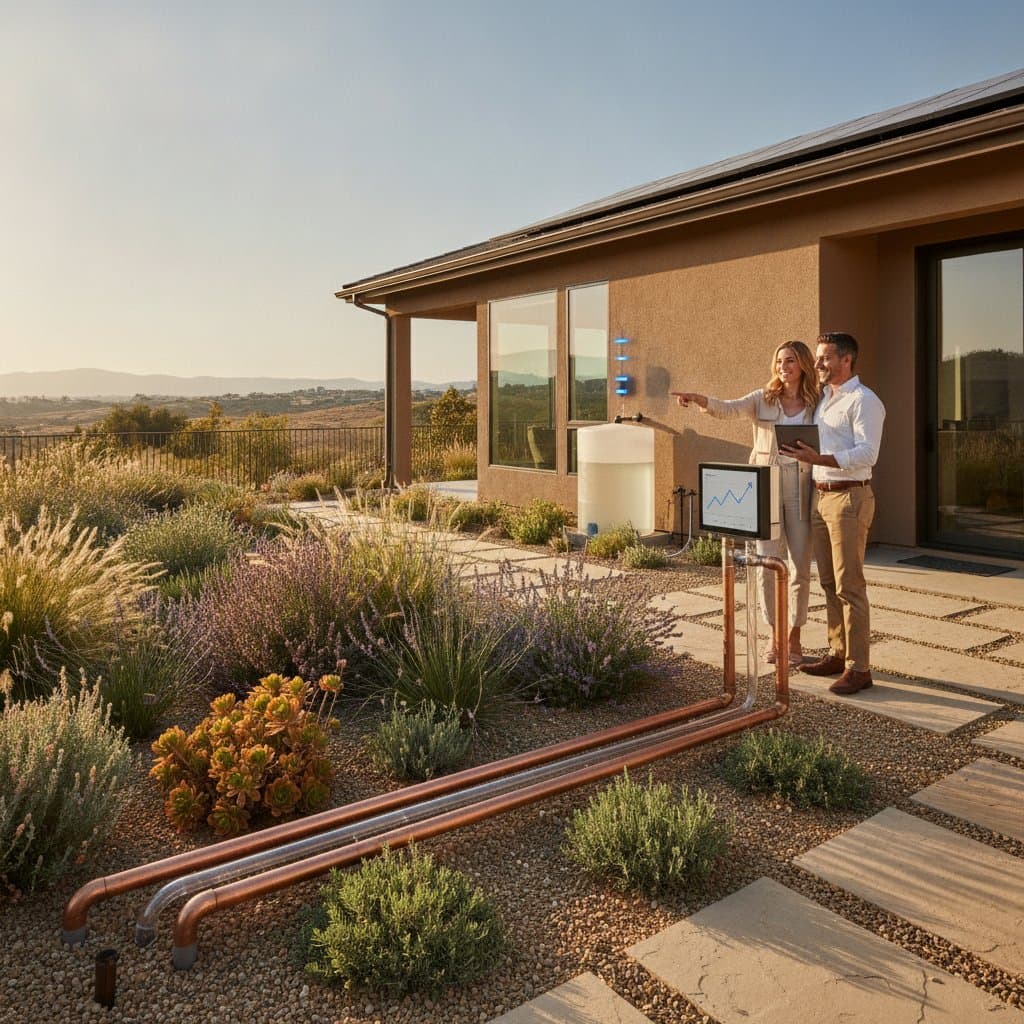
Greywater recycling upgrades a home self-sufficiency without major lifestyle change. When designed properly, the system runs quietly and automatically, feeding landscape plants with water that would otherwise go down the drain.
You may also like

Image for Greywater Systems: Real Costs and Payback Timeline

Greywater Systems: Real Costs and Payback Timeline

July 11, 2026
Image for Flood Proofing Costs: $10K to $65K for Climate Defense

Flood Proofing Costs: $10K to $65K for Climate Defense

July 10, 2026
Image for Greywater Permits: What Most Homeowners Get Wrong

Greywater Permits: What Most Homeowners Get Wrong

July 10, 2026

Tagged:

home,sustainable,upgrades,greywater,greywater systems,water,water recycling,systems,recycling,sustainable-home-upgrades

Recent Articles by Nicole Stambaugh

Image for Flood Proofing Costs: $10K to $65K for Climate Defense

Flood Proofing Costs: $10K to $65K for Climate Defense

July 10, 2026
Image for Flood-Proofing Your Home Costs $48K in 2026

Flood-Proofing Your Home Costs $48K in 2026

July 10, 2026
Image for Solar Panels Add $18,500 to New Home Build Costs

Solar Panels Add $18,500 to New Home Build Costs

July 9, 2026
Image for 2026 Granny Pod Costs Average $145K Installed

2026 Granny Pod Costs Average $145K Installed

July 6, 2026

Related: home

Image for Flood Proofing Costs: $10K to $65K for Climate Defense

Flood Proofing Costs: $10K to $65K for Climate Defense

July 10, 2026
Image for AI Monitoring Now Included in 2026 Home Warranties

AI Monitoring Now Included in 2026 Home Warranties

July 10, 2026
Image for Flood Proofing Cuts Damage Risk by 80 Percent

Flood Proofing Cuts Damage Risk by 80 Percent

July 10, 2026
Image for Flood-Proofing Your Home Costs $48K in 2026

Flood-Proofing Your Home Costs $48K in 2026

July 10, 2026
Image for Mold Coverage Limits: What Home Warranties Actually Pay

Mold Coverage Limits: What Home Warranties Actually Pay

July 9, 2026

Home Guides

Greywater Permits: What Most Homeowners Get Wrong

Greywater recycling reuses water from sinks, showers, and laundry to irrigate landscapes and save resources. This guide covers permits, safe installation, filtration, and maintenance essentials. Learn when DIY works, when to hire a pro, and how proper planning prevents contamination while maximizing sustainability, efficiency, and compliance with local regulations.

July 10, 2026

Flood Proofing Cuts Damage Risk by 80 Percent

Flood proofing upgrades in 2026 cost $3,000 to $25,000, averaging $11,500. Professionally installed systems can cut damage by up to 80 percent, boost property value, and lower insurance premiums for long term climate resilience.

July 10, 2026

Solar Panels Add $18,500 to New Home Build Costs

Installing solar panels on new homes in 2026 adds roughly $14,000 to $24,000, averaging $18,500 for a 6-kilowatt system. Early planning during construction cuts labor costs and boosts resale value by up to 5%. Learn how system size, materials, and timing shape your investment, payback, and long-term energy savings.

July 9, 2026

Smart Flood Proofing Costs $8,500-$38,000 in 2026

Smart flood proofing blends sensors, automation, and structural upgrades. Costs range from $8,500 to $38,000. Most homeowners spend about $19,600 for systems that cut damage risk by up to 65 percent.

July 8, 2026

Materials That Cut Wildfire Insurance Premiums in 2026

Discover how wildfire resistant materials can cut insurance premiums up to 20 percent while safeguarding your home. Learn which products qualify, what they cost, and how to retrofit safely. From Class A roofing to ember proof vents, this 2026 guide explains smart upgrades, code requirements, and maintenance tips for fire prone properties.

July 8, 2026

Cut Household Water Use in Half with Greywater Systems

Install a legal greywater system to reuse water from sinks, showers, and laundry. Compare system types, review costs from 800 to 6000 dollars, follow permit steps, and achieve up to 50 percent lower household water use.

July 4, 2026

Balance Privacy and Togetherness in One Home

Multigenerational living succeeds when homes provide both private retreats and shared gathering spaces. This guide outlines zoning checks, soundproofing methods, utility planning, and safety measures to create functional layouts that support every generation.

July 3, 2026

Flood Resilience Upgrades That Protect Your Investment

Rising flood risks require targeted home protection. This guide details 2026 flood resilience upgrades from foundation sealing to utility elevation, along with cost ranges, practical steps, and maintenance guidance to protect property and speed recovery after storms.

July 1, 2026

ADU Garage Conversions Cost $90K–$180K in 2026

Transforming a garage into an ADU creates flexible multigenerational living space without expanding the home footprint. Expect costs from $90,000 to $180,000, timelines of 12 to 20 weeks, and strict code compliance. Smart design and professional guidance add lasting comfort and value.

June 30, 2026

Multigenerational Home Conversions Cost $60K-$250K in 2026

Multigenerational home conversions cost $60,000 to $250,000, with most projects averaging $145,000. Discover how scope, materials, and location affect pricing while strategic planning improves comfort and long-term returns.

June 30, 2026

Multigenerational Homes Cost $150K-$450K to Build

Multigenerational homes cost $150,000 to $450,000 to build or convert. Explore detailed pricing, material options, and planning steps that support family living and long-term value.

June 29, 2026

Multigenerational Renovations Cost $80K-$250K in 2024

Multigenerational renovations balance comfort, privacy, and future adaptability, typically costing $80,000 to $250,000. Smart layouts, material choices, and professional planning can boost property value substantially. Learn how size, design complexity, and finish tiers shape budgets along with cost saving strategies that maximize return on investment and long term livability.

June 28, 2026

Flood Proofing Cuts Damage Risk 80% for $22,500

Flood proofing upgrades in 2026 cost 5000 to 48000 dollars and deliver strong protection, insurance savings, and higher property value. Costs depend on home size, materials, and location. Professional installation ensures compliance and durability.

June 26, 2026

Home Battery Backup Beats Generators in 2026

Home battery backup systems offer quiet, fuel free power during outages and can pair with solar for savings. Expect costs between $8,000 and $18,000 installed. Lithium batteries, professional setup, and annual maintenance ensure reliability. Ideal for frequent outages, these systems deliver energy security, lower bills, and long term peace of mind.

June 25, 2026

Flood-Resistant Flooring Cuts Repair Costs 70%

Discover how flood-resistant flooring can safeguard your home and budget. This guide breaks down material options, installation costs, DIY versus professional value, and cost-saving strategies. Learn why investing $4 to $14 per square foot today can cut future flood repair expenses by up to 70 percent while boosting property value.

June 25, 2026

Garage ADU Conversion Runs $80K to $175K in 2026

Transforming a garage into an ADU in 2026 costs $80,000 to $175,000 on average, with permits, design, and skilled labor driving expenses. Learn how size, materials, and site conditions affect pricing, what permits you will need, and smart ways to save without cutting corners plus expert tips for hiring, scheduling, and maximizing ROI.

June 25, 2026

Flood-Proofing Your Home: $3K to $25K in 2026

Strengthen your home against rising water with targeted 2026 upgrades. Review sump pumps, French drains, grading, and waterproofing options along with cost ranges, DIY tasks, and professional requirements. Balance protection, budget, and long term value through careful planning and maintenance.

June 24, 2026

Greywater Systems Cut Home Water Use by 40 Percent

Greywater systems capture water from sinks, showers, and laundry for garden irrigation and toilet flushing. This guide covers system options, costs, installation, safety requirements, and upkeep to help homeowners lower consumption while meeting local codes.

June 22, 2026

Greywater Systems Cut Indoor Water Use by Half

Greywater systems capture water from everyday household sources and redirect it for irrigation or toilet flushing, delivering substantial reductions in water bills and resource consumption when properly planned and maintained.

June 22, 2026

Home Battery Backup: $10K-$20K Investment Guide 2026

Home battery backups maintain power during outages and may reduce electricity expenses. Their typical price range of 10000 to 20000 dollars requires careful assessment. This guide covers operation, pricing influences, and professional installation requirements to support informed decisions.

June 21, 2026

Categories

Appliance & System Coverage
Cost Guides
Home Guides
Home Warranty Basics
Outdoor & Exterior Guides
Remodeling Cost Comparisons
Room-by-Room Guides