Installation Costs for Solar Roofs
Homeowners planning solar installations in 2026 face a range of expenses that depend on system size and configuration. A typical 5 kilowatt setup costs between 30000 dollars and 45000 dollars before incentives. Larger 10 kilowatt systems range from 60000 dollars to 90000 dollars. Local labor rates, roof complexity, and electrical upgrades can shift final prices by up to 20 percent.
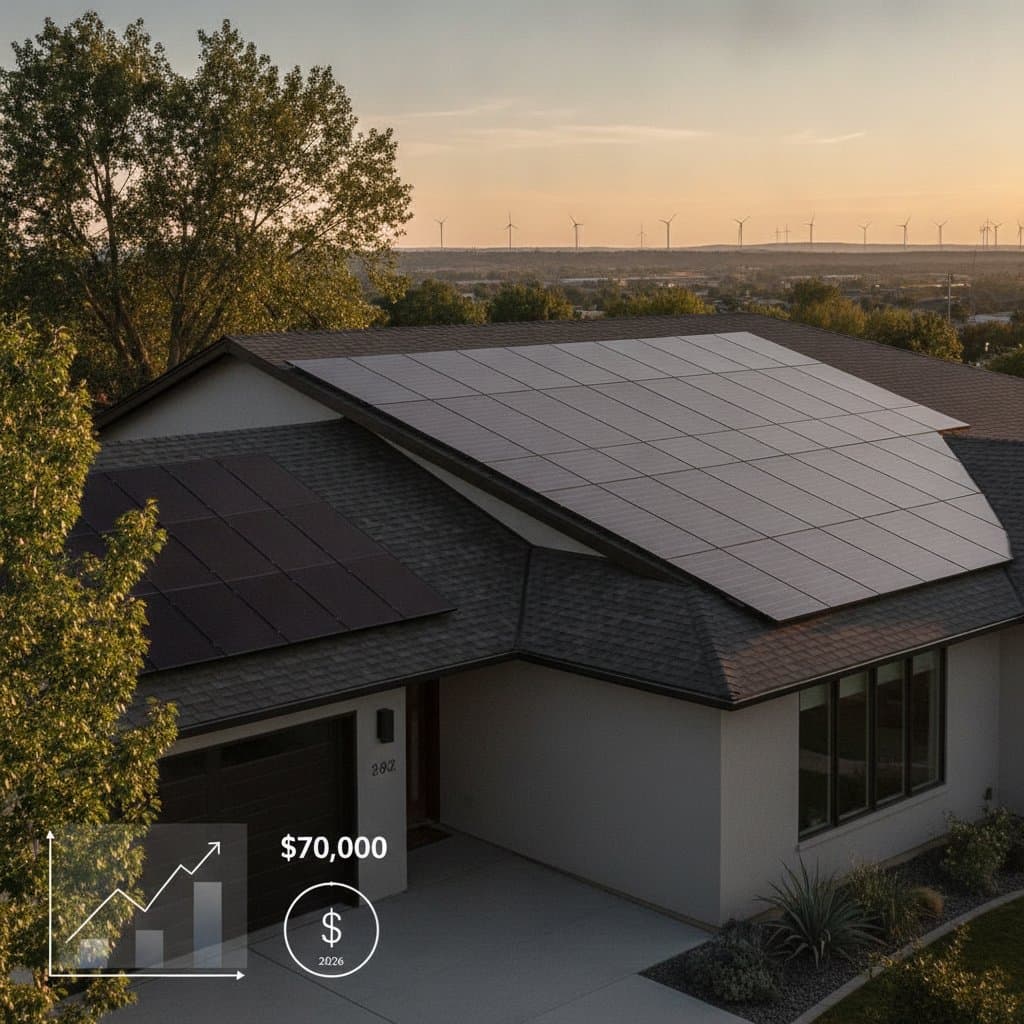
Federal and state incentives often reduce net costs to between 15000 dollars and 70000 dollars. These figures account for common rebates and tax credits that apply to most residential projects.
Factors That Influence Pricing
Several site specific elements determine the final investment.
- Roof pitch and structural condition affect labor needs and bracket requirements on steep or multi plane designs.
- Roofing material plays a role, as asphalt shingles allow faster work while tile, slate, or metal surfaces require additional flashing and sealing time.
- Home access and height increase equipment setup duration for two story properties.
- Electrical panel capacity may require upgrades to safely manage backfeed from the array.
- Permitting and inspection fees charged by local departments typically fall between 200 dollars and 1000 dollars.
- Inverter selection matters because microinverters raise upfront costs yet improve output on partially shaded roofs.
- Battery storage adds between 8000 dollars and 15000 dollars depending on chosen capacity.
Available Incentives and Rebates
Federal tax credits combined with state programs can lower total expenses by 20 to 40 percent. Utility rebates and property tax exemptions further shorten the time required to recover the initial outlay. Homeowners should verify current eligibility rules with local authorities before signing contracts.
Professional Installation Compared With DIY Options
Solar work combines electrical and structural tasks that demand proper licensing. Small off grid kits under 2 kilowatts or cabin setups may suit experienced homeowners. Grid tied systems, roof penetrations, and service panel connections require licensed professionals to maintain code compliance and warranty protection.
Intermediate skill levels suffice for limited off grid projects, yet fall hazards and shock risks remain. Proper fall protection, suitable footwear, and insulated tools reduce dangers during any hands on work.
Ongoing Maintenance and Expected Lifespan
Solar arrays require only periodic attention to reach full service life.
- Perform visual inspections every six months to identify dirt accumulation, glass damage, or wiring issues.
- Clean panels with a hose and soft brush when dust or pollen builds up, and avoid high pressure equipment.
- Monitor inverter displays to confirm normal power production levels.
- Clear leaves and snow that create shade over active cells.
Quality panels operate for 25 to 30 years with limited output decline. Inverters typically need replacement after 10 to 15 years. Mounting hardware and flashings last as long as the roof when installed correctly.
Manufacturers provide 25 year performance warranties that guarantee at least 80 percent output at year 25. Labor coverage from reputable installers usually spans 5 to 10 years.
Financial Returns Over Time
Payback occurs through reduced utility bills and varies with household consumption and local rates. Rack mounted systems recover costs in 7 to 12 years while integrated roofs require 12 to 18 years. Annual savings average between 800 dollars and 2000 dollars. Properties equipped with solar sell faster and command 3 to 5 percent higher prices according to multiple market studies.
Long term residents gain the greatest advantage from these upgrades compared with other home improvements.
Answers to Frequent Questions
A 5 kilowatt array needs 300 to 400 square feet of unobstructed south facing roof area. Integrated tiles require slightly more space due to cell spacing.
Shaded roofs produce less energy, yet microinverters or power optimizers allow individual panels to operate independently and limit losses.
Grid tied systems disconnect during outages for safety. Battery storage or hybrid inverters supply backup power when needed.
Correct installation by certified crews preserves roof warranties and supplies documentation for both roof and panel coverage.
Panels can be removed or upgraded later provided all roof penetrations receive proper resealing.
Next Steps for Homeowners
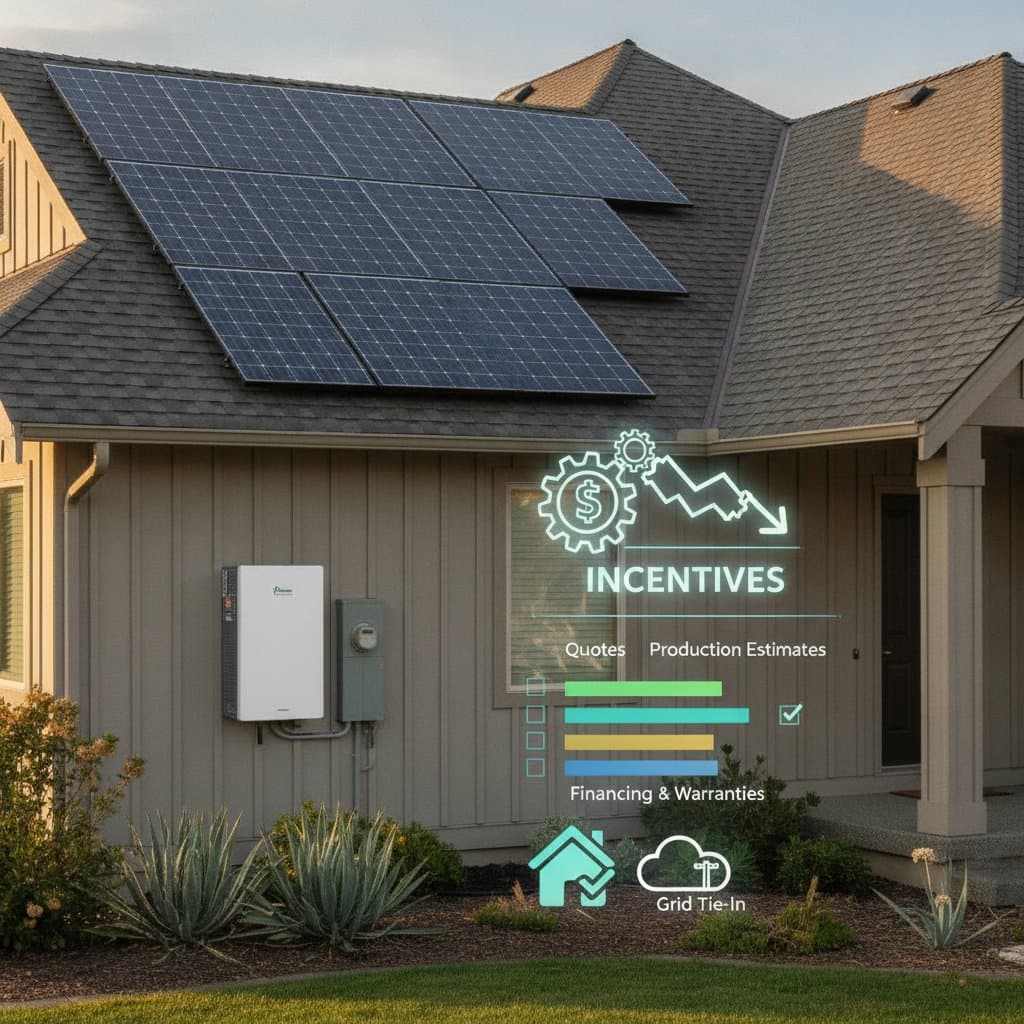
Owners of homes with adequate sun exposure and consistent electric use benefit from a solar evaluation. Begin by assessing roof condition and annual energy consumption. Obtain quotes from at least three licensed local companies and request clear details on system size, production estimates, and warranty terms.
Compare offers on a cost per watt basis and confirm incentive eligibility along with financing options. A qualified installer manages permits, inspections, and utility paperwork throughout the process.
After completion the system generates electricity daily with minimal intervention. Both rack mounted and integrated designs deliver measurable financial returns and environmental advantages when planned and executed with care.