Outdoor Kitchen Costs in 2026: What Is the Real ROI?
Outdoor kitchens define high-end backyard design. They raise questions about actual returns after installation, maintenance, and depreciation. A clear review of pricing, coverage, and performance supports better decisions.
Defining the Service and Scope
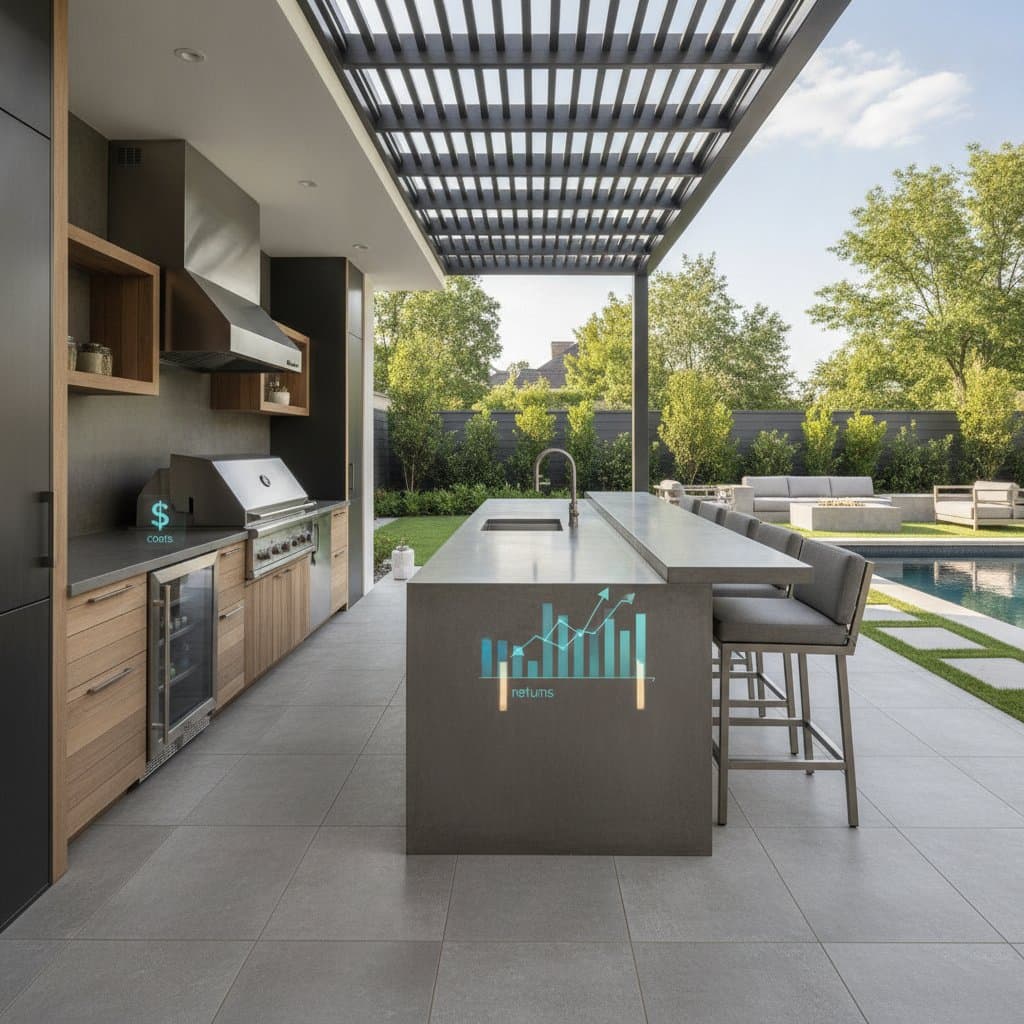
An outdoor kitchen includes a built-in grill, countertop workspace, sink, storage, and sometimes refrigeration or pizza ovens. Projects often require gas or electrical extensions, plumbing, and custom stonework. Contractors typically offer turnkey packages covering design, materials, and labor. Total costs vary with material choices, appliance quality, and whether the unit stands alone or connects to home utilities.
Cost Structure Analysis
Basic setups start near 8000 dollars using prefabricated modules and simple gas lines. Custom designs with stone finishes, stainless cabinetry, and premium appliances often exceed 40000 dollars. Labor represents 25 to 35 percent of the total. Electrical and plumbing extensions can add several thousand dollars based on distance from existing connections.
Typical cost breakdown:
- Base construction: 5000 to 12000 dollars
- Appliances and fixtures: 4000 to 15000 dollars
- Utilities and hookups: 2000 to 6000 dollars
- Design and permits: 1000 to 3000 dollars
- Maintenance and upkeep: 300 to 800 dollars annually
These figures reflect national averages. Regional labor rates and material supply can alter final amounts.
Process Walkthrough
- Initial consultation: Homeowners describe design goals, materials, and budget limits.
- Design and approval: Contractors provide renderings and detailed estimates.
- Site preparation: Utility lines extend and concrete pads form as needed.
- Installation: Cabinets, appliances, and surfaces assemble and connect.
- Inspection and testing: Contractors verify safety standards and function.
Projects usually span several weeks. Most installers require payments at set completion points.
Coverage Limitations and Service Risks
Weather exposure affects long-term durability. Warranties frequently exclude moisture, rust, or UV damage. Appliance coverage often limits to the original owner and demands routine maintenance. Masonry or concrete elements may lack protection against cracking or discoloration.
Common claim denials include:
- Absence of protective covers in off-seasons
- Use of improper cleaning products
- Unauthorized changes to gas or electrical lines
- Missed manufacturer maintenance schedules
Financial Implications and ROI
Real estate data indicate well-designed outdoor kitchens recover 50 to 70 percent of installation costs upon sale. This recovery assumes consistent upkeep and local demand for outdoor spaces. Owners should view the project as a lifestyle feature with gradual depreciation rather than assured profit.
Additional expenses arise from cabinet replacement, stone resealing, and appliance repairs. Over ten years, ownership costs can surpass the initial budget by 15 to 25 percent.
Decision Framework for Homeowners
A structured review includes these steps:
- Compare contractor bids against the same design details.
- Confirm utility capacity for added loads.
- Calculate full lifecycle expenses, including maintenance and replacements.
- Evaluate resale value through local market review.
- Examine warranty coverage for appliances and structure.
Modular designs suit tighter budgets. They support phased expansion and lower labor expenses.
Protecting Your Investment
Protective covers, yearly inspections, and moisture management prolong service life. Annual maintenance records aid warranty claims. Receipts and work photos strengthen resale discussions.
Strategic planning turns an outdoor kitchen into a controlled investment. Proper analysis, clear agreements, and regular care deliver both daily enjoyment and preserved value.