Home Warranty Mold Coverage: What Is Actually Covered in 2026
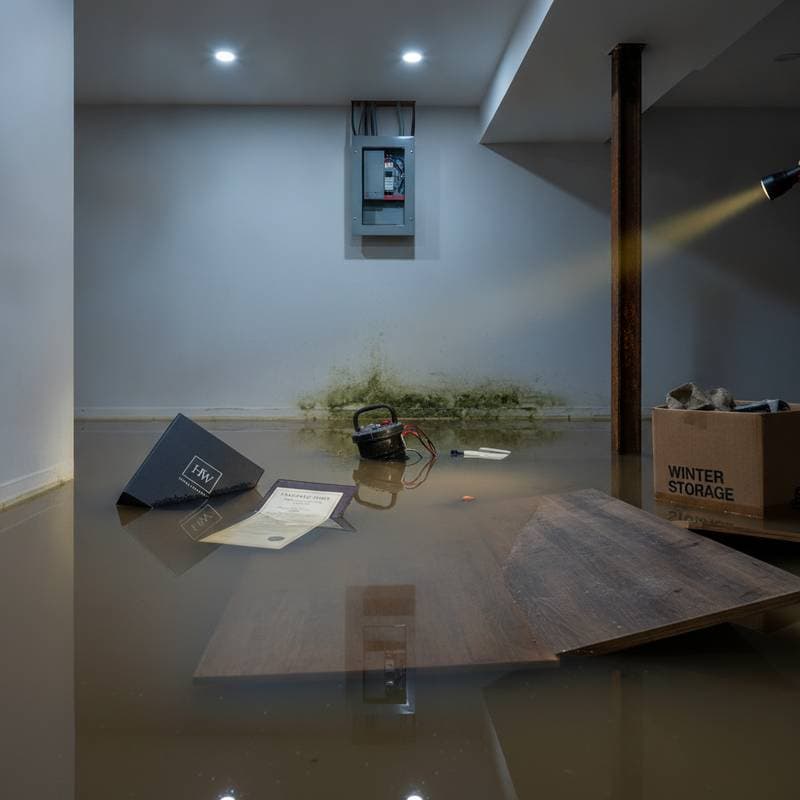
Homeowners often discover mold problems only after musty odors, water stains, or health symptoms appear. When that happens, the first question is whether a home warranty can help. Mold issues are expensive, and coverage rules are confusing. This guide breaks down what most home warranties cover, how mold claims work, and what to watch for in exclusions and fine print.
Cost Breakdown
| Item | Unit cost | Typical quantity | Line total | Notes |
|---|---|---|---|---|
| Inspection and testing | $300 - $700 per visit | 1 | $300 - $700 | Often required before warranty approval |
| Containment setup | $1.50 - $3.50 per sq. ft. | 100 sq. ft. | $150 - $350 | Plastic sheeting and negative air setup |
| Mold removal labor | $4 - $8 per sq. ft. | 200 sq. ft. | $800 - $1,600 | Includes cleaning, HEPA vacuuming, and disinfection |
| Material replacement | $2 - $10 per sq. ft. | 100 sq. ft. | $200 - $1,000 | Drywall, insulation, or flooring |
| Dehumidifier rental | $40 - $80 per day | 3 days | $120 - $240 | Used for drying and prevention |
| Disposal and containment waste | $100 - $300 flat | 1 | $100 - $300 | Sealed waste removal |
| Permit or inspection fee | $50 - $150 | 1 | $50 - $150 | Required in some cities |
Typical total costs range from $1,700 to $4,300. High complexity cases that involve structural damage can reach $7,000 to $10,000 or more.
What Home Warranty Mold Coverage Usually Includes
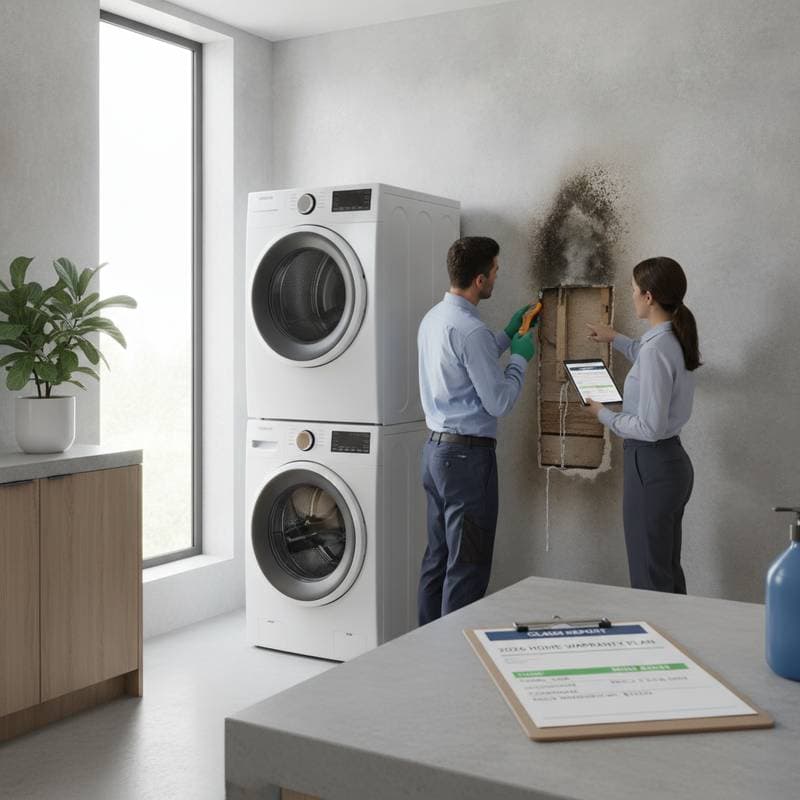
Home warranties cover home systems and appliances. Mold itself is rarely listed as a covered event. Instead, coverage may apply when mold results from a covered failure. For example, if a dishwasher leak occurs and the warranty covers that leak, the company may pay for cleanup of mold caused by that leak.
Typical covered scenarios include mold growth directly caused by a covered plumbing or appliance leak, mold removal limited to affected areas around the failed component, and reasonable cleanup and drying within a stated limit, often $500 to $1,500.
What is not covered includes mold from roof leaks, ground water, or poor ventilation. Pre-existing mold or visible mold before coverage began is excluded. Long-term leaks, condensation, or humidity problems also fall outside coverage. Structural repairs beyond the immediate leak area receive no support.
Some companies sell optional mold coverage add-ons, usually capped at $1,000 to $2,500 per claim. Always read the add-on terms before purchase.
How To Save Without Regret
Address moisture fast. Dry leaks within 24 to 48 hours to prevent mold growth that voids warranty claims. Bundle repairs when possible. If a plumber or appliance technician is already on site, request a moisture check to limit extra service calls.
Clarify coverage limits before a problem arises. Many warranties cap mold-related cleanup at $500 or less. Add optional coverage if the home is located in a humid region. Compare quotes carefully. Confirm that scope is itemized, materials and labor are separated, surface prep and cleanup are included, disposal fees are listed, and payment is tied to milestones.
Schedule work during dry months when possible. Mold remediation moves slower in those periods, which can reduce rates. Install leak sensors under sinks and behind appliances. These devices cost $30 to $100 each and can trigger alerts before mold spreads.
Filing a Mold Claim Under a Home Warranty
- Identify the source. The warranty company will only respond if a covered system caused the water damage.
- Report immediately. Delayed claims often count as neglect. Submit photos and written descriptions right away.
- Schedule inspection. A technician or adjuster will confirm if the leak is covered.
- Contain the area. Use plastic sheeting and fans to prevent spread. Do not remove materials until authorized.
- Get written approval. Never start mold removal without written claim approval.
- Track repairs. Keep receipts and before-and-after photos. They protect the claim if coverage is disputed.
- Confirm post-repair inspection. Some companies require proof that moisture readings are normal before closing the claim.
Maintenance and Lifespan
Care routines include running exhaust fans during showers and cooking. Keep indoor humidity below 50 percent. Inspect under sinks, around water heaters, and near windows monthly. Clean gutters and downspouts to prevent wall seepage.
Common failures and early warnings include musty odor or discoloration on drywall. Soft or buckled flooring near plumbing fixtures signals trouble. HVAC smells when the system starts also indicate potential issues.
When deciding whether to repair or replace, consider the extent of damage. If mold affects less than one wall panel, removal and patching are enough. If insulation or framing is saturated, full replacement is safer and often required by code. If HVAC ducts are contaminated, replacement is usually cheaper than cleaning.
Key Questions Before Buying Coverage
Does the plan include mold cleanup or only leak repair? What is the dollar limit per claim? Are pre-existing conditions excluded? Is a professional inspection required for proof?