
Articles tagged with 2026
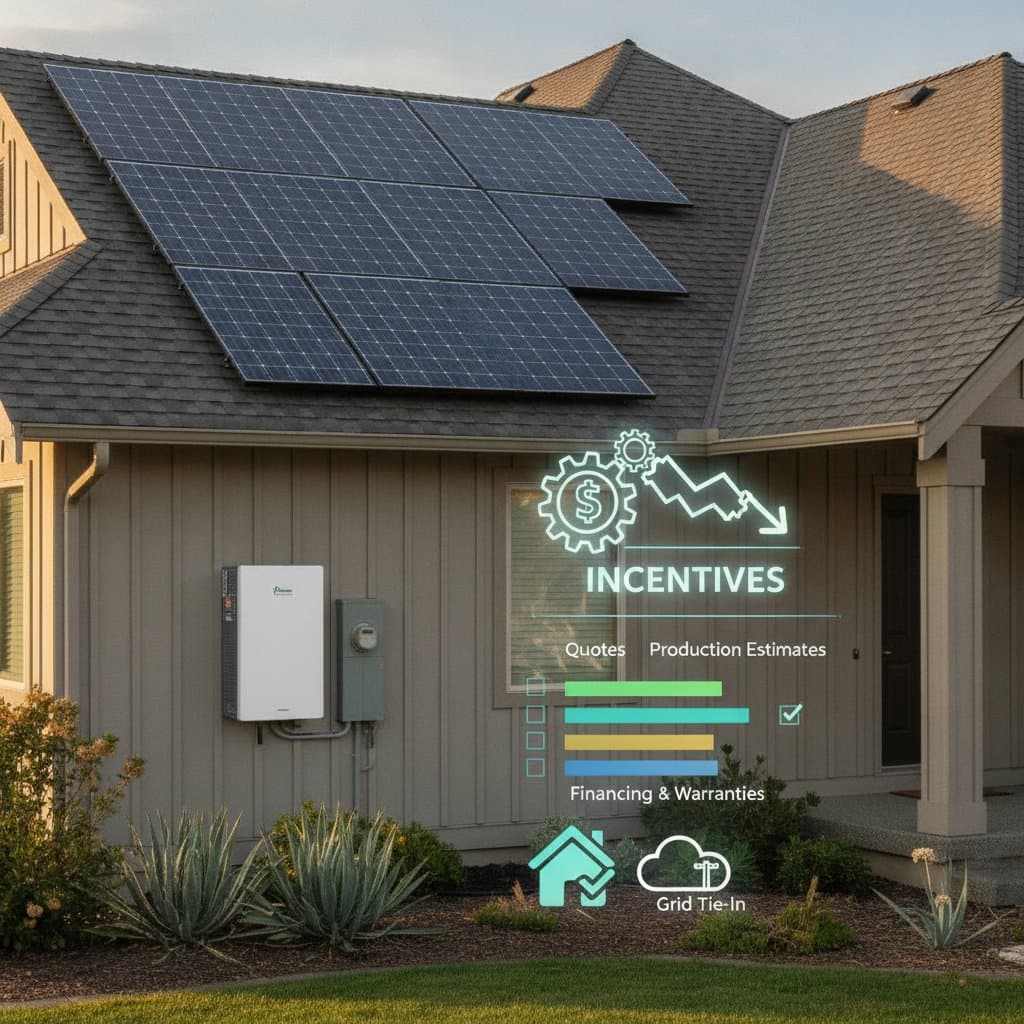
Solar installation costs typically range from $15,000 to $30,000 before incentives, with batteries and roof upgrades adding more. Federal tax credits and local programs may reduce expenses, but eligibility varies. Compare three detailed quotes, verify production estimates, financing, warranties, and utility rules to determine whether solar suits your home and budget.
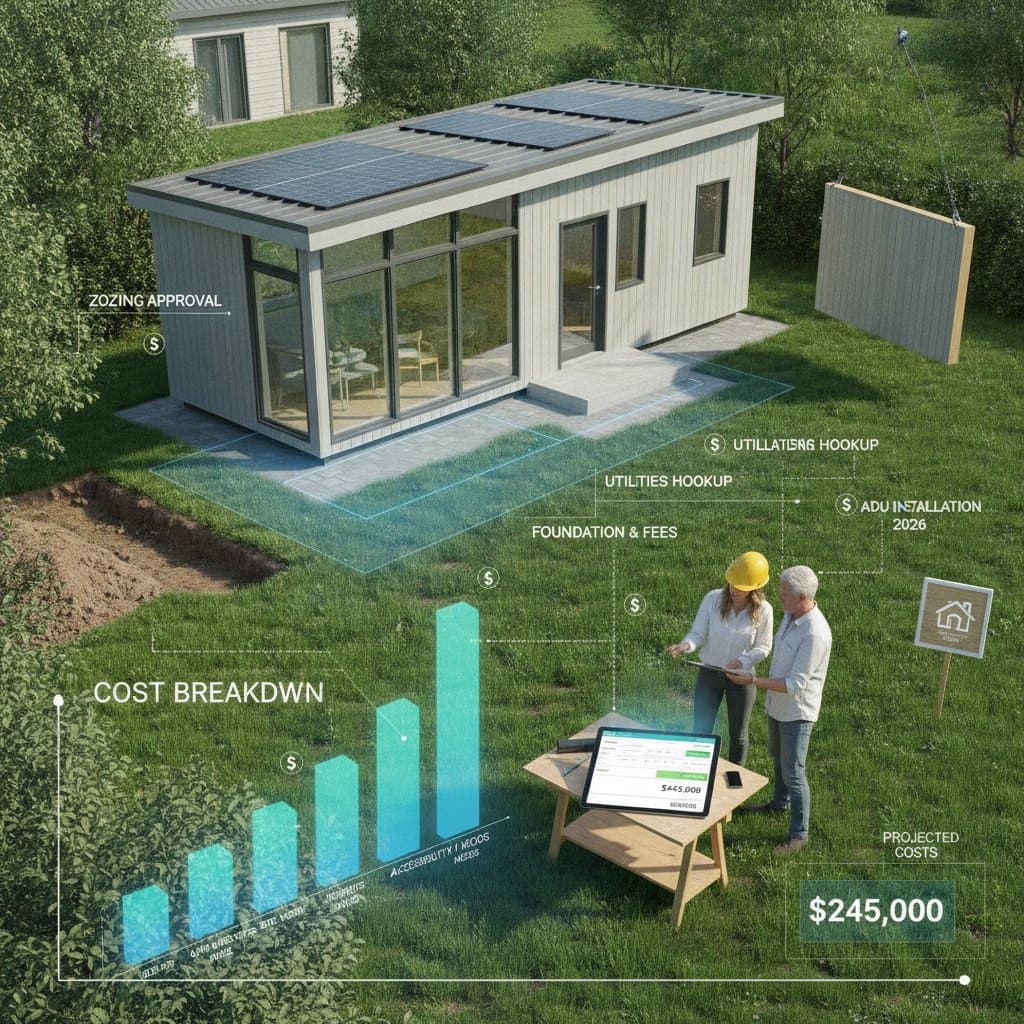
A granny pod typically costs $100,000–$300,000, with size, finishes, site conditions, utilities, and local approvals driving the final price. Before buying, confirm zoning, setbacks, permits, and fees. Compare itemized professional bids, budget 10–15% for surprises, and plan accessibility features early to create affordable, compliant, long-term housing.

Converting a room into a home office may offer tax savings, but eligibility depends on self-employment, regular exclusive use, documented expenses, and income limits. Compare simplified and actual methods, separate repairs from improvements, allocate shared costs, and preserve detailed records. Before spending, weigh deductions, depreciation, financing, and future sale consequences carefully.

Solar panel warranties define long-term value through product defect protection and performance guarantees. Exclusions, service fees, and claim processes vary widely. Understanding coverage levels and fine print helps homeowners avoid costly surprises.

Modular home prices may drop 25 percent by 2026 due to automation and supply improvements. Buyers must examine contracts, site conditions, and warranties to capture lasting value.
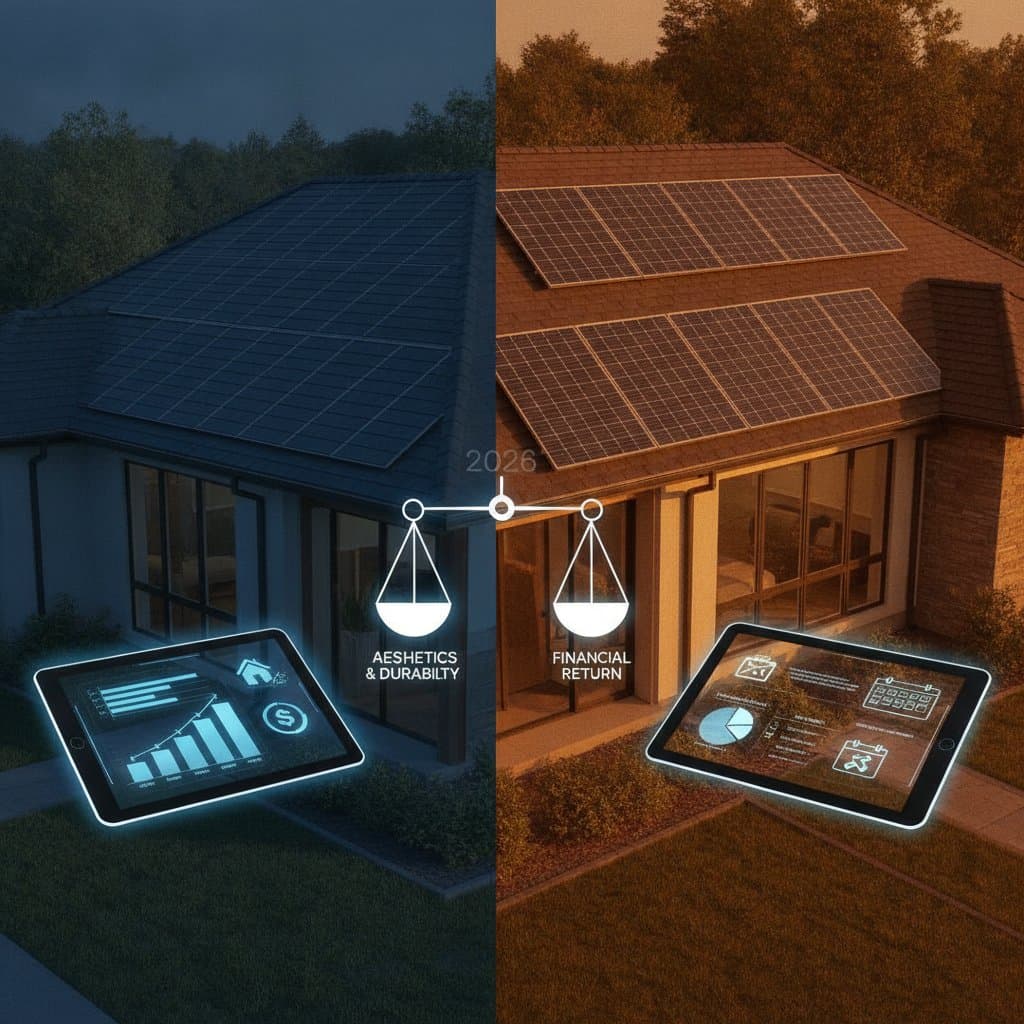
The 2026 solar showdown pits sleek integrated roofs against traditional panels in a battle of cost, maintenance, and long-term value. This analysis breaks down pricing models, warranties, financing options, and homeowner obligations.

Mold problems can cost thousands, but home warranties rarely cover them fully. In 2026, coverage usually applies only when mold results from a covered leak. This guide explains actual coverage limits, costs, exclusions, and tips for filing claims, preventing growth, and saving money through smart maintenance and timely action.
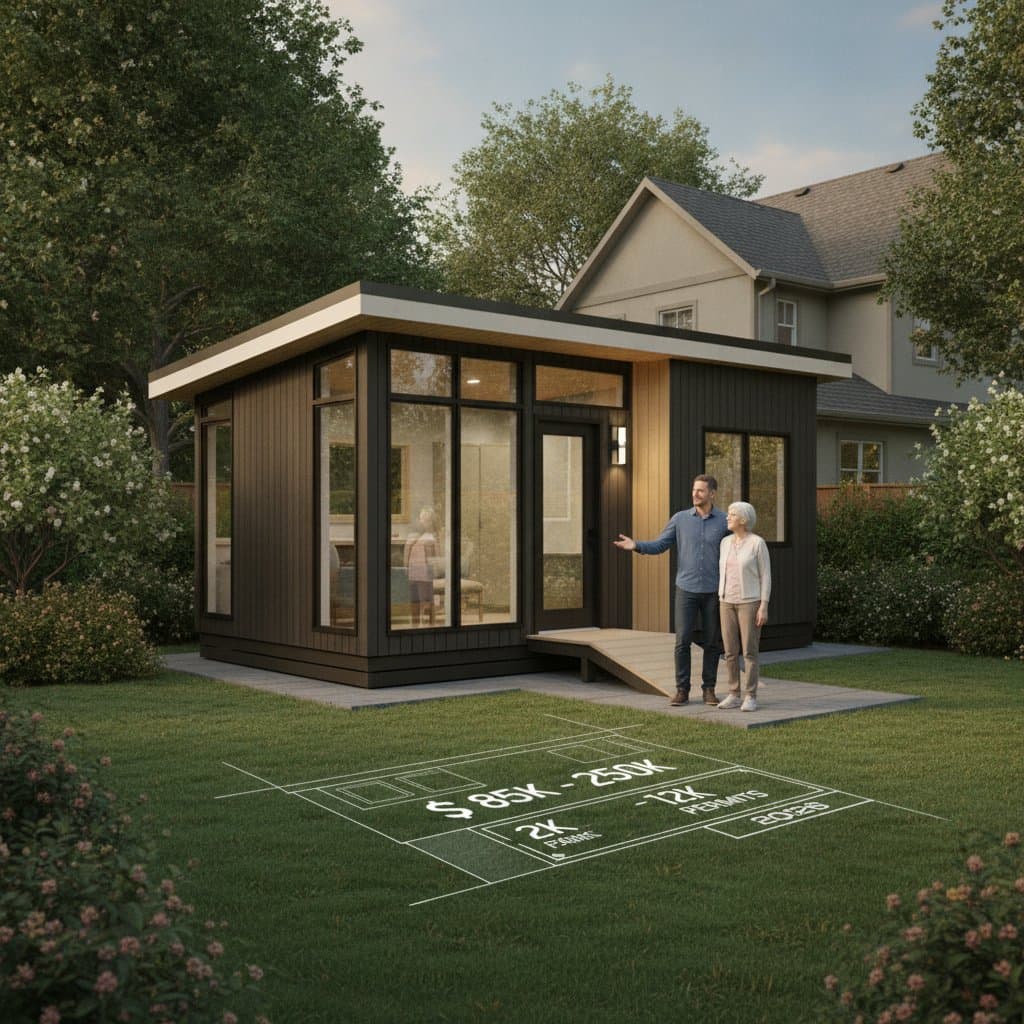
Thinking about adding a granny pod? Expect costs from $85,000 to $250,000 with permits from $2,000 to $12,000. Learn how zoning, design choices, and construction type affect your budget, timeline, and comfort. This guide covers every step from planning and permits to maintenance for a lasting, flexible backyard living solution.
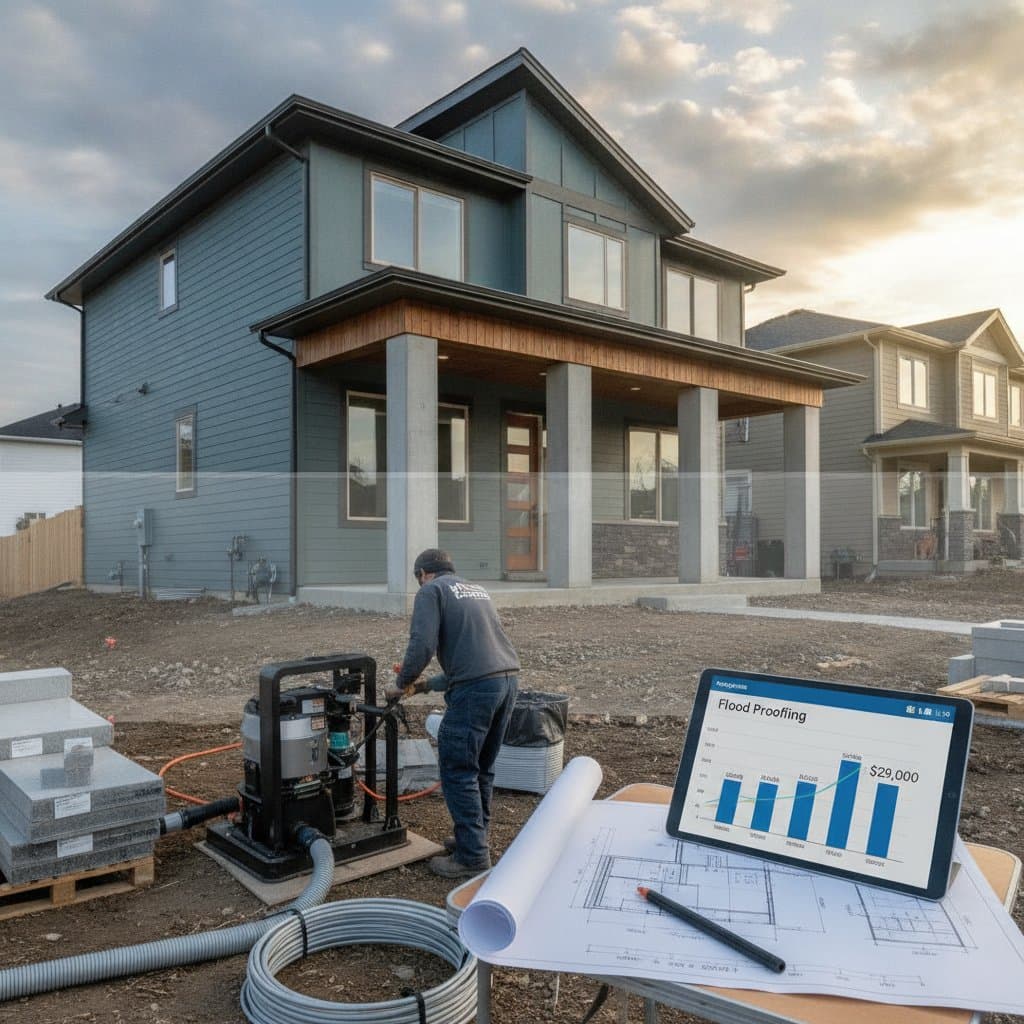
Flood proofing a home in 2026 averages 29000 dollars and ranges from 10000 to 65000 dollars. This guide covers cost drivers, interior sealing steps, contractor oversight, regional differences, and upkeep practices that protect value and safety.
Flood proofing upgrades in 2026 cost $3,000 to $25,000, averaging $11,500. Professionally installed systems can cut damage by up to 80 percent, boost property value, and lower insurance premiums for long term climate resilience.
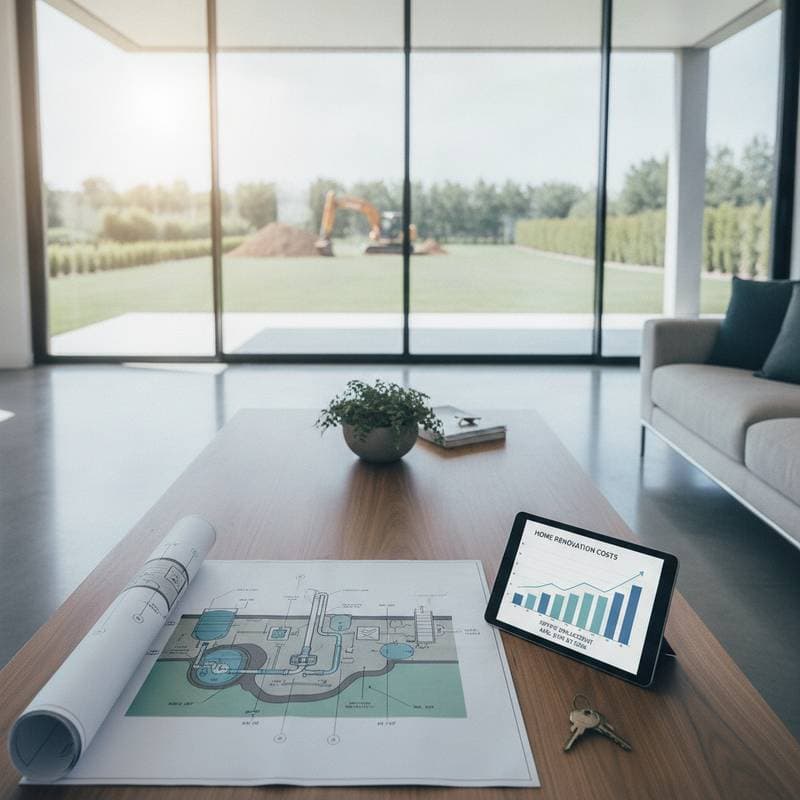
Homeowners across the country now face average septic replacement costs of 15000 due to higher material, labor, and permit expenses. The work requires licensed installers, proper design, and inspections to avoid contamination. Find out what influences pricing, when replacement becomes necessary, and how to extend system life.
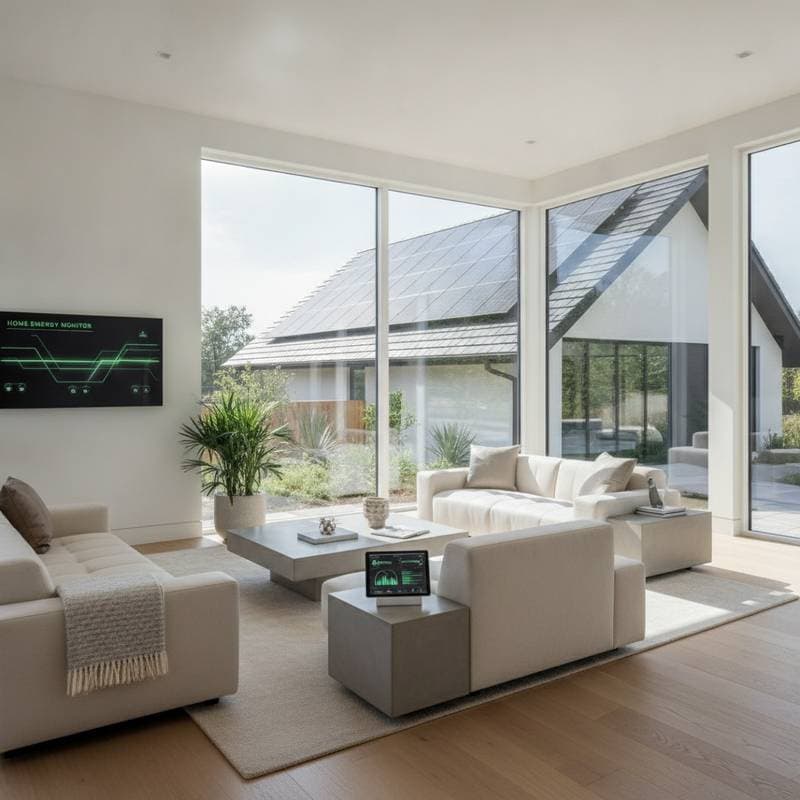
Installing solar panels on new homes in 2026 adds roughly $14,000 to $24,000, averaging $18,500 for a 6-kilowatt system. Early planning during construction cuts labor costs and boosts resale value by up to 5%. Learn how system size, materials, and timing shape your investment, payback, and long-term energy savings.

Discover how much a 2026 granny pod really costs, what permits you’ll need, and the steps to build one safely. From zoning rules and utility tie-ins to cost-saving tips and maintenance essentials, this guide explains everything required to create a comfortable, code-compliant backyard home for aging loved ones.

AI home warranties in 2026 protect both smart devices and their digital components. Costs, exclusions, and data policies vary, requiring careful contract review to avoid gaps.
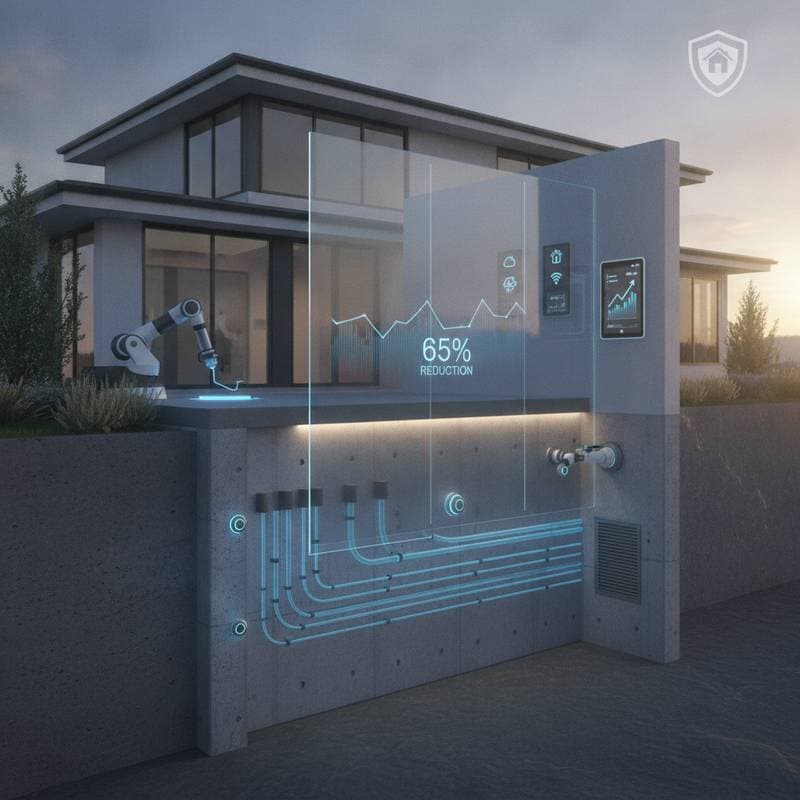
Smart flood proofing blends sensors, automation, and structural upgrades. Costs range from $8,500 to $38,000. Most homeowners spend about $19,600 for systems that cut damage risk by up to 65 percent.
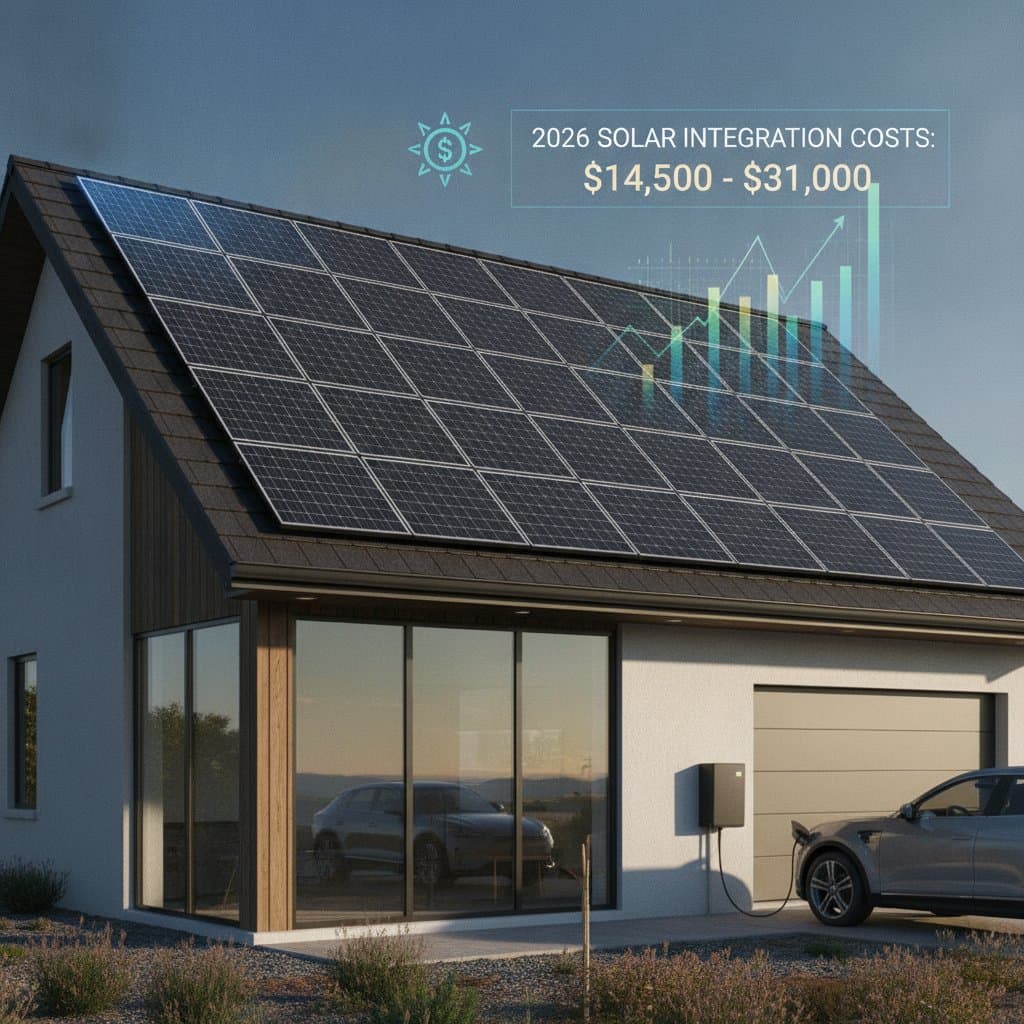
Review current pricing for solar integration, compare standard and premium packages, and identify practical steps that reduce total expense while securing reliable system performance.
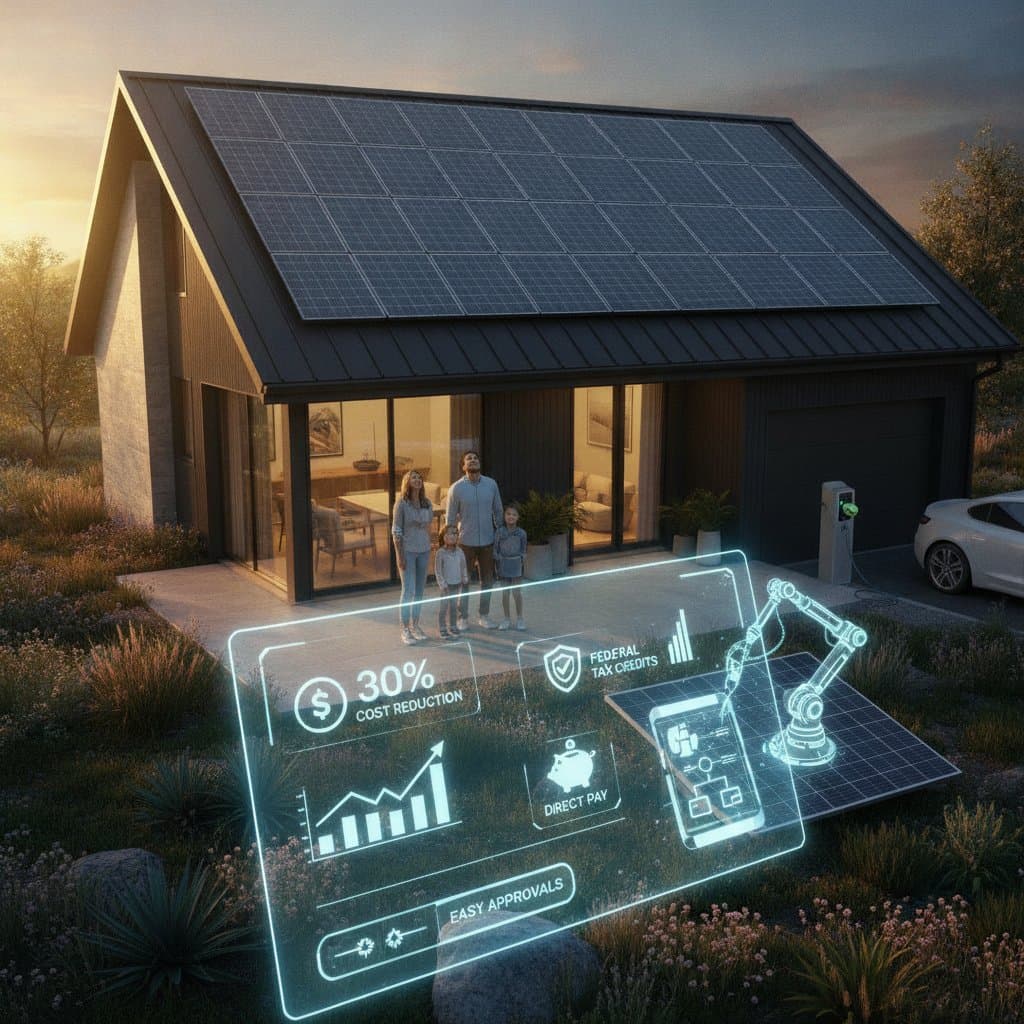
Homeowners gain expanded federal support for solar in 2026 through higher tax credits, simpler applications, and new direct pay options that reduce upfront costs. Lower equipment prices and streamlined permits improve access. Learn qualification steps, savings strategies, and whether DIY or professional installation suits your situation.
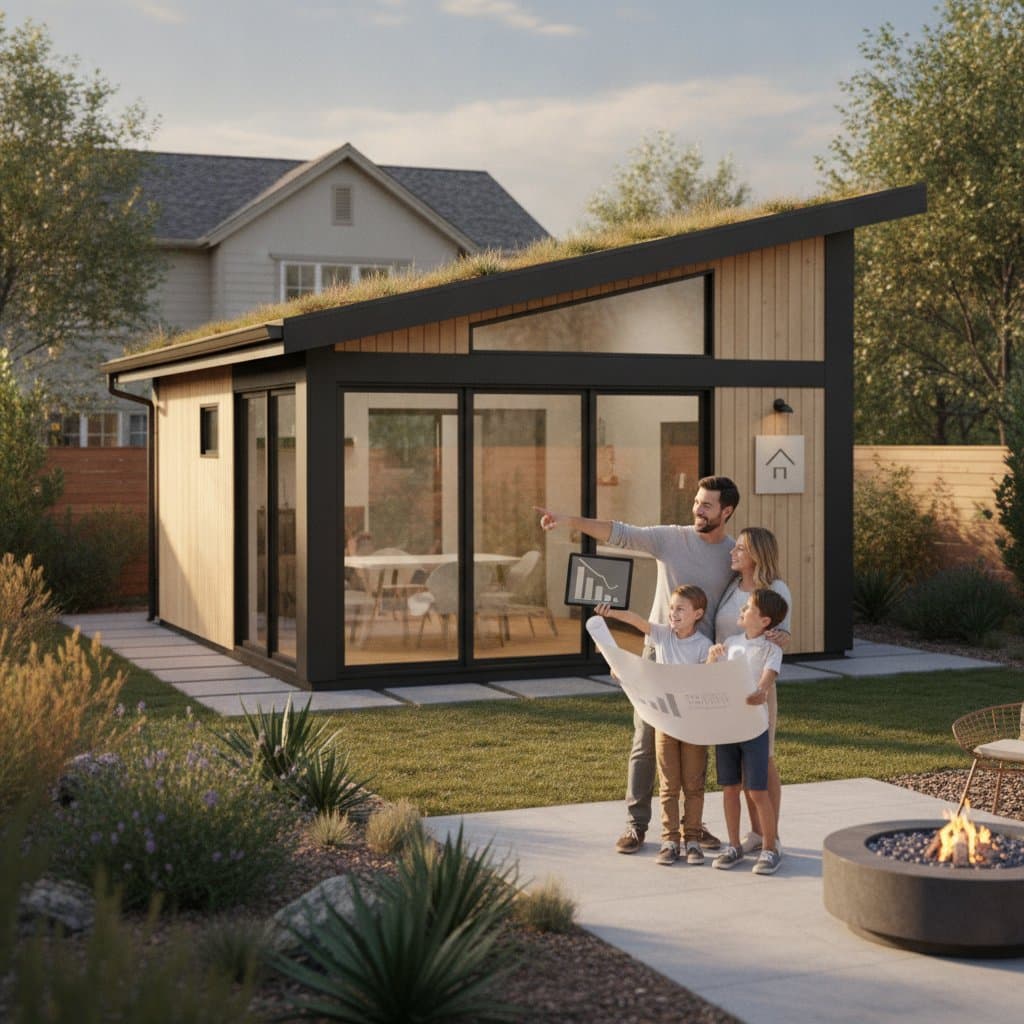
Updated regulations cut accessory dwelling unit expenses by one quarter, simplify approvals, and introduce standardized plans that make backyard homes more attainable for homeowners seeking added income or living space.
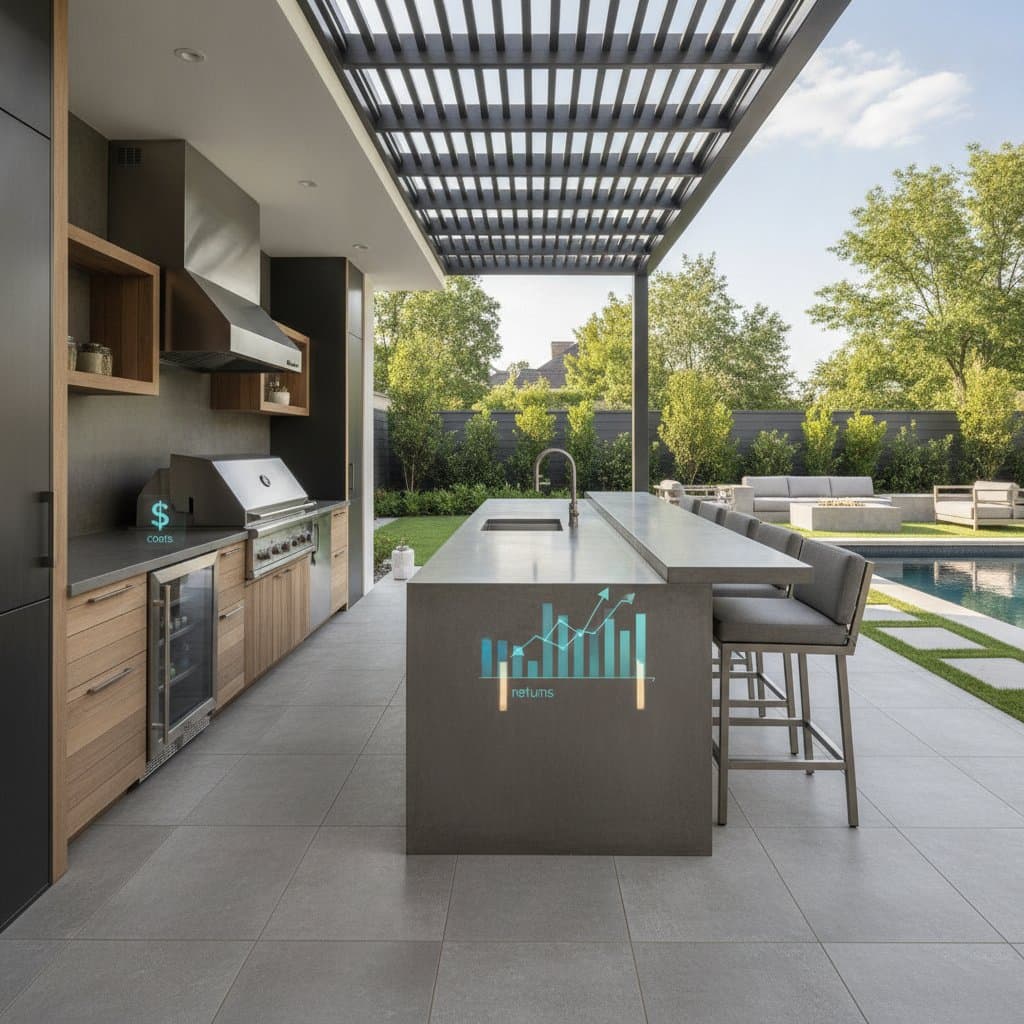
Outdoor kitchens add lifestyle appeal, yet value depends on cost control. Basic models begin at 8000 dollars while custom builds reach 40000 dollars. With proper care, ROI averages 50 to 70 percent. Attention to installation details, maintenance routines, and warranty terms helps homeowners approach this upgrade as a calculated investment.
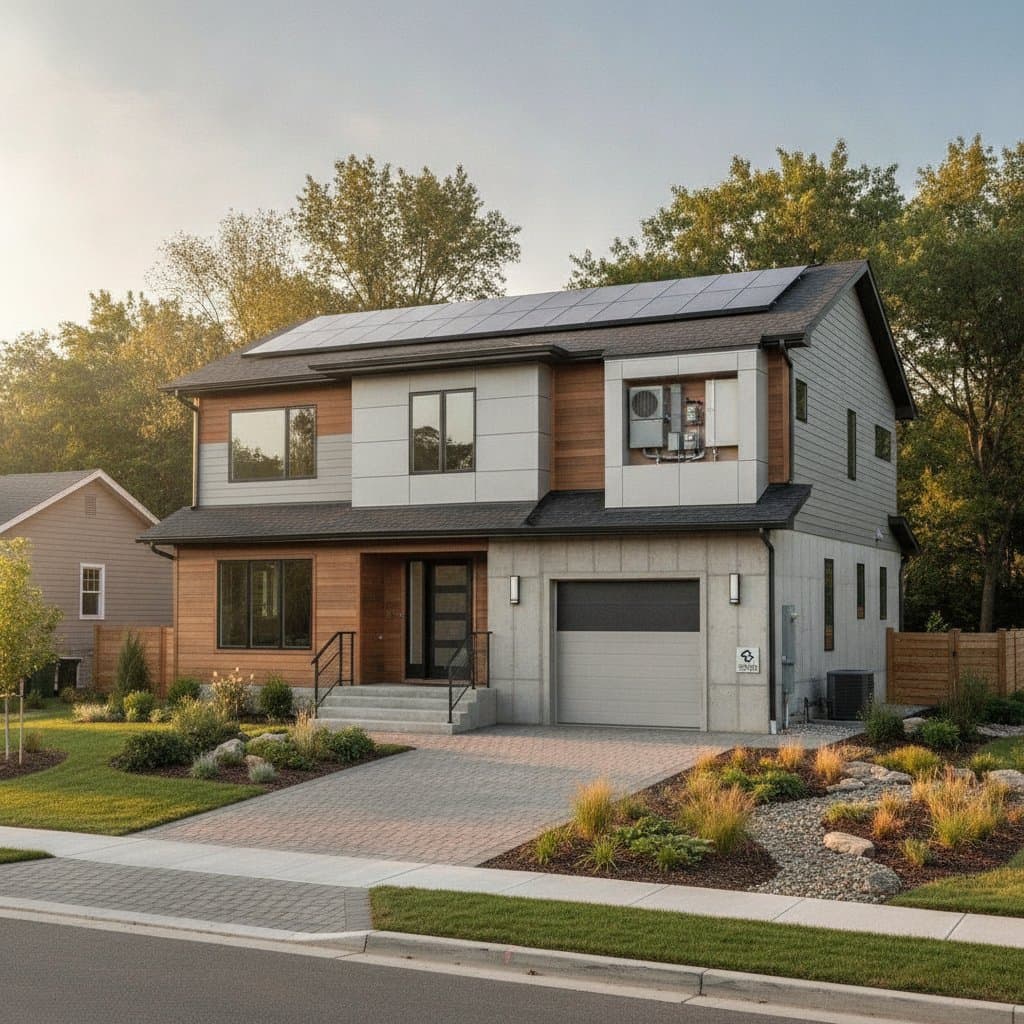
Rising flood risks require targeted home protection. This guide details 2026 flood resilience upgrades from foundation sealing to utility elevation, along with cost ranges, practical steps, and maintenance guidance to protect property and speed recovery after storms.