Home Battery Backup Costs and Warranty Coverage
A home battery backup stores electricity for later use. It keeps lights, appliances, and heating or cooling systems running during power outages. The system also helps homeowners draw on stored energy during peak utility hours to lower electric bills.
Summary Box
- What it is: A rechargeable energy storage system that powers a home when the grid goes down.
- Why it matters: Keeps power on during blackouts and reduces utility costs.
- Typical cost: Between 9,000 and 18,000 dollars installed.
- When to hire a pro: Always, due to electrical and code requirements.
- How long it takes: One to three days depending on complexity.
- Maintenance interval: Annual inspection and software update recommended.
What It Is
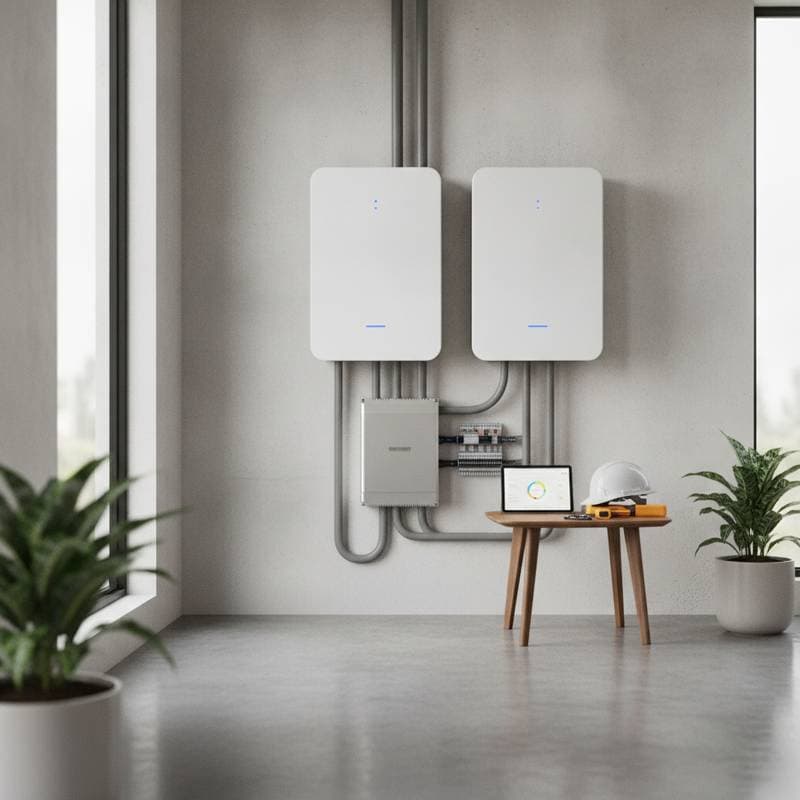
A home battery backup is a wall-mounted or floor-mounted unit that stores energy from the grid or from solar panels. It draws power in when electricity is cheap or abundant and releases it when the grid fails or prices rise. Most systems use lithium-ion chemistry similar to electric vehicles.
Anatomy and How It Works
A typical system has four main parts.
- Battery modules: Store electrical charge in sealed units.
- Inverter: Converts direct current from the battery to alternating current used by household circuits.
- Control software: Manages charging, discharging, and connection to solar panels or the grid.
- Transfer switch: Automatically shifts the house from grid power to battery power during an outage.
Each part must be compatible and properly sized for the home electrical load and any solar system.
Signs You Need Service
- The system does not switch to backup during outages.
- Runtime is shorter than expected.
- The app or display shows reduced capacity.
- The inverter fan runs constantly or makes unusual noise.
If any of these occur, schedule a diagnostic check with a licensed installer.
Costs and Cost Factors
National pricing runs from 9,000 to 18,000 dollars for a complete setup. The median installed cost is around 13,000 dollars.
| Line item | Typical range | Notes and variables |
|---|---|---|
| Battery unit | 6,000 - 10,000 | Size, chemistry, brand |
| Inverter and switchgear | 2,000 - 4,000 | Required for grid tie |
| Labor and permits | 1,500 - 3,000 | Electrical work, local fees |
| Optional solar integration | 2,000 - 5,000 | Depends on existing panels |
Higher costs occur with large capacity systems, complex wiring, or long cable runs. Smaller homes with modest needs may fall near the low end.
DIY vs Pro
| Factor | DIY | Pro |
|---|---|---|
| Skill level | Advanced electrical | Licensed electrician |
| Safety risk | High | Managed |
| Tools required | Specialized | Included |
| Permit or code | Mandatory inspection | Handled by installer |
| Time required | Days to weeks | One to three days |
| Warranty impact | Usually void | Fully valid |
Home battery backups connect to high-voltage circuits and require code-compliant installation. Always hire a licensed electrician or certified energy contractor.
Safety and Code
Wear eye protection and insulated gloves when near battery terminals. Never open sealed battery modules. Most areas require a permit, inspection, and labeled disconnect switch. Fire-rated enclosures may be needed in attached garages.
Maintenance and Lifespan
Modern lithium-ion systems last 10 to 15 years with proper use. Check the monitoring app monthly, keep vents clear, and update firmware when prompted. Schedule a professional inspection once a year to test capacity and confirm safe operation.
Regional Factors
- Climate: In cold zones, choose systems with built-in heaters. In hot or humid climates, install indoors or in shaded enclosures.
- Code or permit: Coastal and wildfire regions may require special housing or clearance distances.
- Material suitability: Lithium iron phosphate batteries handle heat better than traditional nickel manganese cobalt types.
- Timing by season: Schedule installation in mild weather to avoid temperature-related commissioning delays.
FAQs
How long can a battery power a house?
Usually between 8 and 24 hours depending on load and capacity.
Can I expand storage later?
Yes, many systems allow modular expansion.
Does insurance cover a battery system?
Often under dwelling coverage, but confirm with your provider.
Protect Your Energy Resilience
Schedule a site assessment with a certified installer to match system size to your home load and outage history. Regular professional service protects both performance and warranty coverage.