Flood Proofing Costs in 2026
Flood proofing a home costs between 10000 and 65000 dollars. The national average sits near 29000 dollars. Actual expenses depend on the home size, foundation type, flood risk level, and chosen methods.
Homeowners gain several advantages from these investments. Properties stay protected during storms. Insurance rates often drop after verified work. Long term value holds steady because damage risks decline.
Dry Versus Wet Floodproofing
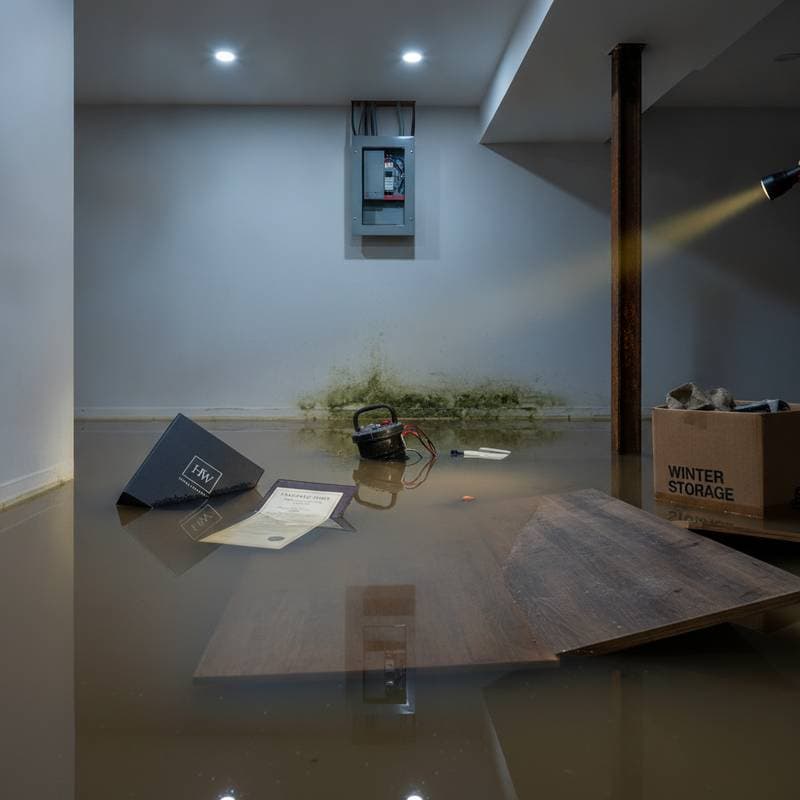
Dry floodproofing keeps water outside the structure through seals, barriers, and coatings. Wet floodproofing allows limited water entry while protecting key systems and finishes. Each approach carries different price points and permit needs.
Steps for Interior Waterproofing
Follow these actions to address common basement leaks.
- Inspect walls and floors for cracks at pipe entries and joints.
- Clean surfaces with a wire brush and detergent, then dry them for 24 hours.
- Fill openings with hydraulic cement and smooth the surface.
- Roll or spray two coats of waterproofing product with overlap between passes.
- Install a perimeter drain trench with perforated pipe and gravel cover.
- Place a sump basin and pump with discharge routed at least 10 feet from the house.
- Test the pump by adding water to confirm quick activation and free flow.
Check that no cracks remain open, the pump starts promptly, and water exits without backup.
Managing a Contractor Project
Professional work requires clear planning.
- Define whether dry or wet methods fit the site.
- Obtain engineered drawings for any elevation work.
- Secure local floodplain permits before excavation begins.
- Arrange inspections at footing, foundation, and completion stages.
- Tie payments to completed milestones.
- Store all permits, photos, and receipts for insurance and resale records.
Ongoing Care and Repairs
Monthly pump tests and semiannual line cleaning keep systems reliable. Reapply exterior coatings every eight to ten years. Clear gutters regularly to move roof water away from the foundation.
Watch for repeated pump operation, musty smells, or new cracks. These signs point to drainage problems or settling. Pumps that fail often or membranes that peel warrant full replacement rather than repeated patches. Foundation cracks wider than one quarter inch need an engineer review.
Cost Variations by Region
Coastal and river areas demand FEMA compliant vents and elevation above base flood level. Prices there run 25 to 40 percent above national averages because of stricter rules.
Inland flash flood zones respond well to drains and sumps. Typical costs range from 12000 to 25000 dollars. Cold climates require work between thaw and freeze plus insulation to avoid frost damage. Arid zones with rare storms focus on French drains and grading, where material prices stay lower but labor for trenching remains steady.
Building Long Term Resilience
A targeted flood proofing plan safeguards both safety and equity. Begin with a certified risk assessment to match measures to actual exposure. Keep every document organized so insurers can apply premium credits. Choose contractors who hold floodplain certifications and supply local references. These steps convert a vulnerable house into one that withstands future storms.