2026 Prefab House Prices: Modular Home Cost Breakdown
Prefab homes offer a controlled construction process that reduces weather related delays and improves consistency. This guide examines the actual expenses involved so homeowners can plan accurately.
Defining Prefab Construction and Suitable Applications
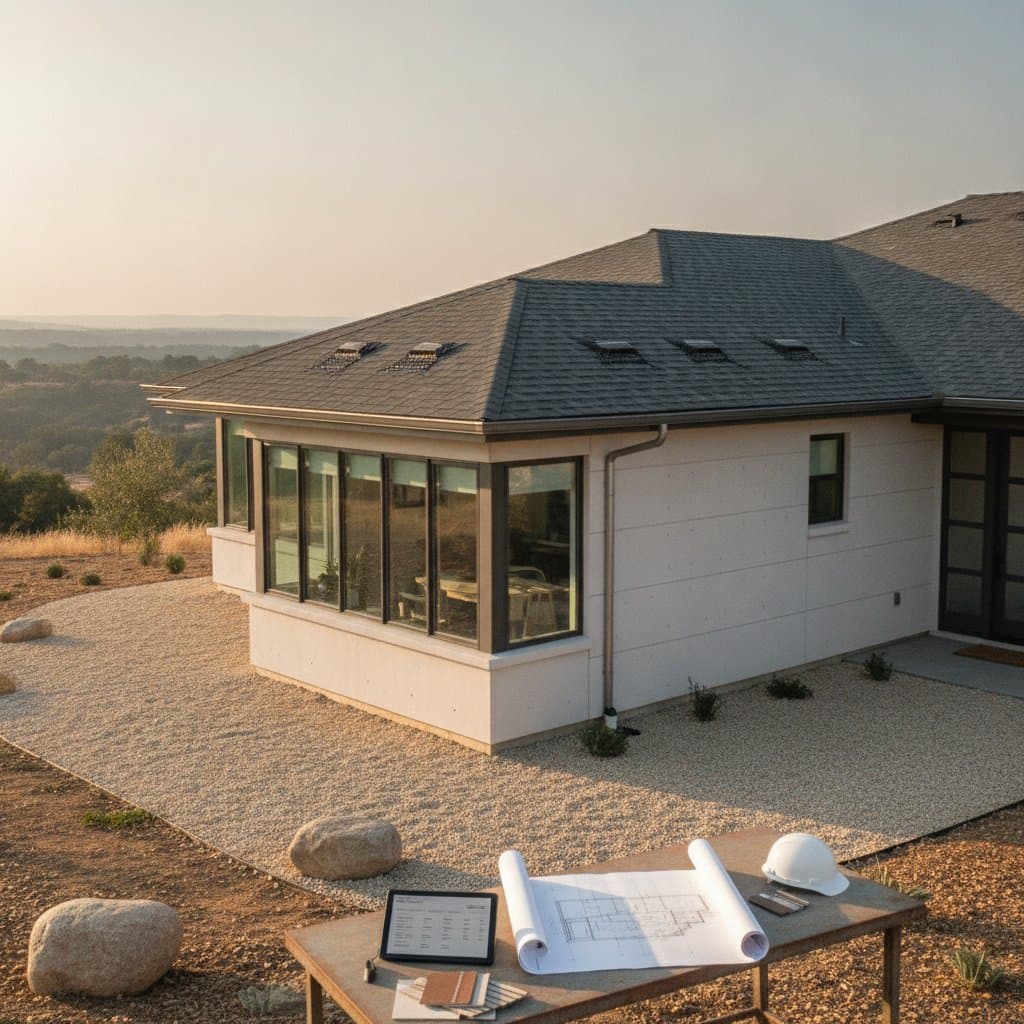
A prefab house is produced in factory modules, transported to the site, and assembled on a permanent foundation. This approach works well for owners seeking shorter schedules and consistent quality on lots with limited access or after a teardown.
Factory production allows modules to meet or exceed local building codes for structural loads, insulation values, and fire resistance. The method does not reduce durability. It shifts much of the work into a controlled environment.
Factors That Determine Final Pricing
Modular home costs typically fall between $140 and $320 per square foot. The factory portion accounts for 60 to 70 percent of the total, while site preparation, foundation work, permits, and utility connections make up the balance.
| Scope item | Material cost range | Labor cost range | Total range | Notes on drivers |
|---|---|---|---|---|
| Factory modules | $80–$180 per sq. ft. | Included in plant cost | $80–$180 | Floor plan complexity, finish selections, insulation, and window specifications |
| Foundation and site work | $20–$60 per sq. ft. | $15–$40 per sq. ft. | $35–$100 | Soil conditions, lot access, frost depth, and drainage requirements |
| Delivery and set | $10–$25 per sq. ft. | $15–$35 per sq. ft. | $25–$60 | Crane requirements and distance from the production facility |
| Utilities and interior finish | $15–$40 per sq. ft. | $20–$60 per sq. ft. | $35–$100 | Mechanical systems, plumbing, electrical layout, and trim level |
An 1,800 square foot home therefore falls between $250,000 and $540,000 before land acquisition.
Advantages, Limitations, and Ideal Use Cases
Advantages include shorter overall timelines, often half the length of conventional builds, and stable pricing once the design is finalized. Factory conditions also support tighter air sealing for energy performance.
Limitations involve restricted customization after production begins and potential difficulties with transportation access or lender familiarity. Some appraisal processes still treat modular homes differently from site built structures.
The approach suits buyers who prioritize schedule certainty and consistent quality over extensive on site changes.
Construction Sequence
- Finalize the floor plan, material selections, and mechanical specifications.
- Secure permits, prepare the site, and complete the foundation.
- Produce modules at the factory while site work continues.
- Transport and position modules with cranes.
- Connect utilities, seal joints, and complete interior finishes.
- Pass final inspections and obtain occupancy approval.
Most projects reach completion in 4 to 8 months once design and permitting are underway.
Regulatory and Safety Requirements
Modules must satisfy the same residential codes that apply to site built homes. Local inspectors review foundation, electrical, plumbing, and final occupancy stages.
Structural ratings must account for regional wind and snow loads. Electrical installations require appropriate GFCI and AFCI protection. Crane operations must maintain required clearances from overhead lines.
Common Planning Errors
Owners frequently overlook full site development costs such as grading, septic systems, or utility extensions. Transport restrictions on wide loads can introduce additional fees or route studies.
Rushed scheduling around crane availability or last minute finish changes can create standby charges and production delays. Early coordination with the factory prevents these issues.
Ongoing Care and Expected Service Life
Regular inspections of roof seams, gutters, and siding joints preserve performance. HVAC filters require replacement every three months, and foundation drainage should be checked each spring.
With standard maintenance a modular home can remain serviceable for 50 years or longer.
When Professional Coordination Is Required
Module placement, mechanical connections, and code inspections require licensed crews. Owners may handle only minor finish work after the structure is set.
A general contractor or modular specialist manages permits, scheduling, and equipment logistics.
Preparing for Project Start
Confirm lot access for delivery trucks and crane reach. Verify that financing options accept modular construction. Lock design details before factory production begins to avoid schedule resets.