2026 Granny Pod Costs: Zoning Rules to Know Now
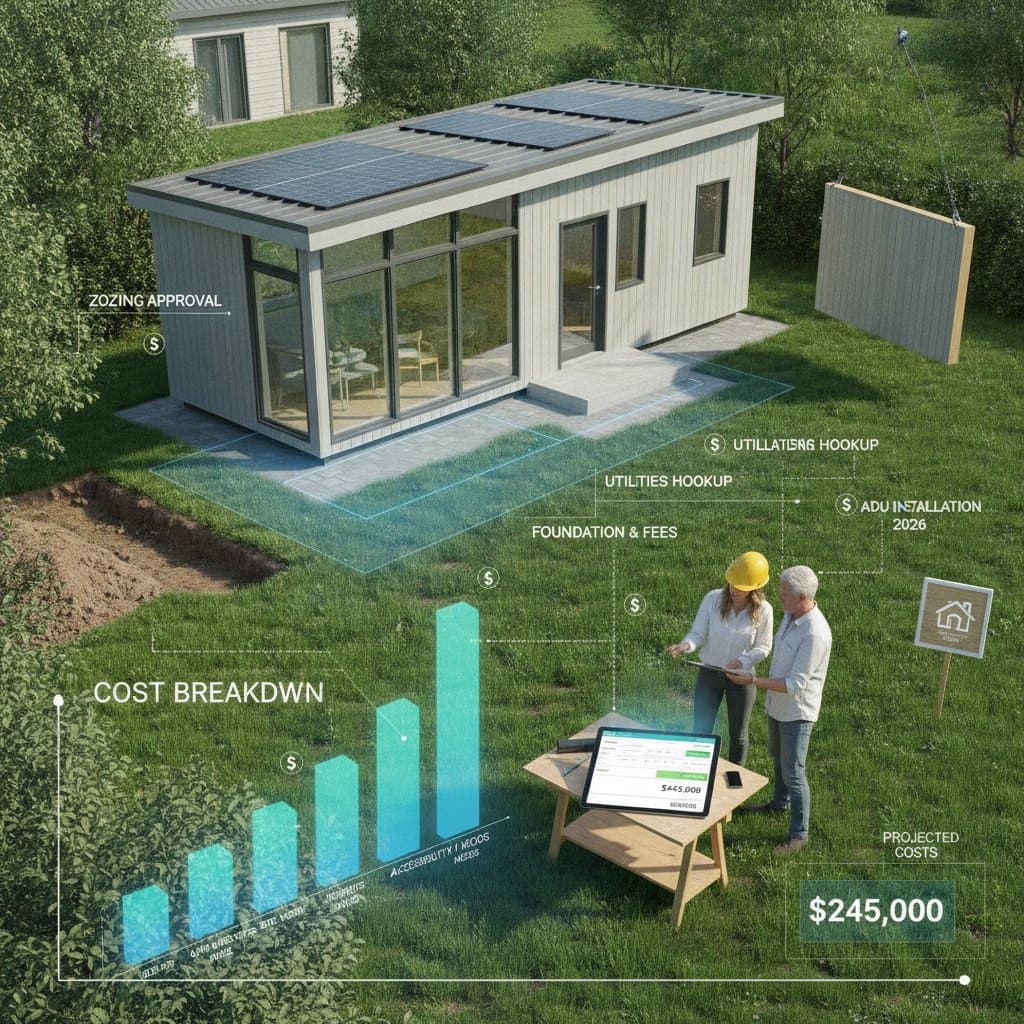
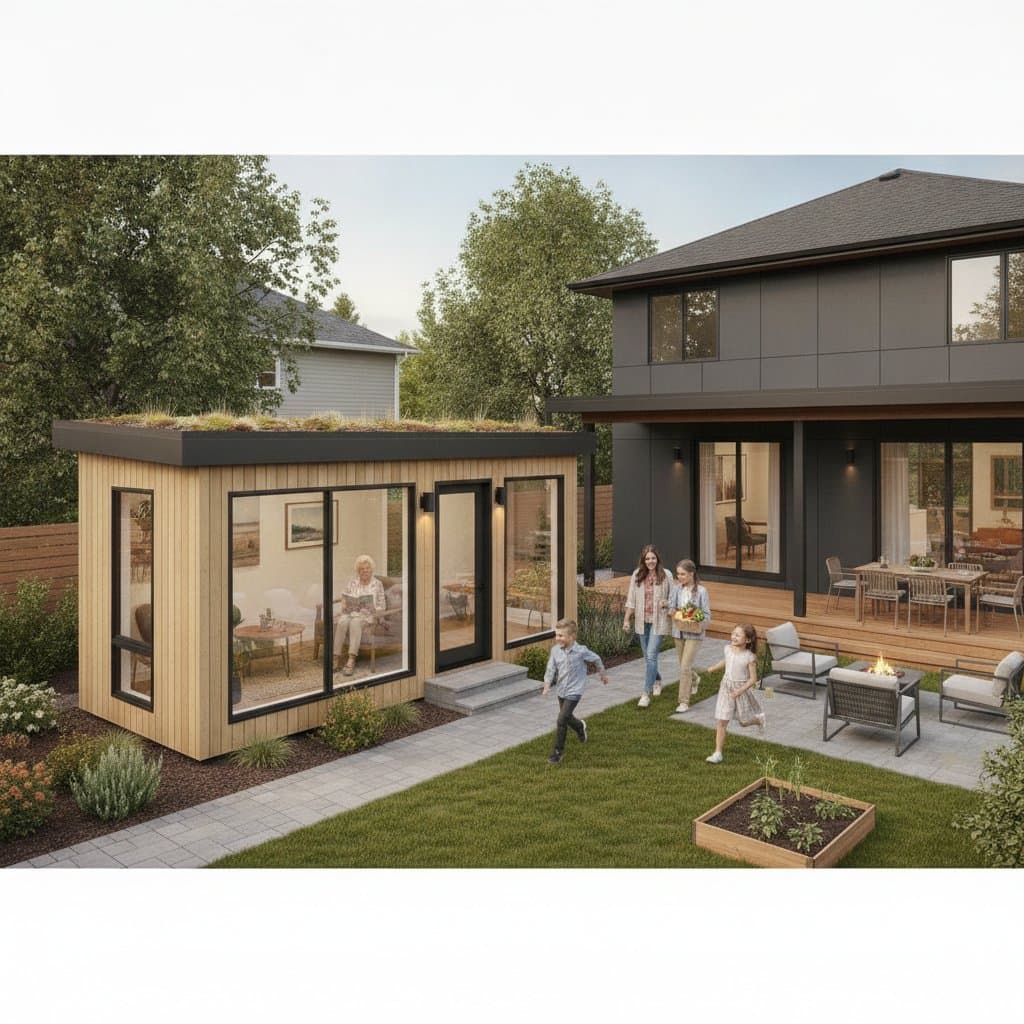
A granny pod provides a self contained accessory dwelling unit on the same property as a primary residence. This setup supports independent living for an aging relative while maintaining close family ties. National costs typically range from 85000 to 180000 dollars based on size, site conditions, and local regulations.
Key Considerations at a Glance
- Verify local zoning allowances for accessory dwelling units before any design work begins.
- Assess utility capacity for water, sewer, and electrical service to avoid later upgrades.
- Select a construction method such as modular, stick built, or prefab that aligns with site constraints.
- Budget for permit fees, site preparation, and professional inspections in addition to base construction.
- Schedule annual maintenance checks on the roof, HVAC system, and foundation drainage.
Core Components of a Granny Pod
Every granny pod requires a stable foundation suited to local soil conditions. Wood or steel framing supports the structure, while roofing materials should complement the main house. Insulation and a single zone HVAC system maintain comfort. The interior includes a compact kitchenette, a safety focused bathroom with grab bars and slip resistant surfaces, and utility connections that tie into the primary home.
Construction Process
Contact the planning department first to confirm zoning rules, setbacks, and occupancy requirements. Next, confirm utility availability and any metering restrictions. Choose a layout and construction type that meets code. Submit detailed plans for permits, then prepare the site by clearing and grading. Construction follows foundation work and lasts six to twelve weeks. Final inspections cover framing, safety features, and all connections.
Professional versus Owner Built Options
| Factor | Owner Built | Professional Team |
|---|---|---|
| Skill level | Advanced carpentry and plumbing experience | Licensed builder or ADU specialist |
| Safety risk | Elevated for structural and electrical tasks | Reduced through required inspections |
| Tools required | Complete construction set plus trenching equipment | Commercial grade machinery |
| Permit handling | Owner manages full compliance | Contractor coordinates approvals |
| Timeline | Six to twelve months | Four to eight months |
| Warranty | Limited or none | Standard builder coverage |
Owner construction can reduce expenses yet frequently leads to code issues and extended delays. Engage licensed professionals for foundation, plumbing, and electrical work.
Ongoing Care and Expected Lifespan
A properly constructed granny pod remains functional for thirty to fifty years. Perform yearly inspections that include gutter cleaning, detector testing, water heater flushing, window sealing, and drainage evaluation.
Common Questions
Can a granny pod raise property value? Legal accessory dwelling units often increase value in markets with rental demand.
Does the unit need a separate utility meter? Some jurisdictions require separate meters for rental use, while family occupied units may share service.
Is a prefab model less expensive than custom construction? Prefab units generally cost ten to twenty percent less, though transport and installation fees may reduce the difference.
Can the space be rented later? Zoning approval determines rental eligibility along with any limits on short term stays.
Next Steps for Property Owners
Begin with a zoning inquiry at the local planning office. Gather site measurements and utility records before meeting a designer. Secure contractor bids that itemize permit and inspection costs. This sequence keeps the project compliant and within budget while delivering flexible housing that supports family needs over time.