Home Elevation Costs for Flood Mitigation
Raising a home above potential flood levels costs between $80,000 and $250,000 in most cases. The exact price depends on foundation type, house size, and soil stability. The goal is to lift the living space above flood risk so damage and insurance costs drop sharply.
Definition
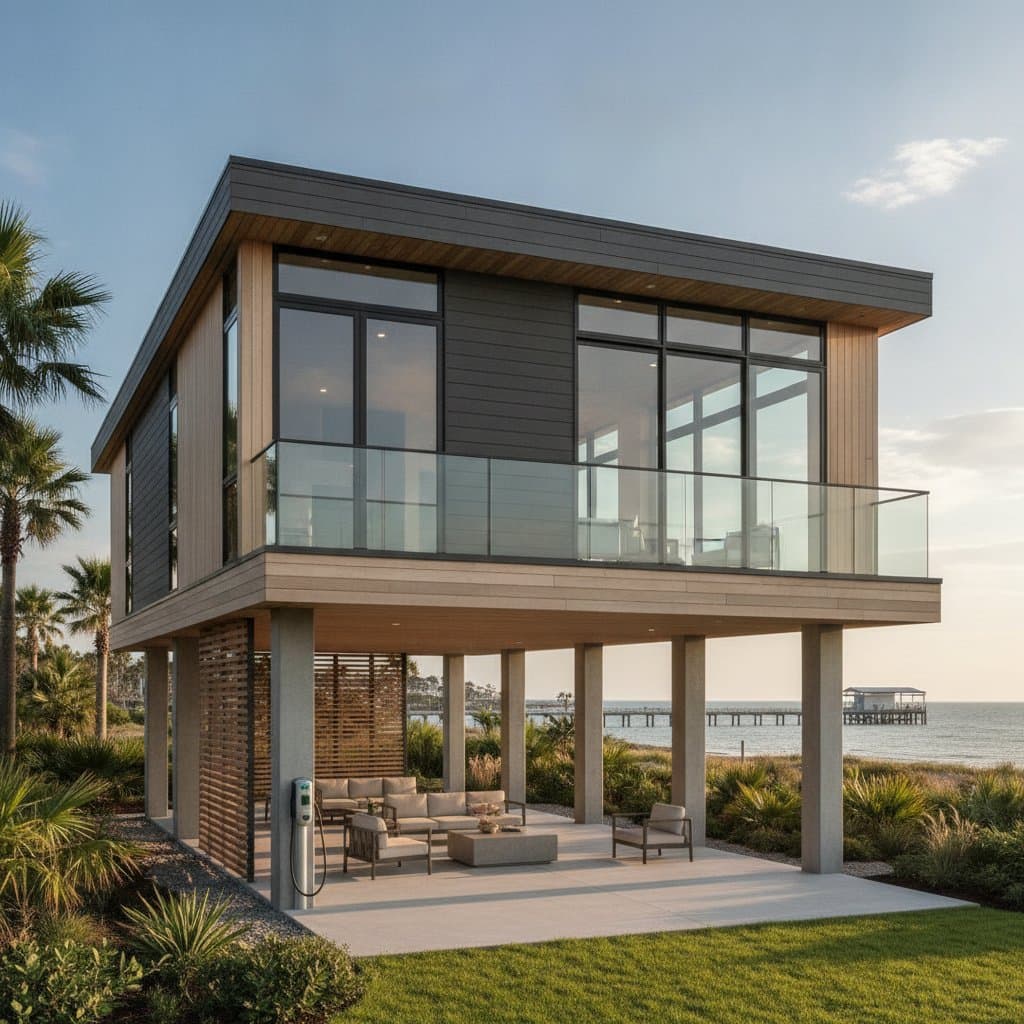
Home elevation for flood mitigation means raising a house above the predicted flood level. This is usually achieved by extending or replacing the foundation. The new height is measured against the Base Flood Elevation, which is the level water is expected to reach during a major flood.
Signs You Need Elevation
You may need to elevate if you see or experience any of the following:
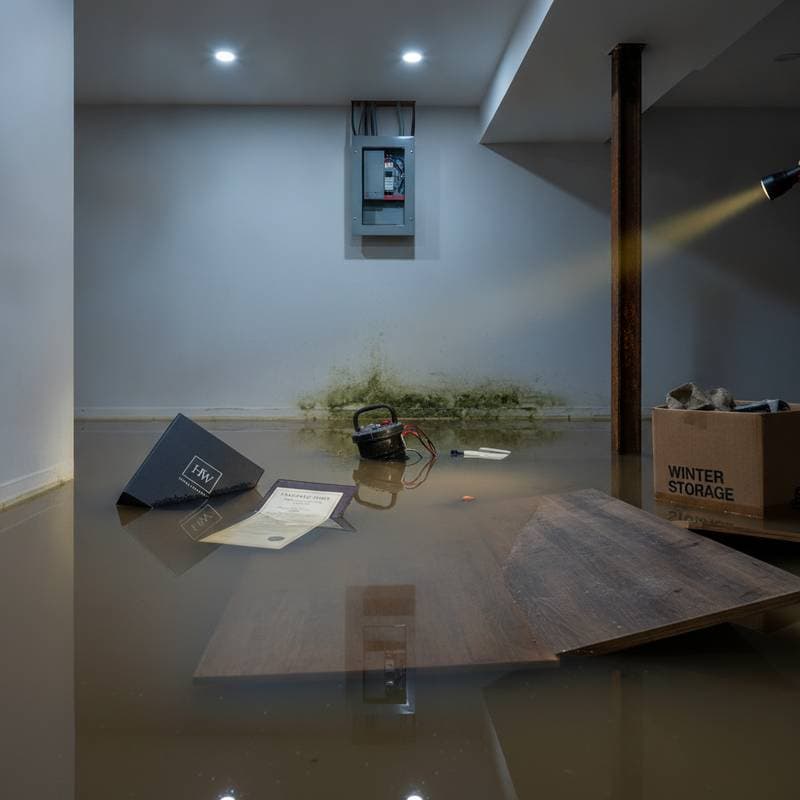
- Repeated flood damage or standing water under the home.
- Insurance costs that rise sharply from flood claims.
- Local floodplain maps showing your floor level below the Base Flood Elevation.
- Foundation cracking or rot caused by saturated soil.
- Local buyout or mitigation programs offering assistance for elevation.
If water has reached your floor joists even once, elevation is usually more cost-effective than repeated repairs.
Costs and Cost Factors
Home elevation is complex and site-specific. The main cost drivers are foundation type, house size, soil condition, and lift height.
| Line Item | Typical Range | Notes and Variables |
|---|---|---|
| Engineering and permits | $5,000 - $15,000 | Includes surveys, elevation certificate, and plans |
| Structural lifting | $25,000 - $80,000 | Depends on house weight and footprint |
| New foundation or piers | $20,000 - $70,000 | Slab homes cost more than pier-and-beam |
| Utility extensions | $8,000 - $25,000 | Gas, water, sewer, and electrical |
| Stairs, decks, and access | $5,000 - $15,000 | Includes railings and landings |
| Site work and grading | $3,000 - $10,000 | Drainage, fill, and landscaping |
| Insurance and inspections | $1,000 - $3,000 | Required for compliance and closing documents |
| Typical Total | $80,000 - $250,000 | Median cost around $150,000 for 1,800 sq. ft. |
A low-cost scenario involves a small wood-frame home on open piers in stable soil. A high-cost scenario involves a large brick home on a slab that requires structural separation and new concrete walls. Grants from state or federal flood programs can offset 50 to 75 percent of costs, but approval can take several months.
Safety and Code
Elevation work involves structural loads and utility hazards. Follow these non-negotiable safety practices. Never stay inside the home during lifting. Disconnect all utilities before elevation begins. Use only licensed contractors with flood and structural experience. Verify new foundation anchoring meets local wind and flood codes. Install flood vents if required by local ordinance. Permit approvals often require sealed engineering drawings and onsite inspections at key stages.
Regional Factors
Elevation design must match local climate, soil, and code conditions. In hot-humid zones choose treated lumber or concrete piers to resist termites and mold, and use vented skirting for airflow. In cold climates set foundation footings below frost depth and insulate plumbing to prevent freezing. In arid regions control soil moisture to reduce shrink-swell movement under piers. In coastal or marine zones use corrosion-resistant materials such as stainless-steel connectors and concrete filled with marine-grade additives. In high-wind or hurricane zones anchor the structure with hurricane straps and steel rods per flood-resistant construction standards.
Many municipalities require elevation certificates and flood vents for any building in a Special Flood Hazard Area. Always confirm elevation height relative to the latest flood maps. In flood-prone areas schedule elevation during the driest season to reduce delays and soil instability.
Glossary
Base Flood Elevation is the predicted water level during a major flood used for building design and insurance. Freeboard is extra height above the Base Flood Elevation added for safety and code compliance. A pier foundation consists of vertical columns of concrete, masonry, or steel that support elevated structures. Hydraulic jacking is the process of lifting a structure using pressurized hydraulic systems.
Planning Your Elevation Project
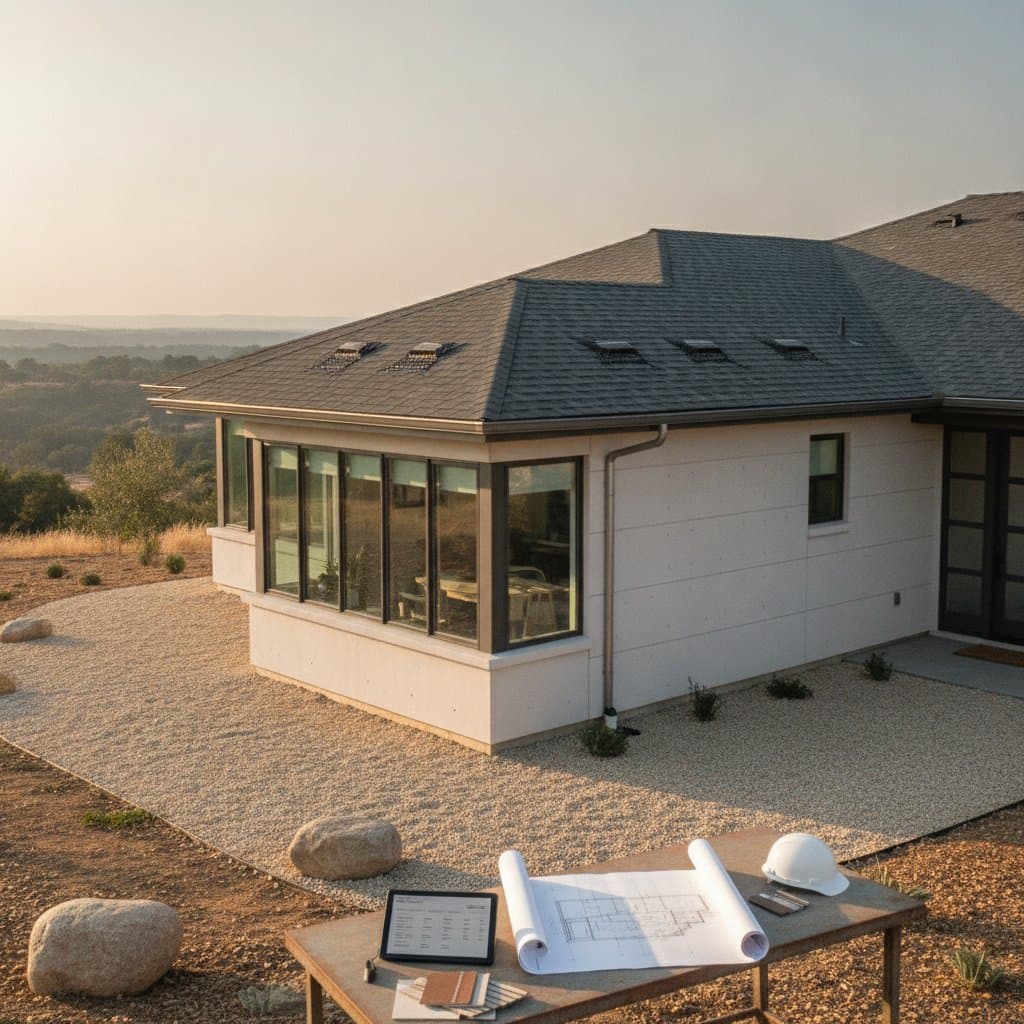
Begin by obtaining an elevation certificate and consulting a licensed structural engineer familiar with local floodplain rules. Compare multiple bids from contractors experienced in flood mitigation. Secure necessary permits early and coordinate utility disconnections with your providers. After completion maintain proper drainage around the new foundation and keep all inspection records for insurance and resale purposes.