Multigenerational Layouts for Seamless Family Living
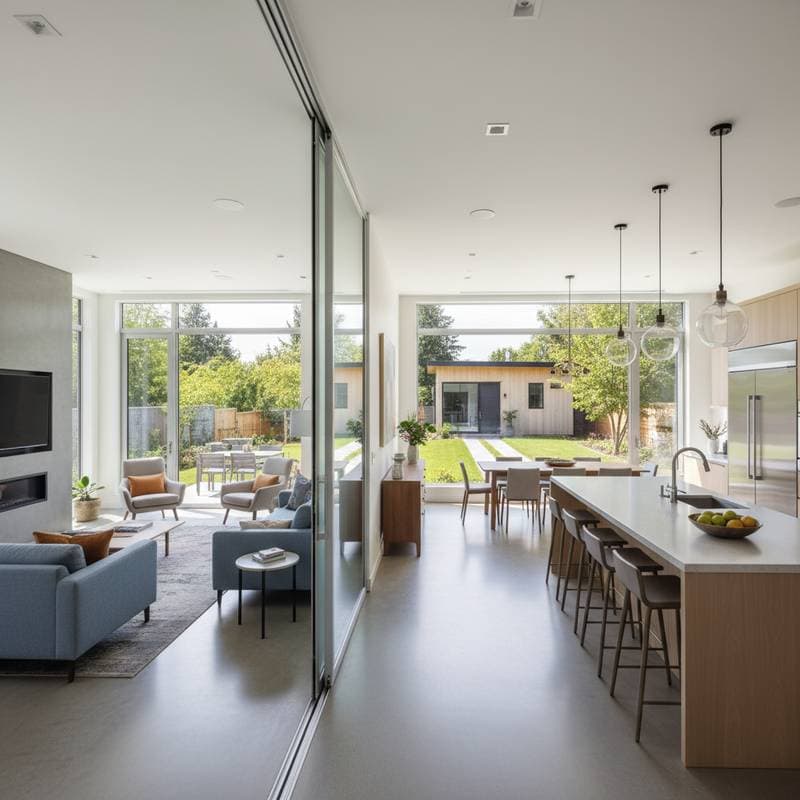
Quick answer: A multigenerational layout creates private zones for each household member while keeping shared areas connected. Expect to spend between $150 and $400 per square foot depending on design complexity, finishes, and whether you build new or modify existing space.
| Factor | Typical Range | Difficulty | Key Risks |
|---|---|---|---|
| Cost per square foot | $150–$400 | Moderate to high | Structural changes, zoning limits |
| Design time | 2–4 weeks | Moderate | Overlapping needs, accessibility |
| Build time | 6–20 weeks | High | Utility coordination, inspection delays |
| DIY suitability | Partial | Intermediate | Framing, plumbing, and permits need pros |
Key Decisions and Planning Factors
Before starting design work, clarify these points:
- Household composition: Identify who will live there long term, and assess their mobility or privacy needs.
- Access and independence: Determine if separate entrances or kitchens are required.
- Shared spaces: Specify which zones remain communal, such as the main kitchen, laundry, or outdoor areas.
- Zoning and permits: Review local rules on accessory dwelling units (ADUs) or dual-occupancy layouts.
- Budget and financing: Account for design, permits, construction, and utility upgrades.
- Future flexibility: Prepare for aging in place or changing family sizes.
These choices drive layout, cost, and comfort for decades. Consider consulting an architect early to map out spatial needs. This step prevents costly revisions later.
Common Multigenerational Layout Types
Multigenerational homes come in several configurations. Each option balances privacy with family connection. Select based on your property size, budget, and local regulations.
1. Interior Conversion
Transform an existing space like a basement, attic, or garage into a private suite. These projects typically range from 300 to 800 square feet.
Pros:
- Lower cost since no new foundation is needed
- Maintains a single-roof structure for easy family access
- Quick integration with current home systems
Cons:
- Limited space and natural light in some areas
- Potential disruption during construction
- May require egress improvements for safety
Best if: You seek affordability and have underutilized indoor space. Add insulation and ventilation to ensure comfort year-round.
2. Attached Suite
Build an addition directly connected to the main house, such as a ground-floor wing or upper-level extension. Sizes often fall between 500 and 1,200 square feet.
Pros:
- Seamless flow between private and shared areas
- Shared utilities reduce ongoing expenses
- Enhances overall home value without detaching from the property
**Cons:**n
- Involves structural modifications to the existing building
- Higher permitting hurdles for expansions
- Noise transmission if walls lack soundproofing
Best if: Your lot lacks room for a separate structure but you want dedicated living quarters. Incorporate sound-dampening materials from the start.
3. Detached ADU
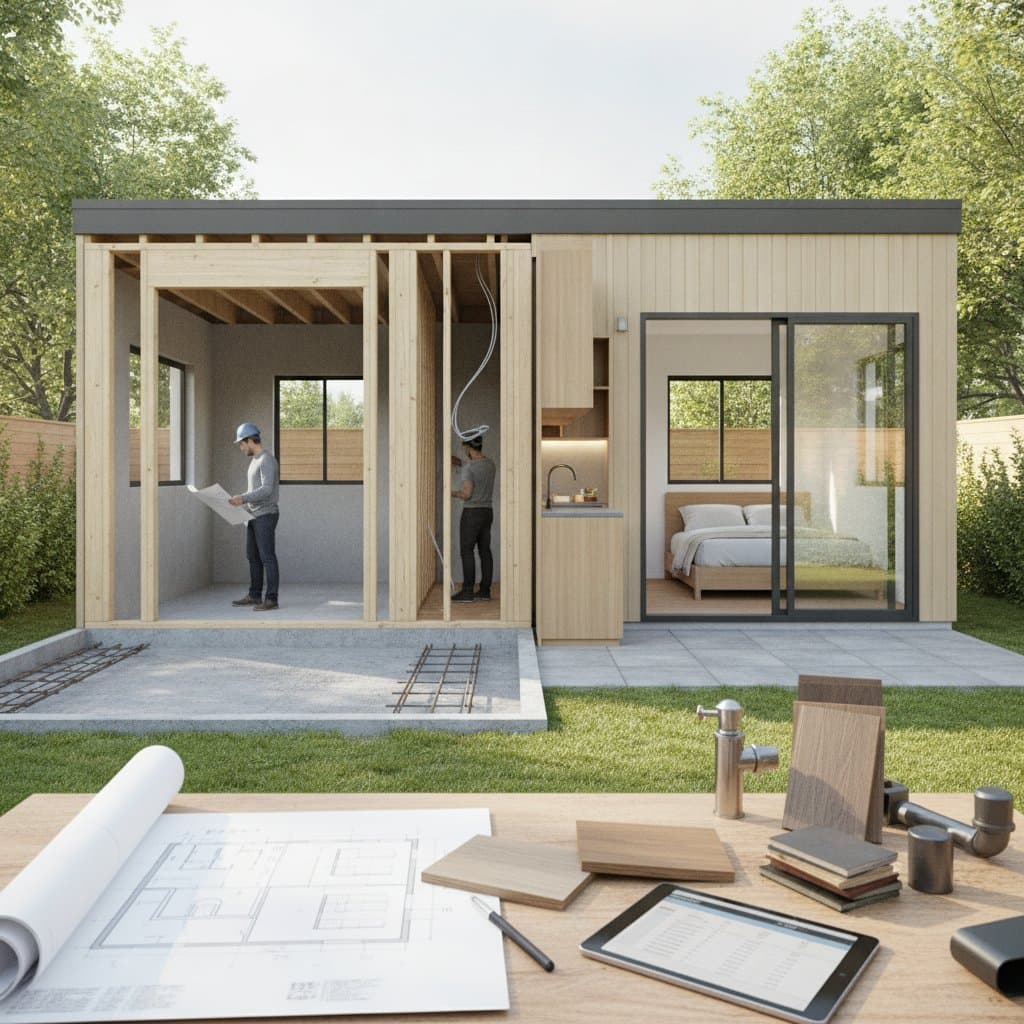
Construct a small secondary home in the backyard, often between 400 and 1,000 square feet.
Pros:
- Full privacy and flexibility for occupants
- Potential to rent for income in the future
- Simpler compliance with fire and noise codes
Cons:
- Elevated costs from new foundation and utilities
- Demands zoning approval and setback adherence
- Weather exposure requires durable exterior materials
Best if: You possess sufficient lot space and prioritize complete independence. Position it for easy access to the main house.
Cost Ranges and What Affects Price
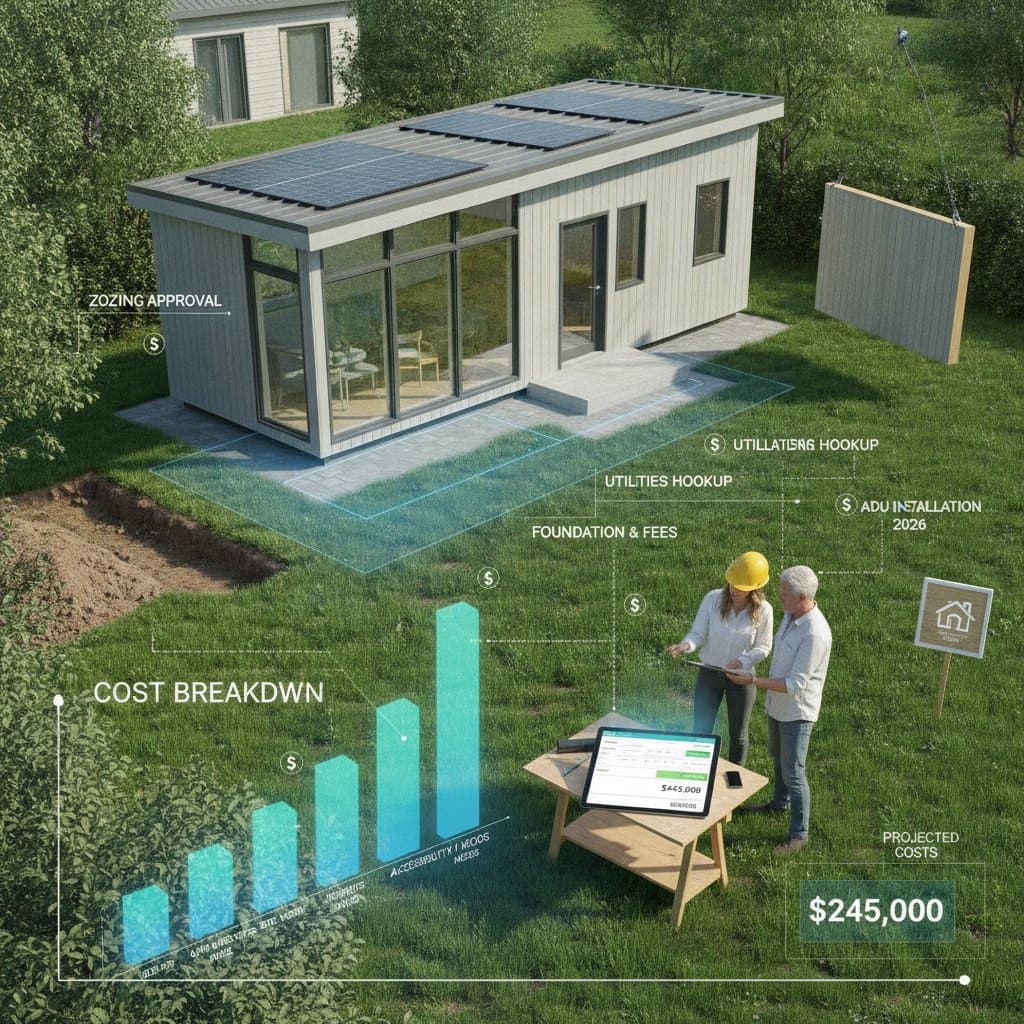
Expect $150 to $400 per square foot for most multigenerational builds. Costs vary by location, materials, and project scale. Urban areas often push prices higher due to labor and permitting fees.
Key influences include:
- Scope: A detached ADU demands more investment than a basement conversion.
- Utilities: Extending plumbing, sewer, or electrical lines can add $10,000 to $30,000.
- Finishes: Opt for mid-range options like vinyl plank flooring and quartz counters to manage expenses.
- Accessibility: Features such as wider doors, curbless showers, and ramps contribute $5,000 to $25,000.
- Permitting and design: Professional fees range from $5,000 to $15,000 based on complexity.
For example, a basic interior conversion might total $80,000 for 500 square feet. A luxurious detached ADU could exceed $300,000. Over time, this investment boosts property value and cuts separate housing costs for family members.
DIY vs Professional Work
Homeowners can tackle certain tasks to save money. However, technical elements demand expert involvement. Balance your skills with safety requirements.
DIY opportunities:
- Painting walls and installing trim
- Applying flooring in non-structural areas
- Basic landscaping around new additions
- Assembling cabinets if you have carpentry experience
Hire professionals for:
- Structural framing or alterations to load-bearing walls
- Electrical wiring, plumbing installations, and HVAC systems
- Foundation work or roof extensions
- Navigating permits and ensuring code compliance
Intermediate to advanced skills suit finish work. Licensed contractors guarantee safety and pass inspections. Always verify credentials through local licensing boards.
Maintenance, Care, and Lifespan
Multigenerational homes endure heavier traffic in shared zones. Regular upkeep preserves functionality and value. Focus on high-use areas to avoid premature wear.
Schedule these routines:
- Quarterly checks: Test smoke and carbon monoxide detectors. Inspect plumbing joints for leaks.
- Annual tasks: Repaint high-traffic walls. Clean gutters to prevent water damage. Reapply caulking around fixtures.
- Every few years: Replace flooring in worn spots. Upgrade insulation to improve energy efficiency.
Choose durable elements like quartz countertops and luxury vinyl flooring. Install quality ventilation systems to combat moisture, particularly in lower-level units. With proper care, these layouts last 50 years or more.
Frequently Asked Questions
Q: Does a multigenerational layout increase resale value?
Yes, flexible designs appeal to diverse buyers. Properties with legal ADUs or suites often sell for 5 to 20 percent more, depending on local market trends.
Q: Can you convert a garage into a living space?
Yes, provided you insulate adequately, elevate ceilings if necessary, and install proper egress windows. Consult local building codes to avoid fines or rework.
Q: What size works best for an in-law suite?
Suites typically measure 300 to 700 square feet, including a bedroom, bathroom, and kitchenette. Design with wide hallways for future accessibility needs.
Q: How do zoning laws impact these projects?
Regulations vary widely; some areas limit ADU size or require owner occupancy. Research municipal guidelines early to streamline approvals.
Steps to Launch Your Multigenerational Project
Begin by sketching your vision and gathering family input. Engage an architect to draft plans that align with your budget. Secure financing and permits next, then select reliable contractors.
Monitor progress closely to stay on timeline. Upon completion, enjoy a home that fosters generations of memories. This approach delivers lasting comfort and financial benefits for your family.