Understanding ADU Costs in 2026
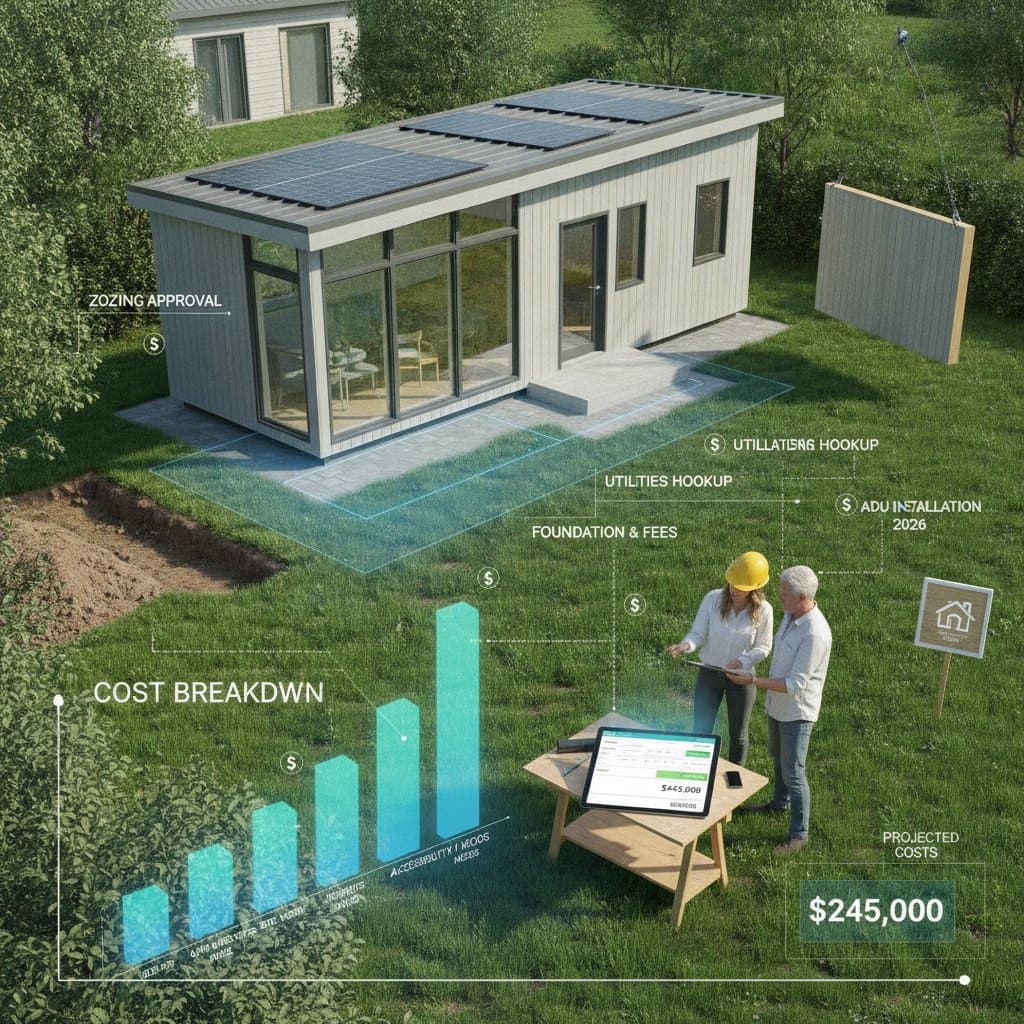
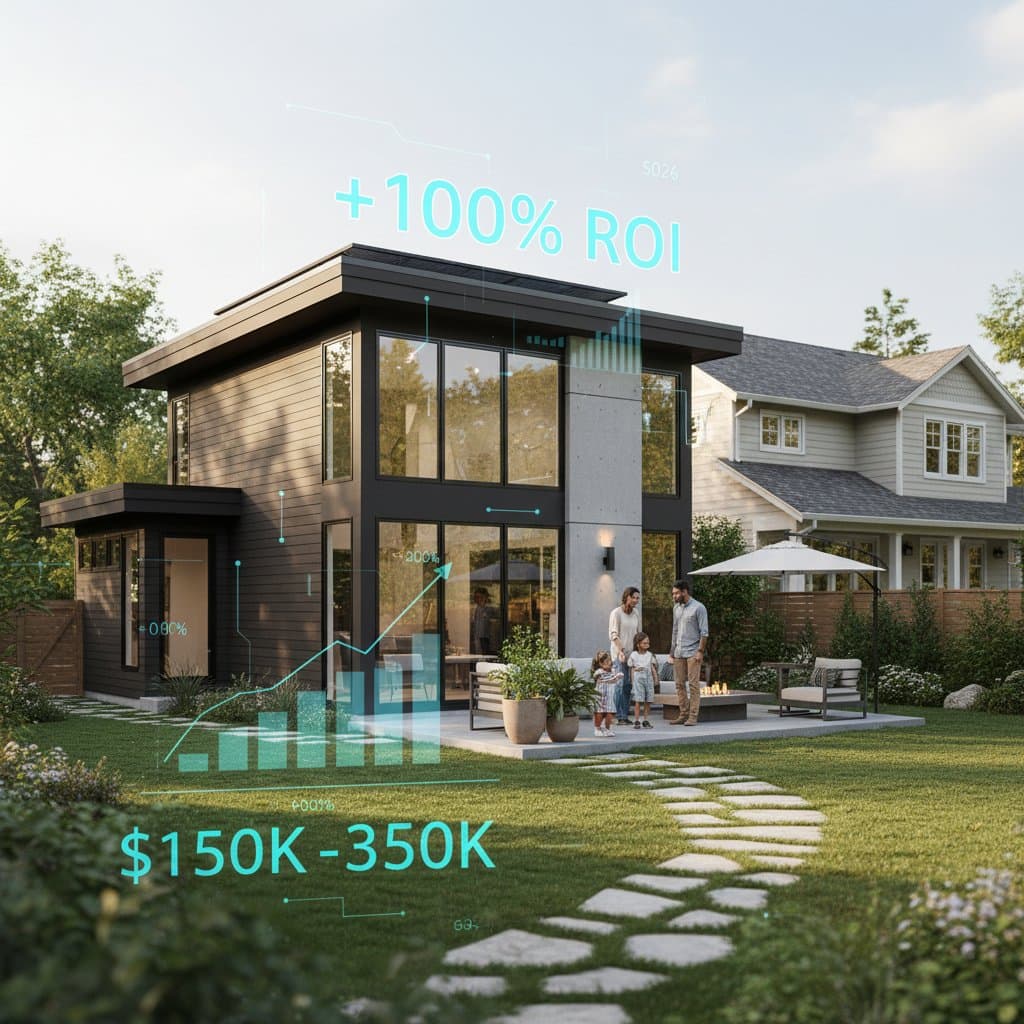
Accessory dwelling units (ADUs) represent a versatile addition to residential properties, providing extra living space, income opportunities, or family accommodations. In 2026, the average cost to build an ADU falls between $150,000 and $350,000, depending on size, location, and features. These expenses cover construction, permitting, and site preparation, with variations driven by regional labor rates and material prices.
The lower end of the spectrum suits basic, detached units around 400 to 600 square feet, often using prefabricated elements to reduce on-site work. Higher costs arise from custom designs, larger footprints up to 1,200 square feet, or integrations with existing structures like garage conversions. Homeowners must account for inflation in building materials, which could push prices upward by 5 to 10 percent from current estimates.
Key Factors Influencing ADU Expenses
Site conditions play a significant role in determining total costs. Properties with sloped terrain or limited access require additional foundation work, adding $20,000 to $50,000 to the budget. Utility connections, such as extending water, sewer, and electrical lines, further influence expenses, especially in rural areas where infrastructure upgrades prove necessary.
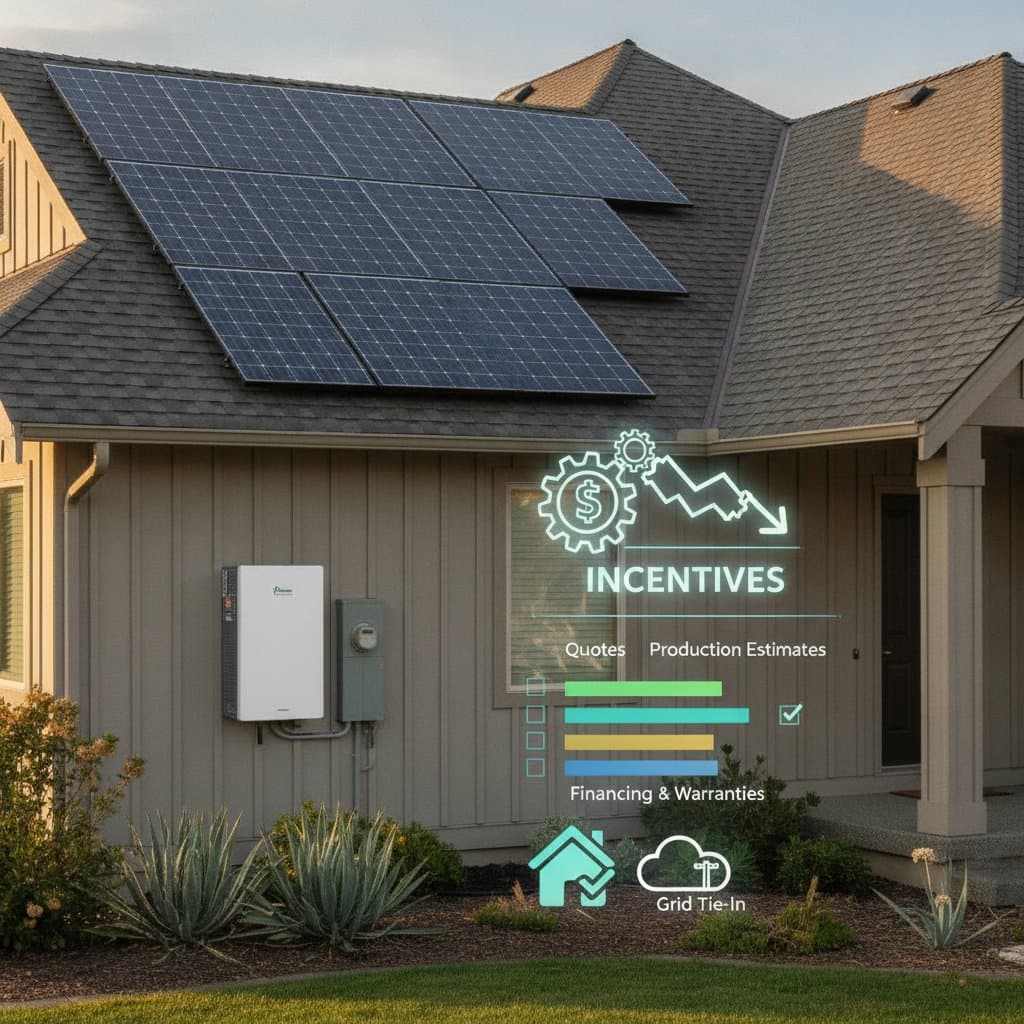
Design choices directly affect pricing. Opting for energy-efficient features like solar panels or high-insulation walls increases upfront costs by 15 to 25 percent but lowers long-term utility bills. Material selections matter as well; standard framing with vinyl siding keeps expenses moderate, while premium options like stone facades or hardwood interiors elevate the total.
Permitting and regulatory compliance add another layer of complexity. Local zoning laws vary, with some municipalities imposing impact fees of $10,000 or more for increased density. Engaging a licensed architect early ensures compliance, avoiding costly revisions during construction.
Types of ADUs and Their Cost Profiles
Detached ADUs offer standalone flexibility, ideal for backyard installations, with costs starting at $200,000 for a 500-square-foot unit. These structures provide privacy for renters or aging parents, though they demand separate utility hookups that raise expenses.
Attached ADUs expand existing homes, such as adding a unit above a garage, typically ranging from $150,000 to $250,000. This approach minimizes site disruption and shares infrastructure, making it suitable for urban lots with space constraints.
Interior conversions, like transforming a basement or attic, represent the most budget-friendly option at $100,000 to $200,000, though structural assessments may uncover hidden costs for reinforcements or egress improvements.
Calculating ROI for Your ADU Investment
Return on investment (ROI) for ADUs in 2026 projects at 50 to 100 percent, calculated through property appreciation or rental yields. A $250,000 ADU might boost home value by $300,000 in high-demand markets, yielding a 20 percent immediate gain upon completion.
Rental income provides another avenue, with monthly rates of $1,500 to $3,000 depending on location and amenities. Over five years, this generates $90,000 to $180,000 in revenue, offsetting construction costs while building equity.
Market trends support strong payback periods. In areas with housing shortages, ADUs enhance desirability, shortening resale timelines. Even in softening markets, the added utility maintains value, as buyers prioritize multifunctional properties.
If selling later, buyers often value the ADU for flexibility or income potential, which keeps resale strong even when broader markets soften.
Budgeting Strategies for a Successful ADU Project
Establish a realistic budget by researching local contractor rates and material quotes. Allocate funds across categories: 50 percent for construction, 20 percent for permits and design, 15 percent for utilities, and 15 percent for contingencies.
Secure financing options early, such as home equity loans or construction-specific mortgages, to lock in favorable rates. Consult financial advisors to model ROI scenarios based on your property's specifics.
Timeline management proves essential. Most projects span 6 to 12 months, with delays from weather or supply chains adding 10 to 20 percent to costs. Select contractors with proven track records in ADU builds to streamline the process.
Your Next Steps
If you are ready to explore an ADU, start by confirming your property’s eligibility through local zoning maps or a quick consultation with a planner. Get at least three design-build quotes that include full site costs and permitting. Compare not just price but timeline, references, and warranty terms.
For a balanced project, set a firm budget range and keep a 10% contingency for surprises. Choose durable, midrange finishes that stand up to daily use. Plan for efficient layouts that make small spaces feel larger.
Realizing Long-Term Benefits
An ADU can strengthen your property’s value, provide flexible living options, and offer steady rental income when designed with care. Thoughtful planning, honest cost estimates, and steady project management will help you build a lasting investment that fits your budget and your goals. This addition not only addresses immediate needs but also positions your property for future adaptability in evolving housing landscapes.