Strengthen Your Home with Impact-Resistant Windows
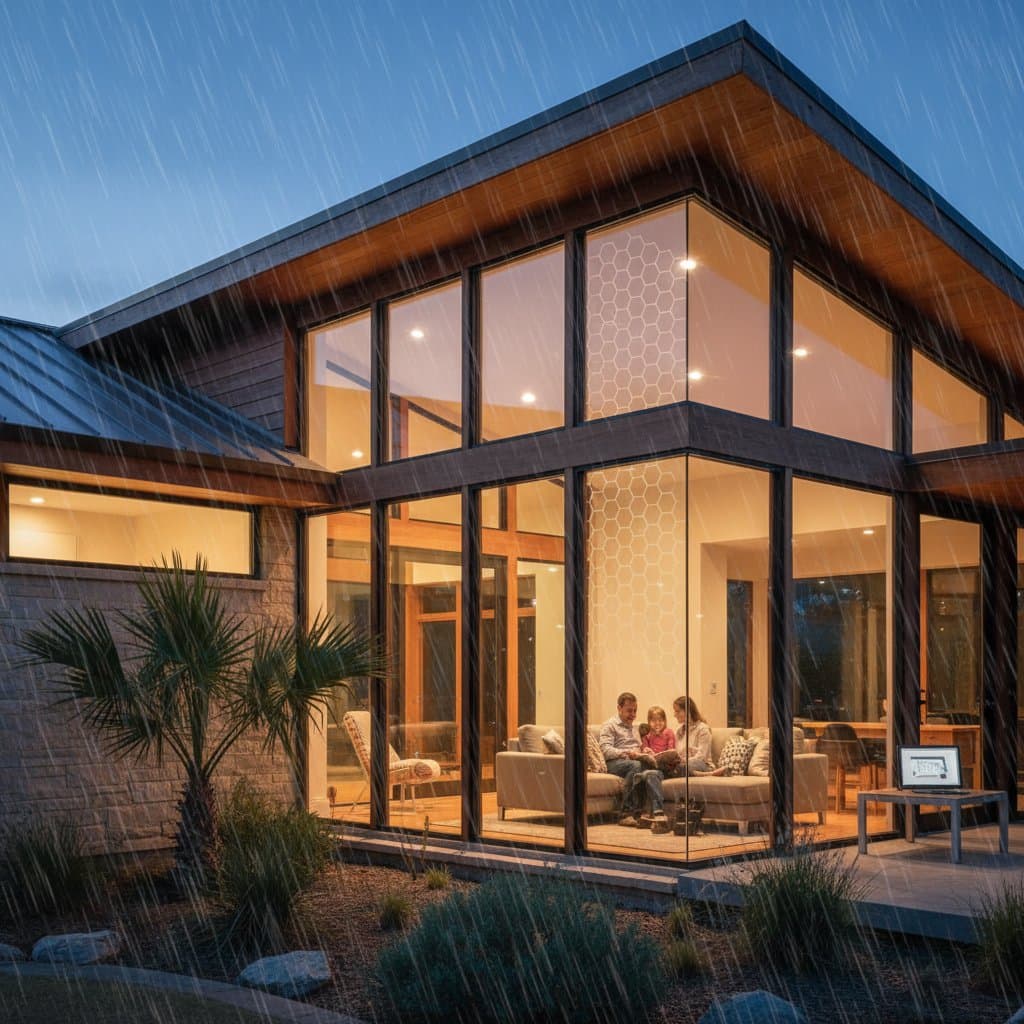
Homeowners in areas prone to hurricanes, tornadoes, and high winds confront significant challenges in safeguarding their properties. Although roofs and foundations attract primary focus, windows represent critical weak points that can lead to extensive damage from debris or pressure changes. Impact-resistant windows provide robust defense by withstanding severe impacts, yet their adoption demands thorough evaluation of technical specifications, budget implications, and installation protocols.
This resource outlines a structured approach to impact-resistant window projects, emphasizing consumer safeguards. It addresses product fundamentals, project economics, warranty intricacies, and criteria for material and contractor choices to facilitate informed decisions.
Understanding Installation Costs
Window replacement expenses frequently exceed initial expectations when homeowners consider only basic quotes. Impact-resistant units command premium prices owing to laminated glass, reinforced frames, and rigorous testing standards. Break down costs into distinct components for accurate budgeting:
- Unit pricing: Cost per window varies by dimensions, with standard sizes starting at $500 and custom designs exceeding $2,000.
- Labor charges: Professional installation, including demolition and precise fitting, typically ranges from $200 to $500 per opening.
- Regulatory fees: Permits and inspections add $100 to $300, depending on local requirements.
- Debris management: Hauling away old materials incurs $50 to $150 per project.
- Enhancements: Options like energy-efficient glazing or custom finishes can increase totals by 20 to 50 percent.
Comprehensive bids must encompass materials, labor, and contingencies. For a typical three-bedroom home, expect $10,000 to $30,000 overall, with adjustments for structural adaptations like header reinforcements.
Installation Sequence for Optimal Results
Effective window installation adheres to a precise workflow that guarantees structural integrity and regulatory adherence.
-
Consultation and quoting: Initiate with a site visit where the contractor assesses window quantities, measurements, and preferences to generate an initial proposal.
-
Detailed evaluation: Professionals inspect existing structures for load-bearing issues and determine if reinforcements, such as additional framing, prove necessary.
-
Contract finalization: Review itemized quotes, product datasheets, and schedules; secure written approval before proceeding.
-
Execution phase: Crews dismantle old units, seal openings, and secure new windows with impact-rated hardware and weatherproof compounds, adhering to manufacturer guidelines.
-
Verification and handover: Conduct final walkthroughs, obtain inspection approvals, and receive warranty certificates alongside care guidelines.
Document every stage with photos and records. Such documentation proves invaluable for insurance purposes and dispute resolution.
Scrutinizing Contract Details
Service agreements merit close examination to prevent oversights. Key elements include:
-
Work scope: Verify inclusion of demolition, perimeter sealing, and site restoration.
-
Payment terms: Structure disbursements as 30 percent deposit, 40 percent midpoint, and 30 percent upon completion to mitigate risks.
-
Warranty coverage: Clarify responsibilities between installer and producer for defects or failures.
-
Resolution mechanisms: Note provisions for mediation or specific courts that influence recourse options.
Contracts often exempt delays from material shortages or weather events. Anticipate these by building buffer time into timelines and clarifying storage arrangements.
Ensuring Quality Through Inspections
Inspections confirm that installations deliver rated performance against wind and debris. Evaluators examine:
- Frame securement to walls via anchors rated for 150 mph winds.
- Uniform sealant beads preventing water infiltration.
- Installation of specified screws and clips from certified suppliers.
- Level placement to distribute forces evenly across panes.
Noncompliance risks performance failures and warranty invalidation. Demand a signed attestation of code conformity, which bolsters insurance claims and resale documentation.
Comparing Impact Windows and Shutters
Homeowners weigh impact windows against shutters for storm protection. Each option presents unique financial and practical considerations.
| Protection Type | Cost per Opening | Upkeep Requirements | Lifespan | Aesthetic Integration |
|---|---|---|---|---|
| Impact Windows | $800–$3,000 | Low; occasional cleaning | 20+ years | Seamless, modern look |
| Storm Shutters | $200–$1,000 | Frequent deployment and storage | 10–15 years | Functional but obtrusive |
Windows provide passive, always-on shielding with added insulation benefits, potentially reducing utility bills by 15 percent. Shutters demand active management, suiting temporary needs or budget constraints. Factor in insurance discounts, which often favor permanent solutions in high-risk zones.
Selecting Contractors Without Errors
Common errors in contractor hiring can lead to subpar outcomes and added expenses. Mitigate them by:
-
Demanding detailed proposals: Reject verbal assurances; require breakdowns of all costs and timelines.
-
Verifying team qualifications: Inquire about lead installers' certifications, such as those from the Fenestration and Glazing Industry Alliance.
-
Confirming permits: Insist on licensed professionals who handle all approvals to avoid liability for violations.
-
Reviewing protections: Request proof of $1 million liability insurance and workers' compensation.
-
Monitoring advancements: Schedule bi-weekly site visits to catch deviations early, ensuring adherence to plans.
Vigilance throughout preserves quality and accountability.
Sustaining Performance with Maintenance
Routine upkeep preserves impact resistance and warranty terms. Implement these practices:
-
Wash surfaces using non-abrasive solutions and microfiber tools quarterly.
-
Examine caulking and gaskets yearly; reseal minor fissures promptly.
-
Apply manufacturer-recommended lubricants to operable components biannually.
-
Refrain from unauthorized modifications like adhesive films that alter impact ratings.
Consider annual service contracts costing $100 to $300, which include inspections and minor repairs. Weigh their benefits against DIY efforts based on your comfort level.
Achieve Lasting Home Protection
Integrating impact-resistant windows fortifies residences against environmental threats while elevating efficiency and appeal. By mastering costs, processes, and safeguards, homeowners secure installations that withstand trials and deliver enduring returns. Consult local experts to tailor solutions to your specific needs, ensuring resilience for years ahead.