Flood-Proof Your Home: Essential Prevention Strategies Before Elevation
Flooding poses a significant threat to homes in vulnerable areas, yet proactive measures can transform vulnerability into resilience. By focusing on prevention rather than reactive elevation, homeowners gain control over risks associated with rising water levels. This approach involves layered defenses that address exterior drainage, structural barriers, and internal protections, ensuring long-term safety and financial stability.
Targeted upgrades not only comply with evolving building standards but also qualify for insurance discounts. Begin with an assessment of your property's specific flood zone using local resources. Then, implement practical steps that balance cost, effort, and effectiveness, creating a comprehensive shield against water intrusion.
Key Flood Prevention Upgrades
These upgrades form the core of a robust flood-proofing plan. Each targets a specific vulnerability, from water entry points to system failures during storms. Prioritize based on your home's layout and local flood history for maximum impact.
Install or Upgrade a Sump Pump
A sump pump serves as a critical line of defense in basements prone to water accumulation. Begin by excavating a pit at the lowest point of the basement floor if none exists. Line the pit with gravel for stability, position a durable sump basin, and connect the pump to discharge piping that extends at least ten feet away from the foundation wall to avoid recirculation.
Select a pump with capacity matched to your basement's square footage and expected water volume, typically measured in gallons per hour. Incorporate a backup system, such as a battery-operated unit or one powered by water flow, to maintain functionality during power outages. Perform monthly tests by adding water to the pit until the float switch activates the pump, confirming reliable operation and early detection of issues.
Regular maintenance extends the system's lifespan and prevents costly failures. Clean the pit annually to remove debris, and inspect the discharge line for clogs or damage. These steps ensure the pump activates swiftly during heavy rains, diverting water before it spreads.
Protect Utilities and Appliances
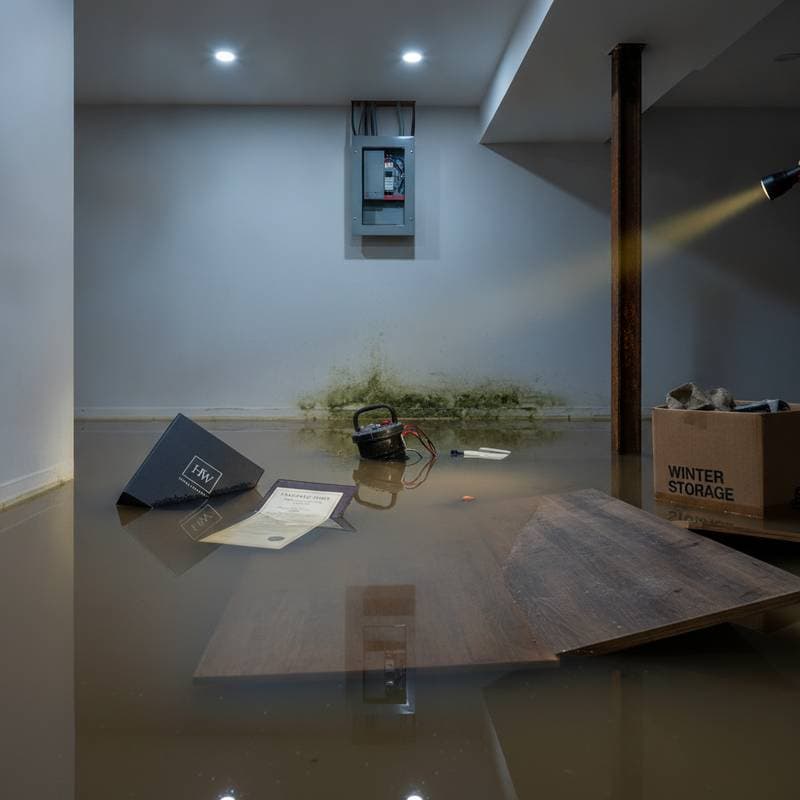
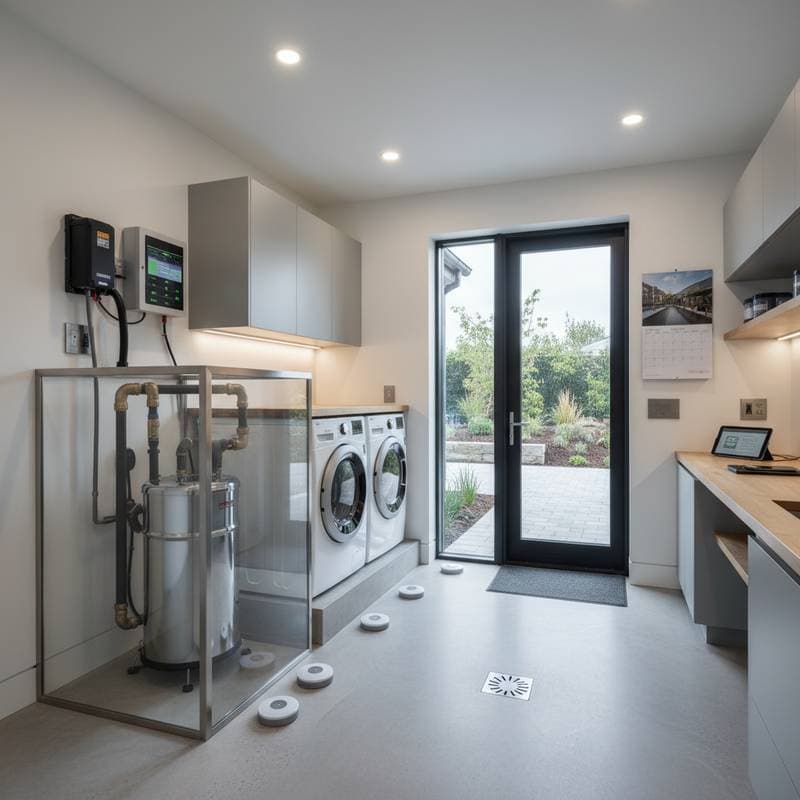
Utilities represent high-value targets for flood damage, with repair costs often exceeding thousands of dollars. Relocate electrical panels, outlets, and switches to positions above the projected flood elevation, determined through site-specific flood maps. Similarly, elevate water heaters, furnaces, and washing machines using sturdy concrete blocks or adjustable steel platforms to keep them operational post-flood.
Secure fuel oil tanks with anchoring straps and reinforce gas lines against displacement. For situations where elevation proves impractical, install waterproof electrical enclosures and sealed conduits to shield wiring from moisture. Engage a licensed electrician for all modifications to wiring, as improper handling risks fire hazards or code violations.
These protections preserve essential services and simplify recovery. Document installations for insurance purposes, as elevated utilities often lead to premium reductions. Periodic inspections verify anchors and seals remain intact, maintaining reliability over time.
Upgrade Doors and Windows
Doors and windows at ground level serve as primary entry points for floodwaters, necessitating robust reinforcements. Replace aging basement windows with models featuring watertight frames and tempered glass designed for hydrostatic pressure. For entry doors, install custom flood shields or deployable barriers that slot into pre-installed tracks, allowing rapid setup during storm warnings.
Apply high-quality, weather-resistant caulk to seal frames, thresholds, and joints, creating impermeable barriers. Conduct inspections twice yearly, in spring and fall, to identify and repair any gaps or deterioration caused by weathering. These upgrades withstand moderate flooding while preserving natural light and ventilation.
Consider the aesthetic integration of new windows to avoid compromising curb appeal. Professional installation ensures alignment and longevity, particularly for larger openings. With proper care, these elements contribute to a seamless defense without altering the home's exterior significantly.
Add Smart Monitoring Systems
Early detection prevents minor leaks from escalating into major disasters. Place water sensors in strategic locations, including near sump pits, under water heaters, and along low-lying floors. Integrate these devices with home automation hubs or standalone alarms that send instant notifications to your smartphone upon detecting moisture.
Affordable sensors, often priced under fifty dollars each, provide returns far exceeding their cost by averting damage to subfloors, drywall, and furnishings. Test the system quarterly by simulating water contact, ensuring alerts function reliably. This technology empowers remote monitoring, ideal for homeowners who travel frequently.
Advanced setups link sensors to automated shutoff valves for plumbing lines, further containing issues. Pair with humidity monitors to track overall moisture levels, enabling preventive adjustments like dehumidifier use. Such proactive tools enhance peace of mind and reduce emergency response times.
DIY Versus Professional Assistance
Homeowners possess varying skill levels, making it essential to distinguish tasks suitable for self-handling from those requiring expert intervention. This division optimizes safety, efficiency, and compliance with regulations.
Tasks Suitable for DIY
- Regrade yard soil to direct water away from the foundation, using a shovel and level for slopes of at least six inches over ten feet.
- Clean gutters and downspouts seasonally to maintain free flow, preventing overflow onto siding.
- Seal small cracks in foundations with hydraulic cement, following product instructions for mixing and application.
- Install removable flood barriers for doors, securing them with sandbags or weights for added stability.
- Set up basic water detection alarms, adhering to manufacturer guidelines for placement and battery installation.
These activities demand basic tools and minimal risk, allowing cost savings while building familiarity with your home's systems.
When to Hire a Professional
Seek expert help for complex or hazardous work to avoid structural compromise or legal issues.
- Address foundation cracks exceeding a quarter-inch width, which may indicate settling or pressure buildup.
- Investigate water seepage through floor slabs, requiring specialized drainage solutions.
- Undertake electrical or plumbing alterations, where errors pose safety threats.
- Comply with local codes mandating certified professionals for flood vents or openings.
Professionals bring diagnostic equipment and experience to pinpoint root causes effectively.
Professional Advantages
Experts conduct soil percolation tests to assess drainage capacity accurately. They design and install sump systems with precise check valves to eliminate backflow risks. Compliance with building codes ensures installations withstand inspections, backed by warranties for materials and labor.
Sizing pumps involves calculating flow rates based on rainfall data and basin volume, surpassing amateur estimates. Professionals also integrate upgrades holistically, such as combining barriers with sensor networks for comprehensive coverage. Their involvement minimizes long-term expenses through durable, tailored solutions.
Alternative Flood Mitigation Options
Beyond core upgrades, consider these alternatives tailored to property size, flood severity, and budget constraints. Each offers unique benefits, often complementing primary strategies.
Flood Walls or Berms
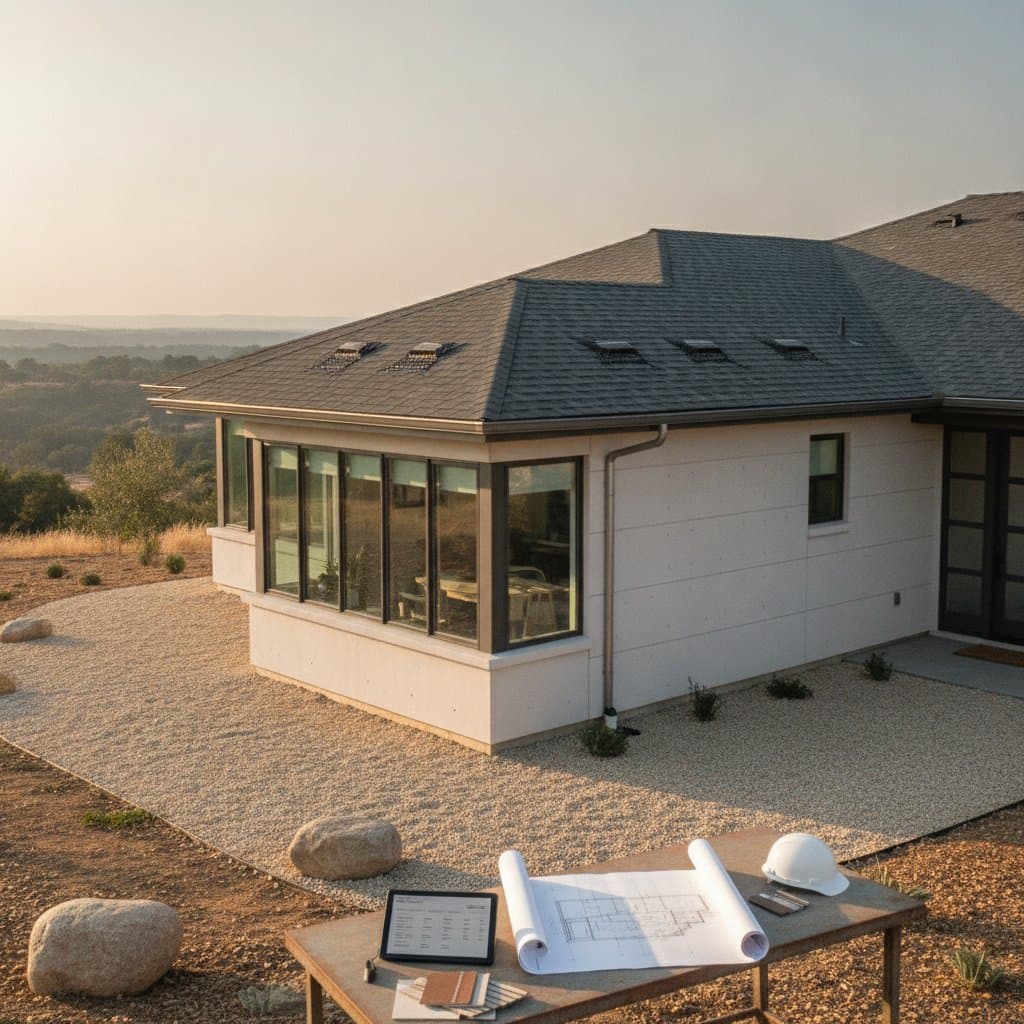
Ideal for expansive lots or rural settings, these structures redirect water at a distance from the home. Construct walls from concrete blocks or earthen berms reinforced with vegetation, typically rising two to three feet high. Anticipate elevated upfront costs and navigate permitting processes, as alterations affect local waterways.
Maintenance includes clearing debris and repairing erosion to prevent breaches. These options excel in high-velocity flood zones, providing a visible, permanent barrier that enhances landscape security.
Dry Floodproofing Coatings
Apply these to masonry or concrete exterior walls for resistance against shallow flooding. Specialized sealants and membranes block water penetration while allowing walls to breathe, suitable for splash zones or infrequent events. Preparation involves cleaning surfaces thoroughly for adhesion.
Limitations include vulnerability to intense pressure; thus, pair with barriers for severe risks. Reapplication every five to seven years maintains efficacy, offering a low-disruption method for older homes.
Wet Floodproofing
This strategy accepts water entry in non-living areas like garages or crawl spaces, minimizing damage through flood-resistant materials. Install sump pumps, drains, and elevated storage to facilitate drainage and cleanup. Select sealed concrete floors and corrosion-resistant fixtures to endure submersion.
Best for unavoidable flooding, it reduces structural failure risks by equalizing pressures. Combine with utility protections to limit electrical hazards, transforming potential disaster zones into manageable spaces.
Frequently Asked Questions
Addressing common concerns helps clarify next steps in flood preparation.
How can I determine my home's flood risk?
Consult official flood hazard maps from government agencies or your local planning department. Review historical insurance claims for nearby properties. Persistent standing water after rainfall serves as a practical indicator of vulnerability.
Do flood vents effectively reduce damage?
Flood vents equalize interior and exterior water pressure, preventing wall collapse during inundation. They permit water flow through foundations but do not exclude it entirely. Proper sizing and placement, per code, maximize their protective role.
Can landscaping contribute to flood prevention?
Landscaping features such as swales, rain gardens, and permeable paving surfaces effectively slow and absorb runoff. Integrate them with foundation grading and extended downspouts for optimal performance. Native plants enhance absorption without excessive maintenance.
Will these upgrades affect my insurance rates?
Insurance providers frequently grant premium discounts for documented flood mitigation, including sump pumps and vents. Submit certificates of installation to your agent for evaluation. Savings can offset upgrade costs over time.
Are permits required for flood-proofing work?
Permits apply to modifications involving drainage, electrical systems, or structural elements in many jurisdictions. Contact your building department prior to commencement to confirm requirements. Unauthorized work may void warranties or insurance coverage.
How effective are door flood barriers?
These provide reliable short-term defense against rising water, rated for specific depths up to three feet. Select models with quick-assembly mechanisms and store them accessibly. Regular practice ensures deployment during alerts.
Pre-Flood Preparation Checklist
Use this checklist to systematically review and implement protections. Mark each item upon completion for organized progress.
- Verify yard grading slopes away from the foundation by at least six inches over ten feet.
- Seal cracks in basement walls and joints with appropriate waterproof materials.
- Test the sump pump and its backup power source monthly.
- Install or examine flood vents for proper function and clearance.
- Elevate or apply waterproofing to utilities and appliances.
- Add backflow prevention valves to sewer and drain lines.
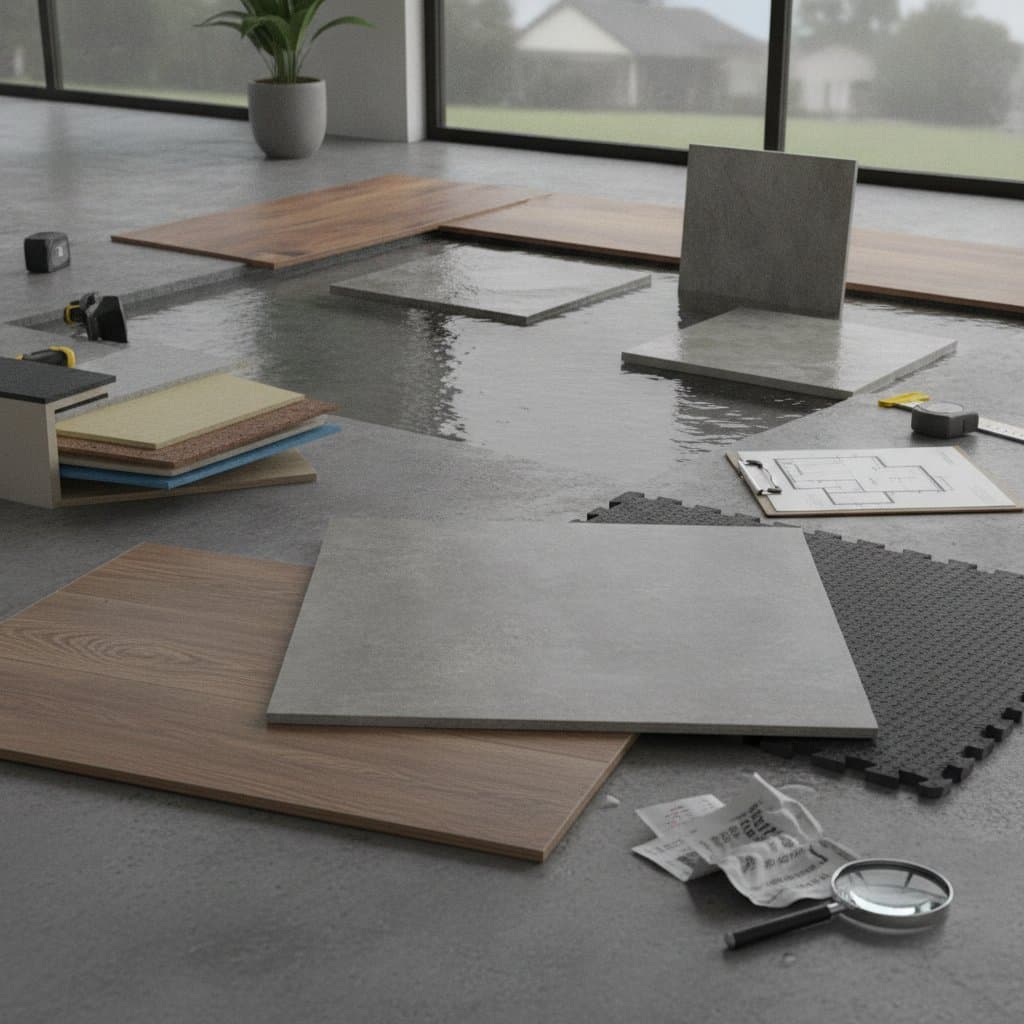
- Upgrade to water-resistant flooring and wall coverings in vulnerable areas.
- Deploy water alarms and conduct monthly functionality tests.
- Evaluate and update flood insurance policy coverage.
Building Lasting Resilience
Effective flood-proofing emerges from integrated layers rather than isolated fixes. Commence with exterior elements like grading and drainage, progressing to interior safeguards for utilities and monitoring. This methodical build-up fortifies your home against varied threats.
For constrained budgets, prioritize inexpensive actions such as sealing and testing existing systems. Gradually incorporate advanced features as funds permit, ensuring steady advancement. Through informed choices, consistent upkeep, and emergency readiness, your property withstands floods while retaining comfort and worth.