What Multigenerational Renovations Cost in 2026
Summary Box
National average cost: $180,000
Typical range: $110,000 to $350,000
Low end: $50,000 for partial suite conversion
High end: $600,000 for full addition with kitchen and bath
Time to complete: 3 to 9 months
DIY or Pro: Mostly pro with selective DIY finish options
ROI or resale impact: 50 to 80 percent depending on layout flexibility
Updated: May 2026
Cost Factors
Scope and Size
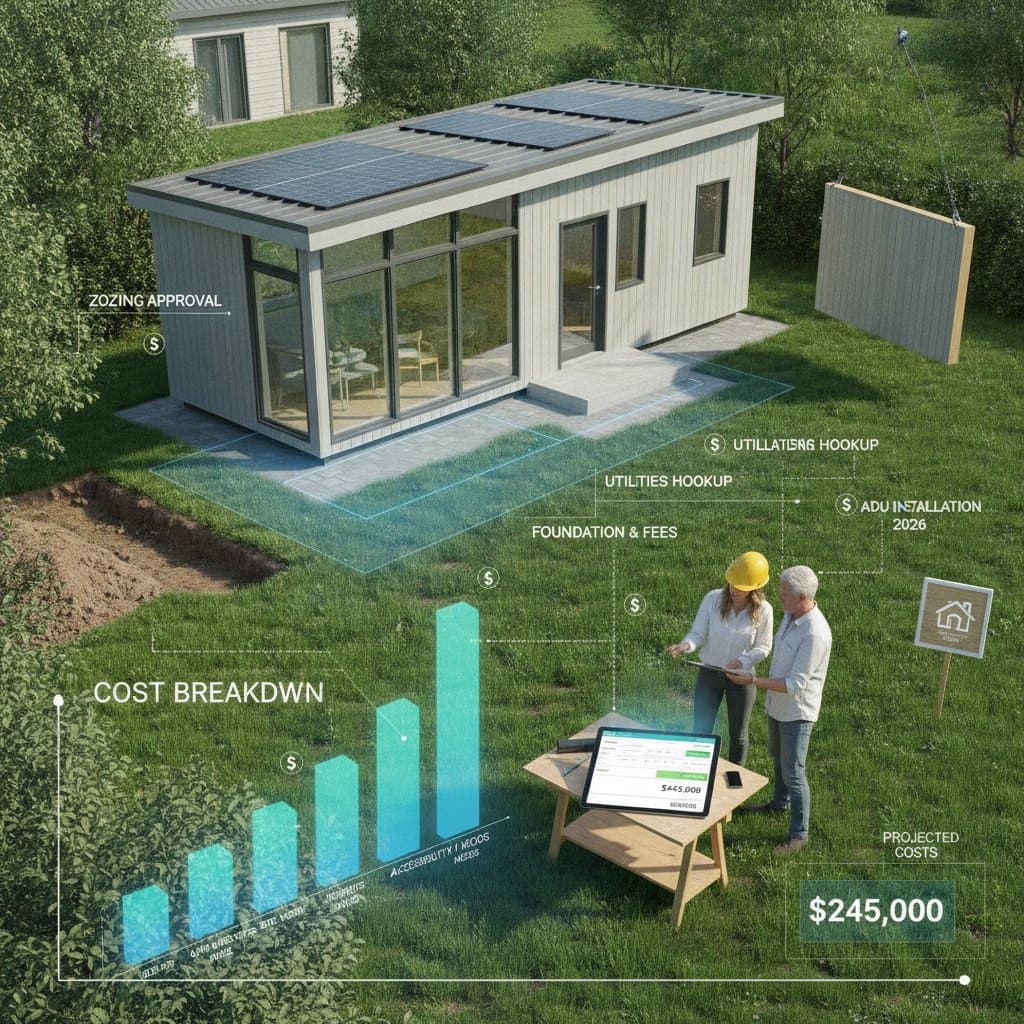
The extent of the project significantly influences expenses. Converting an existing basement into a basic bedroom suite costs less than constructing a new wing with dedicated facilities. For instance, a 400-square-foot efficiency space may total $90,000, while a 1,000-square-foot addition featuring a private entrance could exceed $350,000.
Material Grade and Finish
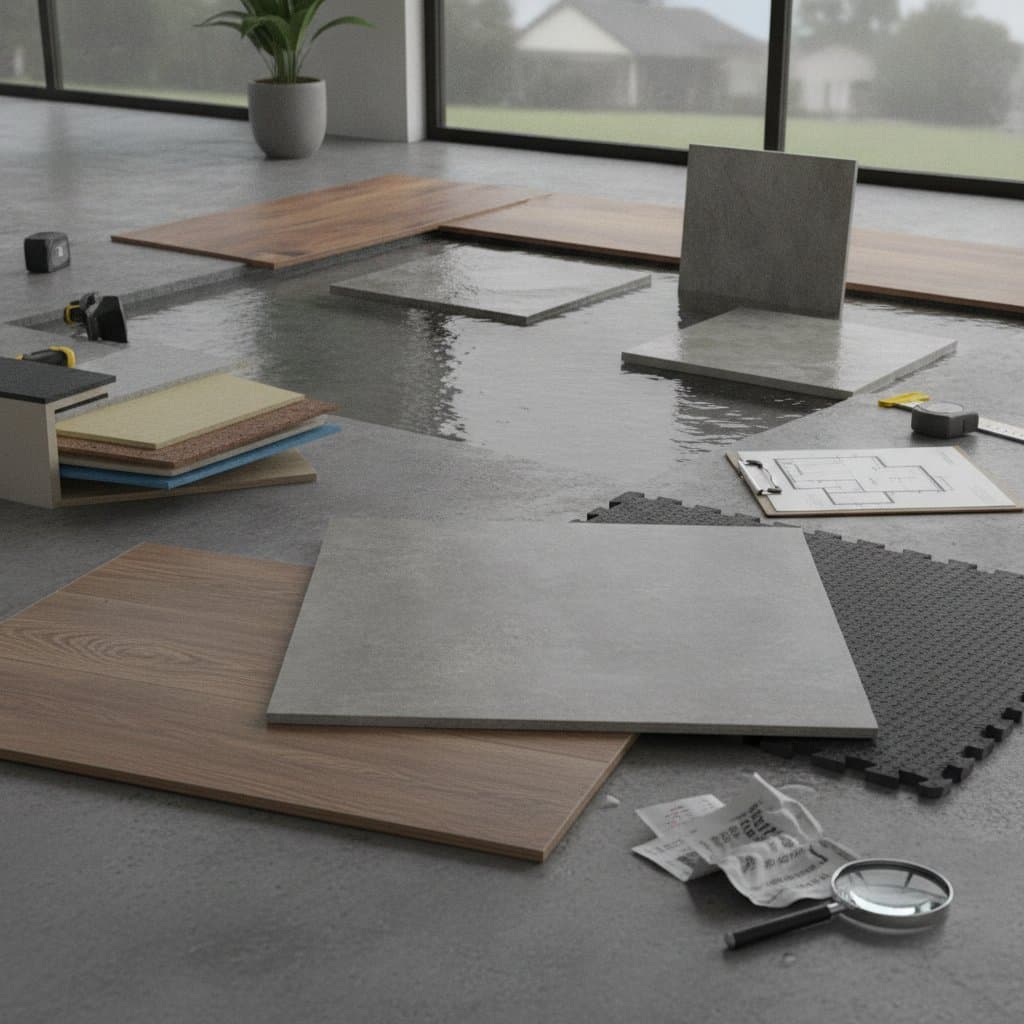
Selecting durable options at midrange prices strikes an ideal balance between affordability and upkeep. High-end elements such as bespoke cabinetry, tiled showers, and quartz countertops can inflate finishing costs by up to double. Homeowners benefit from prioritizing resilient materials that withstand daily family use without frequent replacements.
Site Conditions and Accessibility
Challenging terrain complicates construction and elevates expenses. Narrow lots or inclined landscapes demand additional excavation and reinforced foundations. Restricted equipment access prolongs labor, and city properties frequently require specialized drainage systems or retaining structures to manage water flow.
Labor Market and Season
Regional demand affects hourly rates, with peak periods increasing costs by 15 to 30 percent. Scheduling during off-peak months like winter often yields discounts, although inclement weather poses risks of delays. Coordinating with local trade availability ensures smoother execution.
Custom Work and Change Orders
Intricate designs, including arched walls, high ceilings, or elaborate roof integrations, extend framing durations and raise bills. Mid-project modifications necessitate extra demolition and reconstruction, amplifying overall outlays. Clear initial specifications minimize these surprises.
Strategies to Reduce Costs Effectively
Integrate Shared Systems
Leverage current infrastructure where possible to cut expenses. Extending HVAC through a minor zoning addition or installing a compact split system proves more economical than full replacements. Accessible main sewer lines allow shared usage with appropriate ventilation, avoiding duplicate installations.
Design for Efficiency
Position bathrooms vertically aligned or adjacent to minimize plumbing distances. Locate kitchens along outer walls to simplify exhaust venting. Streamlined floor plans reduce the need for extensive drywall, flooring, and surface treatments, preserving budget for essential features.
Procure Materials Wisely
Opt for standard midlevel fixtures and cabinetry from readily available inventories for optimal value. Reserve custom fabrication for elements that align with the home's original style. Negotiate with regional vendors for volume discounts on comprehensive room packages.
Sequence the Project Thoughtfully
Stockpile key materials prior to commencement to avoid interruptions. Delays from awaiting tiles or cabinetry idle work crews and inflate charges. Complete preparatory tasks like utility routing and subflooring early to streamline subsequent phases.
Obtain Multiple Quotes
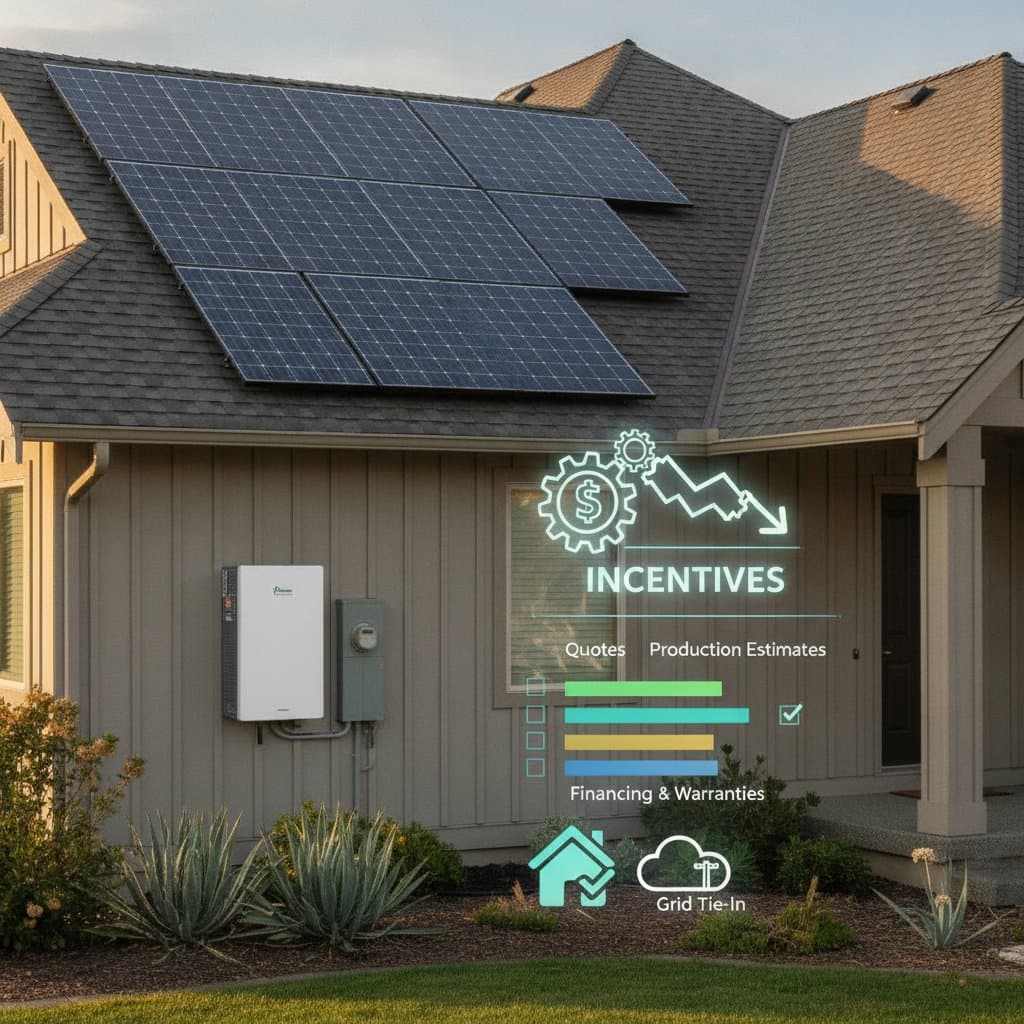
Request itemized breakdowns from at least three contractors, detailing materials, labor, and administrative fees. Scrutinize inclusions for site preparation, debris removal, and guarantees. Identify potential add-ons such as landscaping adjustments or connection charges.
Quote Comparison Checklist
- Scope fully itemized
- Material specifications and brands specified
- Preparation and cleanup provisions detailed
- Permitting and waste management fees covered
- Warranty details and schedules outlined
- Payments aligned with project milestones
Guide to Hiring Professionals
-
Clarify Project Goals
Identify the intended occupants, whether elderly relatives, grown offspring, or potential tenants. This guides decisions on kitchen dimensions, seclusion measures, and mobility accommodations. -
Evaluate Current Home Layout
Properties with undeveloped basements or expansive garages offer conversion potential. New builds necessitate zoning reviews for boundary offsets and coverage limits. -
Engage a Designer or Architect
Professionals develop compliant blueprints that preserve market appeal. Budget 8 to 12 percent of total construction for these services, which prevent costly revisions later. -
Obtain Necessary Permits
Forward plans to the municipal authority, encompassing structural, mechanical, and electrical components. Consult contractors on approval durations to align timelines. -
Choose a Reliable Contractor
Solicit comprehensive bids from three or more sources. Verify credentials through client testimonials, coverage documentation, and certifications. Inspect comparable past work for quality assurance. -
Establish Payment Terms
Tie disbursements to verifiable progress points, from groundwork completion to structural approvals and concluding reviews. Retain 5 percent until all deficiencies resolve. -
Oversee Construction
Conduct regular site visits to confirm adherence to designs. Verify installations of insulation, electrical, and piping prior to enclosing walls. Document advancements photographically for records and claims. -
Conduct Final Review and Activation
Authorities confirm adherence to standards during inspections. Secure certification of habitability prior to occupancy or marketing the space.
Ensuring Long-Term Durability
Routine Upkeep Practices
Inspect site grading and water diversion annually to avert dampness penetration. Maintain gutter systems to shield extensions from runoff. Replace HVAC filters quarterly to sustain efficiency.
Identifying Potential Issues Early
Discoloring exteriors or damp odors signal water ingress. Irregular flooring suggests foundation shifts or runoff problems. Promptly resolve minor drips to forestall extensive harm.
Deciding on Repairs or Replacements
Patch superficial wall fissures or sealant failures affordably. Investigate subsidence or concealed pipe failures with experts. Refresh culinary and sanitary areas every 15 to 20 years to align with contemporary standards and usability.
Maximizing Family Living Value
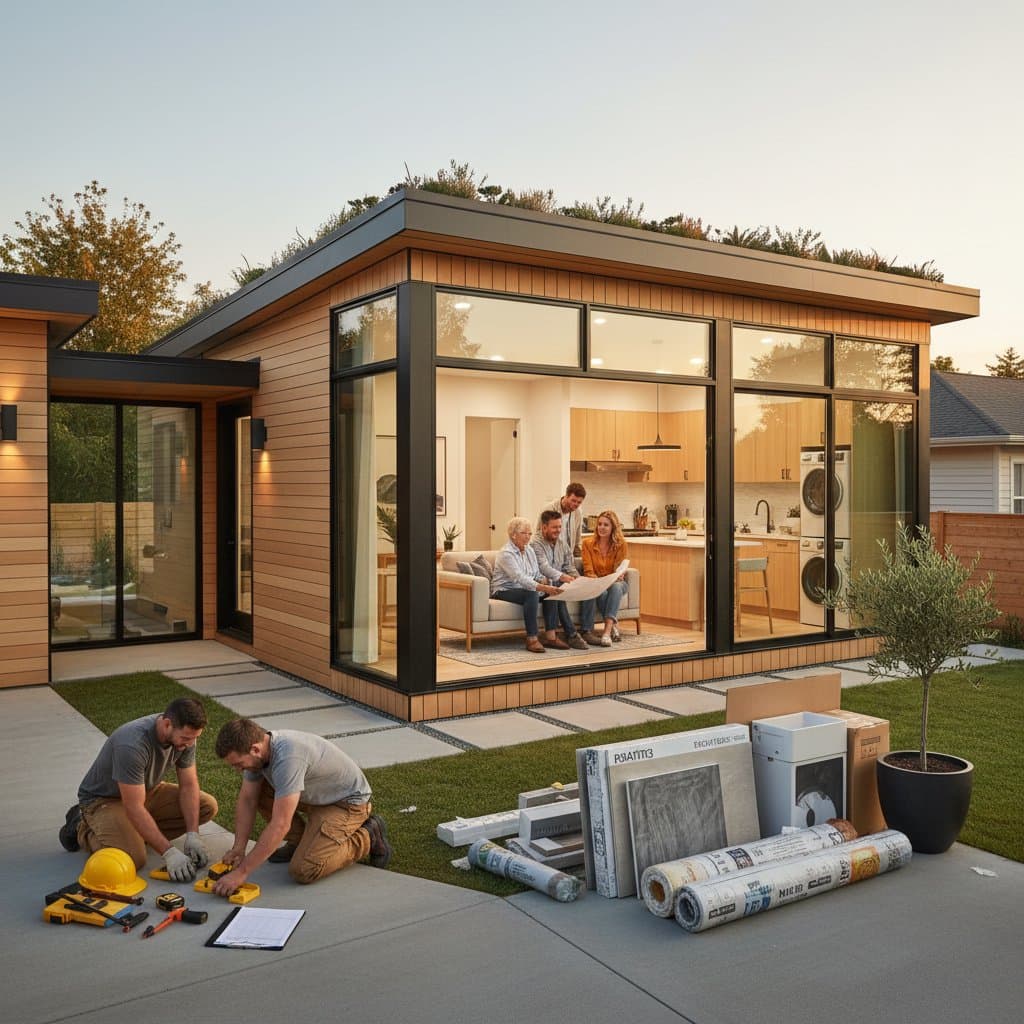
Multigenerational renovations foster enduring family bonds through thoughtful spaces that adapt to evolving needs. By addressing costs upfront and prioritizing quality, homeowners secure a residence that supports multiple generations while enhancing equity. This investment not only meets immediate housing demands but also positions the property for strong future performance in competitive markets.