Multigenerational Homes: Understanding 2026 Conversion Costs
Homeowners increasingly choose multigenerational living to support aging parents, adult children, or extended family members. This arrangement fosters closeness while respecting individual privacy. However, transforming a single-family home into such a space requires thorough preparation to manage expenses, navigate regulations, and achieve lasting functionality.
Conversions often surprise newcomers with their scope. Beyond basic renovations, projects must integrate separate living areas that comply with building codes. Early evaluation of these elements prevents budget overruns and ensures the design serves family dynamics effectively.
What Constitutes a Multigenerational Conversion
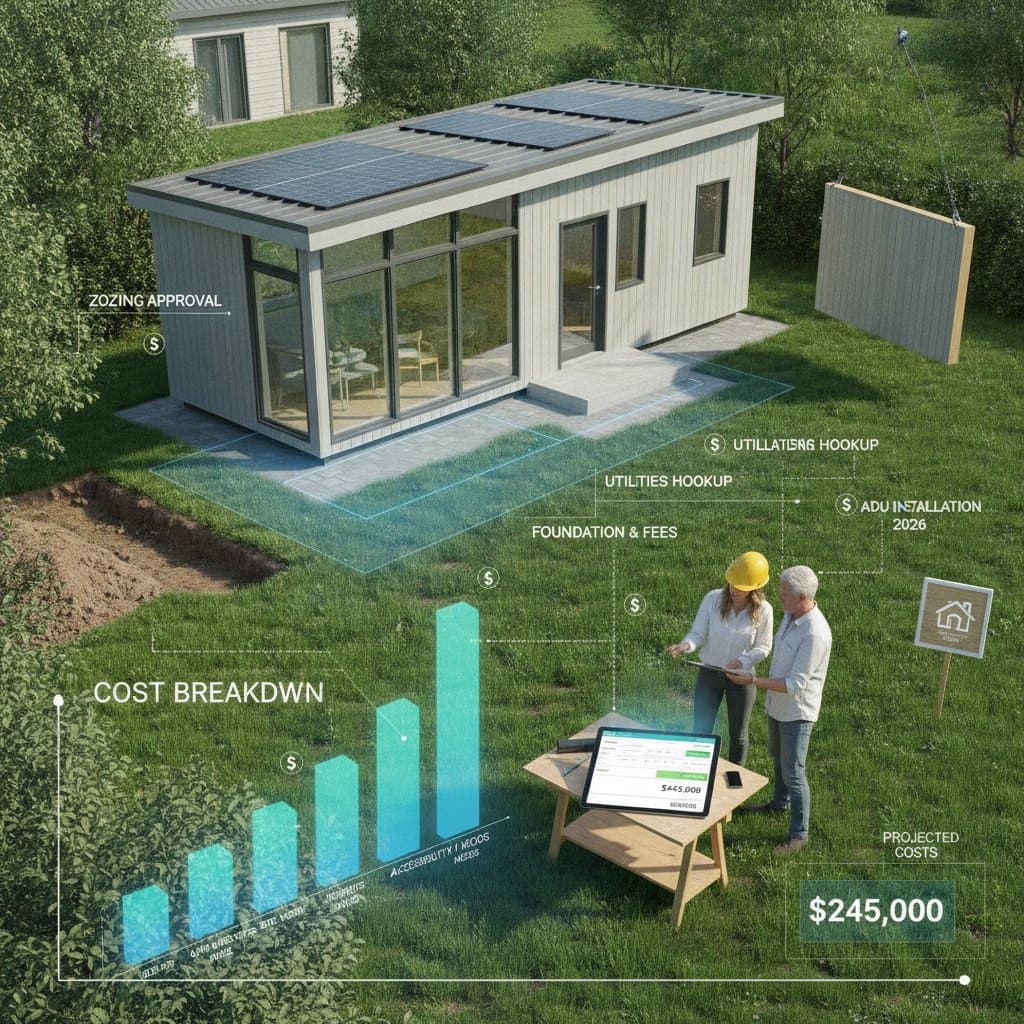
Multigenerational conversions adapt existing homes or add new units to provide self-sufficient spaces under one property. Common approaches include finishing a basement into an apartment, repurposing a garage, or building a detached backyard cottage, known as an accessory dwelling unit or ADU.
These projects emphasize both independence and connectivity. Essential features comprise secondary kitchens, private bathrooms, and dedicated entrances. Designs must also adhere to zoning laws, which dictate allowable sizes, placements, and utilities.
Homeowners benefit from consulting local guidelines early. Such steps reveal feasible options and highlight adaptations needed for shared infrastructure like heating or water systems.
Building a Solid Budget Foundation
Effective budgeting starts with categorizing expenses to capture the full picture. Key areas encompass construction basics, system upgrades, permits, professional services, accessibility enhancements, and finishing touches.
For instance, base construction handles framing and insulation, while mechanical upgrades address plumbing for new bathrooms. Permits vary by location, often adding several thousand dollars based on project scale. Design fees secure detailed plans that satisfy inspectors.
Homeowners financing via loans should document these categories meticulously. Lenders review them to approve funding, ensuring alignment with project goals.
Average Cost Ranges for Common Conversions
Costs fluctuate by region, materials, and site conditions, but national averages from recent projects provide a benchmark. The table below summarizes estimates for typical ADU conversions in 2026, including labor and core materials.
| Conversion Type | Estimated Cost Range | Key Factors Influencing Price | Typical Add-Ons |
|---|---|---|---|
| Basement or Attic ADU | $60,000–$130,000 | Square footage, moisture barriers | Egress windows, ventilation |
| Garage Conversion | $75,000–$160,000 | Insulation needs, parking alternatives | New flooring, electrical outlets |
| Detached Backyard Unit | $130,000–$300,000 | Foundation work, utility connections | Decking, fencing integration |
| Interior Suite Addition | $85,000–$190,000 | Structural reinforcements | Custom cabinetry, lighting |
These figures exclude land preparation or unforeseen repairs, such as foundation strengthening. Labor shortages or supply chain issues may increase prices by 10 to 20 percent.
Detailed Cost Components
Projects break down into phases that reveal expense distribution. Demolition and framing form the base, typically 40 to 50 percent of the total. Mechanical systems, including wiring and pipes, contribute 15 to 25 percent, rising with demands for separate circuits.
Permits and fees account for 5 to 10 percent, potentially more if variances apply. Finishes like countertops and paint add 20 to 25 percent, varying by selections. Accessibility elements, such as widened doorways, tack on another 5 to 10 percent.
Track these proportions during planning. For example, installing a full kitchen elevates plumbing costs due to required venting and inspections.
Navigating the Conversion Process Step by Step
Successful projects follow a sequenced approach to minimize disruptions. Begin with a feasibility study: Engage an architect to assess the home's structure, zoning compliance, and layout potential.
Next, conduct a detailed assessment of utilities and integrity. This identifies issues like insufficient electrical capacity, prompting upgrades.
Submit plans for approval, addressing any feedback on entrances or kitchens. Construction then advances in stages—foundation, framing, systems—with inspections at each.
Finalize with interiors and utility hookups, followed by a walkthrough. Post-completion, secure warranties and schedule maintenance to sustain performance.
Anticipate timelines of 3 to 12 months. Coordinate payments with milestones to control cash flow.
Key Limitations Impacting Budget and Design
Local rules shape project viability. Zoning often limits unit size or requires setbacks from property lines. Utility constraints may necessitate service expansions for added demand.
Parking mandates could require driveway adjustments, while drainage standards demand site grading. Homeowners associations might prohibit visible changes.
Address these upfront through municipal inquiries. Early adjustments avoid costly redesigns or permit rejections.
Long-Term Financial Considerations
Initial outlays represent only part of the equation. Expect rising property taxes post-reassessment, plus higher insurance for expanded coverage. Utilities increase with extra usage in heating and water.
Maintenance doubles across spaces, from separate roofs to appliances. Project these over five to ten years to gauge affordability.
Shared living can reduce per-person costs, and compliant ADUs offer rental potential. Weigh these against ongoing obligations for a complete view.
Exploring Financing Options
Select financing based on equity and project size. Home equity lines offer flexibility for phased payments. Construction loans transition to mortgages upon completion.
Refinancing consolidates debts, while personal loans suit modest interiors. Compare interest rates and terms using online calculators.
Verify if the conversion boosts home value enough to cover borrowing costs. Consult advisors to match options with financial profiles.
Ensuring Regulatory Compliance
Zoning varies: Some areas permit family-only ADUs, others allow rentals with licenses. Secure building permits for safety and occupancy approvals for habitability.
Adhere to fire codes with smoke detectors and exits, plus accessibility via ramps if needed. Utility approvals confirm connections meet standards.
Obtain written pre-approval from officials. Compliance safeguards against fines and eases future sales.
Safeguarding Your Project Investment
Protect investments by reviewing contracts thoroughly. Opt for fixed-price agreements to cap costs, or cost-plus for transparency. Insist on detailed warranties covering labor and materials.
Document changes in writing and conduct regular site checks. Retain all records for insurance or resale.
Ultimately, a well-executed conversion strengthens family bonds and property worth. Prioritize professional guidance to realize these benefits without compromise.