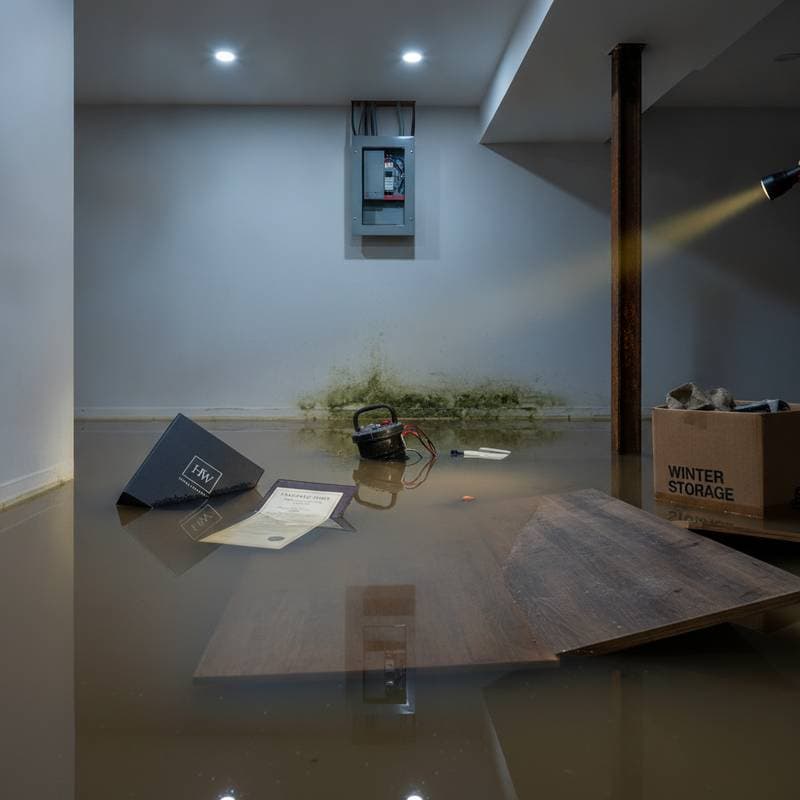
Understanding Flood Prevention for Homeowners
Floods pose a significant threat to residential properties, often causing extensive damage to structures, electrical systems, and personal belongings. Proactive measures prove more cost-effective than remediation efforts. The three-layer strategy—deflect, defend, and discharge—ensures water remains at a safe distance from your home. This guide provides detailed steps, material recommendations, and practical considerations to implement these layers effectively.
Benefits and Considerations
Implementing flood protection yields several advantages. Property owners experience reduced risk of loss, preserved structural integrity, and improved indoor environments. Such enhancements also boost property value and facilitate better insurance options.
However, initial investments in materials and labor represent a primary drawback. Regular upkeep of systems like gutters and pumps adds to long-term responsibilities. Compliance with local regulations, including permits, remains essential in most jurisdictions.
These measures suit properties in flood-prone areas, such as those near waterways or on low-lying terrain. Homes with clay-rich soils or in urban settings with constrained drainage benefit particularly. Even regions with infrequent storms warrant preparation, as intense rainfall can overwhelm unprepared sites.
Layer 1: Deflect Water Away from the Foundation
The first layer focuses on guiding water outward before it reaches the home. Proper site assessment forms the foundation of this approach.
Assess and Adjust Site Drainage
Inspect the property during rainfall to identify pooling or directional flow toward the house. Employ a four-foot level and straightedge to measure slopes; the ground must descend at least six inches over the initial ten feet from the foundation. If deficiencies exist, redistribute soil to create a positive gradient.
Maintain and Upgrade Gutters
Clear debris from gutters and downspouts seasonally, using protective gloves and a stable ladder. Extend downspouts with rigid piping to direct water at least six feet from exterior walls, avoiding flexible hoses prone to blockages. Install splash blocks or buried lines for additional diversion in high-rainfall zones.
Regrade the Surrounding Soil
Address settled areas by introducing clean fill soil, compacting it in two-inch increments to prevent erosion. Maintain clearance below siding and ventilation openings. In confined spaces, excavate a shallow swale—typically six inches deep and sloped one inch per ten feet—to channel water parallel to the structure.
Layer 2: Defend Against Water Intrusion
Once water nears the home, defensive measures seal vulnerabilities and block entry points.
Seal Foundation and Entry Points
Prepare surfaces by brushing away debris from cracks. Apply expanding polyurethane foam or epoxy injections for hairline fissures, followed by a hydraulic cement cap for durability. For comprehensive coverage, excavate to expose walls and coat with an elastomeric waterproofing membrane, ensuring adhesion to concrete.
Install Sewer Backflow Prevention
Engage a licensed plumber to integrate a check valve into the main sewer line. This device activates to seal against reverse flow during storms, averting sewage backups into fixtures. Position the valve in an accessible location for periodic testing.
Address Utility Penetrations
Examine gaps around pipes, conduits, and vents where they pierce walls or slabs. Fill voids with non-shrinking sealant compatible with the material, such as silicone for metals or foam for larger openings. Regular inspections prevent gradual deterioration.
Layer 3: Discharge Water Efficiently
This layer manages unavoidable water accumulation through controlled removal systems.
Construct a French Drain System
Excavate a trench twelve to eighteen inches deep and six inches wide, maintaining a one-inch drop every eight feet toward an outlet. Line with geotextile fabric to inhibit sediment entry, then layer gravel around a perforated pipe positioned holes downward. Backfill with additional gravel and topsoil, connecting to a dry well or surface discharge point at least ten feet from the home.
Deploy a Sump Pump Setup
Position a sump basin at the basement's lowest elevation, selecting a unit capable of handling 2,500 gallons per hour. Incorporate a check valve on the discharge pipe, which should extend ten feet or more from the foundation. Enhance reliability with a battery backup or water-powered auxiliary pump to counter power failures.
Pitfalls to Sidestep in Implementation
Homeowners frequently overlook critical details that undermine protection. Short downspouts allow water to recirculate near walls, exacerbating infiltration. Neglecting slope verification leads to persistent pooling.
Unsealed penetrations serve as unintended entry routes for moisture. Relying on primary power for pumps invites failure during outages. Dismissing early signs of seepage permits pressure buildup, resulting in severe breaches over time.
Deciding Between DIY and Professional Assistance
Evaluate your capabilities using these criteria to determine involvement level.
| Factor | Suitable for DIY | Best for Professionals |
|---|---|---|
| Required Skills | Surface grading, gutter cleaning | Plumbing integrations, excavations |
| Safety Concerns | Minimal for shallow work | Elevated for trenching, wiring |
| Equipment Needs | Basic tools like shovels, levels | Specialized machinery, testers |
| Regulatory Demands | Basic drainage adjustments | Electrical, sewer modifications |
Tackle straightforward tasks such as grading and gutter extensions independently. Delegate complex elements like backflow valves or electrical sump installations to experts to ensure code adherence and safety.
Resolving Typical Issues
If a sump pump activates without expelling water, inspect the check valve for obstructions and clear the discharge line of ice or debris. Basement moisture post-rainfall signals grading shortfalls or unsealed cracks; recheck slopes and penetrations.
Gurgling fixtures or odors indicate backflow valve malfunctions. Schedule professional diagnostics to clear blockages and verify alignment. Consistent monitoring preserves system efficacy.
Preparation Essentials
Assemble necessary tools including shovels, levels, wheelbarrows, and pipe cutters. Acquire skills in basic leveling and fitting through practice or resources. Equip with safety items such as gloves, eyewear, sturdy boots, and respirators.
Secure permits for invasive work like sewer alterations or excavations. Mark utility lines beforehand and map drainage paths. Proceed during dry conditions to facilitate soil handling.
Enhancing Insurance and Long-Term Resilience
Traditional policies often exclude flood-related claims, necessitating dedicated coverage. Proven mitigation installations may lower premiums or expand eligibility. Document all upgrades with receipts and imagery for claims support.
Local incentives sometimes reimburse costs for features like permeable surfaces that minimize runoff. Integrate these elements to fortify your home against evolving climate challenges, securing tranquility amid uncertain weather patterns.